Does a liquid cooler need thermal paste?
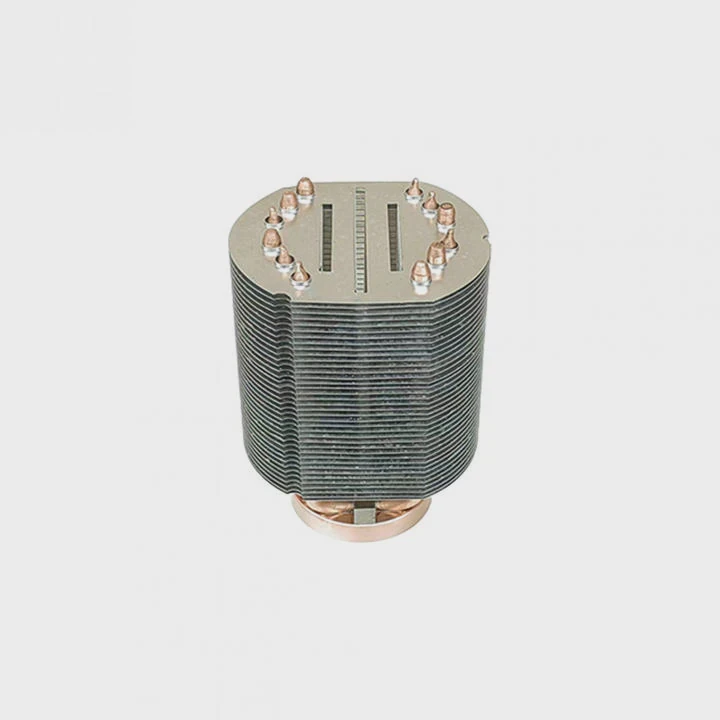
When setting up a liquid CPU cooler, one question always comes up: do you still need thermal paste? Many assume the liquid itself handles heat transfer, but that’s not quite true.
Yes, a liquid cooler needs thermal paste. It fills microscopic gaps between the CPU and the cooler base to ensure efficient heat transfer.
Even the best liquid system will perform poorly without proper thermal contact. Let’s look at why thermal paste is vital, how to apply it correctly, and what new materials are shaping the next generation of cooling.
What is thermal paste?
Before we discuss application or technology, it’s important to understand what thermal paste really is and what it does.
Thermal paste is a conductive compound that bridges the microscopic gaps between the CPU’s heat spreader and the cooler base to improve heat transfer.
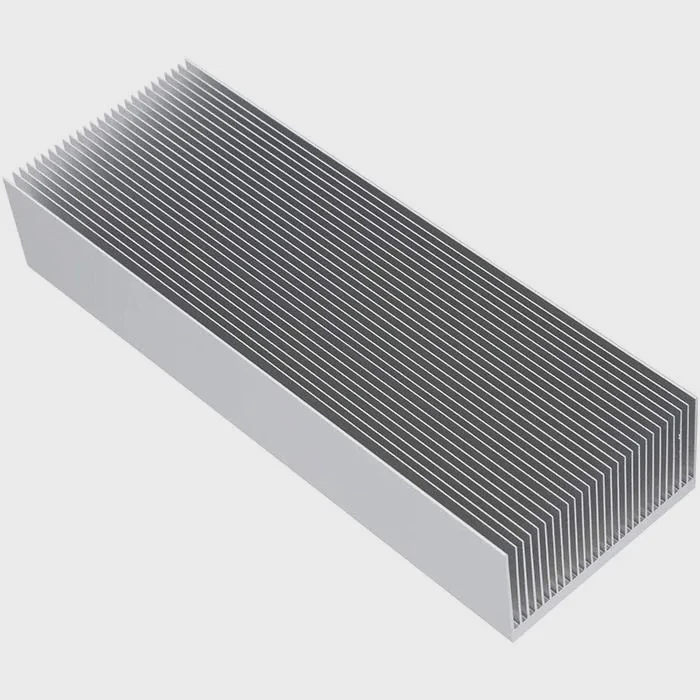
Although both surfaces look smooth, they have tiny imperfections that trap air. Air is a poor heat conductor, so thermal paste fills those gaps and creates a continuous path for heat to move from the CPU to the cooler.
Basic properties of thermal paste
| Property | Description |
|---|---|
| Thermal Conductivity | Transfers heat efficiently between surfaces |
| Viscosity | Thick enough to stay in place under pressure |
| Electrically Non-Conductive | Safe for use around CPU pins and circuits |
| Longevity | Designed to last years without drying out |
Different types of thermal paste
- Silicone-based: Common, affordable, good for basic use.
- Metal-based: Contains silver or aluminum, excellent heat transfer.
- Ceramic-based: Non-conductive and stable under high heat.
- Liquid metal: Superior conductivity, but risky and requires care.
When I first started building systems, I underestimated thermal paste. I once forgot to apply it on a liquid cooler, and the CPU temperature shot up within seconds. That experience taught me that even advanced cooling tech still needs this simple compound.
Why is it necessary for heat transfer?
Thermal paste might look small, but its role is huge. Without it, no cooling system—air or liquid—can perform at full potential.
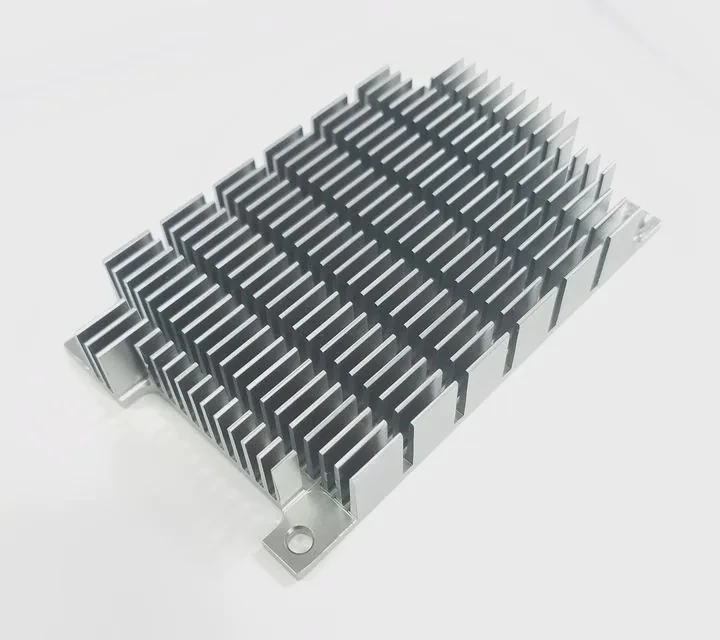
Thermal paste ensures full thermal contact between the CPU and cooler base, eliminating air pockets that block heat transfer.
How thermal paste helps cooling
| Factor | Without Thermal Paste | With Thermal Paste |
|---|---|---|
| Surface Contact | Uneven due to gaps | Even and full |
| Heat Transfer Efficiency | Low | High |
| CPU Temperature | Rapidly increases | Stays stable |
| System Performance | Thermal throttling | Sustained performance |
The science behind heat transfer
The CPU’s integrated heat spreader (IHS) and the cooler’s cold plate must work like one continuous surface. In reality, both have small pits and scratches.
Thermal paste fills these imperfections, removing air pockets and ensuring that heat moves efficiently into the cooler’s base.
In liquid cooling systems, the cold plate transfers this heat to the circulating fluid. If thermal paste isn’t applied or spreads unevenly, the process weakens. The result? Higher temperatures, louder fans, and possible throttling.
Think of it like sealing a window in winter. Even a small gap lets heat escape. Thermal paste seals the “gaps” in your thermal interface, keeping energy flow efficient and direct.
How to apply it for liquid coolers?
Applying thermal paste may seem simple, but precision matters. Too much can cause overflow, and too little can leave dry spots. Proper technique ensures maximum contact and minimal waste.
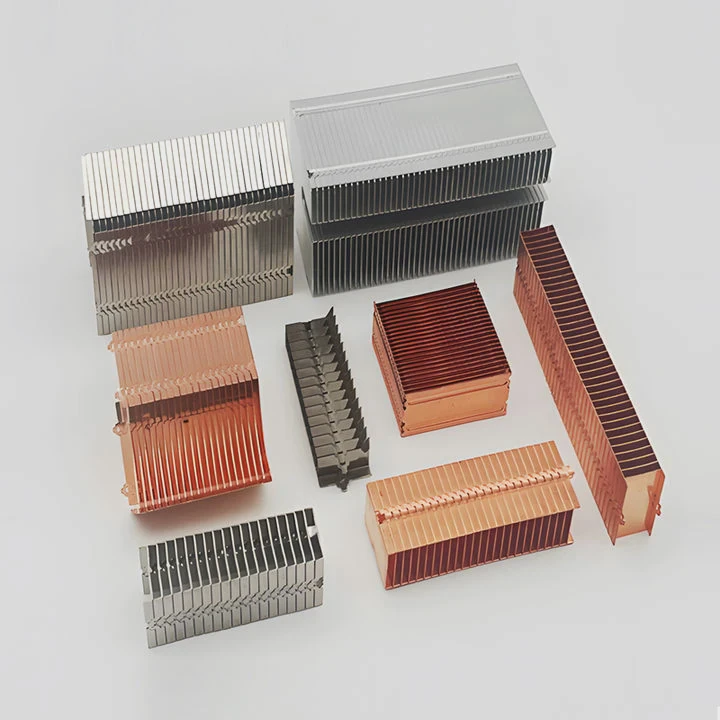
Apply a small, pea-sized amount of thermal paste to the center of the CPU, then mount the liquid cooler block evenly to spread it into a thin, uniform layer.
Step-by-step application process
Clean the surfaces:
Use isopropyl alcohol and a lint-free cloth to remove old paste from both the CPU and cooler base.Apply a small amount:
Place a pea-sized dot (about 4–5 mm) in the center of the CPU heat spreader.Mount the cooler:
Carefully lower the liquid cooler block straight down. Avoid sliding it to prevent air bubbles.Tighten evenly:
Secure screws in a cross pattern to distribute pressure and spread paste uniformly.Check coverage (optional):
If testing, you can remove the block after initial mounting to confirm even spread.Reassemble and power up:
Once mounted, connect the pump and fans, and check CPU temperature under load.
Tips for best results
| Tip | Reason |
|---|---|
| Use non-conductive paste | Prevents short circuits if spilled |
| Avoid spreading manually | The pressure from mounting spreads paste better |
| Reapply every 2–3 years | Paste can dry out over time |
| Don’t overapply | Excess paste insulates rather than conducts |
From experience, the most common mistake is overapplying. Too much paste can trap heat instead of moving it. A thin, even layer always performs best.
What are the new trends in thermal materials?
Thermal paste technology is improving as CPUs and GPUs get hotter and more compact. New compounds and materials are emerging to handle higher wattage and longer lifespans.
The latest trends include graphene-enhanced compounds, phase-change pads, and liquid metal alternatives that offer better conductivity and durability.
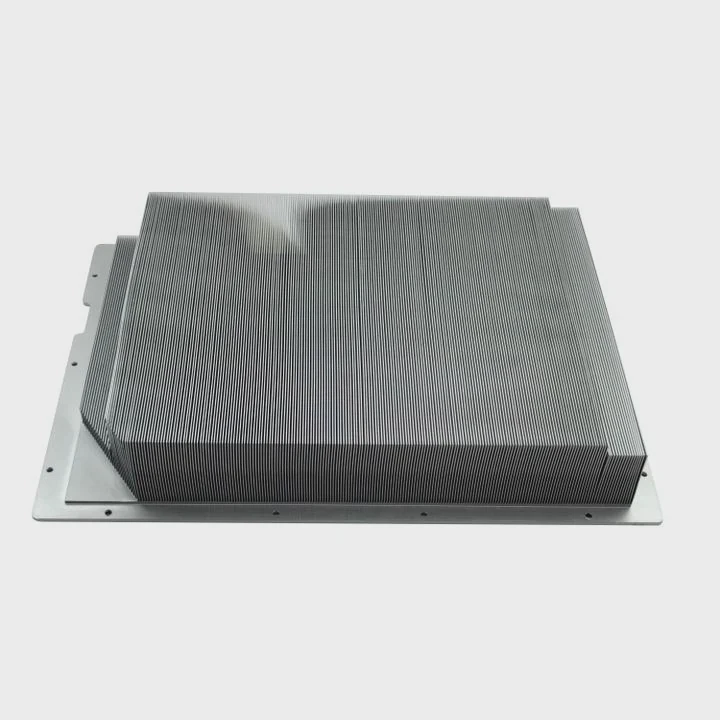
Emerging thermal interface materials (TIMs)
| Material Type | Description | Thermal Conductivity (W/m·K) |
|---|---|---|
| Graphene Paste | Uses carbon nanolayers for fast heat flow | 12–15 |
| Carbon-based Paste | Mix of nano-carbons and silicone | 10–12 |
| Phase-Change Pads | Solid at room temp, melt under heat | 7–10 |
| Liquid Metal | Gallium alloy, ultra-efficient | 73+ |
| Ceramic Hybrid | Stable, non-conductive | 6–8 |
Future direction in cooling materials
Manufacturers are now experimenting with graphene because of its exceptional heat conductivity and flexibility. Graphene-based pastes maintain performance longer and resist drying out.
Phase-change pads are becoming popular for pre-applied cooling solutions, especially in laptops and AIO coolers. These pads eliminate the need for manual application and reapplication.
Liquid metal is still the top performer in raw efficiency but requires care because it’s electrically conductive and can corrode aluminum surfaces.
I once tested a graphene-infused paste on a workstation build. Compared to traditional silicone paste, the temperature dropped by almost 4°C on average. That’s a small change, but in thermal management, every degree counts.
As CPUs continue to push the limits of performance, these new materials are critical to keeping systems cool, quiet, and reliable.
Conclusion
Yes, liquid coolers still need thermal paste. It’s the vital link between your CPU and cooler that ensures efficient heat transfer. By applying it correctly and using advanced materials like graphene or phase-change pads, you can improve cooling performance and system reliability for years.
TAGS
Latest Articles

Volume discount levels for heat sink orders?
Buyers often ask when heat sink prices start to drop with volume. Many worry they’re overpaying for small orders. This guide explains how B2B volume pricing works for thermal components. Heat sink
21 Dec,2025
Heat sink long-term supply contract options?
Many buyers want stable pricing and reliable delivery for heat sinks. But without a clear contract, risks grow over time. This article explores how to secure better long-term supply deals. Long-term
21 Dec,2025
Tooling cost for new heat sink profiles?
Many engineers struggle to understand why tooling for custom heat sinks costs so much. They worry about budgeting and production timelines. This article breaks down the cost drivers behind tooling.
21 Dec,2025
Heat sink custom sample process steps?
Sometimes, starting a custom heat sink project feels overwhelming—too many steps, too many unknowns, and too many risks. You want a sample, but not endless delays. The process for requesting and
20 Dec,2025
Standard B2B terms for heat sink payments?
When buyers and sellers in B2B heat sink markets talk about payment, many don’t fully understand what’s standard. This can lead to delayed orders, miscommunication, and even lost business
20 Dec,2025
Heat sink pricing factors for large orders?
Heat sinks are vital for many systems. When prices rise, projects stall and budgets break. This problem can hit teams hard without warning. Large order heat sink pricing depends on many factors. You
20 Dec,2025Related Articles
- How to Install an AIO Liquid Cooler?
- What is water cooling liquid?
- What liquid is in an AIO cooler?
- How much is liquid cooling system?
- Is liquid cooling silent?
- Does Liquid Cooling Require Maintenance?
- Does 5800X3D need liquid cooling?
- Why glass is called super cooled liquid?
- Is liquid cooling quieter than air cooling?
- What Is the Difference Between Liquid-Cooled and Air-Cooled?
- When is liquid cooling necessary?
- How to cool liquid fast?
Author
Dr. Emily Chen
Chief AI Researcher
Leading expert in thermal dynamics and AI optimization with over 15 years of experience in data center efficiency research.
Categories
Latest Products






Recommend Categories
- Liquid cooling plate Manufacturer
- Industrial Heat Sink Manufacturer
- Standard Heat Sink Manufacturer
- Aluminum Heat Sink Manufacturer
- Copper Heat Sink Manufacturer
- Anodized Heatsink Manufacturer
- Stamping heat sink Manufacturer
- Die Casting Heatsink Manufacturer
- Soldering heat sink Manufacturer
- CNC Parts Manufacturer
Latest Products
- Wholesale Aluminum Radiator
- Water Cooling Plate Kit
- Water Cooling Heat Sink
- Water Cooling Heat Sink Kit
- Stainless Steel Water Distributor
- Server Water Cooling Plate Kit
- Server Liquid Cooling System
- Server Aluminum Cooling Kit
- S19 Full Cover Cooling Plate
- S19 Cooling Plate Kit
- S19 Aluminum Cooling Plate
Contact Expert
Have questions about this article? Reach out to our experts directly.