How much is liquid cooling system?
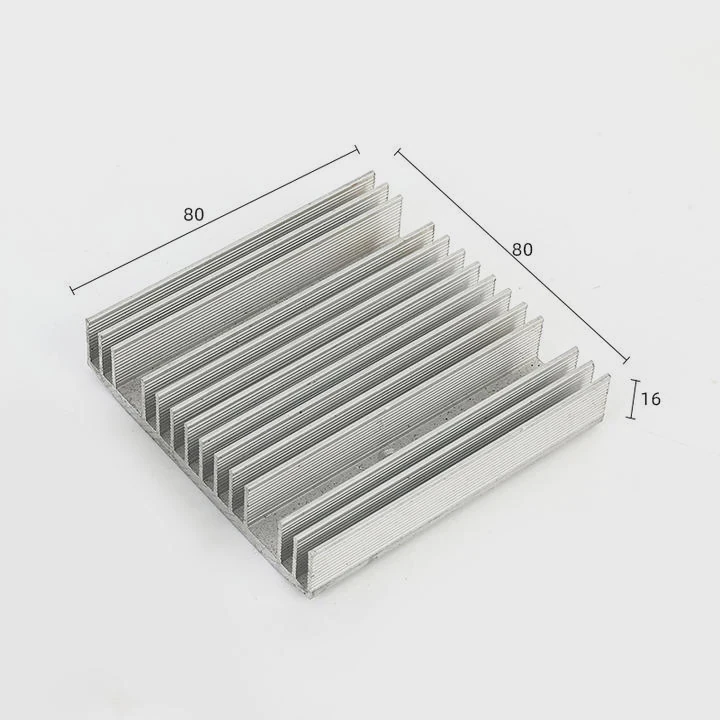
When planning a high-performance PC or industrial setup, cooling is one of the key decisions. Air cooling may be cheaper, but liquid cooling offers better performance. The question is — how much does it really cost?
A liquid cooling system costs anywhere between \(80 and \)500 for consumer PCs, while custom or industrial systems can exceed $1,000 depending on size and complexity.
The total price depends on the type of system, quality of materials, number of components, and installation method. Let’s explore what drives those costs and how to choose wisely.
What determines the cost of liquid cooling?
Liquid cooling isn’t just a single part — it’s a system made up of several precision components. Each piece contributes to performance and overall price.
The cost of a liquid cooling system is determined by its type (AIO or custom), component quality, materials used, and installation complexity.
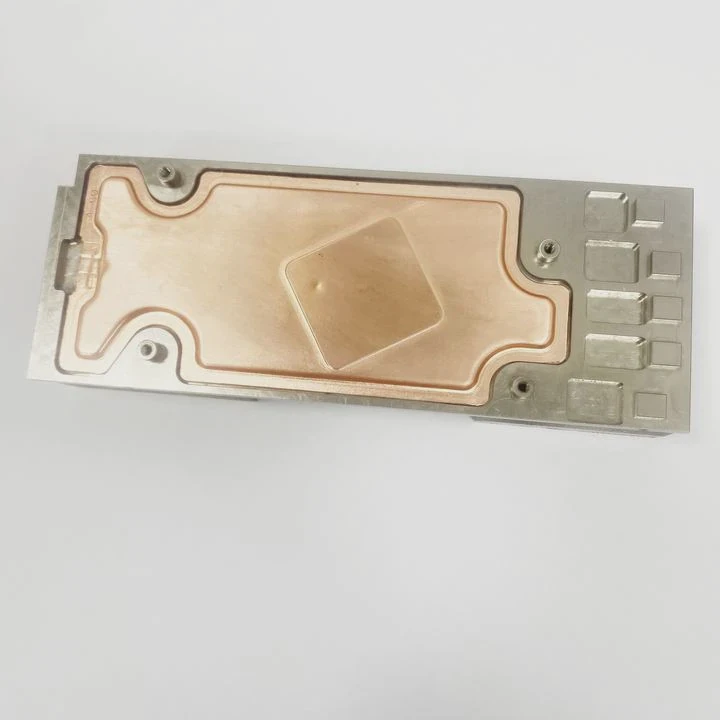
Main cost factors
| Factor | Description | Price Range |
|---|---|---|
| System Type | AIO (All-in-One) or Custom Loop | \(80–\)500+ |
| Radiator Size | Larger radiators increase cost but improve performance | \(40–\)150 |
| Pump & Block Quality | Determines flow rate and heat absorption | \(60–\)200 |
| Coolant Type | Standard, eco, or high-conductivity fluids | \(10–\)50 |
| Tubing & Fittings | Material and precision of connectors | \(20–\)100 |
| Fans | Number, speed, and noise level | \(15–\)80 |
| Installation | DIY or professional setup | Free–$200 |
AIO vs. Custom Loops
- AIO (All-in-One) coolers are pre-assembled and sealed, offering reliable cooling for CPUs or GPUs at a lower cost.
- Custom loops are built piece by piece for maximum efficiency, cooling multiple components at once — but they’re more expensive and require maintenance.
AIO systems are ideal for most users, while custom loops suit enthusiasts, overclockers, and professional environments where heat must be tightly controlled.
What are the advantages of investing more?
When comparing prices, it’s tempting to go with the cheapest option. However, a higher-quality cooling system often pays off over time.
Investing more in liquid cooling brings quieter operation, longer lifespan, and better temperature stability for demanding workloads.
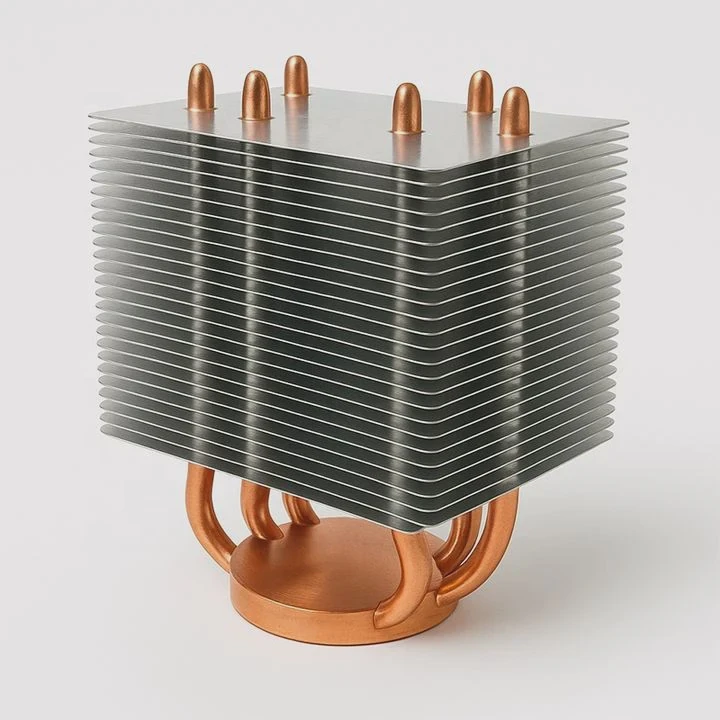
Benefits of premium systems
| Advantage | Description |
|---|---|
| Superior cooling | Handles overclocking and heavy processing without overheating |
| Longer durability | Better materials resist corrosion and leaks |
| Lower noise | Efficient pumps and large radiators reduce fan noise |
| Better aesthetics | Premium designs with RGB lighting and sleek finishes |
| Expandability | Can include CPU, GPU, and VRM cooling in one loop |
Why spending more can be worth it
Higher-end systems are made with copper or nickel-plated blocks, powerful pumps, and anti-corrosion coolant. They keep temperature fluctuations under control, even under extreme conditions.
For professionals using CAD, rendering, or AI workloads, these systems prevent throttling and keep performance consistent. Over time, this stability reduces wear on components, saving money on replacements or downtime.
In other words, quality cooling isn’t just about performance — it’s also about reliability and long-term value.
How to balance price and performance?
It’s possible to find a middle ground between affordability and quality. Not everyone needs the most expensive setup, and not every budget option can handle intense workloads.
To balance price and performance, choose an AIO system for everyday or gaming use, and a custom loop only if you need multi-component cooling or advanced performance tuning.
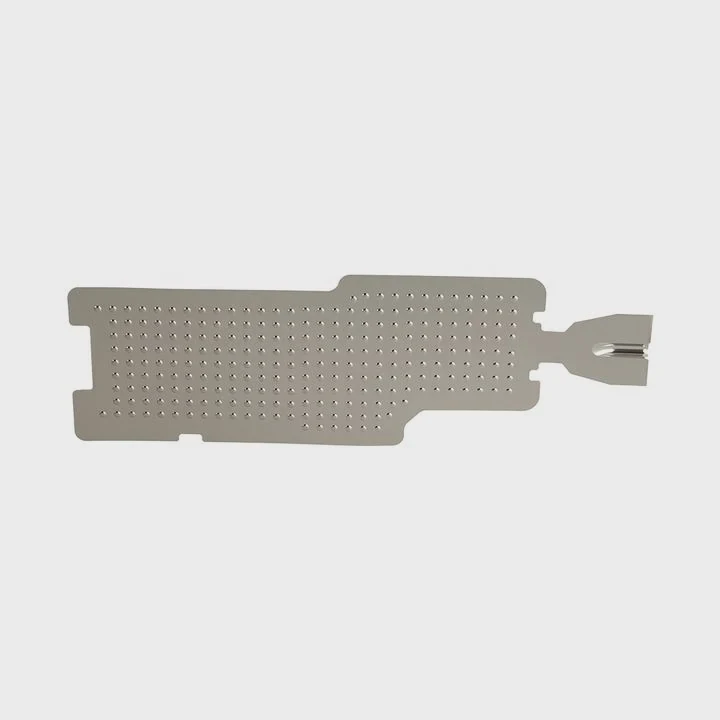
Recommendations by use case
| User Type | Cooling Type | Typical Cost | Notes |
|---|---|---|---|
| Casual / Office User | Air Cooler or Small AIO | \(80–\)150 | Quiet and low maintenance |
| Gamer / Content Creator | Mid-tier AIO | \(150–\)250 | Good performance and low noise |
| Overclocker / Enthusiast | Custom Loop | \(300–\)700 | Maximum control and cooling |
| Industrial / Data Center | Advanced Custom or Immersion | $1,000+ | Professional-grade reliability |
Practical tips
- Don’t overpay for features you won’t use, like full RGB kits or metal tubing if airflow and cooling are already sufficient.
- Focus spending on the pump and radiator, since they have the most impact on cooling performance.
- If your system supports only one component (like CPU cooling), an AIO cooler delivers excellent results without the complexity of custom setups.
Balancing cost and performance means investing smartly in parts that directly improve cooling efficiency while avoiding unnecessary extras.
What are the pricing trends in cooling tech?
Cooling technology evolves quickly, and so does its pricing. As production scales up and materials improve, systems are becoming both more powerful and affordable.
Recent pricing trends show a shift toward smart, efficient, and eco-friendly cooling solutions that offer better value at lower long-term cost.
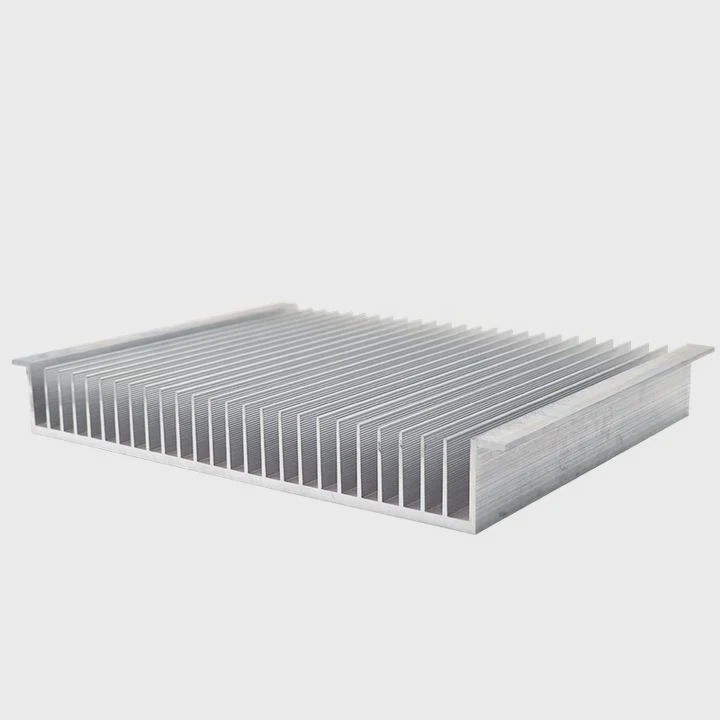
Key pricing and design trends
| Trend | Impact |
|---|---|
| AI-controlled systems | Slightly higher cost but better long-term energy savings |
| Eco-friendly coolants | Growing demand for sustainable, low-GWP fluids |
| Modular AIO units | Easier upgrades without full replacement |
| Compact high-efficiency designs | Reduced material and manufacturing costs |
| Global market expansion | Competition driving down average prices |
What’s changing in the market
Manufacturers are investing in AI-driven thermal control that automatically balances performance and energy use. These systems cost more upfront but save electricity over time.
At the same time, the development of eco-friendly coolants and recyclable materials is shaping a greener future for cooling technology.
More brands are also producing modular AIOs, where users can replace pumps, radiators, or tubes separately — lowering maintenance and upgrade costs.
As demand increases, mass production and competition are gradually lowering prices, making high-end cooling accessible to more users. The result is a market that offers better performance per dollar than ever before.
Conclusion
The cost of a liquid cooling system depends on design, quality, and performance goals. While basic AIO systems start around \(80, premium or custom setups can go well beyond \)500. Investing wisely brings quieter operation, longer life, and better value — especially as technology continues to improve.
TAGS
Latest Articles

Volume discount levels for heat sink orders?
Buyers often ask when heat sink prices start to drop with volume. Many worry they’re overpaying for small orders. This guide explains how B2B volume pricing works for thermal components. Heat sink
21 Dec,2025
Heat sink long-term supply contract options?
Many buyers want stable pricing and reliable delivery for heat sinks. But without a clear contract, risks grow over time. This article explores how to secure better long-term supply deals. Long-term
21 Dec,2025
Tooling cost for new heat sink profiles?
Many engineers struggle to understand why tooling for custom heat sinks costs so much. They worry about budgeting and production timelines. This article breaks down the cost drivers behind tooling.
21 Dec,2025
Heat sink custom sample process steps?
Sometimes, starting a custom heat sink project feels overwhelming—too many steps, too many unknowns, and too many risks. You want a sample, but not endless delays. The process for requesting and
20 Dec,2025
Standard B2B terms for heat sink payments?
When buyers and sellers in B2B heat sink markets talk about payment, many don’t fully understand what’s standard. This can lead to delayed orders, miscommunication, and even lost business
20 Dec,2025
Heat sink pricing factors for large orders?
Heat sinks are vital for many systems. When prices rise, projects stall and budgets break. This problem can hit teams hard without warning. Large order heat sink pricing depends on many factors. You
20 Dec,2025Related Articles
- Is liquid cooling silent?
- Does Liquid Cooling Require Maintenance?
- Is 240mm liquid cooling enough?
- How to upgrade to liquid cooling?
- How does a liquid cooler work?
- Does 5800X need liquid cooling?
- What liquid is in an AIO cooler?
- What is water cooling liquid?
- How to Install an AIO Liquid Cooler?
- Does a liquid cooler need thermal paste?
- Does 5800X3D need liquid cooling?
- Why glass is called super cooled liquid?
Author
Dr. Emily Chen
Chief AI Researcher
Leading expert in thermal dynamics and AI optimization with over 15 years of experience in data center efficiency research.
Categories
Latest Products






Recommend Categories
- Liquid cooling plate Manufacturer
- Industrial Heat Sink Manufacturer
- Standard Heat Sink Manufacturer
- Aluminum Heat Sink Manufacturer
- Copper Heat Sink Manufacturer
- Anodized Heatsink Manufacturer
- Stamping heat sink Manufacturer
- Die Casting Heatsink Manufacturer
- Soldering heat sink Manufacturer
- CNC Parts Manufacturer
Latest Products
- Wholesale Aluminum Radiator
- Water Cooling Plate Kit
- Water Cooling Heat Sink
- Water Cooling Heat Sink Kit
- Stainless Steel Water Distributor
- Server Water Cooling Plate Kit
- Server Liquid Cooling System
- Server Aluminum Cooling Kit
- S19 Full Cover Cooling Plate
- S19 Cooling Plate Kit
- S19 Aluminum Cooling Plate
Contact Expert
Have questions about this article? Reach out to our experts directly.