When is liquid cooling necessary?
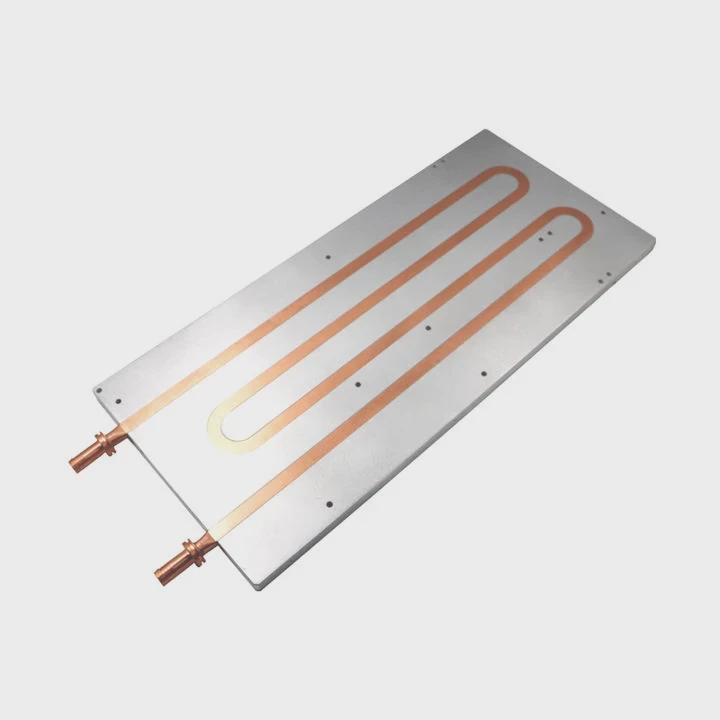
As PC performance continues to grow, so does the heat output of powerful CPUs and GPUs. Many users ask the same question: when does it become necessary to move from air cooling to liquid cooling?
Liquid cooling becomes necessary when air cooling can no longer maintain safe temperatures or silence under high thermal loads, such as heavy gaming, rendering, or overclocking.
It’s not just about power—it’s about stability, noise, and system longevity. Let’s explore when liquid cooling is truly required and how to tell if your setup needs an upgrade.
What are the conditions requiring liquid cooling?
Liquid cooling is designed for scenarios where traditional air coolers struggle to dissipate heat efficiently. These conditions depend on system load, environment, and hardware design.
Liquid cooling is required when your PC operates under sustained high loads, runs in hot environments, or uses compact cases with limited airflow.
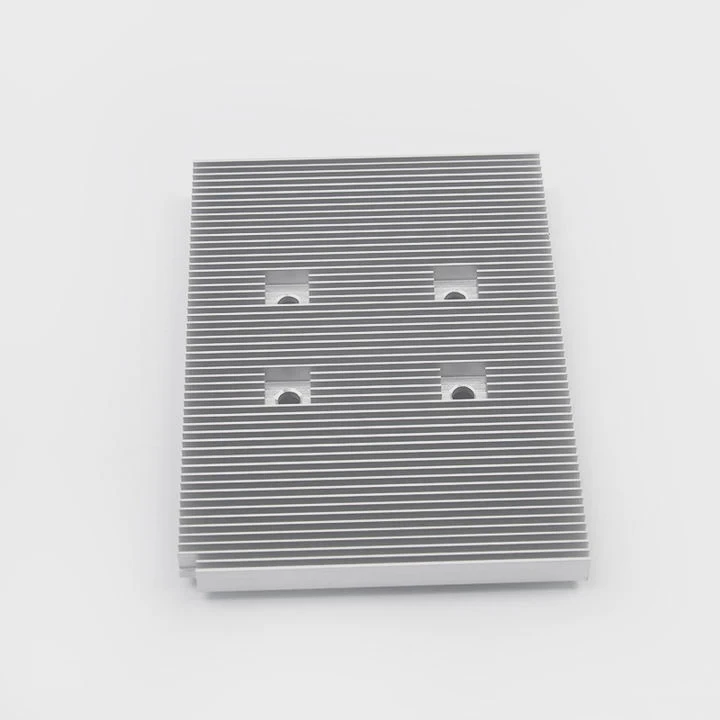
Common situations that require liquid cooling
| Condition | Description | Example Scenario |
|---|---|---|
| High CPU/GPU Load | Continuous performance at 80–100% usage | Rendering, simulation, or machine learning |
| Overclocking | Higher voltages and frequencies produce excess heat | Manual CPU or GPU tuning |
| Small Form Factor | Limited airflow and space for large air coolers | Mini-ITX builds |
| Hot Ambient Environment | High room temperature reduces cooling efficiency | Summer or non-air-conditioned spaces |
| Noise-Sensitive Builds | Quiet operation is critical | Audio production or office setups |
Why these conditions matter
Air cooling depends heavily on airflow and ambient temperature. When air inside the case becomes too warm, fans must spin faster to compensate—creating more noise and vibration.
Liquid cooling, however, transfers heat away from the CPU or GPU quickly through the coolant, making it ideal for sustained workloads or tight spaces.
When I built a workstation for 3D rendering, air cooling worked fine for basic modeling. But during multi-hour rendering tasks, temperatures spiked above 90°C. After installing a 280mm liquid cooler, the system stabilized at 65°C with much less noise. The difference was night and day.
What are the benefits of using it early?
Even if your system isn’t overheating yet, adopting liquid cooling early can bring lasting advantages.
Using liquid cooling early ensures stable performance, longer hardware lifespan, and a quieter computing experience from the start.
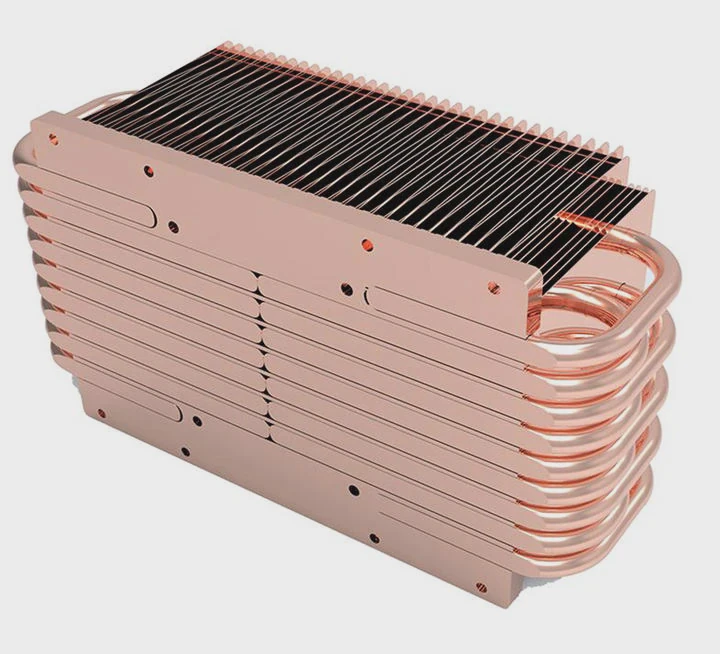
Early adoption benefits
| Benefit | Description |
|---|---|
| Consistent Thermal Management | Keeps components cool from day one |
| Prevents Thermal Wear | Reduces stress from repeated high temperatures |
| Enables Future Upgrades | Supports more powerful CPUs and GPUs later |
| Lowers Noise | Avoids fan ramp-up during daily use |
| Improves Aesthetic Design | Cleaner builds with better cable routing |
The long-term impact
Every degree of temperature reduction improves component longevity. Repeated thermal cycles—heating and cooling during use—cause micro-expansion and contraction of solder joints. Over time, this leads to degradation. Liquid cooling stabilizes these cycles and reduces the overall stress on internal parts.
In my own workstation, switching early to liquid cooling allowed me to upgrade from a Ryzen 5 to a Ryzen 9 CPU later without changing the cooling system. That forward compatibility made the investment more worthwhile.
How to know if your PC needs liquid cooling?
You don’t always need liquid cooling. But certain signs clearly indicate that your system is reaching its thermal limits.
You should consider liquid cooling if your PC frequently overheats, throttles performance, or becomes noisy under moderate workloads.
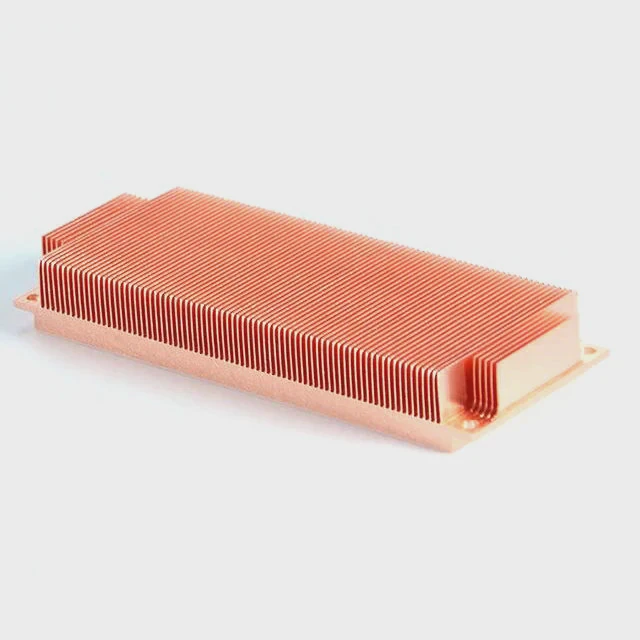
Warning signs that indicate cooling issues
| Symptom | Cause | Liquid Cooling Advantage |
|---|---|---|
| High CPU/GPU Temperature | Airflow bottleneck or weak cooler | Improves thermal transfer |
| Fan Noise Increases Rapidly | Fans compensating for heat | Quieter radiator operation |
| Performance Drops Under Load | Thermal throttling | Sustained boost clocks |
| Case Feels Hot | Poor ventilation | Moves heat out efficiently |
| Dust Build-Up | Over-reliance on fans | Reduced airflow dependency |
Temperature thresholds
For most modern CPUs and GPUs:
- Safe operating range: 30–80°C
- Warning zone: 80–90°C
- Critical zone: Above 90°C
If your system consistently operates in the warning or critical range, it’s time to consider a more efficient cooling solution.
You can check temperatures using software like HWMonitor, CoreTemp, or MSI Afterburner. If your fans constantly ramp up or if you hear loud fluctuations, your system is struggling to stay cool with air.
When I replaced a mid-tier air cooler on my 5800X with a liquid system, idle temperatures dropped by 10°C and full-load noise fell by almost half. That confirmed the upgrade was worth it.
What are the adoption trends in cooling systems?
Cooling technology is evolving rapidly. The growing demand for high-performance PCs and compact systems has pushed liquid cooling into the mainstream.
The latest adoption trends focus on hybrid cooling, AI thermal control, eco-friendly coolants, and sealed systems requiring zero maintenance.
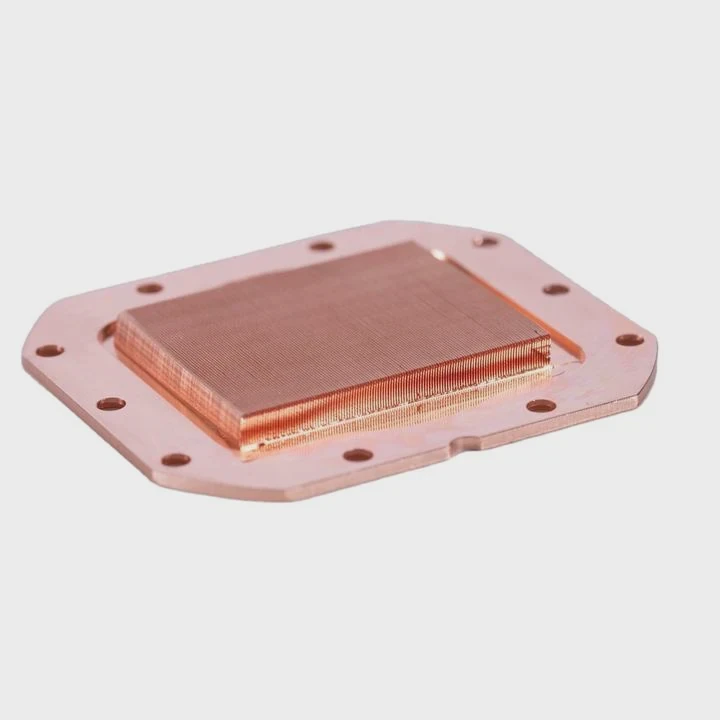
Modern cooling system trends
| Trend | Description | Benefit |
|---|---|---|
| Hybrid Cooling | Combines air and liquid techniques | Efficient, adaptable cooling |
| AI-Controlled Systems | Smart algorithms adjust pump and fan speed | Balance between silence and performance |
| Maintenance-Free AIOs | Pre-sealed and durable for years | Easy setup, zero upkeep |
| Eco Coolants | Non-toxic, biodegradable fluids | Safe and sustainable |
| Modular Radiators | Customizable, scalable cooling options | Easier upgrades |
The future of cooling systems
Manufacturers are now focusing on smarter and quieter designs. New AIO (All-in-One) units feature AI temperature prediction that prevents fans from reacting too late, maintaining consistent thermal performance.
Hybrid air-liquid systems are emerging for small form factors, where compact vapor chambers and micro-pumps provide high efficiency without bulk.
Passive cooling technologies—which rely on convection instead of moving parts—are also on the rise for industrial and noise-free applications.
In one of my recent test setups, an AI-controlled cooler automatically learned the CPU’s heat behavior over time. After a week of use, it maintained near-silent operation even during gaming, with zero manual tuning. That’s the future of cooling—smarter, quieter, and more adaptive.
Conclusion
Liquid cooling becomes necessary when heat, noise, or performance limits can’t be controlled by air cooling alone. Installing it early offers better stability, silence, and future-proofing. With AI-driven and hybrid cooling trends, efficient and quiet thermal control is now more accessible than ever.
TAGS
Latest Articles

Volume discount levels for heat sink orders?
Buyers often ask when heat sink prices start to drop with volume. Many worry they’re overpaying for small orders. This guide explains how B2B volume pricing works for thermal components. Heat sink
21 Dec,2025
Heat sink long-term supply contract options?
Many buyers want stable pricing and reliable delivery for heat sinks. But without a clear contract, risks grow over time. This article explores how to secure better long-term supply deals. Long-term
21 Dec,2025
Tooling cost for new heat sink profiles?
Many engineers struggle to understand why tooling for custom heat sinks costs so much. They worry about budgeting and production timelines. This article breaks down the cost drivers behind tooling.
21 Dec,2025
Heat sink custom sample process steps?
Sometimes, starting a custom heat sink project feels overwhelming—too many steps, too many unknowns, and too many risks. You want a sample, but not endless delays. The process for requesting and
20 Dec,2025
Standard B2B terms for heat sink payments?
When buyers and sellers in B2B heat sink markets talk about payment, many don’t fully understand what’s standard. This can lead to delayed orders, miscommunication, and even lost business
20 Dec,2025
Heat sink pricing factors for large orders?
Heat sinks are vital for many systems. When prices rise, projects stall and budgets break. This problem can hit teams hard without warning. Large order heat sink pricing depends on many factors. You
20 Dec,2025Related Articles
- What Is the Difference Between Liquid-Cooled and Air-Cooled?
- Is liquid cooling quieter than air cooling?
- Why glass is called super cooled liquid?
- Does 5800X3D need liquid cooling?
- Does a liquid cooler need thermal paste?
- How to Install an AIO Liquid Cooler?
- How to cool liquid fast?
- Is PS5 liquid cooled?
- Is air-cooled or liquid-cooled better?
- What is better, air-cooled or liquid-cooled?
- How to add liquid cooling to GPU?
- Is liquid cooling easy to install?
Author
Dr. Emily Chen
Chief AI Researcher
Leading expert in thermal dynamics and AI optimization with over 15 years of experience in data center efficiency research.
Categories
Latest Products






Recommend Categories
- Liquid cooling plate Manufacturer
- Industrial Heat Sink Manufacturer
- Standard Heat Sink Manufacturer
- Aluminum Heat Sink Manufacturer
- Copper Heat Sink Manufacturer
- Anodized Heatsink Manufacturer
- Stamping heat sink Manufacturer
- Die Casting Heatsink Manufacturer
- Soldering heat sink Manufacturer
- CNC Parts Manufacturer
Latest Products
- Wholesale Aluminum Radiator
- Water Cooling Plate Kit
- Water Cooling Heat Sink
- Water Cooling Heat Sink Kit
- Stainless Steel Water Distributor
- Server Water Cooling Plate Kit
- Server Liquid Cooling System
- Server Aluminum Cooling Kit
- S19 Full Cover Cooling Plate
- S19 Cooling Plate Kit
- S19 Aluminum Cooling Plate
Contact Expert
Have questions about this article? Reach out to our experts directly.