Does Liquid Cooling Require Maintenance?
Many users believe that liquid cooling is difficult to maintain or requires constant attention. This belief often discourages beginners from trying it.
Liquid cooling does require some maintenance, but the level depends on whether you use an all-in-one (AIO) system or a custom loop.
Most AIO systems are sealed and maintenance-free, while custom loops need periodic checks and coolant replacement to stay efficient.
What Type of Maintenance Is Needed?
Different liquid cooling systems require different care routines. AIO coolers are designed to be plug-and-play, while custom loops need hands-on management.
Maintenance tasks include checking for leaks, cleaning dust from radiators, ensuring fans and pumps work properly, and replacing coolant in open systems every 6–12 months.
Maintenance Comparison
| Task | AIO Liquid Cooler | Custom Loop |
|---|---|---|
| Leak Inspection | Every 6 months | Every 3 months |
| Coolant Replacement | Not required | Every 6–12 months |
| Radiator Cleaning | Every 3–6 months | Every 3–6 months |
| Pump Check | Yearly | Every 6 months |
| Air Bubble Check | Not needed | Monthly |
Routine Care Tasks
Dust Removal:
Radiator fins and fans accumulate dust over time, reducing airflow. Use compressed air or a soft brush to clean them.Pump Monitoring:
Ensure the pump runs smoothly without grinding noises. BIOS or software tools can track RPM.Visual Inspection:
Check for moisture, discoloration, or residue near fittings or tubes.Coolant Top-Up (Custom Loops Only):
Replace coolant periodically to prevent microbial growth and maintain thermal performance.
Regular, simple care keeps your cooling system quiet, efficient, and long-lasting.
What Are the Benefits of Regular Checks?
Even though liquid cooling systems are durable, small problems can become serious if ignored. Routine checks prevent performance loss and unexpected breakdowns.
Regular maintenance improves cooling performance, extends the system’s lifespan, prevents leaks, and ensures consistent, quiet operation.
Key Benefits of Routine Maintenance
1. Longer System Life
Cleaning and inspection reduce stress on the pump, fans, and seals.
2. Stable Temperatures
A clean radiator allows better heat dissipation, keeping CPU or GPU temperatures stable.
3. Quieter Operation
Dust buildup forces fans to spin faster. Regular cleaning helps maintain silent performance.
4. Leak Prevention
Early detection of loose fittings or aging seals avoids major failures.
5. Better Energy Efficiency
Cooler systems draw less power since components operate under normal thermal limits.
Maintenance Impact Example
| Maintenance Frequency | Avg. CPU Temp (Load) | System Noise | System Longevity |
|---|---|---|---|
| Regular (Every 3–6 months) | 60°C | Low | 5–7 years |
| Rare (Once a year) | 75°C | Medium | 3–5 years |
| None | 85°C+ | High | years |
Regular maintenance pays off by keeping your PC stable and quiet even under heavy load.
How to Maintain Your System Properly?
Many users are unsure how to maintain their liquid cooling safely. The process is simple if you follow a checklist and use the right tools.
To maintain your liquid cooling system, clean the radiator and fans, inspect fittings, monitor pump speed, and replace coolant if applicable.
Step-by-Step Maintenance Guide
1. Power Off and Disconnect
Before cleaning or checking parts, unplug the system completely.
2. Clean the Radiator and Fans
Use a small air blower or compressed air can. Blow dust away from the fins gently. Avoid using water or harsh chemicals.
3. Check Pump Operation
In BIOS or software (like ASUS AI Suite or MSI Center), verify pump RPM. It should run steadily around 2000–3000 RPM.
4. Inspect Tubes and Fittings
Look for any discoloration, cracks, or coolant residue. Even small signs of moisture indicate a potential leak.
5. Replace Coolant (for Custom Loops)
Drain the old fluid, flush with distilled water, and refill with new coolant designed for PC use. Avoid tap water, which can cause corrosion.
6. Test the System
After maintenance, run the PC and monitor temperatures. Ensure fans and pumps react normally to load changes.
Recommended Maintenance Tools
| Tool | Purpose |
|---|---|
| Compressed Air | Clean radiator and fans |
| Microfiber Cloth | Wipe surfaces safely |
| Screwdriver Set | Access mounting points |
| Coolant Refill Kit | Replace fluid in custom loops |
| Thermal Paste | Reapply when remounting pump block |
Performing these simple steps every few months keeps your system performing like new.
What Are the Innovations in Self-Maintaining Cooling?
Manufacturers are constantly improving cooling technology to make maintenance easier — or even unnecessary. New systems now include smart sensors, sealed designs, and self-regulating software.
Modern cooling systems feature self-diagnostic pumps, sealed radiators, anti-corrosion coolant, and AI control software that reduce or eliminate the need for manual maintenance.
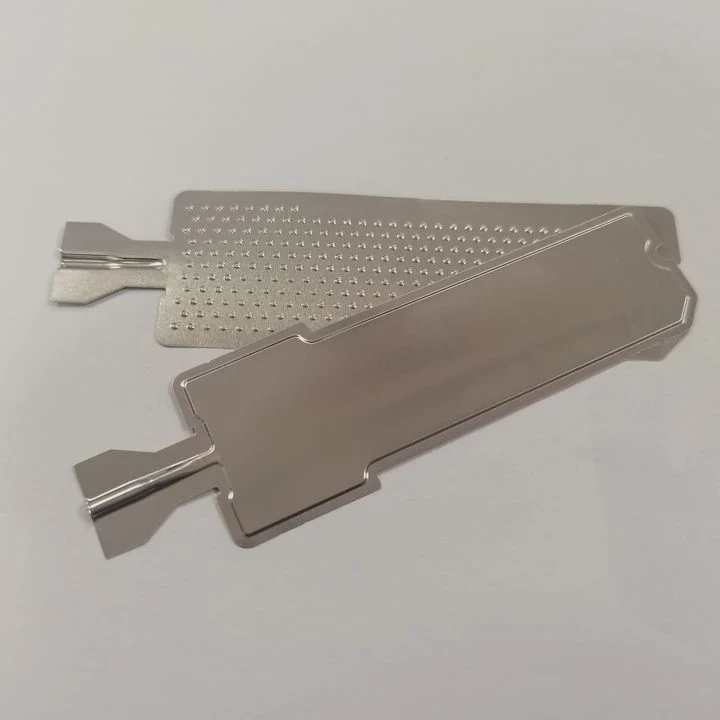
Latest Self-Maintenance Innovations
Smart Pump Monitoring:
Some coolers automatically adjust pump speed based on coolant pressure and temperature to maintain balance.Anti-Microbial Coolant:
Advanced coolants contain additives that prevent algae and bacterial buildup.Dust-Resistant Radiator Coatings:
Hydrophobic coatings reduce dust accumulation, keeping fins clean longer.Leak-Proof Fittings and Tubes:
Double-sealed compression fittings prevent coolant evaporation and minimize air bubble formation.AI-Controlled Maintenance Systems:
Some high-end coolers use software to monitor flow rate, pump health, and fan RPM. They send alerts if any parameter deviates from the norm.
Technology Evolution Table
| Innovation | Introduced Year | Function |
|---|---|---|
| Sealed AIO Design | 2010 | Zero-maintenance cooling |
| Dual-Chamber Pump | 2017 | Extended pump lifespan |
| Non-Conductive Coolant | 2019 | Safer leak protection |
| Smart Sensor Monitoring | 2022 | Real-time performance tracking |
| AI Maintenance Alerts | 2024 | Predictive maintenance automation |
The Future of Self-Maintaining Cooling
Next-generation systems are expected to include self-cleaning radiators, vapor-seal coolants, and automatic refill modules. These technologies aim to make PC cooling entirely hands-off while maintaining high performance and safety.
Some prototypes even feature self-healing polymer tubing that seals minor cracks automatically, further reducing risk and maintenance needs.
Conclusion
Liquid cooling does require some maintenance, but modern systems make it simple and infrequent. Regular cleaning and inspection ensure performance, quiet operation, and long-term reliability. With new self-maintaining technologies emerging, liquid cooling is becoming more convenient than ever for both beginners and professionals.
TAGS
Latest Articles

Volume discount levels for heat sink orders?
Buyers often ask when heat sink prices start to drop with volume. Many worry they’re overpaying for small orders. This guide explains how B2B volume pricing works for thermal components. Heat sink
21 Dec,2025
Heat sink long-term supply contract options?
Many buyers want stable pricing and reliable delivery for heat sinks. But without a clear contract, risks grow over time. This article explores how to secure better long-term supply deals. Long-term
21 Dec,2025
Tooling cost for new heat sink profiles?
Many engineers struggle to understand why tooling for custom heat sinks costs so much. They worry about budgeting and production timelines. This article breaks down the cost drivers behind tooling.
21 Dec,2025
Heat sink custom sample process steps?
Sometimes, starting a custom heat sink project feels overwhelming—too many steps, too many unknowns, and too many risks. You want a sample, but not endless delays. The process for requesting and
20 Dec,2025
Standard B2B terms for heat sink payments?
When buyers and sellers in B2B heat sink markets talk about payment, many don’t fully understand what’s standard. This can lead to delayed orders, miscommunication, and even lost business
20 Dec,2025
Heat sink pricing factors for large orders?
Heat sinks are vital for many systems. When prices rise, projects stall and budgets break. This problem can hit teams hard without warning. Large order heat sink pricing depends on many factors. You
20 Dec,2025Related Articles
- Is 240mm liquid cooling enough?
- How to upgrade to liquid cooling?
- How does a liquid cooler work?
- Does 5800X need liquid cooling?
- Can Liquid Cooling Leak?
- How CPU liquid cooler works?
- Is liquid cooling silent?
- How much is liquid cooling system?
- What liquid is in an AIO cooler?
- What is water cooling liquid?
- How to Install an AIO Liquid Cooler?
- Does a liquid cooler need thermal paste?
Author
Dr. Emily Chen
Chief AI Researcher
Leading expert in thermal dynamics and AI optimization with over 15 years of experience in data center efficiency research.
Categories
Latest Products






Recommend Categories
- Liquid cooling plate Manufacturer
- Industrial Heat Sink Manufacturer
- Standard Heat Sink Manufacturer
- Aluminum Heat Sink Manufacturer
- Copper Heat Sink Manufacturer
- Anodized Heatsink Manufacturer
- Stamping heat sink Manufacturer
- Die Casting Heatsink Manufacturer
- Soldering heat sink Manufacturer
- CNC Parts Manufacturer
Latest Products
- Wholesale Aluminum Radiator
- Water Cooling Plate Kit
- Water Cooling Heat Sink
- Water Cooling Heat Sink Kit
- Stainless Steel Water Distributor
- Server Water Cooling Plate Kit
- Server Liquid Cooling System
- Server Aluminum Cooling Kit
- S19 Full Cover Cooling Plate
- S19 Cooling Plate Kit
- S19 Aluminum Cooling Plate
Contact Expert
Have questions about this article? Reach out to our experts directly.