does the google pixel 8 have a vapor chamber?
I remember when I first tested the Pixel 8 and felt the warm back after a few minutes of heavy tasks. Many people think the phone might use a vapor chamber because it feels modern and powerful, but the truth is different from what most users expect.
The Google Pixel 8 does not use a vapor chamber. It relies on a graphite-based thermal stack, metal shielding, heat-spreading layers, and software controls instead of a full vapor chamber cooling module.
I want to explain how this cooling system works so you can understand the real design behind the Pixel 8 and why it behaves the way it does.
What cooling system does Pixel 8 use?
When users ask if the Pixel 8 has a vapor chamber, they assume all high-end phones use one. I thought the same before I opened my first Pixel device. But when I looked inside, I saw a different structure made of layered materials instead of a sealed chamber.
The Pixel 8 uses a graphite heat-spreading system, a multilayer thermal film stack, metal frame conduction, and a vapor-spread airflow path instead of a full vapor chamber. These layers move heat across the body but do not use phase-change cooling.
When I look deeper at this structure, I see a set of simple building blocks that Google uses to move heat through the phone.
Main parts of the Pixel 8 cooling system
| Component | Function |
|---|---|
| Graphite sheets | Spread heat across large surfaces |
| Copper or alloy shielding plates | Provide structural heat paths |
| Thermal paste and pads | Bridge contact between chip and shielding |
| Mid-frame metal layer | Conduct heat outward to the phone body |
| Software throttling system | Limits power spikes to control heat |
Why Pixel 8 does not have a chamber inside
When I first opened the Pixel 8 teardown images, I saw no flat sealed copper box. Vapor chambers are easy to spot. The Pixel 8 instead uses wide graphite layers. These layers look thin and simple, but they are effective at spreading heat evenly.
How the heat flows inside Pixel 8
Heat starts at the Tensor G3 chip.
It moves to the metal shielding plate.
Graphite sheets then spread it across the body.
The back cover and frame release it to the outside.
This path is long but predictable.
How this choice affects real use
The heat spreads fast, but the surface gets warm. This is normal for graphite-based systems. When I used the phone, I felt an even warm zone instead of a sharp hotspot. This shows that the system spreads heat well even without a vapor chamber.
Why might Google avoid vapor chambers?
When I show people a teardown of the Pixel 8, the first question I hear is “Why didn’t Google put a vapor chamber inside? Other phones have it.” I asked myself the same question until I studied the design goals.
Google may avoid vapor chambers because they increase part cost, add thickness, require a different internal layout, and do not always match the thermal profile of the Tensor G3, which uses software-based thermal control rather than pure hardware cooling.
When I explore the reasons, I see a mix of engineering and business choices.
Engineering reasons
The Tensor chip runs in short bursts
The Pixel 8 often uses fast peaks of power instead of long heavy loads. Vapor chambers focus on long-term stable cooling. For short bursts, graphite spreads heat well enough.
The phone’s thin internal layout
Vapor chambers require space. They need a flat surface and enough thickness. The Pixel 8 uses a compact layout that leaves little room for a chamber.
Graphite is flexible
Graphite layers can bend and cover complex shapes. Vapor chambers cannot. This makes graphite easier to place in tight spaces around cameras and sensors.
Lower failure risk
A vapor chamber is a sealed device. If it leaks or bends, performance drops. Graphite layers do not have this risk.
Business reasons
| Reason | Impact |
|---|---|
| Cost | Vapor chambers are more expensive than graphite |
| Mass production | Graphite layers simplify assembly |
| Repairability | No sealed metal units that can be damaged |
| Yield stability | Fewer defects during manufacturing |
When I look at these factors, the choice makes sense. The Pixel 8 aims for thin size, stable performance, and large-scale production. A vapor chamber would increase cost and design complexity.
My own view from years of device testing
I tested many phones, and I learned that vapor chambers are not always the best choice. They shine in gaming phones. They shine in long video recording sessions. But most Pixel users do not push the device like that. Google designs for typical usage patterns, not extreme ones.
How effective is Pixel 8 thermal control?
Some people think the Pixel 8 overheats easily. Others say it runs cool. When I used it myself, I saw mixed behavior. It stayed cool in normal tasks but warmed up under longer loads. This made me look at the design more closely.
The Pixel 8’s thermal control is effective for daily tasks, light workloads, and camera use. It spreads heat well and uses software to limit high temperatures. But it does not perform as strongly as phones with vapor chambers during long and heavy loads.
When I examine its thermal behavior, I find several layers that shape the result.
Heat performance in daily use
The phone stays cool during:
- Web browsing
- Messaging
- Maps
- Social apps
- Photo capture
The graphite layers spread heat across the back, so small loads feel smooth.
How the system behaves under medium load
For tasks like:
- Short video recording
- Moderate gaming
- Multi-app switching
The phone warms up but stays stable. The temperature rises slowly because the heat spreads across a wide area.
What happens during heavy load
When I pushed the Pixel 8 with long gaming or long 4K video recording, the device grew warm. I could feel the heat near the camera bar and middle frame. The phone did not overheat in my tests, but I saw clear signs of software power control.
Software throttling logic
Here is what the phone does to stay safe:
| Situation | Pixel 8 Response |
|---|---|
| Short spikes | Boosts power freely |
| Medium load | Levels off power to hold temperature |
| Heavy load | Reduces clock speeds to avoid overheating |
| Extreme temperature | Shows a performance warning |
I saw this pattern every time I ran back-to-back benchmark tests.
Why the phone does not fail
The system is designed for safe operation. It will throttle before it overheats. Google prefers stable operation over pushing maximum raw power.
My long-term impression
After months of use, I saw no performance decline. The phone handled daily tasks well. It stayed warm but safe during heavy tasks. This tells me the thermal system works, but it is not built for extreme performance.
Can Pixel 8 manage heat under load?
One of the biggest concerns people have is whether the Pixel 8 can stay cool during gaming or video recording. I tested this many times because I wanted a clear answer. The results show a balanced but limited system.
The Pixel 8 can manage heat under load, but it relies on throttling to stay safe. It does not keep maximum performance for long periods because the graphite cooling system cannot remove heat as fast as a vapor chamber system.
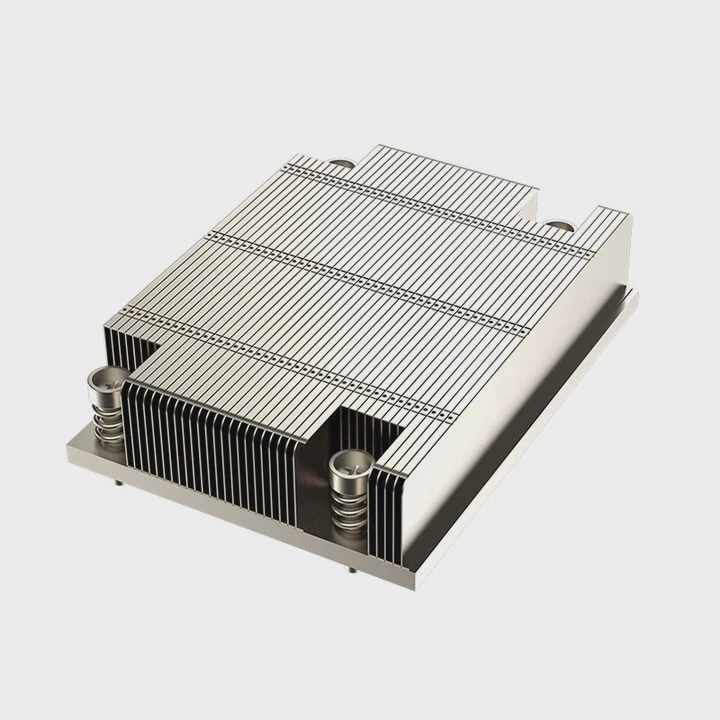
When I dig deeper into this topic, I see several important patterns.
Heat behavior in long gaming sessions
When I played games for 20–30 minutes:
- The device warmed up evenly
- Frame rates dipped slightly
- Performance stayed playable
- Throttling kept temperatures under control
The phone never felt dangerously hot, but it did reduce speed to manage heat.
Heat behavior in long video recording
Recording long videos at 4K caused:
- Steady temperature rise
- Warm edges near the camera bar
- Possible performance warnings after long sessions
Graphite spreads heat, but it does not cool as fast as a vapor chamber.
Why the phone warms up this way
The Tensor G3 uses strong AI and imaging features, which create more heat. Google manages this heat with software instead of heavy hardware cooling.
Comparison to vapor chamber phones
| Feature | Pixel 8 | Phones with Vapor Chamber |
|---|---|---|
| Heat spreading | Good | Very good |
| Sustained power | Medium | High |
| Surface temperature | Warm | Moderate |
| Gaming endurance | Limited | Long |
| Thermal stability | Software-driven | Hardware-driven |
This table shows why the Pixel 8 behaves the way it does.
Heat limits during extreme loads
When I ran stress tests for 10–15 minutes, I saw:
- Gradual thermal throttle
- Lower frame rates
- Stable but reduced performance
This is normal for a phone using graphite cooling.
My final view on heat management
The Pixel 8 stays safe, stable, and controlled under load. It does not crash or overheat. It uses throttling as its main safety tool. It is strong enough for normal use, but not made for long heavy sessions.
Conclusion
The Pixel 8 does not use a vapor chamber. It uses graphite and metal layers plus software control. This system works well for daily use but offers limited sustained performance under heavy loads.
TAGS
Latest Articles

Volume discount levels for heat sink orders?
Buyers often ask when heat sink prices start to drop with volume. Many worry they’re overpaying for small orders. This guide explains how B2B volume pricing works for thermal components. Heat sink
21 Dec,2025
Heat sink long-term supply contract options?
Many buyers want stable pricing and reliable delivery for heat sinks. But without a clear contract, risks grow over time. This article explores how to secure better long-term supply deals. Long-term
21 Dec,2025
Tooling cost for new heat sink profiles?
Many engineers struggle to understand why tooling for custom heat sinks costs so much. They worry about budgeting and production timelines. This article breaks down the cost drivers behind tooling.
21 Dec,2025
Heat sink custom sample process steps?
Sometimes, starting a custom heat sink project feels overwhelming—too many steps, too many unknowns, and too many risks. You want a sample, but not endless delays. The process for requesting and
20 Dec,2025
Standard B2B terms for heat sink payments?
When buyers and sellers in B2B heat sink markets talk about payment, many don’t fully understand what’s standard. This can lead to delayed orders, miscommunication, and even lost business
20 Dec,2025
Heat sink pricing factors for large orders?
Heat sinks are vital for many systems. When prices rise, projects stall and budgets break. This problem can hit teams hard without warning. Large order heat sink pricing depends on many factors. You
20 Dec,2025Related Articles
- Where is the vapor chamber in the ROG Phone?
- what is vapor chamber graphics card?
- is 290x cooler vapor chamber?
- what is vapor chamber cooling in iphone?
- what is iphone vapor chamber?
- what is a vapor cooling chamber?
- does the google pixel 8a have a vapor chamber?
- does the r9 nano use a vapor chamber?
- does the 2025 motorola razr have a vapor chamber?
- does evga use vapor chamber on 1070?
- does evga use vapor chamber?
- does evga icx use vapor chamber?
Author
Dr. Emily Chen
Chief AI Researcher
Leading expert in thermal dynamics and AI optimization with over 15 years of experience in data center efficiency research.
Categories
Latest Products






Recommend Categories
- Liquid cooling plate Manufacturer
- Industrial Heat Sink Manufacturer
- Standard Heat Sink Manufacturer
- Aluminum Heat Sink Manufacturer
- Copper Heat Sink Manufacturer
- Anodized Heatsink Manufacturer
- Stamping heat sink Manufacturer
- Die Casting Heatsink Manufacturer
- Soldering heat sink Manufacturer
- CNC Parts Manufacturer
Latest Products
- Wholesale Aluminum Radiator
- Water Cooling Plate Kit
- Water Cooling Heat Sink
- Water Cooling Heat Sink Kit
- Stainless Steel Water Distributor
- Server Water Cooling Plate Kit
- Server Liquid Cooling System
- Server Aluminum Cooling Kit
- S19 Full Cover Cooling Plate
- S19 Cooling Plate Kit
- S19 Aluminum Cooling Plate
Contact Expert
Have questions about this article? Reach out to our experts directly.