Does liquid cooling need to be replaced?
Liquid cooling systems deliver excellent performance, but like any system that relies on fluid, they require periodic care. Over time, coolant can lose effectiveness or become contaminated, which impacts efficiency and safety.
Yes, liquid cooling systems need coolant replacement every 1–2 years to maintain optimal thermal performance and prevent corrosion or biological growth.
Regular replacement ensures consistent temperatures and extends the lifespan of both the cooler and the components it protects.
What causes coolant degradation?
Coolant doesn’t last forever. As it circulates through the system, it’s exposed to heat, metal surfaces, and sometimes air — all of which affect its stability.
Coolant degradation is caused by chemical breakdown, contamination, corrosion, evaporation, and microbial growth inside the liquid cooling loop.
Main Causes of Coolant Breakdown
Thermal Stress
High operating temperatures can cause the coolant’s chemical structure to break down, reducing its heat transfer ability.Corrosion
Metals like copper, nickel, or aluminum can react with the coolant if corrosion inhibitors wear off.Contamination
Dust, oxidation, and residue from metal fittings or plastic tubing can cloud the fluid and reduce flow.Microbial Growth
Without biocides, bacteria and algae can grow inside the loop, creating blockages and discoloration.Evaporation or Permeation
Over time, small amounts of coolant can escape through tubing or seals, lowering fluid levels and increasing air bubbles.
Coolant Degradation Overview
| Cause | Effect | Prevention |
|---|---|---|
| Heat Exposure | Reduced thermal efficiency | Replace coolant periodically |
| Corrosion | Clogged blocks, leaks | Use corrosion inhibitors |
| Microbial Growth | Biofilm buildup | Add biocides or use treated fluids |
| Evaporation | Air in loop | Check fluid level regularly |
| Contaminants | Flow restriction | Clean loop during replacement |
By monitoring your coolant condition and system temperature, you can spot early signs of degradation before major issues arise.
What are the benefits of replacing coolant?
Replacing the coolant at regular intervals isn’t just maintenance — it’s essential to performance, reliability, and longevity.
Fresh coolant restores thermal performance, prevents corrosion, maintains clear flow, and protects components from damage.
Major Benefits
Improved Cooling Efficiency
New coolant restores proper heat transfer, keeping your CPU or GPU at lower, more stable temperatures.Corrosion Prevention
Replacing fluid renews corrosion inhibitors that protect metal surfaces and water blocks.Extended Component Lifespan
Clean coolant prevents blockages and buildup that can strain pumps and fans.Aesthetic Renewal
If you use dyed or clear coolants, replacing them keeps your loop visually clean and vibrant.Leak and Flow Check
Coolant changes allow inspection of all fittings and tubing, helping detect wear before leaks occur.
Before and After: Replacement Impact
| Condition | Before Replacement | After Replacement |
|---|---|---|
| Coolant Color | Cloudy or dark | Clear or bright |
| Flow Rate | Sluggish | Smooth and even |
| System Temperature | Higher | Stable and cooler |
| Visual Appearance | Stained tubes | Clean and refreshed |
Replacing coolant is like an oil change for your PC — a simple task that prevents costly problems down the road.
How to replace liquid cooling properly?
Replacing the liquid in a cooling system must be done carefully to avoid spills, leaks, or trapped air.
To replace liquid cooling properly, drain the system, flush with distilled water, inspect fittings, refill with new coolant, and bleed air from the loop.
Step-by-Step Coolant Replacement Guide
Step 1: Power Off and Prepare
Turn off and unplug the system. Place towels or paper beneath the PC to catch drips. Have a funnel, spare container, and new coolant ready.
Step 2: Drain the Old Coolant
Locate the drain valve or disconnect a low point in the loop. Tilt the system slightly to help the fluid exit completely.
Step 3: Flush the System
Rinse the loop with distilled water (never tap water) to remove residue or debris. Repeat until the water runs clear.
Step 4: Inspect and Clean Components
Check tubing, fittings, and water blocks for buildup, discoloration, or corrosion. Replace any damaged parts if needed.
Step 5: Refill with New Coolant
Using a funnel, slowly pour the new coolant into the reservoir until full. Make sure the pump intake is always submerged.
Step 6: Bleed Air Bubbles
Run the pump using a PSU jumper (without powering other hardware). Tilt the case gently to release trapped air bubbles. Continue until the flow looks steady and bubble-free.
Step 7: Leak Test
Let the pump run for 12–24 hours to confirm no leaks. Inspect all fittings closely with a flashlight.
Step 8: Final Check
Reconnect the system, power it on, and monitor temperatures to ensure normal operation.
Replacement Checklist
| Step | Task | Goal |
|---|---|---|
| 1 | Drain old coolant | Remove degraded fluid |
| 2 | Flush system | Clean out residue |
| 3 | Inspect parts | Identify corrosion or leaks |
| 4 | Fill with new coolant | Maintain efficient heat transfer |
| 5 | Bleed air | Prevent pump damage |
| 6 | Leak test | Ensure system safety |
Regular, careful maintenance keeps your loop performing as intended and prevents costly breakdowns.
What are the maintenance trends in cooling?
Modern liquid cooling systems are becoming smarter, cleaner, and easier to maintain, thanks to technological innovations.
Current trends in cooling maintenance include smart sensors, AI-based monitoring, eco-friendly coolants, and longer-lasting loop materials.
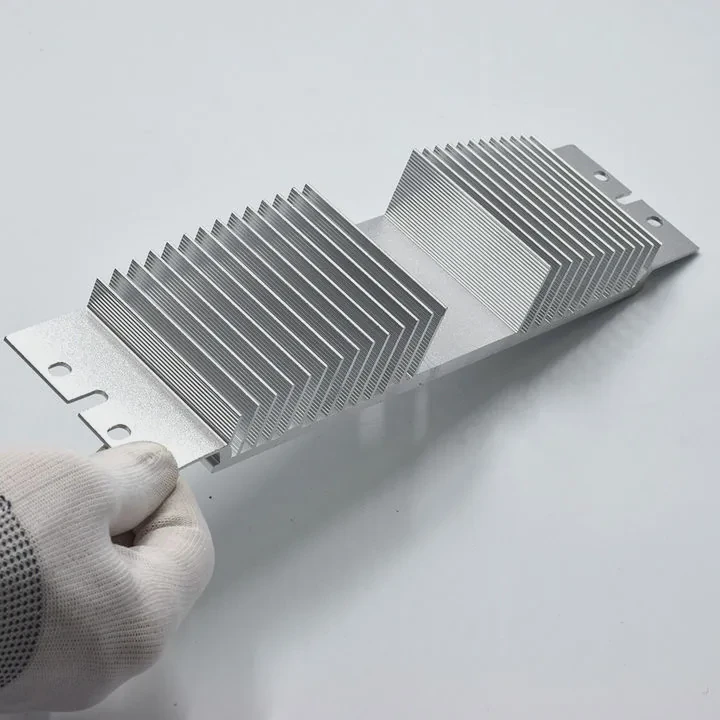
1. Smart Monitoring Systems
Coolers now include temperature, pressure, and flow sensors that alert users when coolant levels drop or flow slows down.
2. AI-Controlled Maintenance Alerts
Software algorithms monitor coolant degradation over time and recommend service schedules automatically.
3. Long-Life Coolants
New formulations can last 3–5 years without replacement, using advanced anti-corrosion and biocide additives.
4. Non-Conductive Fluids
Next-generation dielectric coolants prevent electrical shorting even in case of leaks — a major safety improvement.
5. Eco-Friendly Liquids
Manufacturers are switching to biodegradable, non-toxic fluids to reduce waste and environmental harm.
6. Modular Quick-Disconnect Fittings
Innovative fittings allow safe draining and refilling without dismantling the entire loop.
7. Predictive Maintenance for Data Centers
Industrial cooling systems now use AI to predict degradation and schedule coolant changes before performance drops.
Cooling Maintenance Innovation Overview
| Trend | Description | Key Benefit |
|---|---|---|
| Smart Sensors | Real-time temperature and flow data | Early problem detection |
| AI Alerts | Predictive maintenance | Prevents downtime |
| Long-Life Coolants | 3–5 year lifespan | Fewer replacements |
| Dielectric Fluids | Non-conductive coolants | Leak protection |
| Green Coolants | Eco-safe formulations | Sustainability |
| Quick Fittings | Easy draining and refilling | Time-saving |
The Future of Cooling Maintenance
Next-generation systems will use self-monitoring coolants and AI-driven diagnostics, minimizing human intervention while ensuring optimal performance and sustainability.
Conclusion
Yes, liquid cooling needs periodic replacement. Over time, coolant degrades due to heat, corrosion, and contamination. Replacing it every 1–2 years restores efficiency, prevents damage, and keeps your system looking new. With innovations like smart sensors and long-life eco-friendly fluids, cooling maintenance is becoming easier, smarter, and greener.
TAGS
Latest Articles

Volume discount levels for heat sink orders?
Buyers often ask when heat sink prices start to drop with volume. Many worry they’re overpaying for small orders. This guide explains how B2B volume pricing works for thermal components. Heat sink
21 Dec,2025
Heat sink long-term supply contract options?
Many buyers want stable pricing and reliable delivery for heat sinks. But without a clear contract, risks grow over time. This article explores how to secure better long-term supply deals. Long-term
21 Dec,2025
Tooling cost for new heat sink profiles?
Many engineers struggle to understand why tooling for custom heat sinks costs so much. They worry about budgeting and production timelines. This article breaks down the cost drivers behind tooling.
21 Dec,2025
Heat sink custom sample process steps?
Sometimes, starting a custom heat sink project feels overwhelming—too many steps, too many unknowns, and too many risks. You want a sample, but not endless delays. The process for requesting and
20 Dec,2025
Standard B2B terms for heat sink payments?
When buyers and sellers in B2B heat sink markets talk about payment, many don’t fully understand what’s standard. This can lead to delayed orders, miscommunication, and even lost business
20 Dec,2025
Heat sink pricing factors for large orders?
Heat sinks are vital for many systems. When prices rise, projects stall and budgets break. This problem can hit teams hard without warning. Large order heat sink pricing depends on many factors. You
20 Dec,2025Related Articles
- Is the Xbox One X liquid cooled?
- How much is a liquid cooling system?
- How to cool down liquid quickly?
- How to set up liquid cooling?
- How to set up a liquid CPU cooler?
- How to know if liquid cooler is working?
- What is an all-in-one liquid cooler?
- Who makes liquid cooling systems for data centers?
- What is the liquid in liquid cooling?
- Does the PS5 have liquid cooling?
- How to remove a liquid cooler from your CPU?
- Which is better, air-cooled or liquid-cooled CPU?
Author
Dr. Emily Chen
Chief AI Researcher
Leading expert in thermal dynamics and AI optimization with over 15 years of experience in data center efficiency research.
Categories
Latest Products






Recommend Categories
- Liquid cooling plate Manufacturer
- Industrial Heat Sink Manufacturer
- Standard Heat Sink Manufacturer
- Aluminum Heat Sink Manufacturer
- Copper Heat Sink Manufacturer
- Anodized Heatsink Manufacturer
- Stamping heat sink Manufacturer
- Die Casting Heatsink Manufacturer
- Soldering heat sink Manufacturer
- CNC Parts Manufacturer
Latest Products
- Wholesale Aluminum Radiator
- Water Cooling Plate Kit
- Water Cooling Heat Sink
- Water Cooling Heat Sink Kit
- Stainless Steel Water Distributor
- Server Water Cooling Plate Kit
- Server Liquid Cooling System
- Server Aluminum Cooling Kit
- S19 Full Cover Cooling Plate
- S19 Cooling Plate Kit
- S19 Aluminum Cooling Plate
Contact Expert
Have questions about this article? Reach out to our experts directly.