How much is a liquid cooling system?
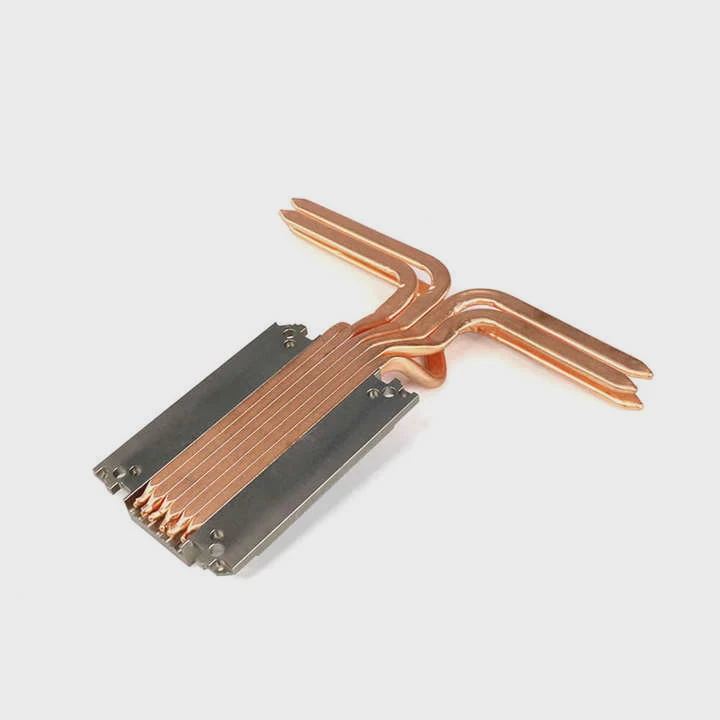
Liquid cooling has become increasingly popular among gamers, engineers, and creators who demand better thermal performance and quieter systems. But before upgrading, it’s important to understand how much it costs and what you get for your investment.
A liquid cooling system typically costs between \(100 and \)500 for consumer setups, while advanced custom or industrial systems can exceed $1,000 depending on components and performance.
The final price depends on design type, materials, brand, and cooling capacity.
What components make up a cooling system?
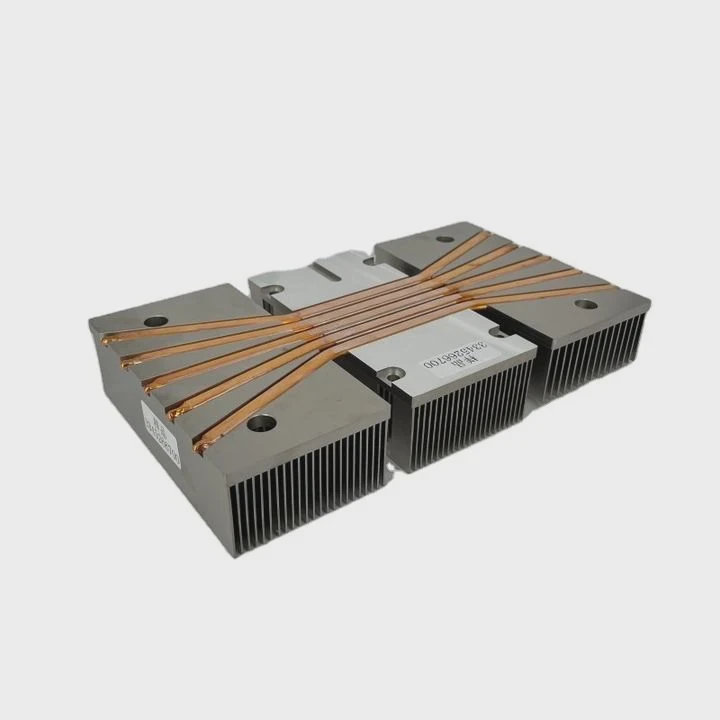
Every liquid cooling system—whether All-in-One (AIO) or custom-built—has a few essential parts that work together to transfer heat efficiently.
A liquid cooling system includes a water block, pump, radiator, fans, tubing, and coolant that collectively absorb, transport, and release heat.
Core Components and Functions
| Component | Function | Typical Cost Range (USD) |
|---|---|---|
| Water Block (Cold Plate) | Absorbs heat from CPU or GPU | \(40–\)150 |
| Pump | Circulates coolant through the system | \(50–\)200 |
| Radiator | Dissipates heat using metal fins and airflow | \(60–\)250 |
| Fans | Move air through the radiator | \(20–\)80 |
| Tubing | Transfers coolant between components | \(10–\)40 |
| Coolant | Transfers and stores heat | \(10–\)30 per liter |
| Reservoir (optional) | Stores extra fluid for larger systems | \(30–\)100 |
System Types and Cost Ranges
| Type | Description | Price Range |
|---|---|---|
| All-In-One (AIO) | Prebuilt, sealed loop—easy to install | \(100–\)300 |
| Custom Loop | User-built with replaceable parts | \(250–\)800+ |
| Industrial/Server Cooling | High-performance or rack-level systems | \(1,000–\)10,000+ |
While AIO coolers are ideal for simplicity, custom loops allow flexibility, better performance, and aesthetic control at a higher cost.
What benefits justify the cost?
Liquid cooling systems can be expensive compared to air coolers, but they offer advantages that justify the investment, especially for demanding users.
Liquid cooling provides superior thermal performance, quieter operation, better hardware longevity, and higher overclocking potential.
Key Advantages
Superior Cooling Efficiency
Liquid transfers heat more effectively than air, keeping CPUs and GPUs at optimal operating temperatures.Quieter Operation
Fans run slower since liquid carries heat more efficiently, significantly reducing system noise.Improved Performance
Cooler components can sustain higher speeds without throttling or instability.Extended Hardware Lifespan
Lower, consistent temperatures reduce stress and degradation over time.Aesthetic and Build Appeal
Custom loops enhance the system’s visual design with clear tubes, colored coolant, and RGB lighting.Scalability
Liquid systems can be expanded to cool multiple components—CPU, GPU, and even memory or storage modules.
Benefit Summary
| Benefit | Description | Impact |
|---|---|---|
| Efficiency | Faster heat transfer | Higher performance |
| Noise Reduction | Quieter than air systems | Better environment |
| Longevity | Prolongs component life | Lower long-term cost |
| Aesthetics | Sleek, customizable look | Premium appeal |
| Scalability | Multi-component cooling | Future-proofing |
For performance enthusiasts, professionals, and industries with thermal-sensitive operations, the investment quickly pays off through better performance and durability.
How to choose cost-effective liquid cooling?
Selecting the right system is about finding a balance between budget, cooling power, and maintenance needs.
To choose cost-effective liquid cooling, match system type to performance requirements, avoid overspecification, and prioritize reliability and warranty support.
Step 1: Define Your Needs
- Gaming and Everyday Use: AIO coolers (120mm–360mm) are affordable and reliable.
- Professional or Overclocked Builds: Consider custom loops for better performance and scalability.
- Industrial or Continuous Use: Use modular liquid cooling with redundant pumps and durable materials.
Step 2: Compare Cooling Capacity vs. Cost
Use the rule of thumb:
Larger radiators = better cooling efficiency = quieter performance.
However, avoid overspending on capacity you won’t fully use.
Step 3: Choose Reliable Brands
Stick to established brands like Corsair, NZXT, EKWB, Thermaltake, or Alphacool for solid warranty coverage and parts availability.
Step 4: Check Compatibility
Ensure the cooler fits your CPU socket and case. Some AIOs are limited by radiator size or tubing length.
Step 5: Focus on Maintenance
Pre-sealed AIOs need little upkeep, while custom loops require periodic cleaning and coolant replacement. If you prefer low maintenance, stick with AIO.
Example: Cost-Effective Setup Options
| User Type | Recommended System | Estimated Cost | Key Benefit |
|---|---|---|---|
| Entry-Level Gamer | 120mm AIO Cooler | $100 | Easy setup |
| Mid-Range User | 240mm AIO Cooler | \(150–\)200 | Balanced performance |
| Enthusiast | Custom Loop (CPU + GPU) | \(400–\)600 | High efficiency |
| Professional | Modular Custom System | $700+ | Scalable performance |
By prioritizing function over luxury, users can find affordable setups that deliver high cooling efficiency without breaking the budget.
What are the pricing trends in cooling systems?
The cooling industry is evolving, with prices shifting due to innovations, global demand, and material costs.
Current pricing trends in liquid cooling show more accessible AIO options, smarter systems with sensors, and sustainable materials that improve value over time.
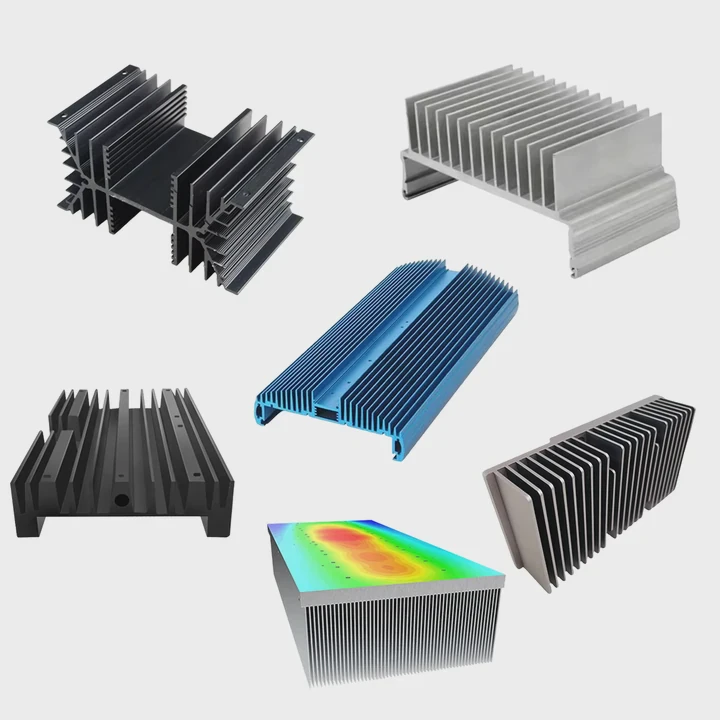
1. Growing Affordability of AIO Systems
Mass production and design refinement have made high-quality AIO coolers cheaper than ever. Entry-level models now start at around \(80–\)100.
2. Smart and AI-Driven Cooling
Premium models now feature AI-controlled pumps and fans, adaptive temperature management, and LCD displays for monitoring — slightly increasing prices but improving control and efficiency.
3. Modular Custom Loops
Manufacturers now offer modular kits with reusable components, reducing long-term costs as users upgrade systems.
4. Eco-Friendly Manufacturing
Sustainable materials and non-toxic coolants are being used more frequently, with minimal price impact.
5. Integration with Smart Software
Systems now connect to apps for real-time performance tracking, adjusting power draw, and reducing noise — a new standard across mid- to high-end models.
Market Pricing Overview
| System Type | Entry-Level | Mid-Range | High-End |
|---|---|---|---|
| AIO Cooler | \(80–\)150 | \(150–\)250 | $300+ |
| Custom Loop | \(250–\)400 | \(400–\)700 | $800+ |
| Industrial System | \(1,000–\)3,000 | \(3,000–\)7,000 | $10,000+ |
The Future of Cooling Costs
As innovation and competition increase, prices will stabilize while performance improves. Expect AIO coolers to remain affordable, while modular and AI-integrated systems set new standards for premium cooling.
Conclusion
Liquid cooling systems range from \(100 AIO setups to \)1,000+ custom or industrial configurations. The investment pays off through higher performance, lower noise, and longer component life. With smarter controls, modular parts, and green coolants, the future of cooling technology promises more value and simplicity at every price point.
TAGS
Latest Articles

Volume discount levels for heat sink orders?
Buyers often ask when heat sink prices start to drop with volume. Many worry they’re overpaying for small orders. This guide explains how B2B volume pricing works for thermal components. Heat sink
21 Dec,2025
Heat sink long-term supply contract options?
Many buyers want stable pricing and reliable delivery for heat sinks. But without a clear contract, risks grow over time. This article explores how to secure better long-term supply deals. Long-term
21 Dec,2025
Tooling cost for new heat sink profiles?
Many engineers struggle to understand why tooling for custom heat sinks costs so much. They worry about budgeting and production timelines. This article breaks down the cost drivers behind tooling.
21 Dec,2025
Heat sink custom sample process steps?
Sometimes, starting a custom heat sink project feels overwhelming—too many steps, too many unknowns, and too many risks. You want a sample, but not endless delays. The process for requesting and
20 Dec,2025
Standard B2B terms for heat sink payments?
When buyers and sellers in B2B heat sink markets talk about payment, many don’t fully understand what’s standard. This can lead to delayed orders, miscommunication, and even lost business
20 Dec,2025
Heat sink pricing factors for large orders?
Heat sinks are vital for many systems. When prices rise, projects stall and budgets break. This problem can hit teams hard without warning. Large order heat sink pricing depends on many factors. You
20 Dec,2025Related Articles
- How to cool down liquid quickly?
- How to set up liquid cooling?
- How to set up a liquid CPU cooler?
- How to know if liquid cooler is working?
- What is AIO liquid cooling?
- What liquid is used for liquid cooling?
- Is the Xbox One X liquid cooled?
- Does liquid cooling need to be replaced?
- What is an all-in-one liquid cooler?
- Who makes liquid cooling systems for data centers?
- What is the liquid in liquid cooling?
- Does the PS5 have liquid cooling?
Author
Dr. Emily Chen
Chief AI Researcher
Leading expert in thermal dynamics and AI optimization with over 15 years of experience in data center efficiency research.
Categories
Latest Products






Recommend Categories
- Liquid cooling plate Manufacturer
- Industrial Heat Sink Manufacturer
- Standard Heat Sink Manufacturer
- Aluminum Heat Sink Manufacturer
- Copper Heat Sink Manufacturer
- Anodized Heatsink Manufacturer
- Stamping heat sink Manufacturer
- Die Casting Heatsink Manufacturer
- Soldering heat sink Manufacturer
- CNC Parts Manufacturer
Latest Products
- Wholesale Aluminum Radiator
- Water Cooling Plate Kit
- Water Cooling Heat Sink
- Water Cooling Heat Sink Kit
- Stainless Steel Water Distributor
- Server Water Cooling Plate Kit
- Server Liquid Cooling System
- Server Aluminum Cooling Kit
- S19 Full Cover Cooling Plate
- S19 Cooling Plate Kit
- S19 Aluminum Cooling Plate
Contact Expert
Have questions about this article? Reach out to our experts directly.