Which is better, air-cooled or liquid-cooled CPU?
When building a PC, one of the first big questions is how to cool your CPU. You can either go with a simple air cooler or a more advanced liquid system. Both options can work well — but each fits a different type of user.
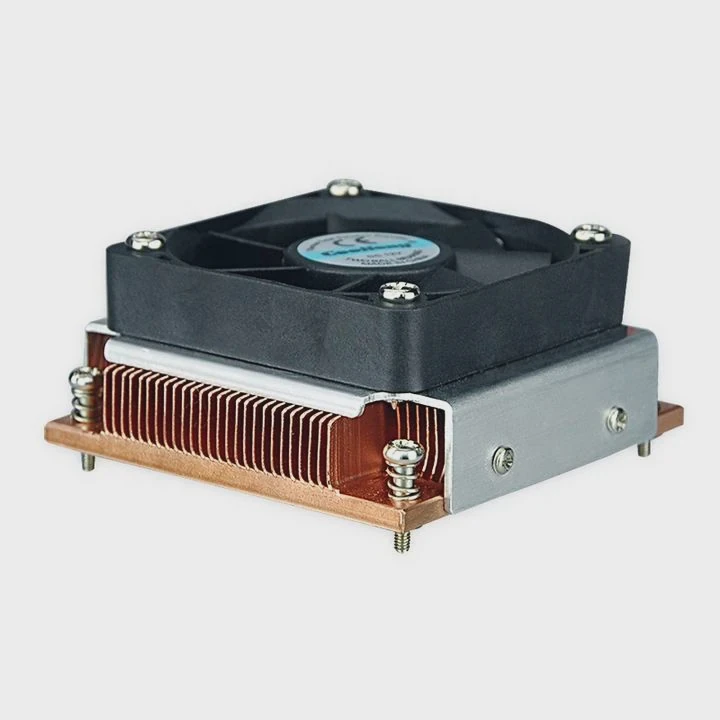
Air-cooled systems use metal heatsinks and fans to move heat away from the CPU, while liquid-cooled systems use a circulating coolant to transfer heat more efficiently to a radiator.
Choosing between them depends on your priorities: cost, noise, performance, and maintenance effort. There’s no one-size-fits-all answer, but understanding the fundamentals helps make the right choice.
What defines air and liquid cooling?
Before deciding which cooling method is “better,” it’s important to know what each system actually does and how it works.
Air cooling uses a heatsink and fan to pull heat from the CPU into the air, while liquid cooling uses a pump, tubes, and radiator to move heat through a coolant.

Air Cooling System
Air coolers consist of:
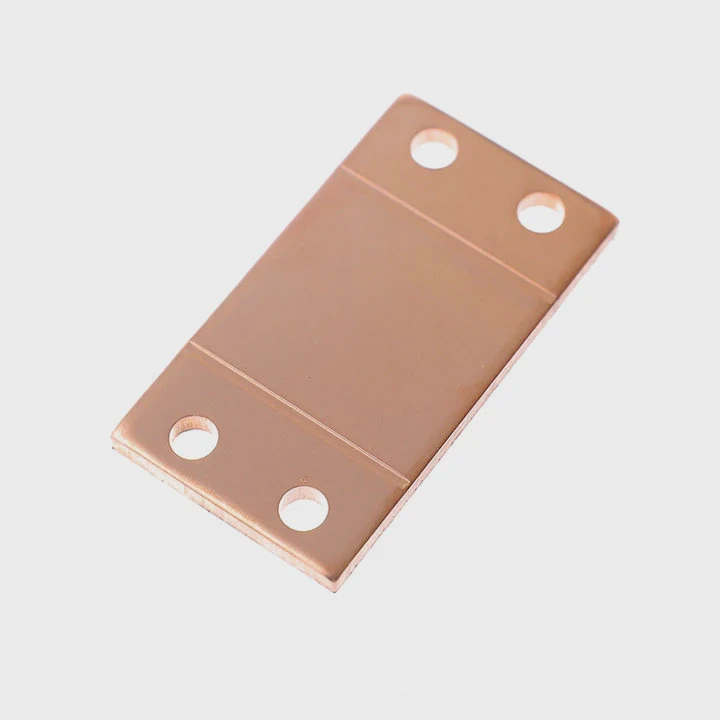
- A baseplate (usually copper) that touches the CPU.
- Heat pipes that spread heat into a fin array.
- A fan that blows air through the fins to dissipate heat.
Air cooling is simple, durable, and easy to install. It relies entirely on airflow within the PC case.
Liquid Cooling System
Liquid cooling includes:
- A water block attached to the CPU.
- A pump that moves coolant through tubes.
- A radiator and fans that expel heat from the liquid.
Liquid coolers can be AIO (All-in-One) systems or custom loops. They provide superior heat transfer and aesthetics but come with higher cost and potential leak risks.
| Feature | Air Cooling | Liquid Cooling |
|---|---|---|
| Main Components | Heatsink, Fan | Pump, Tubes, Radiator, Block |
| Cooling Medium | Air | Coolant (water or glycol mix) |
| Installation | Simple | Moderate to complex |
| Maintenance | Minimal | Requires periodic care |
| Cost | Low | Higher |
In essence, air coolers rely on airflow efficiency, while liquid coolers depend on fluid dynamics and radiator design.
What are the advantages of each?
Both air and liquid coolers can keep a CPU within safe temperature limits, but they shine in different areas.
Air cooling is affordable, reliable, and easy to maintain, while liquid cooling offers superior performance, quieter operation, and cleaner aesthetics.
Air Cooling Advantages
1. Simplicity
Air coolers have no pumps or liquid, so there’s less risk of mechanical failure or leaks. Once installed, they need almost no maintenance.
2. Cost-Effective
They are significantly cheaper than liquid coolers. Even premium air coolers often cost less than entry-level AIO systems.
3. Long Lifespan
High-quality air coolers can last through multiple PC builds. Fans are easily replaceable, and the core heatsink rarely wears out.
Liquid Cooling Advantages
1. Better Thermal Performance
Liquid systems transfer heat more efficiently, keeping CPUs cooler during high-load tasks like gaming, rendering, or overclocking.
2. Lower Noise Levels
Large radiators allow slower fan speeds, making liquid-cooled systems quieter under heavy loads.
3. Aesthetics and Space Management
AIO coolers free up space around the CPU socket and often come with sleek designs and RGB lighting, giving the system a clean, modern look.
Drawbacks Overview
| Cooling Type | Advantages | Drawbacks |
|---|---|---|
| Air | Low cost, reliable, easy setup | Larger size, louder fans, less cooling for high-end CPUs |
| Liquid | Excellent cooling, quieter, stylish | More expensive, risk of leaks, needs maintenance |
In short, air cooling excels in simplicity and value, while liquid cooling leads in performance and appearance.
How to choose between air and liquid cooling?
The right choice depends on your build goals and environment. Budget, noise tolerance, and performance expectations all play a role.
Choose air cooling for budget builds, simplicity, and reliability; choose liquid cooling for high-performance or aesthetic builds needing top thermal control.

Key Decision Factors
1. CPU Power and Heat Output
High-end CPUs (like Intel i9 or AMD Ryzen 9) generate more heat. A 240mm or 360mm liquid cooler handles these loads better than even the largest air coolers.
2. Budget and Maintenance
If you prefer “install and forget,” air cooling wins. Liquid systems may need occasional cleaning or coolant monitoring after long-term use.
3. Case Size and Airflow
Smaller cases may not fit large tower air coolers, but they can mount thin radiators. On the other hand, compact liquid systems fit well in tight spaces with limited airflow.
4. Noise Preference
Liquid coolers can run more quietly at high loads, but at idle, both systems can be equally silent with proper fan curves.
Quick Comparison Table
| Factor | Air Cooling | Liquid Cooling |
|---|---|---|
| Performance | Moderate | Excellent |
| Noise | Moderate | Low |
| Cost | Low | High |
| Maintenance | Very Low | Moderate |
| Risk | Minimal | Potential leaks |
| Aesthetics | Functional | Sleek and customizable |
For most users, a quality air cooler is more than enough. For enthusiasts or overclockers, a liquid cooler unlocks more performance potential.
What are the PC cooling trends in 2025?
Cooling technology keeps evolving as CPUs and GPUs grow more powerful. In 2025, cooling systems are becoming smarter, quieter, and more environmentally responsible.
The latest PC cooling trends focus on hybrid air-liquid systems, AI-based fan control, non-toxic coolants, and improved manufacturing sustainability.
1. Hybrid Cooling Designs
Manufacturers are developing coolers that combine vapor chambers with micro liquid channels, blending the simplicity of air cooling with the efficiency of liquid systems.
2. Smart Fan and Pump Control
AI-driven software can now predict thermal behavior based on workloads. Fans and pumps adjust dynamically for noise and efficiency balance.
3. Advanced Materials
Copper-aluminum composite heatsinks, carbon thermal plates, and graphene-based pastes improve heat conductivity and reduce weight.
4. Eco-Friendly Coolants and Packaging
Brands are moving toward biodegradable coolants and recyclable components to meet environmental regulations and consumer demand for sustainability.
5. Integration with System Monitoring
Modern coolers now feature OLED screens or RGB lighting panels showing real-time temperatures, system stats, and custom graphics.
| 2025 Trend | Description | Impact |
|---|---|---|
| Hybrid Systems | Vapor + micro liquid channels | Better performance, compact design |
| AI Cooling Control | Predictive thermal optimization | Quieter operation |
| Graphene Materials | High thermal conductivity | Faster heat transfer |
| Green Coolants | Non-toxic, low evaporation | Safer and eco-friendly |
| Smart Displays | On-device monitoring | Enhanced user control |
These trends show that cooling is becoming more intelligent and sustainable, not just more powerful. Efficiency, silence, and smart automation are shaping the future of thermal design.
Conclusion
Neither air nor liquid cooling is absolutely better — it depends on your needs. Air coolers offer value and simplicity, while liquid coolers deliver performance and style. As cooling technology evolves in 2025, hybrid and AI-assisted systems promise the best of both worlds: powerful, quiet, and eco-friendly computing.
TAGS
Latest Articles

Volume discount levels for heat sink orders?
Buyers often ask when heat sink prices start to drop with volume. Many worry they’re overpaying for small orders. This guide explains how B2B volume pricing works for thermal components. Heat sink
21 Dec,2025
Heat sink long-term supply contract options?
Many buyers want stable pricing and reliable delivery for heat sinks. But without a clear contract, risks grow over time. This article explores how to secure better long-term supply deals. Long-term
21 Dec,2025
Tooling cost for new heat sink profiles?
Many engineers struggle to understand why tooling for custom heat sinks costs so much. They worry about budgeting and production timelines. This article breaks down the cost drivers behind tooling.
21 Dec,2025
Heat sink custom sample process steps?
Sometimes, starting a custom heat sink project feels overwhelming—too many steps, too many unknowns, and too many risks. You want a sample, but not endless delays. The process for requesting and
20 Dec,2025
Standard B2B terms for heat sink payments?
When buyers and sellers in B2B heat sink markets talk about payment, many don’t fully understand what’s standard. This can lead to delayed orders, miscommunication, and even lost business
20 Dec,2025
Heat sink pricing factors for large orders?
Heat sinks are vital for many systems. When prices rise, projects stall and budgets break. This problem can hit teams hard without warning. Large order heat sink pricing depends on many factors. You
20 Dec,2025Related Articles
- How to remove a liquid cooler from your CPU?
- Does the PS5 have liquid cooling?
- What is the liquid in liquid cooling?
- Who makes liquid cooling systems for data centers?
- What is an all-in-one liquid cooler?
- Does liquid cooling need to be replaced?
- What is a liquid-cooled engine?
- How much does liquid cooling cost?
- What happens when liquid magma is cooled?
- Which is better, air cooler or liquid cooler?
- What is an AIO liquid cooler?
- Does the i9 9900K need liquid cooling?
Author
Dr. Emily Chen
Chief AI Researcher
Leading expert in thermal dynamics and AI optimization with over 15 years of experience in data center efficiency research.
Categories
Latest Products






Recommend Categories
- Liquid cooling plate Manufacturer
- Industrial Heat Sink Manufacturer
- Standard Heat Sink Manufacturer
- Aluminum Heat Sink Manufacturer
- Copper Heat Sink Manufacturer
- Anodized Heatsink Manufacturer
- Stamping heat sink Manufacturer
- Die Casting Heatsink Manufacturer
- Soldering heat sink Manufacturer
- CNC Parts Manufacturer
Latest Products
- Wholesale Aluminum Radiator
- Water Cooling Plate Kit
- Water Cooling Heat Sink
- Water Cooling Heat Sink Kit
- Stainless Steel Water Distributor
- Server Water Cooling Plate Kit
- Server Liquid Cooling System
- Server Aluminum Cooling Kit
- S19 Full Cover Cooling Plate
- S19 Cooling Plate Kit
- S19 Aluminum Cooling Plate
Contact Expert
Have questions about this article? Reach out to our experts directly.