What is the liquid in liquid cooling?
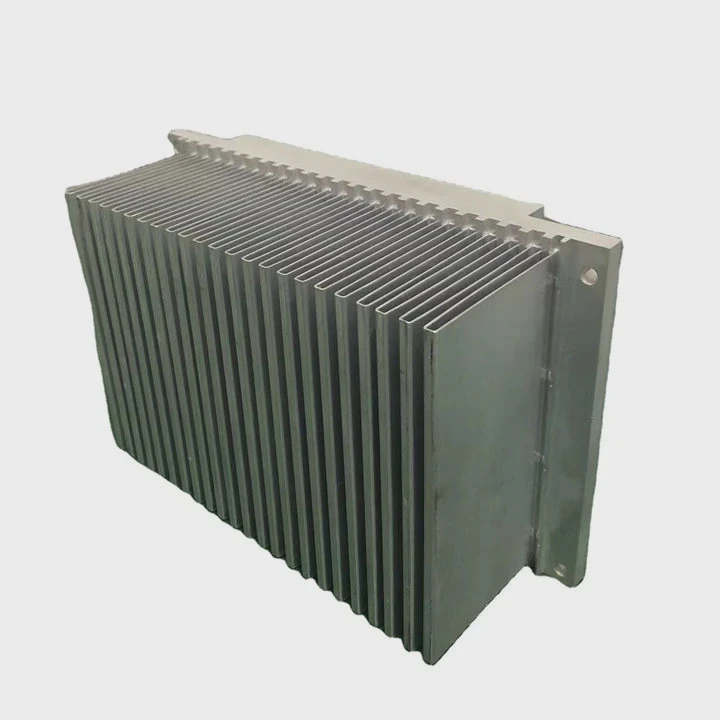
Every liquid cooling system, whether in a gaming PC, industrial setup, or data center, depends on one essential ingredient — the coolant itself. This fluid determines how efficiently heat can be transferred and how reliably the system can operate over time.
The liquid in liquid cooling systems is a thermally conductive fluid, typically a mixture of water and additives like glycol or specialized dielectric compounds, used to absorb and transfer heat.
Choosing the right coolant affects performance, maintenance frequency, and long-term component safety.
What types of liquid are used?
Coolants vary depending on the system’s purpose — from simple water loops in hobby builds to advanced synthetic or dielectric fluids in industrial cooling.
The main types of liquids used in cooling systems are distilled water, glycol-based mixtures, dielectric fluids, and engineered specialty coolants.
Common Coolant Types
| Coolant Type | Description | Typical Use |
|---|---|---|
| Distilled Water | Pure, low-cost, high-thermal conductivity | Consumer PC builds |
| Water-Glycol Mixture | Mix of water and ethylene or propylene glycol | Automotive and industrial systems |
| Dielectric Fluid | Non-conductive synthetic liquid | Immersion cooling or electronics |
| Engineered Coolants | Proprietary fluids with additives | High-performance and commercial setups |
| Nanofluid | Contains thermally conductive nanoparticles | Advanced research or experimental setups |
Each type offers unique advantages depending on system complexity, environment, and safety requirements.
What are their benefits and risks?
While all coolants transfer heat, they differ in chemical stability, conductivity, and compatibility with materials. The wrong choice can lead to corrosion, algae growth, or component damage.
Different liquids provide benefits such as high heat transfer or electrical insulation, but also carry risks like corrosion, leaks, or contamination.
Benefits and Risks by Coolant Type
| Coolant Type | Benefits | Risks |
|---|---|---|
| Distilled Water | Excellent thermal conductivity, cheap | Conductive if contaminated, risk of corrosion |
| Water-Glycol Mix | Anti-freeze protection, anti-corrosion | Slightly lower heat capacity, toxicity (ethylene glycol) |
| Dielectric Fluid | Non-conductive, safe for electronics | Expensive, lower heat transfer efficiency |
| Engineered Coolants | Long life, corrosion inhibitors | Costly, proprietary composition |
| Nanofluid | Superior conductivity | Still experimental, potential sedimentation |
Key Considerations
- Thermal Conductivity – Water-based coolants usually transfer heat most efficiently.
- Electrical Conductivity – Dielectric coolants are essential for immersion systems to prevent shorts.
- Chemical Stability – Additives must resist breakdown at high temperatures.
- Compatibility – The liquid must not react with metals, plastics, or seals.
- Environmental Safety – Some coolants are biodegradable, while others can be hazardous if spilled.
Proper coolant choice ensures the balance between performance and reliability, especially in closed-loop systems.
How to select the right coolant type?
Choosing the correct coolant depends on your system’s heat load, environment, materials, and maintenance capability.
To select the right coolant, evaluate the system’s temperature range, compatibility, safety requirements, and whether electrical insulation is needed.
Step-by-Step Coolant Selection Guide
Step 1: Identify System Type
- Consumer PC or Gaming Rig: Use distilled water or pre-mixed coolants with corrosion inhibitors.
- Industrial or Automotive System: Opt for glycol-water blends for temperature resilience.
- Server or Data Center Cooling: Choose engineered coolants or dielectric fluids for safety and longevity.
Step 2: Consider Thermal Needs
High-performance systems require fluids with excellent heat capacity, while low-power devices can use safer, lower-conductivity fluids.
Step 3: Check Material Compatibility
Confirm the coolant is compatible with your tubing, seals, and metals (copper, aluminum, nickel). Avoid mixed metals when possible.
Step 4: Evaluate Maintenance and Lifespan
If you want minimal maintenance, choose sealed coolants with anti-corrosion and anti-microbial additives.
Step 5: Analyze Environmental and Safety Factors
Choose non-toxic, biodegradable fluids where possible. Avoid ethylene glycol in environments where leaks might occur.
Selection Summary
| System Type | Recommended Coolant | Rationale |
|---|---|---|
| Desktop PC | Pre-mixed water-based | Safe and easy to maintain |
| Automotive | Ethylene glycol mix | Extreme temperature tolerance |
| Industrial | Propylene glycol | Non-toxic and durable |
| Data Center | Dielectric fluid | Non-conductive and long-lasting |
| Research/HPC | Engineered nanofluid | Maximum performance |
Selecting the right coolant ensures efficient heat management while minimizing risk.
What are the new developments in coolant chemistry?
Coolant technology is advancing quickly, focusing on performance, longevity, and environmental sustainability.
Recent developments in coolant chemistry include nanofluids, dielectric advancements, eco-friendly additives, and smart self-monitoring liquids.
1. Nanofluids for Higher Conductivity
Engineers are adding nanoparticles like aluminum oxide, copper, or graphene to enhance thermal conductivity by up to 30%.
2. Advanced Dielectric Coolants
New non-conductive fluids combine high flash points and low viscosity, suitable for immersion cooling of AI and HPC servers.
3. Long-Life Anti-Corrosion Additives
Modern inhibitors prevent oxidation for 3–5 years, reducing maintenance frequency in industrial systems.
4. Biodegradable and Green Coolants
Eco-friendly formulas replace toxic chemicals with plant-based or synthetic biodegradable compounds.
5. Self-Healing and Smart Fluids
Some research coolants can repair micro-contaminations or monitor flow and temperature changes in real time.
6. Hybrid Fluids for Dual-Phase Systems
Two-phase coolants switch between liquid and vapor under heat, maximizing energy efficiency — a trend popular in next-generation data centers.
Innovation Overview
| Trend | Description | Advantage |
|---|---|---|
| Nanofluids | Nanoparticle-enhanced conductivity | Improved performance |
| Dielectric Advances | Safer immersion cooling | Non-conductive & stable |
| Eco Coolants | Biodegradable formulations | Environmental safety |
| Smart Coolants | Sensors and AI integration | Predictive maintenance |
| Dual-Phase Liquids | Phase-change systems | High thermal efficiency |
The Future of Coolants
Tomorrow’s cooling systems will likely use hybrid nanofluids and smart monitoring technology to dynamically manage heat with zero maintenance and minimal environmental impact.
Conclusion
The liquid in liquid cooling systems is far more than water — it’s an engineered thermal solution. Whether it’s distilled water for PCs, glycol blends for industry, or dielectric fluids for data centers, each coolant type serves a distinct purpose. With new advances like nanofluids, smart chemistry, and sustainable formulations, coolant technology continues to evolve toward safer, cleaner, and more efficient heat management.
TAGS
Latest Articles

Volume discount levels for heat sink orders?
Buyers often ask when heat sink prices start to drop with volume. Many worry they’re overpaying for small orders. This guide explains how B2B volume pricing works for thermal components. Heat sink
21 Dec,2025
Heat sink long-term supply contract options?
Many buyers want stable pricing and reliable delivery for heat sinks. But without a clear contract, risks grow over time. This article explores how to secure better long-term supply deals. Long-term
21 Dec,2025
Tooling cost for new heat sink profiles?
Many engineers struggle to understand why tooling for custom heat sinks costs so much. They worry about budgeting and production timelines. This article breaks down the cost drivers behind tooling.
21 Dec,2025
Heat sink custom sample process steps?
Sometimes, starting a custom heat sink project feels overwhelming—too many steps, too many unknowns, and too many risks. You want a sample, but not endless delays. The process for requesting and
20 Dec,2025
Standard B2B terms for heat sink payments?
When buyers and sellers in B2B heat sink markets talk about payment, many don’t fully understand what’s standard. This can lead to delayed orders, miscommunication, and even lost business
20 Dec,2025
Heat sink pricing factors for large orders?
Heat sinks are vital for many systems. When prices rise, projects stall and budgets break. This problem can hit teams hard without warning. Large order heat sink pricing depends on many factors. You
20 Dec,2025Related Articles
- Who makes liquid cooling systems for data centers?
- What is an all-in-one liquid cooler?
- Does liquid cooling need to be replaced?
- Is the Xbox One X liquid cooled?
- How much is a liquid cooling system?
- How to cool down liquid quickly?
- Does the PS5 have liquid cooling?
- How to remove a liquid cooler from your CPU?
- Which is better, air-cooled or liquid-cooled CPU?
- What is a liquid-cooled engine?
- How much does liquid cooling cost?
- What happens when liquid magma is cooled?
Author
Dr. Emily Chen
Chief AI Researcher
Leading expert in thermal dynamics and AI optimization with over 15 years of experience in data center efficiency research.
Categories
Latest Products






Recommend Categories
- Liquid cooling plate Manufacturer
- Industrial Heat Sink Manufacturer
- Standard Heat Sink Manufacturer
- Aluminum Heat Sink Manufacturer
- Copper Heat Sink Manufacturer
- Anodized Heatsink Manufacturer
- Stamping heat sink Manufacturer
- Die Casting Heatsink Manufacturer
- Soldering heat sink Manufacturer
- CNC Parts Manufacturer
Latest Products
- Wholesale Aluminum Radiator
- Water Cooling Plate Kit
- Water Cooling Heat Sink
- Water Cooling Heat Sink Kit
- Stainless Steel Water Distributor
- Server Water Cooling Plate Kit
- Server Liquid Cooling System
- Server Aluminum Cooling Kit
- S19 Full Cover Cooling Plate
- S19 Cooling Plate Kit
- S19 Aluminum Cooling Plate
Contact Expert
Have questions about this article? Reach out to our experts directly.