Who makes liquid cooling systems for data centers?
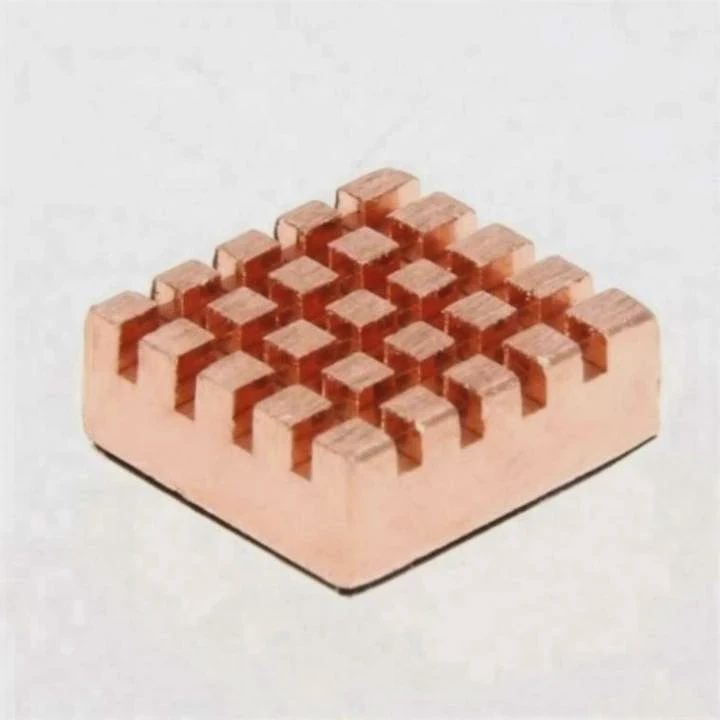
As global computing demand grows, data centers face higher heat loads from dense AI servers and HPC clusters. Efficient cooling has become mission-critical for performance and sustainability.
Data center liquid cooling systems are produced by major providers such as Vertiv, Schneider Electric, Supermicro, Asetek, and Daikin, offering solutions from cold plates to immersion systems.
These companies lead the transition from air cooling to high-efficiency liquid-cooled infrastructure.
What is data center liquid cooling?
Traditional air cooling struggles to handle today’s high-power servers. Liquid cooling, however, uses fluids to directly absorb and transport heat, delivering better performance at lower energy costs.
Data center liquid cooling is a technology that removes heat using liquids instead of air, through methods like direct-to-chip cooling, rear-door heat exchangers, or full immersion systems.
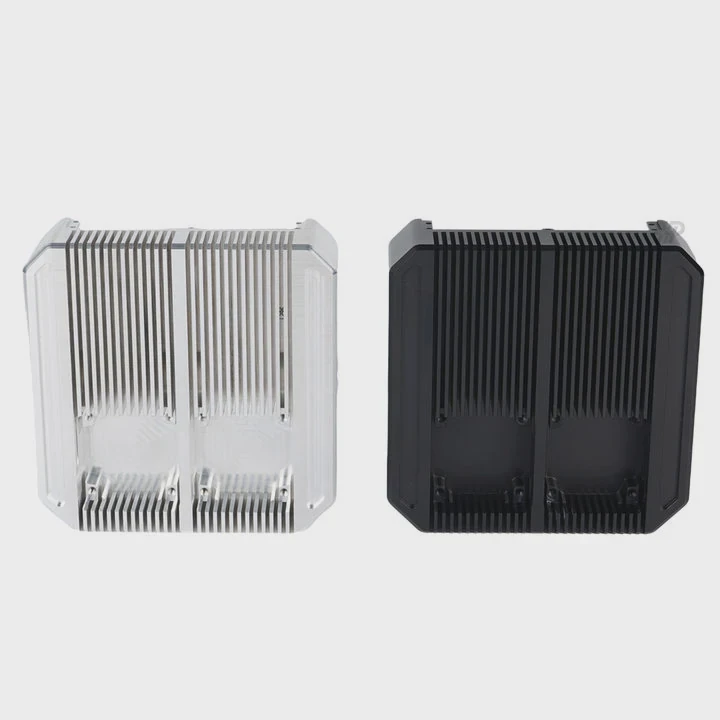
Main Cooling Methods
| Type | Description | Typical Use |
|---|---|---|
| Direct-to-Chip Cooling | Liquid flows through plates mounted on CPUs/GPUs | HPC, AI servers |
| Rear-Door Heat Exchangers | Rack doors with liquid-cooled panels absorb hot air | Retrofit data centers |
| Immersion Cooling | Servers submerged in dielectric fluid | High-density computing |
| Cold Plate Cooling | Flat metal blocks transfer heat to coolant directly | Blade and GPU servers |
Liquid cooling offers up to 10× higher heat transfer capacity than air and can support racks exceeding 100 kW in power density.
What are its benefits for large-scale servers?
As data centers expand and workloads intensify, cooling becomes a major cost factor. Switching to liquid cooling brings measurable efficiency and operational gains.
Liquid cooling improves thermal control, reduces power consumption, increases server density, and enables sustainable operation through heat reuse.
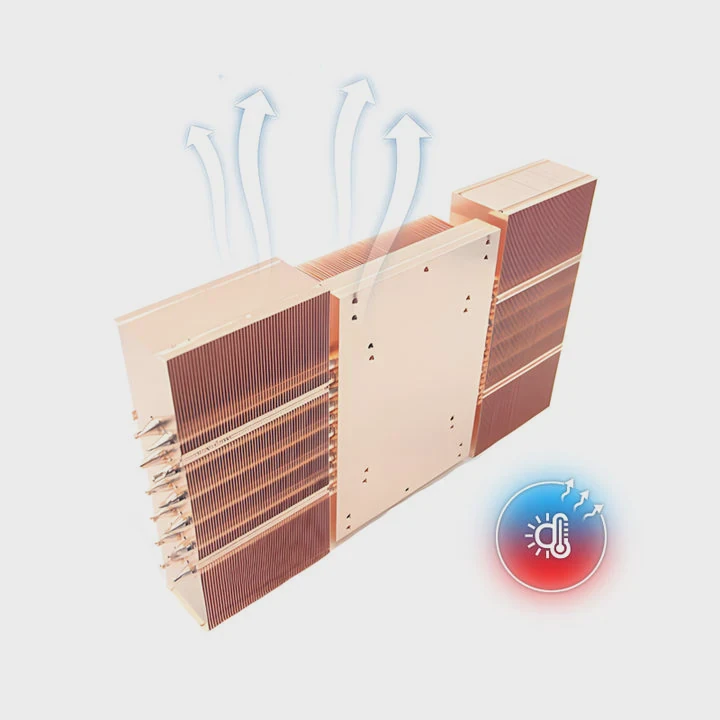
Key Benefits
Higher Compute Density
Liquid systems allow more servers per rack by removing heat faster and more evenly.Better Energy Efficiency
Reduces chiller load and fan power, improving Power Usage Effectiveness (PUE).Stable Thermal Performance
Keeps CPUs and GPUs under consistent temperatures for longer uptime.Smaller Footprint
With more cooling per rack, facilities need less floor space.Heat Reuse Potential
Warm coolant can be used to heat nearby facilities, improving energy circularity.
Benefit Comparison
| Feature | Air Cooling | Liquid Cooling |
|---|---|---|
| Efficiency | Moderate | Very High |
| Power Density | Up to 20 kW/rack | 80–100 kW+ |
| Maintenance | Regular filters | Minimal |
| Noise | High | Low |
| Energy Recovery | Limited | Possible |
These gains make liquid cooling essential for AI clusters, cloud workloads, and next-generation data infrastructure.
How do major companies implement it?
Major manufacturers and data center operators have adopted liquid cooling across multiple levels of their infrastructure.
Companies like Vertiv, Schneider Electric, and Supermicro integrate liquid cooling using direct-to-chip loops, immersion tanks, and modular distribution systems.
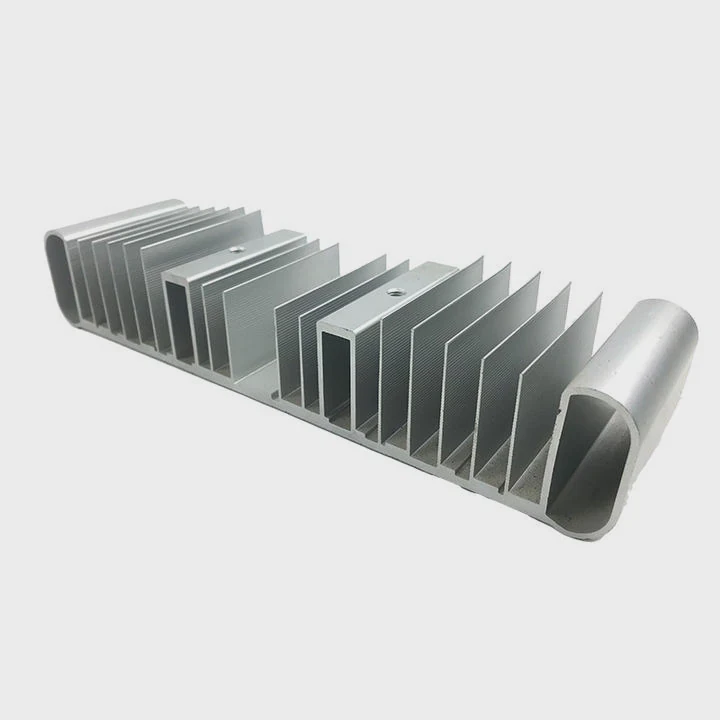
Leading Industry Implementations
- Vertiv – Offers complete solutions with coolant distribution units (CDUs), rear-door heat exchangers, and cold plates.
- Schneider Electric – Integrates EcoStruxure management and hybrid cooling systems that mix air and liquid.
- Supermicro – Builds rack-scale servers designed for liquid flow, supporting high-wattage GPUs.
- Asetek – Specializes in direct-to-chip cooling solutions for HPC and AI server nodes.
- Daikin – Provides industrial-scale liquid chillers and precision fluid control for hyperscale data centers.
Example Implementation Steps
| Step | Description | Goal |
|---|---|---|
| 1 | Assess server density and heat load | Define liquid cooling need |
| 2 | Install CDUs and pipework | Enable fluid circulation |
| 3 | Integrate cold plates or immersion tanks | Transfer heat efficiently |
| 4 | Monitor with sensors | Ensure safety and stability |
| 5 | Optimize heat reuse | Improve energy efficiency |
These implementations show that liquid cooling can coexist with air-based systems, creating hybrid environments that optimize cost and performance.
What are the trends in enterprise cooling?
The global data center market is evolving quickly, and cooling technology is one of its most innovative areas.
Current trends in enterprise cooling include AI-driven optimization, modular systems, immersion cooling, sustainable materials, and higher-temperature liquid loops for heat recovery.
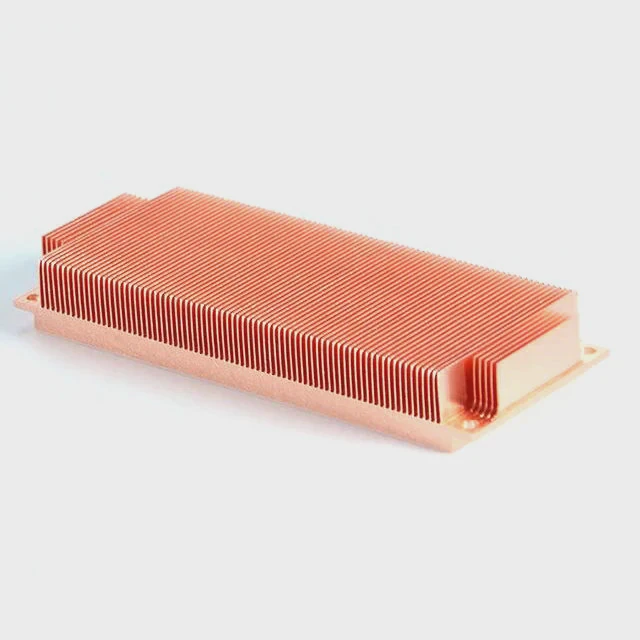
1. Hybrid Cooling Models
Many facilities combine air and liquid systems to balance cost and retrofitting complexity.
2. AI-Based Thermal Management
Machine learning tools predict heat generation and automatically adjust pump speeds or flow rates.
3. Immersion Cooling Expansion
Fully submerged servers in dielectric fluids reduce both fan noise and power draw.
4. Waste Heat Recovery
Next-generation systems use warm liquid to heat nearby buildings or water systems.
5. Modular and Prefabricated Cooling Pods
Prefabricated, scalable cooling modules simplify deployment and expansion.
6. Eco-Friendly Fluids
Manufacturers are introducing biodegradable, non-toxic coolants that maintain high thermal conductivity.
Cooling Trend Overview
| Trend | Description | Main Benefit |
|---|---|---|
| Hybrid Systems | Combined air/liquid systems | Easier retrofits |
| AI Optimization | Predictive pump/fan control | Smarter efficiency |
| Immersion Cooling | Servers in dielectric fluid | Ultra-high density |
| Heat Reuse | Energy recycling | Sustainability |
| Modular Systems | Prefabricated cooling units | Fast deployment |
| Eco Coolants | Non-toxic formulations | Green operation |
These developments signal a shift toward greener, smarter, and more adaptable cooling technologies that align with global sustainability goals.
Conclusion
Leading companies like Vertiv, Schneider Electric, Supermicro, and Daikin are redefining data center cooling with liquid-based systems. Liquid cooling offers higher energy efficiency, greater compute density, and the potential for heat reuse. As enterprise workloads grow and AI computing expands, the industry is rapidly moving toward hybrid and fully liquid-cooled systems that are modular, intelligent, and environmentally sustainable.
TAGS
Latest Articles

Volume discount levels for heat sink orders?
Buyers often ask when heat sink prices start to drop with volume. Many worry they’re overpaying for small orders. This guide explains how B2B volume pricing works for thermal components. Heat sink
21 Dec,2025
Heat sink long-term supply contract options?
Many buyers want stable pricing and reliable delivery for heat sinks. But without a clear contract, risks grow over time. This article explores how to secure better long-term supply deals. Long-term
21 Dec,2025
Tooling cost for new heat sink profiles?
Many engineers struggle to understand why tooling for custom heat sinks costs so much. They worry about budgeting and production timelines. This article breaks down the cost drivers behind tooling.
21 Dec,2025
Heat sink custom sample process steps?
Sometimes, starting a custom heat sink project feels overwhelming—too many steps, too many unknowns, and too many risks. You want a sample, but not endless delays. The process for requesting and
20 Dec,2025
Standard B2B terms for heat sink payments?
When buyers and sellers in B2B heat sink markets talk about payment, many don’t fully understand what’s standard. This can lead to delayed orders, miscommunication, and even lost business
20 Dec,2025
Heat sink pricing factors for large orders?
Heat sinks are vital for many systems. When prices rise, projects stall and budgets break. This problem can hit teams hard without warning. Large order heat sink pricing depends on many factors. You
20 Dec,2025Related Articles
- What is an all-in-one liquid cooler?
- Does liquid cooling need to be replaced?
- Is the Xbox One X liquid cooled?
- How much is a liquid cooling system?
- How to cool down liquid quickly?
- How to set up liquid cooling?
- What is the liquid in liquid cooling?
- Does the PS5 have liquid cooling?
- How to remove a liquid cooler from your CPU?
- Which is better, air-cooled or liquid-cooled CPU?
- What is a liquid-cooled engine?
- How much does liquid cooling cost?
Author
Dr. Emily Chen
Chief AI Researcher
Leading expert in thermal dynamics and AI optimization with over 15 years of experience in data center efficiency research.
Categories
Latest Products






Recommend Categories
- Liquid cooling plate Manufacturer
- Industrial Heat Sink Manufacturer
- Standard Heat Sink Manufacturer
- Aluminum Heat Sink Manufacturer
- Copper Heat Sink Manufacturer
- Anodized Heatsink Manufacturer
- Stamping heat sink Manufacturer
- Die Casting Heatsink Manufacturer
- Soldering heat sink Manufacturer
- CNC Parts Manufacturer
Latest Products
- Wholesale Aluminum Radiator
- Water Cooling Plate Kit
- Water Cooling Heat Sink
- Water Cooling Heat Sink Kit
- Stainless Steel Water Distributor
- Server Water Cooling Plate Kit
- Server Liquid Cooling System
- Server Aluminum Cooling Kit
- S19 Full Cover Cooling Plate
- S19 Cooling Plate Kit
- S19 Aluminum Cooling Plate
Contact Expert
Have questions about this article? Reach out to our experts directly.