How to remove a liquid cooler from your CPU?
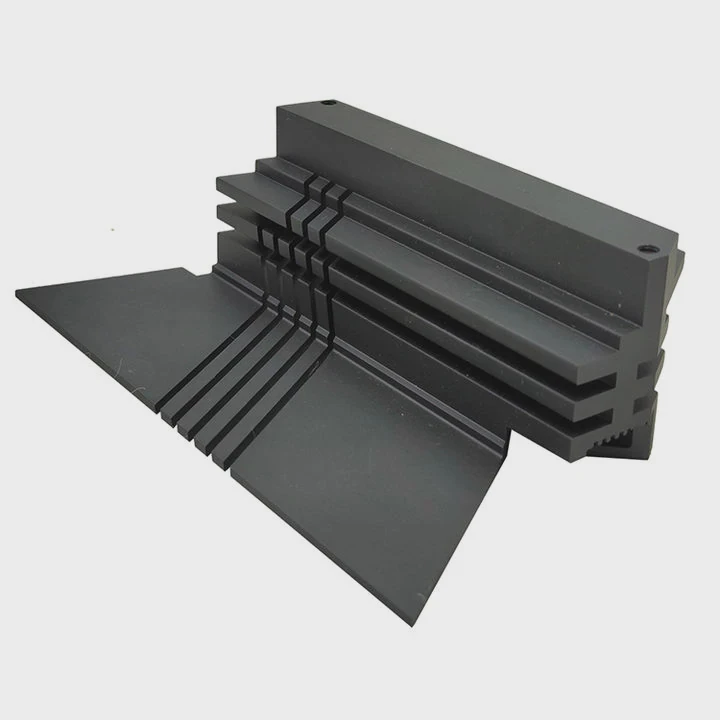
Liquid coolers are excellent for managing CPU temperatures, but sometimes you need to remove them — maybe for cleaning, replacing thermal paste, or upgrading to a new system. Many users rush this process and risk damaging components.
To remove a liquid cooler safely, you must power down the system, drain or disconnect the cooler carefully, detach mounting hardware evenly, and clean thermal paste without applying force on the CPU.
A patient, step-by-step approach ensures that you protect both the cooler and the processor during the process.
What is involved in cooler removal?
Removing a liquid cooler is more than unscrewing a few parts. It requires understanding how the cooler is mounted, how the fluid tubes are positioned, and how the thermal interface connects the cooler to the CPU.
Cooler removal involves several stages: system shutdown, cable and pump disconnection, bracket unscrewing, and careful separation from the CPU surface.
Key Steps Involved
| Step | Description | Tools Needed |
|---|---|---|
| 1. Power Off and Unplug | Shut down and unplug all power cables | None |
| 2. Drain or Disconnect | If custom loop, drain coolant before detaching | Drain kit, tubing |
| 3. Remove Fan and Radiator | Unscrew fans and radiator mounts | Screwdriver |
| 4. Detach CPU Block | Loosen mounting screws diagonally | Screwdriver |
| 5. Clean Thermal Paste | Wipe CPU and block with alcohol wipes | Isopropyl alcohol, lint-free cloth |
Important Notes
Always discharge static electricity before touching components. Avoid pulling on coolant tubes — they can tear or leak if stressed. Support the radiator when removing the CPU block so it doesn’t drop or twist the hoses.
A structured removal process avoids spills, scratches, and damage to the motherboard sockets.
What are the benefits of careful removal?
Many users underestimate how delicate the CPU cooler interface is. Rushing the removal can lead to cracked CPU edges, pulled pins, or leaks.
Careful removal protects your CPU and motherboard, keeps your cooler reusable, and ensures clean contact surfaces for the next installation.
Main Benefits
1. Avoiding CPU Damage
When a cooler has been attached for months, the thermal paste hardens and creates strong adhesion. If you twist or pull suddenly, the CPU may lift out of its socket. Careful, gradual removal prevents this.
2. Preserving Cooler Reusability
Many liquid coolers can be reused on new systems. Keeping mounting brackets and hoses intact saves money on future upgrades.
3. Ensuring Clean Reinstallation
By removing the cooler slowly, you avoid spilling old paste or dust into the socket. A clean contact surface ensures proper heat transfer when reinstalling.
4. Preventing Leaks
Tugging hoses or forcing fittings can loosen seals. Gentle detachment maintains internal pressure and prevents future leaks when reused.
| Benefit | Description | Result |
|---|---|---|
| CPU Protection | Prevents chip or socket damage | Longer CPU lifespan |
| Cooler Longevity | Avoids cracked hoses or fittings | Reusable cooler |
| Clean Reapplication | Keeps thermal contact smooth | Better cooling efficiency |
| Safety | Prevents spills or shocks | Stable operation |
Removing a cooler carefully is not only about avoiding accidents — it’s about preparing the system for reliable operation afterward.
How to safely detach the liquid cooler?
Safe removal is about method and patience. Whether it’s an all-in-one (AIO) cooler or a custom loop, the principle remains the same: take it slow, and plan your steps.
To detach a liquid cooler safely, disconnect all power, remove radiator screws first, loosen CPU block diagonally, and twist gently to break thermal paste adhesion before lifting.
Step-by-Step Process
Step 1: Power Down
Turn off the PC and disconnect the power cord. Press the power button once to discharge any remaining electricity.
Step 2: Disconnect Pump and Fans
Unplug the pump header and all fan connectors from the motherboard or controller. Mark cables if needed.
Step 3: Remove Radiator and Fans
Unscrew the radiator and fans from the case. Hold it firmly to prevent stress on the tubes.
Step 4: Loosen CPU Block Evenly
Loosen the mounting screws diagonally — one corner at a time. This ensures even pressure release and prevents warping.
Step 5: Break the Seal Gently
Twist the CPU block slightly left and right before lifting it. This motion helps break the suction caused by dried thermal paste.
Step 6: Clean Surfaces
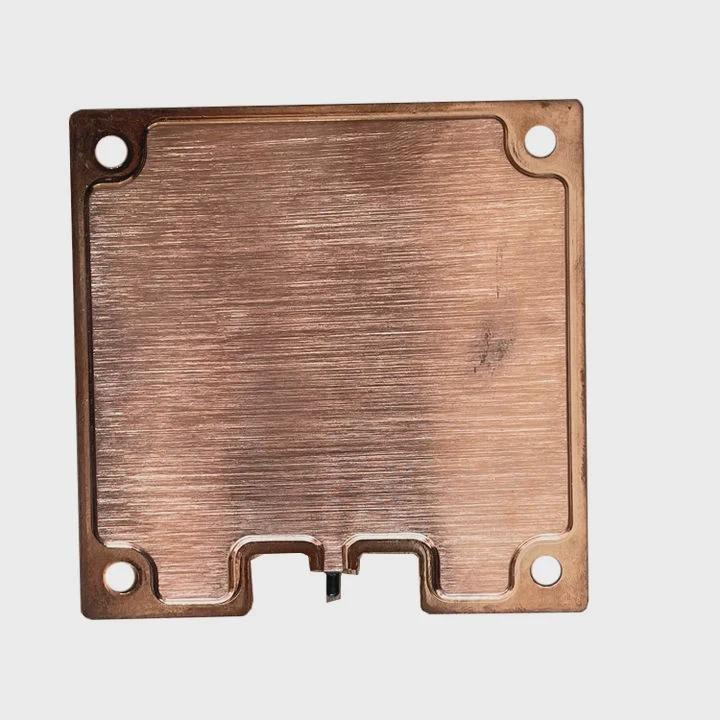
Use a soft lint-free cloth and isopropyl alcohol (90% or higher) to clean old thermal paste from the CPU and cooler contact plate.
Step 7: Inspect Components
Check for any coolant residue, cracked fittings, or bent pins. Clean everything before reinstalling or storing the cooler.
Pro Tips
- Use nitrile gloves to avoid fingerprints on metal surfaces.
- Place removed screws in a labeled tray.
- Never tilt a cooler with liquid inside too sharply; small air bubbles can move into the pump chamber.
Safe removal ensures both the CPU and cooler remain in perfect condition for future use.
What are the upgrade trends for coolers?
Cooling technology is evolving rapidly as CPUs get hotter and more power-hungry. Modern coolers are not only more efficient but also easier to maintain and install.
The latest upgrade trends include modular AIO systems, AI-controlled pumps, low-evaporation tubing, and eco-friendly coolants designed for long-term reliability.
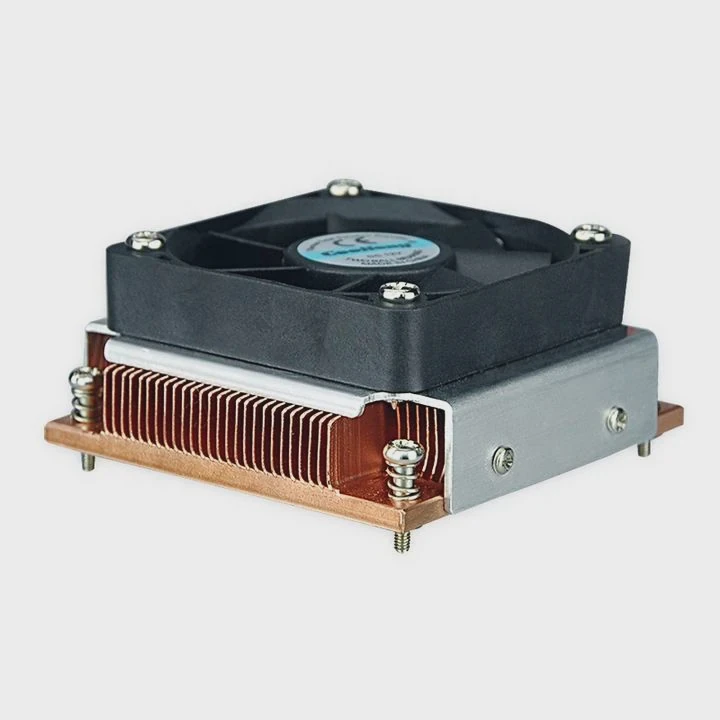
1. Modular AIO Coolers
Manufacturers are introducing semi-custom AIO coolers that can be expanded with extra radiators or GPU blocks. This offers flexibility similar to full custom loops but with easier setup.
2. AI and Sensor-Based Control
Smart pumps and fan controllers adjust speed based on real-time CPU load and coolant temperature. This reduces noise and extends cooler lifespan.
3. Low-Evaporation Tubing
Older coolers suffered from fluid evaporation over years of use. New fluoropolymer-based hoses nearly eliminate this, maintaining pressure and performance longer.
4. Sustainable and Biodegradable Coolants
Coolant formulas are now shifting toward non-toxic, recyclable mixtures that reduce environmental impact while keeping corrosion resistance strong.
5. Design and RGB Integration
Beyond performance, aesthetics now play a key role. Customizable lighting, display panels showing temperatures, and cleaner tubing designs dominate the new market trend.
| Trend | Description | Key Benefit |
|---|---|---|
| Modular AIO | Expandable components | Flexible upgrades |
| AI Control | Smart thermal response | Quieter systems |
| Low-Evap Tubes | Sealed pressure stability | Longer life |
| Green Coolants | Eco-safe chemistry | Sustainable cooling |
| Integrated Displays | Real-time data | User-friendly monitoring |
As CPUs become more power-dense, coolers evolve from simple heat solutions into intelligent thermal systems. The future points toward quieter, smarter, and more sustainable cooling technologies.
Conclusion
Removing a liquid cooler requires patience and precision. By following proper steps — powering down, loosening brackets evenly, and cleaning surfaces — you can protect your CPU and extend your cooler’s life. With cooling technology evolving fast, safe handling today means easier upgrades tomorrow.
TAGS
Latest Articles

Volume discount levels for heat sink orders?
Buyers often ask when heat sink prices start to drop with volume. Many worry they’re overpaying for small orders. This guide explains how B2B volume pricing works for thermal components. Heat sink
21 Dec,2025
Heat sink long-term supply contract options?
Many buyers want stable pricing and reliable delivery for heat sinks. But without a clear contract, risks grow over time. This article explores how to secure better long-term supply deals. Long-term
21 Dec,2025
Tooling cost for new heat sink profiles?
Many engineers struggle to understand why tooling for custom heat sinks costs so much. They worry about budgeting and production timelines. This article breaks down the cost drivers behind tooling.
21 Dec,2025
Heat sink custom sample process steps?
Sometimes, starting a custom heat sink project feels overwhelming—too many steps, too many unknowns, and too many risks. You want a sample, but not endless delays. The process for requesting and
20 Dec,2025
Standard B2B terms for heat sink payments?
When buyers and sellers in B2B heat sink markets talk about payment, many don’t fully understand what’s standard. This can lead to delayed orders, miscommunication, and even lost business
20 Dec,2025
Heat sink pricing factors for large orders?
Heat sinks are vital for many systems. When prices rise, projects stall and budgets break. This problem can hit teams hard without warning. Large order heat sink pricing depends on many factors. You
20 Dec,2025Related Articles
- Does the PS5 have liquid cooling?
- What is the liquid in liquid cooling?
- Who makes liquid cooling systems for data centers?
- What is an all-in-one liquid cooler?
- Does liquid cooling need to be replaced?
- Is the Xbox One X liquid cooled?
- Which is better, air-cooled or liquid-cooled CPU?
- What is a liquid-cooled engine?
- How much does liquid cooling cost?
- What happens when liquid magma is cooled?
- Which is better, air cooler or liquid cooler?
- What is an AIO liquid cooler?
Author
Dr. Emily Chen
Chief AI Researcher
Leading expert in thermal dynamics and AI optimization with over 15 years of experience in data center efficiency research.
Categories
Latest Products






Recommend Categories
- Liquid cooling plate Manufacturer
- Industrial Heat Sink Manufacturer
- Standard Heat Sink Manufacturer
- Aluminum Heat Sink Manufacturer
- Copper Heat Sink Manufacturer
- Anodized Heatsink Manufacturer
- Stamping heat sink Manufacturer
- Die Casting Heatsink Manufacturer
- Soldering heat sink Manufacturer
- CNC Parts Manufacturer
Latest Products
- Wholesale Aluminum Radiator
- Water Cooling Plate Kit
- Water Cooling Heat Sink
- Water Cooling Heat Sink Kit
- Stainless Steel Water Distributor
- Server Water Cooling Plate Kit
- Server Liquid Cooling System
- Server Aluminum Cooling Kit
- S19 Full Cover Cooling Plate
- S19 Cooling Plate Kit
- S19 Aluminum Cooling Plate
Contact Expert
Have questions about this article? Reach out to our experts directly.