Does the PS5 have liquid cooling?
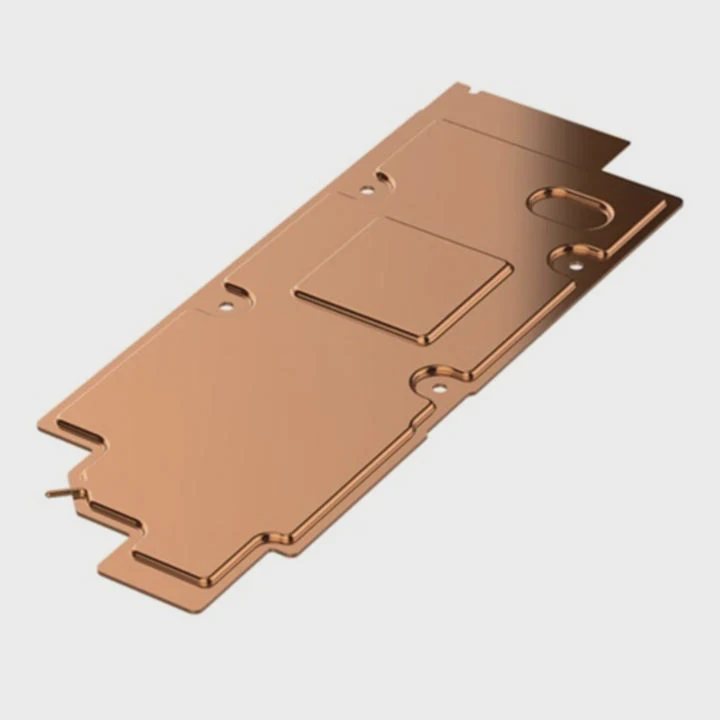
Many people assume that the PlayStation 5, with its powerful hardware, must use a high-end liquid cooling system like gaming PCs do. But the truth might surprise you.
The PS5 does not use a traditional liquid cooling system. Instead, it uses a large vapor chamber and heat pipe structure that mimics the performance of liquid cooling through phase-change heat transfer.
This design allows Sony to cool the CPU and GPU efficiently while keeping the console compact, quiet, and easy to maintain.
The PS5’s cooling approach represents a hybrid between air and liquid methods — not pure water-based cooling, but still relying on fluid-phase changes inside sealed heat pipes.
What is the PS5 cooling system?
Cooling is one of the most critical parts of any gaming console. A powerful processor means nothing if it overheats and throttles. Sony invested heavily in thermal engineering for the PS5.
The PS5 cooling system combines a vapor chamber-style heat pipe with a high-performance fan, thermal paste, and a metal heat spreader to manage heat across the system efficiently.
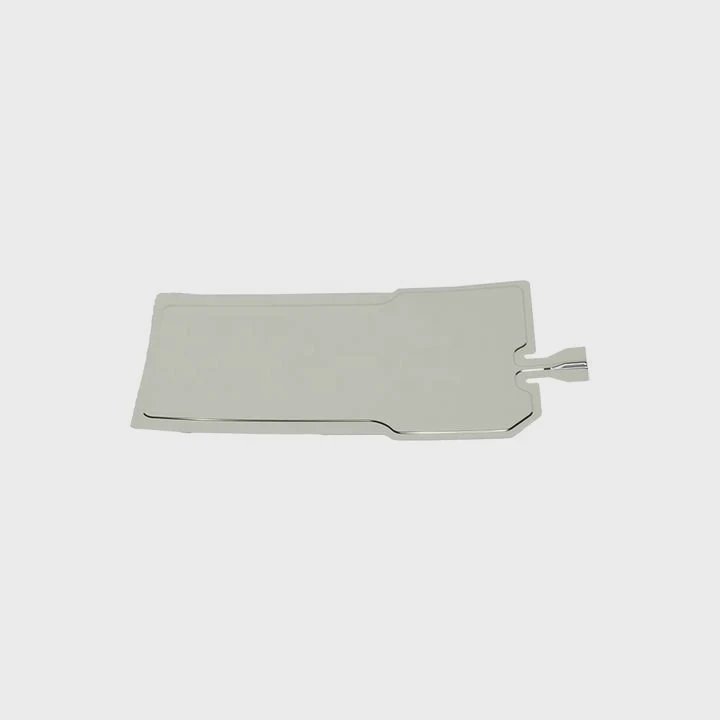
Inside the PS5 Cooling Structure
The PS5 uses several elements working together:
| Component | Function | Description |
|---|---|---|
| Vapor Chamber | Transfers heat from CPU/GPU | Uses phase-change vapor flow inside sealed metal channels |
| Dual-Sided Heatsink | Expands surface area | Allows better air contact for faster cooling |
| 120mm Axial Fan | Forces air through heatsink | Large, quiet fan design |
| Liquid Metal TIM | Improves heat conduction | Fills microscopic gaps between chip and heatsink |
| Airflow Ducting | Guides cool air | Optimizes temperature balance between components |
How It Works
The vapor chamber spreads heat evenly, while the fan moves air through the fins to dissipate it. The “liquid” in this system is sealed inside the vapor chamber, not accessible or refillable. This is different from custom liquid cooling loops used in PCs.
Sony chose liquid metal as the thermal interface material (TIM) for the CPU. This choice offers exceptional conductivity but also requires strict sealing to prevent corrosion or leaks.
This system delivers stable performance and low noise — something gamers value much more than raw cooling power alone.
What are the advantages of liquid cooling for consoles?
Modern consoles like the PS5 are very close in performance to gaming PCs. Naturally, people wonder if true liquid cooling would make them even better.
Liquid cooling in consoles could provide quieter operation, better thermal headroom, and longer component life — but it adds complexity, cost, and maintenance challenges.
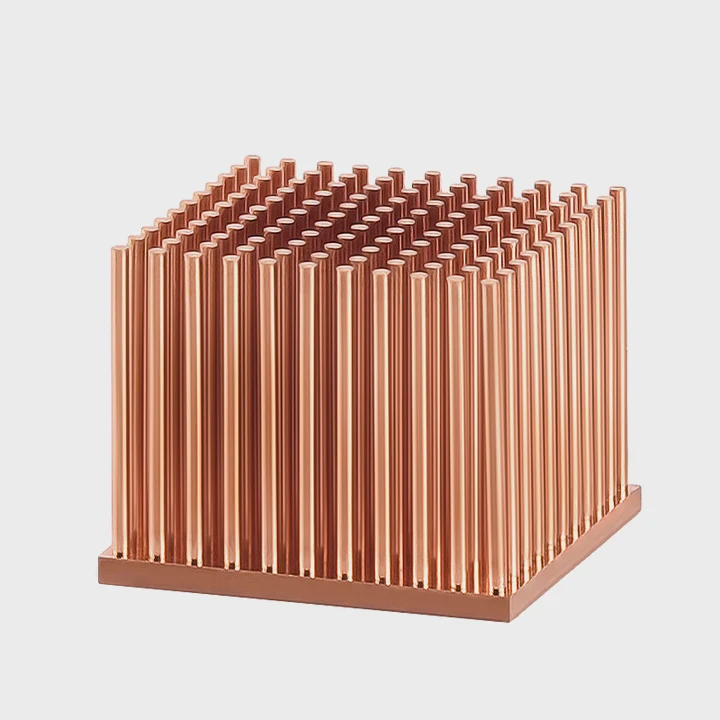
Key Advantages
1. Lower Temperatures
Liquid coolants can carry more heat than air, keeping processors cooler under load. This could allow consoles to run at higher performance levels for longer periods.
2. Reduced Fan Noise
Because liquid systems transfer heat efficiently, fans don’t need to spin as fast, which means quieter operation — perfect for living room setups.
3. Improved Reliability
Lower temperatures can extend the life of chips, capacitors, and solder joints, reducing long-term failures due to thermal fatigue.
4. Compact Thermal Design
Liquid cooling can make systems thinner by relocating heat exchangers and radiators away from the core components.
But There Are Trade-offs
| Factor | Advantage | Drawback |
|---|---|---|
| Temperature | Lower CPU/GPU temps | Requires pump and maintenance |
| Noise | Quieter fans | More potential points of failure |
| Cost | Premium performance | Higher production cost |
| Safety | Sealed systems possible | Leak risk if not sealed correctly |
In short, while liquid cooling has clear benefits, its complexity makes it less ideal for mass-produced consumer electronics like consoles.
How to compare PS5 cooling with PC systems?
PC enthusiasts often compare console cooling systems to custom water-cooled rigs. The two systems have similar goals but very different design philosophies.
The PS5 cooling system is optimized for compact efficiency and silence, while PC cooling systems focus on flexibility, performance, and customization.

Design Philosophy
| Feature | PS5 | Gaming PC |
|---|---|---|
| Cooling Type | Vapor chamber + air | Air, AIO liquid, or custom loop |
| Size Constraint | Very compact | Variable |
| Noise Target | Very low | User-configurable |
| Serviceability | Minimal | High (user can modify) |
| Lifespan Focus | Long-term sealed reliability | Upgrade flexibility |
Performance Comparison
PS5 Cooling:
- Designed for one specific hardware layout.
- Optimized airflow path and fan curve.
- Uses liquid metal for direct chip contact.
- Maintains stable performance under sustained gaming loads.
PC Cooling:
- Can include 240–360mm radiators and open-loop systems.
- Allows for overclocking and manual fan control.
- More efficient in raw cooling, but less standardized.
While custom PC loops outperform PS5 cooling in raw capacity, the PS5’s integrated vapor system achieves excellent results for its size. It’s a clear example of smart thermal design over brute-force cooling.
What are the trends in console thermal design?
Gaming consoles evolve with every generation, not just in graphics power but also in how they manage heat. With higher power demands and smaller form factors, new cooling strategies are essential.
The latest trends in console thermal design focus on hybrid cooling, advanced materials, AI-based fan control, and environmentally friendly manufacturing.
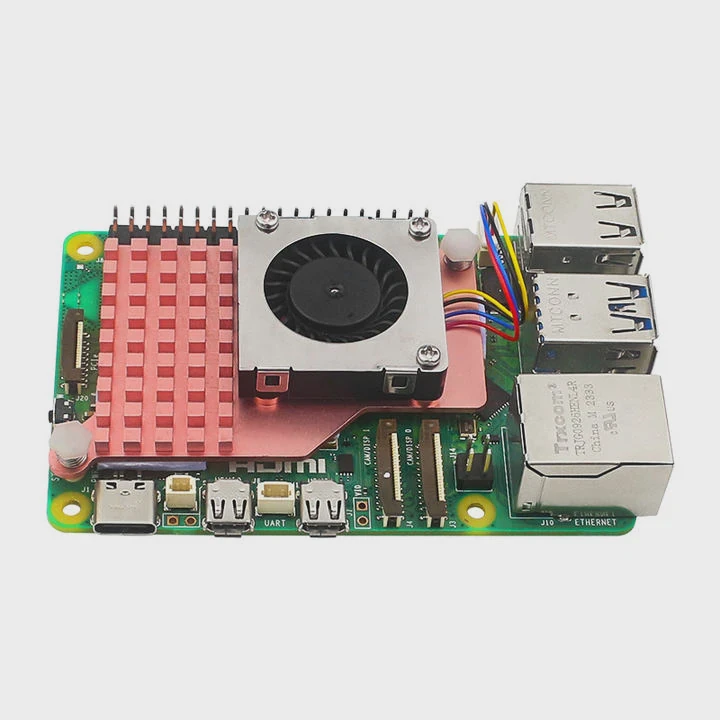
1. Hybrid and Vapor-Based Systems
Future consoles may combine vapor chambers with mini liquid loops for better performance. This could allow for thinner designs without loud fans.
2. Smart Fan and AI Control
Modern consoles already monitor temperatures in real time. AI-driven fan control will predict temperature changes and adjust airflow proactively, keeping noise minimal.
3. Eco-Friendly Cooling Materials
Manufacturers are developing coolants and thermal materials that are recyclable or biodegradable, reducing environmental impact.
4. Modular Cooling Design
Future systems might allow easy fan or heatsink replacements, improving lifespan and reducing waste.
5. Phase-Change and Nanofluid Integration
Next-generation consoles could use phase-change fluids or nanofluids inside sealed chambers, improving heat transfer without adding mechanical pumps.
Industry Outlook
| Trend | Benefit | Market Adoption |
|---|---|---|
| Vapor + Liquid Hybrid | High performance, low noise | Early R&D |
| AI Fan Algorithms | Adaptive cooling | Increasing |
| Sustainable Coolants | Lower environmental impact | Moderate |
| Modular Design | Easier repair, lower cost | Growing interest |
As consoles push into higher performance zones, cooling will define their reliability and acoustics. Efficient thermal management will remain the silent hero behind immersive gaming.
Conclusion
The PS5 does not have a liquid cooling loop like gaming PCs, but it uses advanced vapor chamber and liquid metal technology that achieves similar efficiency. The future of console cooling will likely blend these innovations, moving toward smarter, quieter, and more sustainable designs.
TAGS
Latest Articles

Volume discount levels for heat sink orders?
Buyers often ask when heat sink prices start to drop with volume. Many worry they’re overpaying for small orders. This guide explains how B2B volume pricing works for thermal components. Heat sink
21 Dec,2025
Heat sink long-term supply contract options?
Many buyers want stable pricing and reliable delivery for heat sinks. But without a clear contract, risks grow over time. This article explores how to secure better long-term supply deals. Long-term
21 Dec,2025
Tooling cost for new heat sink profiles?
Many engineers struggle to understand why tooling for custom heat sinks costs so much. They worry about budgeting and production timelines. This article breaks down the cost drivers behind tooling.
21 Dec,2025
Heat sink custom sample process steps?
Sometimes, starting a custom heat sink project feels overwhelming—too many steps, too many unknowns, and too many risks. You want a sample, but not endless delays. The process for requesting and
20 Dec,2025
Standard B2B terms for heat sink payments?
When buyers and sellers in B2B heat sink markets talk about payment, many don’t fully understand what’s standard. This can lead to delayed orders, miscommunication, and even lost business
20 Dec,2025
Heat sink pricing factors for large orders?
Heat sinks are vital for many systems. When prices rise, projects stall and budgets break. This problem can hit teams hard without warning. Large order heat sink pricing depends on many factors. You
20 Dec,2025Related Articles
- What is the liquid in liquid cooling?
- Who makes liquid cooling systems for data centers?
- What is an all-in-one liquid cooler?
- Does liquid cooling need to be replaced?
- Is the Xbox One X liquid cooled?
- How much is a liquid cooling system?
- How to remove a liquid cooler from your CPU?
- Which is better, air-cooled or liquid-cooled CPU?
- What is a liquid-cooled engine?
- How much does liquid cooling cost?
- What happens when liquid magma is cooled?
- Which is better, air cooler or liquid cooler?
Author
Dr. Emily Chen
Chief AI Researcher
Leading expert in thermal dynamics and AI optimization with over 15 years of experience in data center efficiency research.
Categories
Latest Products






Recommend Categories
- Liquid cooling plate Manufacturer
- Industrial Heat Sink Manufacturer
- Standard Heat Sink Manufacturer
- Aluminum Heat Sink Manufacturer
- Copper Heat Sink Manufacturer
- Anodized Heatsink Manufacturer
- Stamping heat sink Manufacturer
- Die Casting Heatsink Manufacturer
- Soldering heat sink Manufacturer
- CNC Parts Manufacturer
Latest Products
- Wholesale Aluminum Radiator
- Water Cooling Plate Kit
- Water Cooling Heat Sink
- Water Cooling Heat Sink Kit
- Stainless Steel Water Distributor
- Server Water Cooling Plate Kit
- Server Liquid Cooling System
- Server Aluminum Cooling Kit
- S19 Full Cover Cooling Plate
- S19 Cooling Plate Kit
- S19 Aluminum Cooling Plate
Contact Expert
Have questions about this article? Reach out to our experts directly.