Does PS5 have liquid cooling?
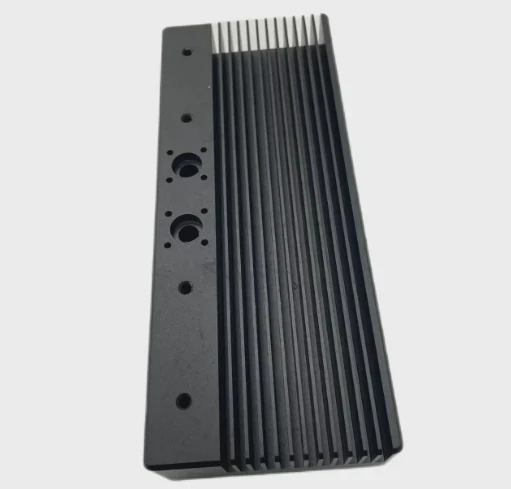
Many people think the PS5 must use liquid cooling because of its quiet and powerful performance. But that’s not exactly true.
The PlayStation 5 does not use a liquid cooling system; it relies on advanced air cooling with a large heat sink, liquid metal compound, and high-performance fan.
Still, Sony’s thermal design is one of the best among modern consoles, delivering cooling efficiency close to some liquid-cooled PCs. Let’s explore how it works and how it compares to other systems.
What cooling system does the PS5 use?
When you see how slim and quiet the PS5 runs, you might wonder how it handles heat from its CPU and GPU without water pipes or pumps.
The PS5 uses a hybrid air cooling system with a vapor chamber–style heat sink, liquid metal thermal interface, and a dual-sided fan for balanced airflow.

Inside the PS5 Cooling System
Sony redesigned its thermal system from scratch for the PS5. Instead of using water or coolant, it focuses on airflow and efficient heat transfer.
| Component | Function |
|---|---|
| Liquid Metal | Replaces traditional thermal paste, improving heat conductivity between the chip and heat sink. |
| Heat Sink with Vapor Chamber Design | Spreads heat evenly across a wide surface area using phase-change vapor circulation. |
| 120mm Dual-Sided Fan | Pulls air from both sides for consistent cooling of all components. |
| Airflow Path | Moves air over the power supply, SSD, and memory modules, cooling everything in one loop. |
Why It Works So Well
The use of liquid metal is key. This metal alloy (gallium-based) conducts heat about 10 times better than regular thermal paste. It helps the APU (CPU + GPU chip) transfer heat efficiently into the massive aluminum and copper heat sink.
The vapor chamber structure acts much like a liquid cooling system—but without actual liquid circulation or a pump. It uses phase change within sealed channels to spread heat evenly, giving high-end performance without maintenance.
In short, the PS5’s cooling is air-based, but it borrows principles from liquid systems for efficiency.
What are the benefits of liquid cooling for consoles?
Many gaming enthusiasts ask whether consoles should move to full liquid cooling like gaming PCs. The benefits are clear in theory—but not always necessary.
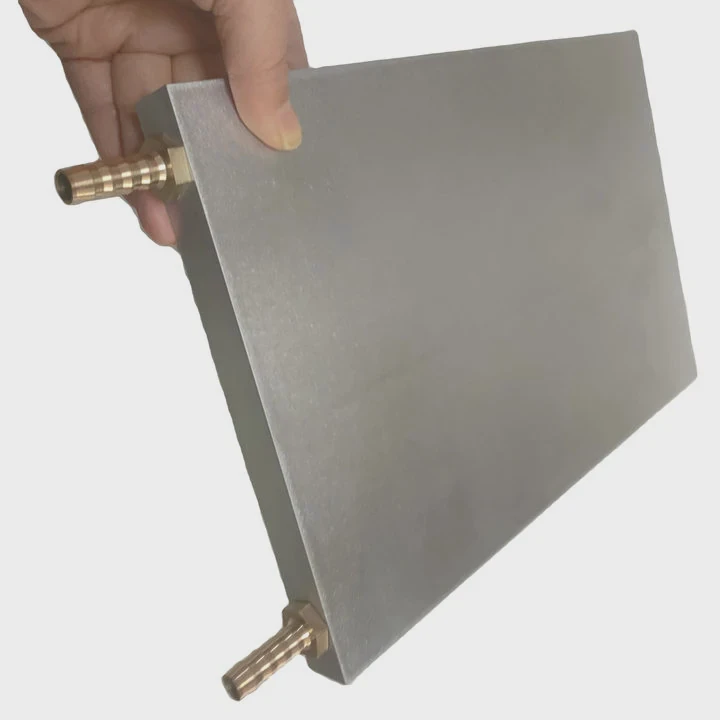
Liquid cooling in consoles can offer lower noise, improved temperature stability, and longer component lifespan, especially under heavy gaming loads.
Why It Matters
Consoles are compact and often run hot because of limited airflow. In this space, even small temperature drops can improve performance stability and fan noise.
| Benefit | Explanation |
|---|---|
| Lower Temperatures | A liquid system transfers heat more effectively than air, reducing peak CPU/GPU temps. |
| Reduced Noise | Fans don’t need to spin as fast, resulting in a quieter gaming experience. |
| Higher Performance Consistency | Prevents thermal throttling that can reduce frame rates. |
| Extended Hardware Life | Stable temperatures reduce wear on chips, fans, and power components. |
| Better Overclocking Potential | Advanced cooling allows higher clock speeds safely. |
Why Consoles Rarely Use It
Liquid cooling adds cost, weight, and maintenance risks. Consoles are designed for mass production and simple user handling, so reliability matters more than raw performance.
However, some modders and small console manufacturers have experimented with external cooling docks or custom liquid loops. These setups can drop temperatures by 10–15°C but are not practical for most users.
For the average gamer, Sony’s air-based system already offers a great balance between silence, cost, and performance—close enough to liquid efficiency.
How to compare PS5 cooling with PCs?
It’s fair to ask how the PS5’s innovative cooling stacks up against a custom-built gaming PC with liquid cooling. The answer depends on several factors, including chip design and cooling area.
Compared to PCs, the PS5’s air cooling matches mid-range liquid-cooled systems in efficiency due to its optimized airflow and liquid metal interface.
Cooling Efficiency Comparison
Here’s a simplified comparison between PS5 and PC cooling setups:
| Feature | PS5 Cooling System | Typical PC Liquid Cooling |
|---|---|---|
| Type | Air with vapor chamber | Liquid with radiator and pump |
| Thermal Interface | Liquid metal | Thermal paste or liquid metal |
| Noise Level | 25–35 dB under load | 20–40 dB under load |
| Maintenance | None | Occasional refill/check |
| Temperature Range | 60–75°C | 50–65°C |
| Longevity | 7–10 years (sealed design) | Depends on coolant and pump life |
Real-World Differences
Liquid cooling PCs can push more heat because they handle overclocked CPUs and GPUs with higher wattage. Consoles, by contrast, are optimized for stable, fixed performance. So even if the PS5 runs a bit hotter, it maintains consistent performance within its power envelope.
The key takeaway: The PS5 achieves near–liquid-cooled performance without the complexity of a custom water loop. That’s impressive for a system that costs less than most PC coolers alone.
Design Philosophy
Sony’s design focuses on efficiency per watt, not just raw cooling power. By controlling airflow precisely and using liquid metal, they’ve managed to balance performance, cost, and reliability in a way few consumer PCs do.
What are console cooling trends in 2025?
As games get more demanding and chips become smaller yet more powerful, console cooling technology continues to evolve rapidly.
In 2025, console cooling trends focus on hybrid systems, eco-friendly materials, smart fan control, and compact vapor chamber designs.
Trend 1: Hybrid Air-Liquid Designs
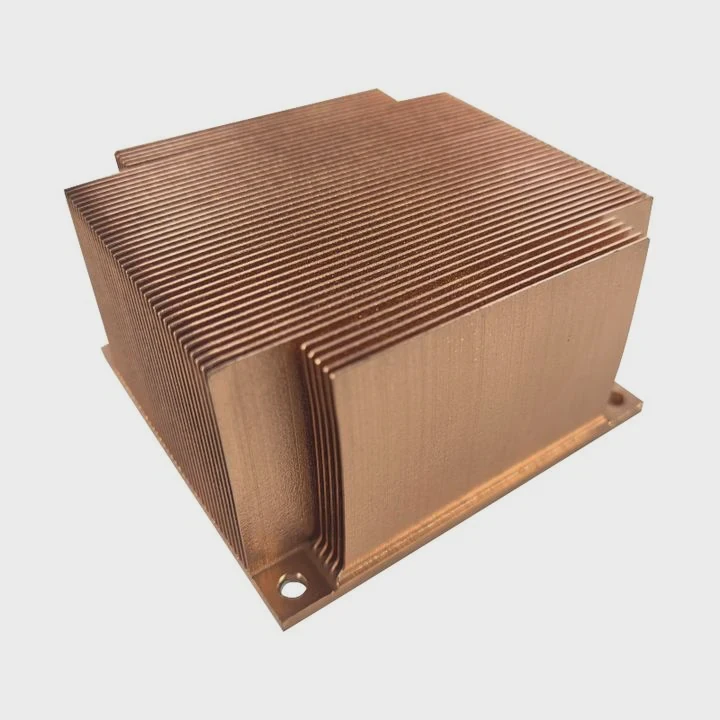
Manufacturers are experimenting with sealed hybrid loops—a mix between air and liquid cooling. These small, maintenance-free systems use internal liquid channels but work like air coolers externally. It’s the best of both worlds.
Trend 2: AI-Controlled Cooling
AI and machine learning are now being used to predict heat buildup. By analyzing gameplay patterns, the cooling system adjusts fan curves and power delivery before components overheat. This predictive system improves both performance and fan acoustics.
Trend 3: Eco-Friendly Coolants and Materials
Environmental concerns are driving changes in manufacturing. In 2025, new consoles may use non-toxic coolants and recyclable aluminum heat sinks. These reduce environmental impact and production costs.
Trend 4: Modular Cooling Systems
Future consoles might allow users to upgrade or replace cooling modules. A detachable fan assembly or plug-in vapor chamber could extend console life and simplify repairability, similar to how laptops have modular fans today.
Trend 5: Quiet Gaming Environments
Gamers now expect silence. Sony and Microsoft are investing in acoustic optimization, including fan blade redesign, vibration damping, and dynamic airflow channels. These technologies aim to make consoles almost silent even at peak performance.
Trend 6: Compact Efficiency
The next generation of consoles may use graphene-based heat spreaders—ultra-thin materials that conduct heat better than copper. This would allow slimmer designs without thermal compromise, a key goal for portable or slim console editions.
Looking Ahead
By 2025 and beyond, we will likely see AI-optimized cooling, self-cleaning fans, and smart airflow control that adapts to ambient room temperature. The goal is clear: more power, less noise, zero maintenance.
Conclusion
The PS5 may not use liquid cooling, but it achieves impressive thermal performance through a smart air system and liquid metal innovation. Its design blends simplicity, silence, and stability. While PCs still lead in raw cooling power, the PS5 proves that with clever engineering, consoles can stay cool, quiet, and efficient even under next-gen gaming loads.
TAGS
Latest Articles

Volume discount levels for heat sink orders?
Buyers often ask when heat sink prices start to drop with volume. Many worry they’re overpaying for small orders. This guide explains how B2B volume pricing works for thermal components. Heat sink
21 Dec,2025
Heat sink long-term supply contract options?
Many buyers want stable pricing and reliable delivery for heat sinks. But without a clear contract, risks grow over time. This article explores how to secure better long-term supply deals. Long-term
21 Dec,2025
Tooling cost for new heat sink profiles?
Many engineers struggle to understand why tooling for custom heat sinks costs so much. They worry about budgeting and production timelines. This article breaks down the cost drivers behind tooling.
21 Dec,2025
Heat sink custom sample process steps?
Sometimes, starting a custom heat sink project feels overwhelming—too many steps, too many unknowns, and too many risks. You want a sample, but not endless delays. The process for requesting and
20 Dec,2025
Standard B2B terms for heat sink payments?
When buyers and sellers in B2B heat sink markets talk about payment, many don’t fully understand what’s standard. This can lead to delayed orders, miscommunication, and even lost business
20 Dec,2025
Heat sink pricing factors for large orders?
Heat sinks are vital for many systems. When prices rise, projects stall and budgets break. This problem can hit teams hard without warning. Large order heat sink pricing depends on many factors. You
20 Dec,2025Related Articles
- What is the best AIO liquid cooler?
- How to refill CPU liquid cooler?
- Is liquid cooling better than air cooling Reddit?
- Is liquid cooling GPU worth it?
- How to install liquid CPU cooling system?
- How does a CPU liquid cooler work?
- How to fill a liquid CPU cooler?
- How to liquid cool a CPU?
- How to make sure liquid cooling is working?
- Does a liquid CPU cooler need thermal paste?
- How to replace CPU liquid cooler?
- What liquid is in water cooling?
Author
Dr. Emily Chen
Chief AI Researcher
Leading expert in thermal dynamics and AI optimization with over 15 years of experience in data center efficiency research.
Categories
Latest Products






Recommend Categories
- Liquid cooling plate Manufacturer
- Industrial Heat Sink Manufacturer
- Standard Heat Sink Manufacturer
- Aluminum Heat Sink Manufacturer
- Copper Heat Sink Manufacturer
- Anodized Heatsink Manufacturer
- Stamping heat sink Manufacturer
- Die Casting Heatsink Manufacturer
- Soldering heat sink Manufacturer
- CNC Parts Manufacturer
Latest Products
- Wholesale Aluminum Radiator
- Water Cooling Plate Kit
- Water Cooling Heat Sink
- Water Cooling Heat Sink Kit
- Stainless Steel Water Distributor
- Server Water Cooling Plate Kit
- Server Liquid Cooling System
- Server Aluminum Cooling Kit
- S19 Full Cover Cooling Plate
- S19 Cooling Plate Kit
- S19 Aluminum Cooling Plate
Contact Expert
Have questions about this article? Reach out to our experts directly.