What liquid is in water cooling?
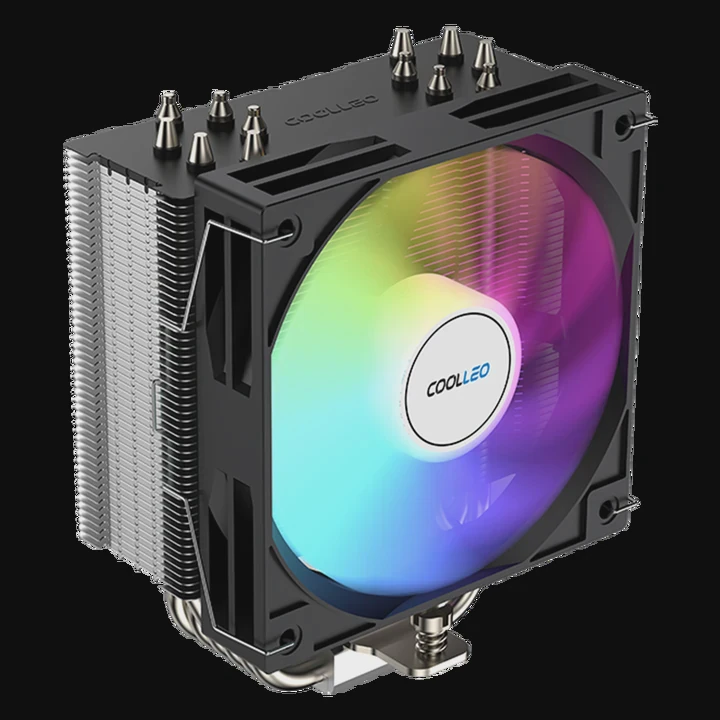
Many people think water cooling systems only use plain water, but that’s not true.
Water cooling systems use specialized liquids, including distilled water, glycol-based coolants, and dielectric fluids, each designed for better heat transfer and corrosion protection.
Choosing the right liquid is vital. The wrong choice can cause poor cooling, corrosion, or even system failure. Let’s explore the main liquid types, their pros and cons, and what’s new in cooling fluid technology.
What types of liquids are used in water cooling?
There’s more than one kind of “water” used in a cooling loop. Each has different performance and maintenance characteristics.
The most common liquids for water cooling are distilled water, premixed coolants, glycol blends, and dielectric fluids used in advanced systems.
1. Distilled Water
Distilled water is purified to remove minerals, ions, and contaminants. It’s the simplest and cheapest option.
- Advantages: Excellent thermal conductivity, low cost, easy to find.
- Disadvantages: Lacks corrosion inhibitors, may grow algae over time without additives.
2. Premixed Coolants
These are ready-to-use liquids made by cooling manufacturers. They include water, anti-corrosion chemicals, and biocides.
- Advantages: Convenient, long-lasting, protects metal parts, comes in various colors.
- Disadvantages: Slightly more expensive, and color dyes can stain over time.
3. Glycol-Based Coolants
Used often in automotive systems, these contain ethylene glycol or propylene glycol mixed with water. They improve freeze protection and longevity.
- Advantages: Prevent freezing and microbial growth, extend system life.
- Disadvantages: Lower heat capacity than water, thicker fluid can reduce flow.
4. Dielectric Fluids
These are non-conductive liquids used for full immersion cooling or high-end data centers.
- Advantages: Safe for electronics, no risk of short circuits, excellent insulation.
- Disadvantages: Very expensive, complex to handle, not needed for most PCs.
5. Nanofluids (emerging)
Nanofluids contain nanoparticles like aluminum oxide or copper. They promise faster heat transfer than traditional liquids.
- Advantages: High thermal efficiency, innovative for advanced systems.
- Disadvantages: Costly, not yet widely available or stable for long-term use.
Liquid type summary
| Liquid Type | Heat Transfer | Corrosion Protection | Cost | Maintenance | Use Case |
|---|---|---|---|---|---|
| Distilled Water | Excellent | None | Low | High | Basic or DIY loops |
| Premixed Coolant | Good | Strong | Medium | Low | Consumer systems |
| Glycol Blend | Moderate | Strong | Medium | Medium | Cold environments |
| Dielectric Fluid | Good | Excellent | High | Low | Industrial, server |
| Nanofluid | Superior | Unknown | Very High | Experimental | Research systems |
Each liquid type fits a specific need — from budget-friendly to industrial-grade performance.
What are their advantages and disadvantages?
Different cooling liquids behave differently under heat, flow, and time.
Water-based liquids excel in heat transfer, while glycol and dielectric types offer protection and stability at the cost of conductivity and flow rate.

Advantages of distilled and premixed liquids
- High heat conductivity: Water absorbs and transfers heat faster than any other liquid used in PC cooling.
- Low viscosity: It flows easily, reducing pump strain.
- Easy to refill: Available and inexpensive for most users.
Disadvantages
- Corrosion risk: Pure water can corrode aluminum or copper without inhibitors.
- Biological growth: Algae or bacteria can appear without biocide additives.
- Frequent maintenance: Needs topping up or replacing more often.
Advantages of glycol and dielectric fluids
- Protection: Prevent corrosion and microbial contamination effectively.
- Durability: Stay stable under long-term high temperature and humidity.
- Safety: Dielectric fluids eliminate short-circuit risks completely.
Disadvantages
- Reduced cooling capacity: Glycol mixes reduce heat transfer by 10–15%.
- Thicker viscosity: Can stress smaller pumps or slow down flow.
- Cost and handling: Dielectric fluids are expensive and require sealed systems.
Performance comparison table
| Property | Distilled Water | Glycol Coolant | Dielectric Fluid |
|---|---|---|---|
| Thermal Conductivity | High | Medium | Medium |
| Electrical Conductivity | High | Medium | None |
| Corrosion Resistance | Low | High | High |
| Cost | Low | Medium | High |
| Maintenance | Frequent | Moderate | Low |
No single fluid is perfect — the right choice depends on system type, material, and environment.
How to select the best liquid for cooling loops?
Selecting coolant depends on what you value most: performance, lifespan, or ease of use.
The best liquid for your cooling loop is one that balances heat transfer, protection, and maintenance needs for your system configuration.
Step 1: Identify your cooling system type
- AIO (All-in-One) systems: Usually pre-filled, no need to change liquid.
- Custom loops: Need refillable coolant that prevents corrosion.
- Industrial or server cooling: May use dielectric or glycol-based liquids for durability.
Step 2: Check metal compatibility
Mixing metals like aluminum and copper can cause galvanic corrosion. Choose a coolant that protects against this reaction.
Step 3: Decide on maintenance level
If you prefer low maintenance, use premixed coolants. If you enjoy customization and want better heat efficiency, use distilled water with additives.
Step 4: Consider appearance and use
Colored or UV-reactive coolants enhance aesthetics but may require more frequent cleaning. Clear coolants stay cleaner longer.
Step 5: Factor in climate and environment
If you live in a cold region, use glycol-based fluids to prevent freezing. For stable indoor conditions, distilled or premixed is ideal.
Selection guide
| Goal | Recommended Liquid | Reason |
|---|---|---|
| Maximum Cooling | Distilled Water + Additives | Best thermal efficiency |
| Low Maintenance | Premixed Coolant | Easy and protective |
| Cold Climate Use | Glycol Blend | Freeze protection |
| High Safety | Dielectric Fluid | Non-conductive |
| Aesthetic Builds | Colored Premix | Visual appeal |
Choosing coolant is about balance — not just temperature, but reliability and upkeep too.
What are the advancements in cooling fluids?
Cooling fluids are evolving just as fast as CPUs and GPUs. Innovation focuses on improving efficiency, safety, and sustainability.
Modern cooling fluids now include nanotechnology, eco-friendly ingredients, and smart additives that enhance performance and extend lifespan.
Nanotechnology and micro-particles
Nanofluids use microscopic particles (like silver, copper oxide, or graphene) to boost thermal conductivity by up to 30%. They reduce hotspots and allow smaller radiators.
Smart chemical additives
New fluids have adaptive inhibitors that react to oxygen exposure or pH changes. This means they only release protection when needed, reducing residue.
Eco-friendly formulations
Manufacturers now create biodegradable coolants made from plant-based glycols. These minimize environmental impact and are safer to handle.
Color-stable coolants
Old dyes faded or clogged blocks. New pigments remain stable even at high temperatures, keeping loops clean and visually consistent.
Long-life coolants
Advanced fluids last up to five years without replacement. They resist oxidation, microbial growth, and evaporation better than traditional types.
Integration with sensors
Some research prototypes include conductivity sensors inside cooling loops. These track coolant condition and alert users when to replace it — making maintenance smarter and predictive.
Future direction
In the near future, we may see self-healing coolants that seal micro leaks, or magnetic nanoparticle fluids that adapt flow under changing loads. These will push performance to new limits.
Conclusion
Water cooling systems rely on more than just water — the liquid inside defines their performance, stability, and safety. Whether you choose distilled water for efficiency, glycol blends for durability, or advanced nanofluids for innovation, the right coolant keeps your system cool, clean, and future-ready.
TAGS
Latest Articles

Volume discount levels for heat sink orders?
Buyers often ask when heat sink prices start to drop with volume. Many worry they’re overpaying for small orders. This guide explains how B2B volume pricing works for thermal components. Heat sink
21 Dec,2025
Heat sink long-term supply contract options?
Many buyers want stable pricing and reliable delivery for heat sinks. But without a clear contract, risks grow over time. This article explores how to secure better long-term supply deals. Long-term
21 Dec,2025
Tooling cost for new heat sink profiles?
Many engineers struggle to understand why tooling for custom heat sinks costs so much. They worry about budgeting and production timelines. This article breaks down the cost drivers behind tooling.
21 Dec,2025
Heat sink custom sample process steps?
Sometimes, starting a custom heat sink project feels overwhelming—too many steps, too many unknowns, and too many risks. You want a sample, but not endless delays. The process for requesting and
20 Dec,2025
Standard B2B terms for heat sink payments?
When buyers and sellers in B2B heat sink markets talk about payment, many don’t fully understand what’s standard. This can lead to delayed orders, miscommunication, and even lost business
20 Dec,2025
Heat sink pricing factors for large orders?
Heat sinks are vital for many systems. When prices rise, projects stall and budgets break. This problem can hit teams hard without warning. Large order heat sink pricing depends on many factors. You
20 Dec,2025Related Articles
- How to replace CPU liquid cooler?
- Does a liquid CPU cooler need thermal paste?
- How to make sure liquid cooling is working?
- How to liquid cool a CPU?
- How to fill a liquid CPU cooler?
- Does PS5 have liquid cooling?
- How to install a liquid cooling system?
- How AIO liquid cooler works?
- Does a liquid cooler need water?
- Is a liquid cooler worth it?
- Which electric cars have liquid-cooled batteries?
- Are liquid cooling systems worth it?
Author
Dr. Emily Chen
Chief AI Researcher
Leading expert in thermal dynamics and AI optimization with over 15 years of experience in data center efficiency research.
Categories
Latest Products
Recommend Categories
- Liquid cooling plate Manufacturer
- Industrial Heat Sink Manufacturer
- Standard Heat Sink Manufacturer
- Aluminum Heat Sink Manufacturer
- Copper Heat Sink Manufacturer
- Anodized Heatsink Manufacturer
- Stamping heat sink Manufacturer
- Die Casting Heatsink Manufacturer
- Soldering heat sink Manufacturer
- CNC Parts Manufacturer
Latest Products
- Wholesale Aluminum Radiator
- Water Cooling Plate Kit
- Water Cooling Heat Sink
- Water Cooling Heat Sink Kit
- Stainless Steel Water Distributor
- Server Water Cooling Plate Kit
- Server Liquid Cooling System
- Server Aluminum Cooling Kit
- S19 Full Cover Cooling Plate
- S19 Cooling Plate Kit
- S19 Aluminum Cooling Plate
Contact Expert
Have questions about this article? Reach out to our experts directly.