Does Vapor Chamber need UL certification?
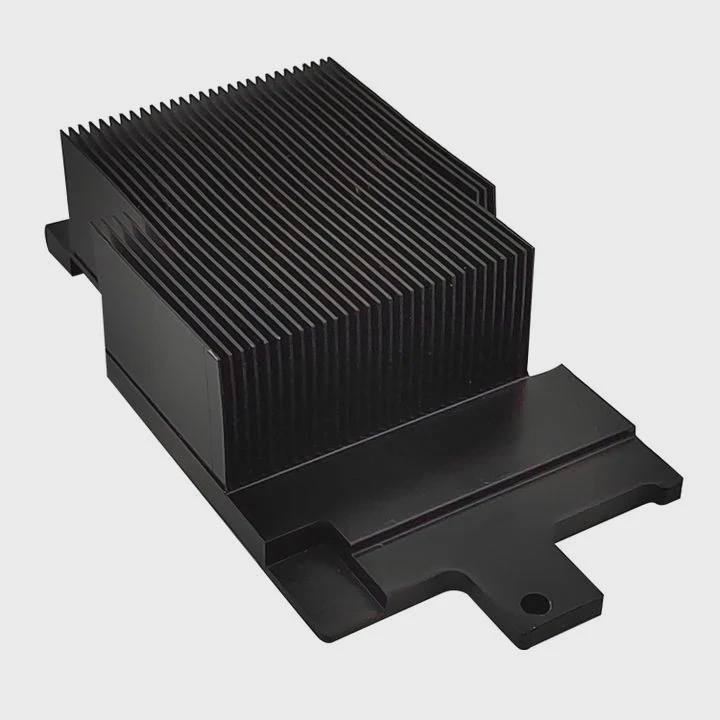
Have you ever wondered if a vapor chamber has to be UL certified to guarantee safety and compliance?
In short, a vapor chamber assembly may require UL certification depending on how and where it is used—if it’s part of an electrical device for the U.S. market, safety certification via Underwriters Laboratories (UL) or equivalent becomes relevant.
Now that we have the quick answer, let’s dig into the details. We’ll explore when UL matters for a vapor chamber, what ratings apply, how testing works, and whether suppliers can provide proof.
Is UL certification required for Vapor Chambers?
You may feel stressed by conflicting messages on certification requirements—it’s time to clear it up.
**UL certification is not automatically required for a bare vapor chamber module, but if the vapor chamber is part of a finished electrical product intended for the U.S. market, UL listing/recognition may be required.**
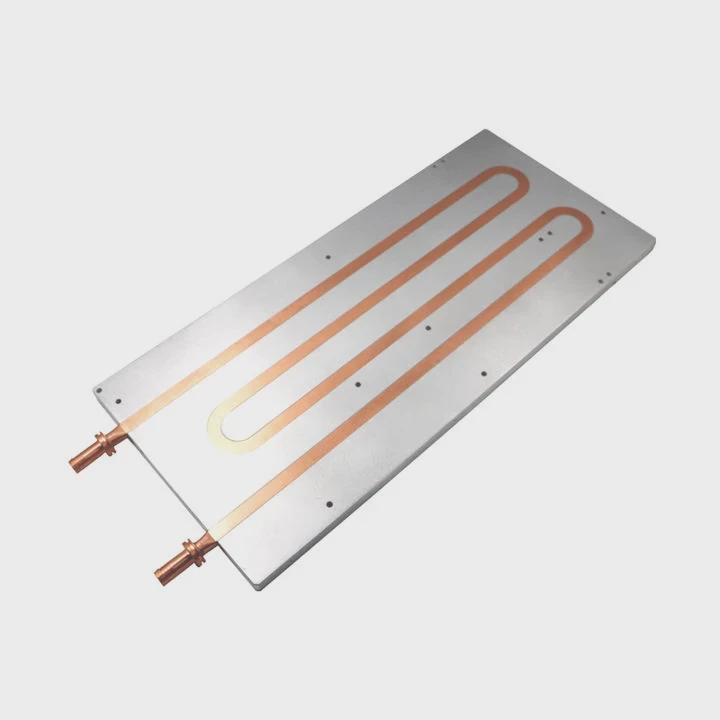
When you look at a vapor chamber, it’s basically a heat‑spreader or thermal module—often an aluminum or copper assembly designed to spread heat within an electronic device (for example, in servers, power electronics, or EV electronics). On its own, this component is typically not a full electrical product subject to UL listing just because it is a vapor chamber. Instead, what matters is the end product into which it is integrated.
Why the bare component may not need UL listing
- The vapor chamber alone may not carry power, or may not connect directly to mains. So many UL electrical safety standards don’t apply to it as a standalone piece.
- In many jurisdictions, UL listing is required for finished devices (consumer electronics, appliances) or for components that carry power or pose fire/shock hazards. A vapor chamber, being passive and thermal, may be outside the “electric‑hazard” scope.
When certification becomes relevant
- If the vapor chamber is integrated into a module or assembly that includes electronic controls, power conversion, or high‑voltage elements, then the assembly may need to meet UL (or similar) standards.
- If the product is sold in the U.S. and advertised or expected to meet UL safety mark requirements (for market access or customer expectation) then the manufacturer may choose UL listing to ease acceptance.
- If the vapor chamber has additional features (e.g., contains active electronics, embedded sensors, is declared a “component for use in a UL listed system”) the component itself may need a “UL Recognized Component” mark.
Business implications for you
Since we are in the B2B space supplying vapor chambers as thermal management modules, the practical takeaway is:
- Verify with your customer whether they require UL listing of the component, or if they just require that the final product (that uses your chamber) be UL listed.
- If the customer is an OEM in the U.S., they may be responsible for the UL listing of the entire system, not necessarily your part.
- Maintain documentation of your manufacturing controls, material safety (RoHS, REACH if relevant), and work collaboratively to assure the system manufacturer that your part will not pose safety compliance risks.
In short, UL certification is context‑dependent—it’s not a blanket requirement for every vapor chamber.
What types of UL ratings apply to Vapor Chambers?
Certification jargon often confuses decisions—what do ratings like “UL listed”, “UL recognized component”, or “UL file number” really mean?
For components like vapor chambers, relevant UL categories often include “Recognized Component” (for use in UL listed equipment) rather than full “Listed Product”, although if the chamber is part of a higher‑risk assembly, it may fall under UL product safety standards such as UL 50 (enclosures) or electrical equipment safety standards.
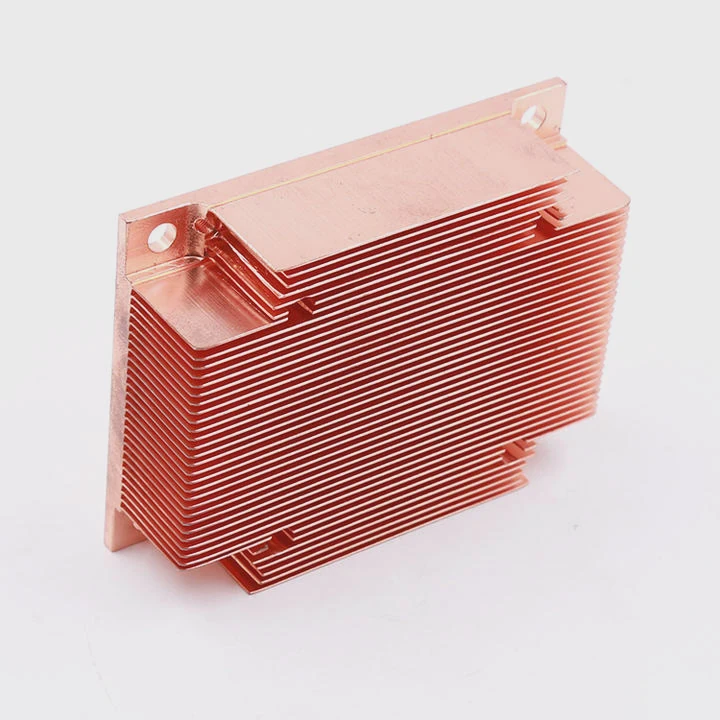
Let’s break down the common UL categories and how they might apply.
What are the UL categories?
| Category | Meaning | Typical use case |
|---|---|---|
| UL Listed (“Listed Product”) | The entire product meets UL safety requirements and bears the UL mark. | Consumer appliance, power supply, finished equipment sold to end‑user. |
| UL Recognized Component (“Component”) | The component is not intended to be used standalone by consumers, but is used within UL listed equipment and meets certain conditions. | Internal board, power module, sub‑assembly. |
| UL Classified / UL Verified | The product or part has been evaluated for specific performance or safety attributes (not full listing). | Performance claims, limited mark. |
Which standard numbers might apply?
Since a vapor chamber is a thermal module, you might look at standards for electrical equipment enclosures or thermal assemblies in electronics. Some UL standards relevant to electrical assemblies include:
- UL 50 / UL 50E – Enclosures for Electrical Equipment.
- UL 60950‑1 / UL 62368 for IT/AV equipment safety.
- UL Recognized Component Mark as per listing of components for use in UL listed equipment.
How this applies to vapor chambers
- If your vapor chamber assembly is just a passive thermal plate and does not carry mains voltage or create shock/fire risk on its own, it may not need a UL Listed mark.
- If the chamber is integrated with electronics, power components, or is sold as a module that goes directly into final equipment, the chamber manufacturer may seek UL Recognized status.
- In a high‑reliability market (e.g., aerospace, rail, EV), customers may ask for UL file numbers, test reports, or compliance certificates—even if UL mark isn’t strictly required—to assure quality and safety.
- For export to U.S., some distributors or end customers may insist on UL Listed or Recognized components because it simplifies their own product certification process.
Practical checklist for you
- Ask your customer what level of UL certification they require: Recognized component vs full listed product.
- Determine whether your vapor chamber is used in a product that will require UL listing – and whether your part is inside the scope of the listing.
- If needed, engage a testing lab (or leverage your own quality system) to provide documentation.
- Maintain traceability (materials, process control, documentation) so that you can support listing or recognition if required by your customer.
Thus, while there is no one‑size‑fits‑all UL rating for vapor chambers, understanding the distinction between component vs product, and which standard is relevant, will help you respond to customer demands effectively.
Are UL tests mandatory for electrical integration?
You might worry that UL tests mean major cost and delay—but are they always mandatory?
**UL tests are not always mandatory, but if the final product must meet UL listing or if a component must be UL recognized, then tests using a Nationally Recognized Testing Laboratory (NRTL) like UL Solutions become required.**
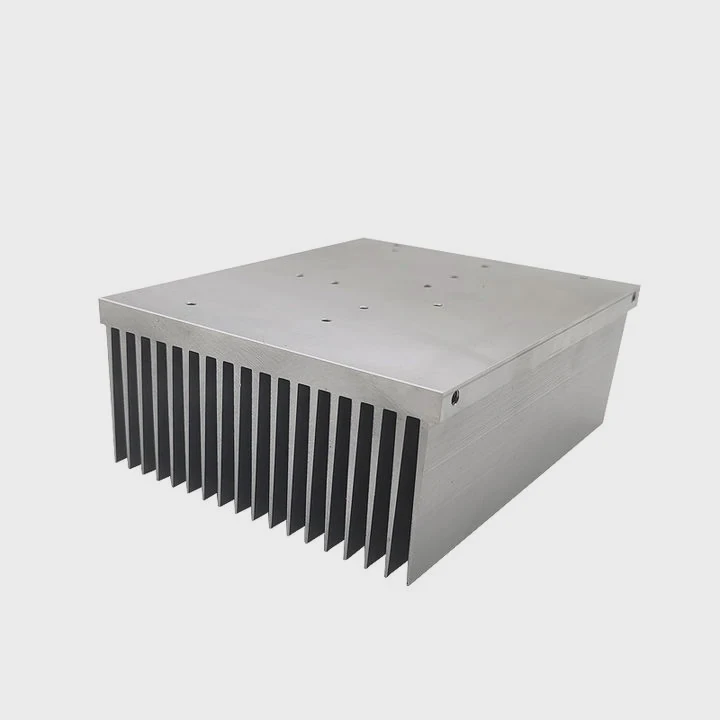
Understanding when UL testing is mandatory helps in planning cost, scheduling, and supplier requirements.
1. Regulatory vs customer requirement
- In the U.S., OSHA requires certain products used in workplaces carry safety approval from an NRTL.
- For consumer electronics sold through retailers, many retailers demand UL (or equivalent) certification.
- Other regions may require CE mark, IEC standards, etc.
2. When your vapor chamber integration triggers UL testing
- If part of a UL listed system, your vapor chamber must not introduce hazards.
- If your chamber carries high voltage or has power electronics, then insulation and safety tests may be needed.
- If your part must be UL Recognized, you’ll need tests and audits.
3. What tests might be involved
| Test Type | Purpose |
|---|---|
| Insulation | Prevents electric shock |
| Dielectric strength | Withstands voltage |
| Temperature rise | Checks for overheating |
| Flammability | Fire safety |
| Mechanical strength | Durability |
4. Cost, schedule, and risk
- Lack of early UL discussion may cause delay.
- Customer may reject non-certified components.
- Internal QC systems (ISO 9001, IATF 16949) can fill the gap if no UL is required.
5. Practical advice
- Ask your OEM: Is UL Recognized mark needed?
- If yes, engage labs early.
- If no, ensure you have quality records to reassure them.
In summary, UL testing is not universally mandatory for vapor chambers, but if your module is part of a UL‑listed product or customer demands it, then testing becomes necessary.
Can suppliers provide UL test reports?
You hope your supplier just hands you a UL report—but what exactly should you expect from them?
**Yes, suppliers can provide UL test reports or UL file numbers if they themselves have undergone certification, or they can supply third‑party test reports and factory audit records.**
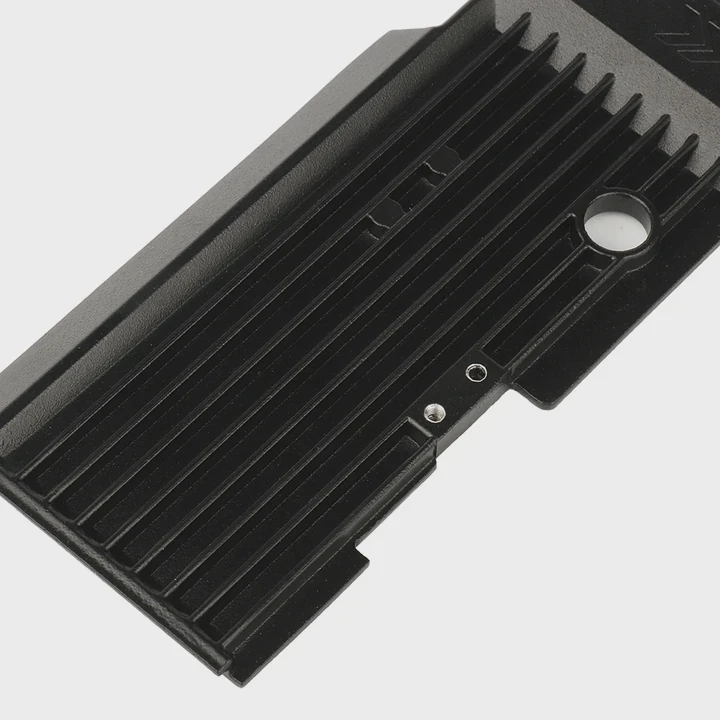
From your vantage as a B2B supplier, understanding what documentation your supplier can and should provide helps you build reliability into your supply chain.
What documentation you may ask for
- UL File Number / Certification Mark
- Test Report (scope, date, lab, standard)
- Factory Audit Certificate
- Scope Confirmation for model/variant
- Traceability of materials and processes
Key questions to ask your supplier
- “Is your part UL listed or recognized?”
- “What standards and which lab tested it?”
- “Does it cover our exact configuration?”
- “Is certification still valid?”
- “Can we use this part inside a UL listed system?”
Summary table for suppliers’ deliverables
| Deliverable | What to look for | Why it matters |
|---|---|---|
| UL file number | Validity, scope | Confirms mark |
| Test report | Results, lab | Verifies safety |
| Audit certificate | Factory quality | Ensures consistency |
| Certification scope | Model-specific? | Avoids risks |
| Traceability docs | Material/process records | For OEM confidence |
By proactively collecting and reviewing these documents, you can reduce risk and support your OEM customers’ certification needs.
Conclusion
UL certification for a vapor chamber is not automatic or always required—you must assess the context (stand‑alone component vs integrated product), customer requirements, and market/region. If you or your OEM customer anticipate UL listing or UL Recognized components, gather the right documents early and engage the right suppliers. Clear communication and pre‑qualification will save you time, cost and risk.
TAGS
Latest Articles

Volume discount levels for heat sink orders?
Buyers often ask when heat sink prices start to drop with volume. Many worry they’re overpaying for small orders. This guide explains how B2B volume pricing works for thermal components. Heat sink
21 Dec,2025
Heat sink long-term supply contract options?
Many buyers want stable pricing and reliable delivery for heat sinks. But without a clear contract, risks grow over time. This article explores how to secure better long-term supply deals. Long-term
21 Dec,2025
Tooling cost for new heat sink profiles?
Many engineers struggle to understand why tooling for custom heat sinks costs so much. They worry about budgeting and production timelines. This article breaks down the cost drivers behind tooling.
21 Dec,2025
Heat sink custom sample process steps?
Sometimes, starting a custom heat sink project feels overwhelming—too many steps, too many unknowns, and too many risks. You want a sample, but not endless delays. The process for requesting and
20 Dec,2025
Standard B2B terms for heat sink payments?
When buyers and sellers in B2B heat sink markets talk about payment, many don’t fully understand what’s standard. This can lead to delayed orders, miscommunication, and even lost business
20 Dec,2025
Heat sink pricing factors for large orders?
Heat sinks are vital for many systems. When prices rise, projects stall and budgets break. This problem can hit teams hard without warning. Large order heat sink pricing depends on many factors. You
20 Dec,2025Related Articles
- Testing equipment needed for Vapor Chamber?
- Vapor Chamber design approval process?
- MOQ for Vapor Chamber with CNC machining?
- Can Vapor Chamber be fully customized?
- What affects Vapor Chamber unit price?
- Best country to source Vapor Chamber?
- How to evaluate Vapor Chamber supplier reliability?
- Vapor Chamber Installation in HVAC Systems?
- Common Vapor Chamber application industries?
- How efficient is Vapor Chamber cooling?
- Vapor Chamber for consumer electronics?
- Vapor Chamber export compliance checklist?
Author
Dr. Emily Chen
Chief AI Researcher
Leading expert in thermal dynamics and AI optimization with over 15 years of experience in data center efficiency research.
Categories
Latest Products






Recommend Categories
- Liquid cooling plate Manufacturer
- Industrial Heat Sink Manufacturer
- Standard Heat Sink Manufacturer
- Aluminum Heat Sink Manufacturer
- Copper Heat Sink Manufacturer
- Anodized Heatsink Manufacturer
- Stamping heat sink Manufacturer
- Die Casting Heatsink Manufacturer
- Soldering heat sink Manufacturer
- CNC Parts Manufacturer
Latest Products
- Wholesale Aluminum Radiator
- Water Cooling Plate Kit
- Water Cooling Heat Sink
- Water Cooling Heat Sink Kit
- Stainless Steel Water Distributor
- Server Water Cooling Plate Kit
- Server Liquid Cooling System
- Server Aluminum Cooling Kit
- S19 Full Cover Cooling Plate
- S19 Cooling Plate Kit
- S19 Aluminum Cooling Plate
Contact Expert
Have questions about this article? Reach out to our experts directly.