Vapor Chamber Installation in HVAC Systems?
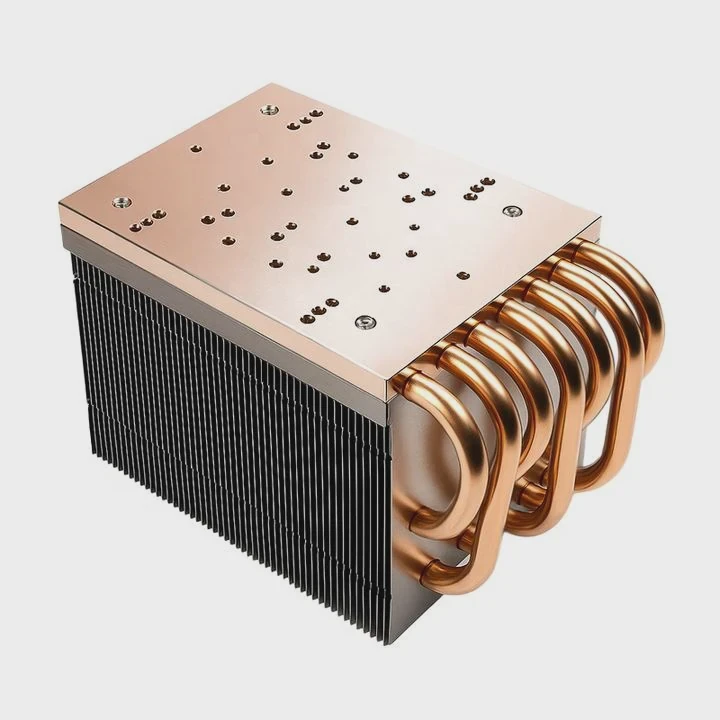
Are you stuck with uneven cooling, hot spots or inefficient heat spread in your HVAC units? Let’s explore a next‑level solution.
Vapor chambers, sealed flat two‑phase heat spreaders, can be integrated into HVAC systems to flatten temperature gradients, improve thermal conductivity and boost overall cooling efficiency.
Now let’s dig into how these chambers can be integrated, what benefits they bring, if they apply in residential vs commercial settings, and what size or power limits matter.
How are Vapor Chambers integrated into HVAC units?
Imagine heat being unevenly dumped into your HVAC system and only a small part doing the heavy load — that creates inefficiency and risk.
Integration typically means placing a vapor chamber at the key heat source or interface (e.g., near compressors, power electronics), linking it to fins or cold‑plates and ensuring good thermal coupling.
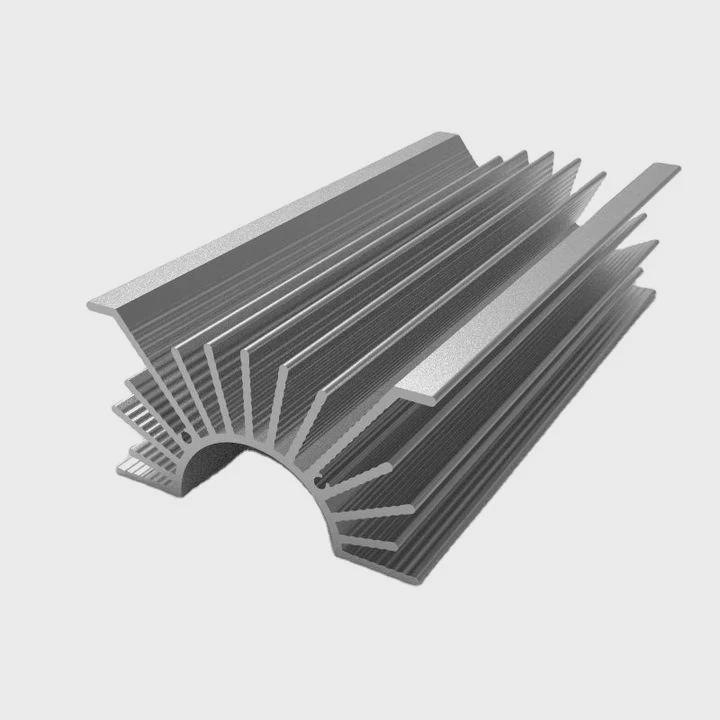
Integration of a vapor chamber in an HVAC system requires attention to several design steps. A vapor chamber (VC) is a flat sealed enclosure containing a working fluid and wick or capillary structure; when heat is applied, the fluid evaporates, the vapor moves, condenses, and liquid returns via capillary action.
Steps in integration:
- Locate the high‑heat area – In HVAC systems this could be the compressor, inverter/power electronics, or heat exchanger wall.
- Select or design the vapor chamber – Choose size, thickness, material (often copper or aluminium) and internal wick/fluid suitable for the thermal load.
- Mounting / bonding – The chamber must be bonded or mechanically attached to the heat source or exchanger base.
- Thermal path to fins or heat exchanger – The chamber spreads heat over a large base so fins, plates or ambient air can remove it effectively.
- Ensure structural / environmental compatibility – HVAC systems have vibration, thermal cycling, humidity, and possible condensation.
- Testing & verification – Measure temperature gradients, delta‑T, and confirm heat spreading works.
Considerations unique to HVAC:
- Size & geometry
- Airflow and fin spacing
- Thermal cycling & durability
- Service / maintenance
- Integration with refrigerant loops
A properly integrated vapor chamber makes the thermal path more efficient, reducing hotspots, protecting components and improving cooling reliability.
What benefits do they offer in HVAC cooling?
It’s frustrating when a system cools generally but still has parts that overheat, shorten life, or force oversized exchangers.
Key benefits of using vapor chambers include higher effective thermal conductivity, more uniform temperature distribution, thinner/lightweight design and better heat spreading, which can improve HVAC system performance and reliability.
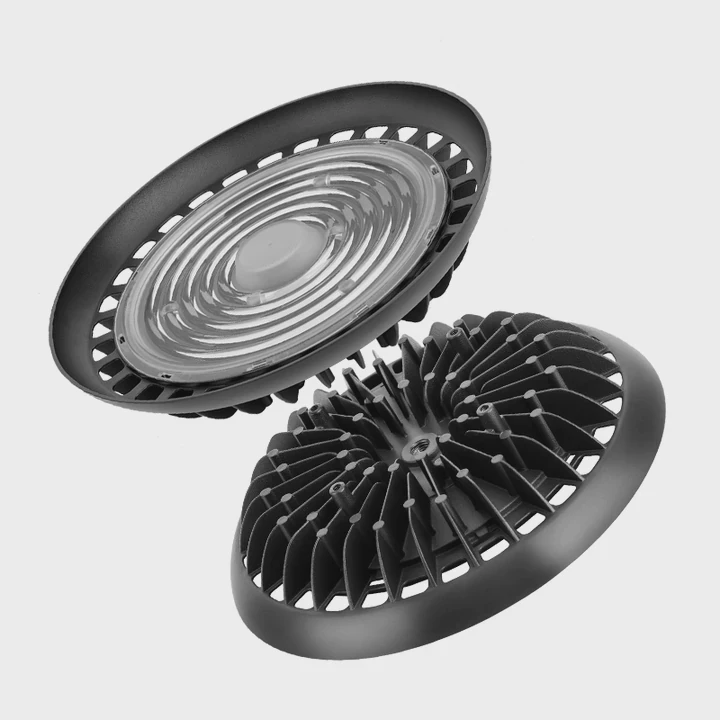
Table: Summary of benefits vs caveats
| Benefit | Description | HVAC relevance |
|---|---|---|
| High effective thermal conductivity | Lower thermal resistance than solid metals | Helps manage compact heat sources |
| Uniform temperature distribution | Reduces hot spots | Better heat exchanger performance |
| Thin and lightweight | Compared to solid metal plates | Ideal for compact HVAC designs |
| Fin/exchanger efficiency | More uniform loading | Smaller or fewer fins possible |
| Reliability | Low delta‑T, passive, sealed system | Longer HVAC unit life |
HVAC‑specific benefits:
- Handles concentrated heat (e.g., inverters)
- Spreads heat across outdoor exchanger base
- Supports compact/light rooftop units
- Useful in low airflow or high ambient conditions
Caveats:
- Cost: Higher than basic metal plates
- Complexity: Manufacturing and design effort
- Scaling: May need multiple units for big systems
- Environmental stress: Must resist vibration and thermal cycling
When integrated well, vapor chambers enable better performance and reliability in HVAC systems with dense heat sources or compact form factors.
Are Vapor Chambers used in both residential and commercial HVAC?
You might ask: is this high‑tech stuff only for data‑centres or large commercial HVAC, or can it make sense in homes too?
Yes — vapor chambers have potential for both residential and commercial HVAC systems, though their cost‑benefit and design complexity often make them more common in mid/large commercial units than in standard home systems.
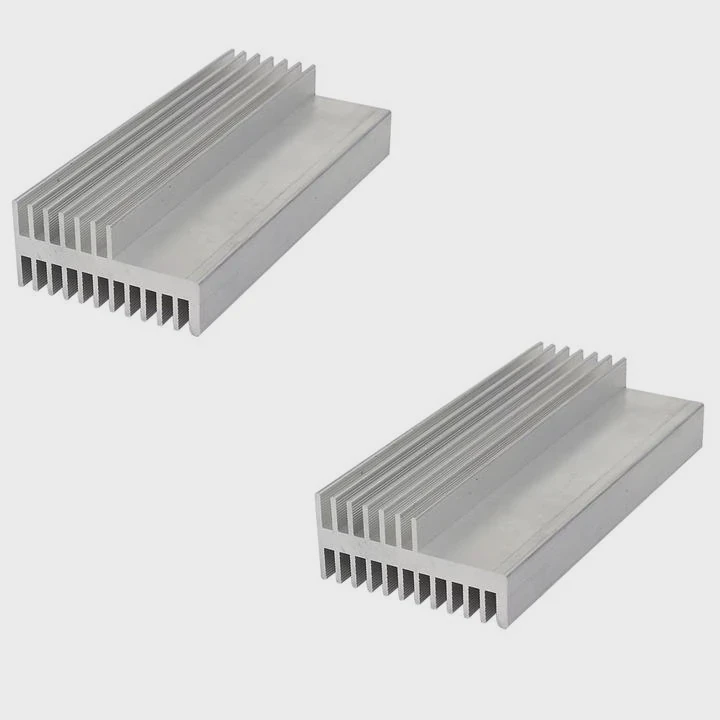
Commercial HVAC use‑cases:
- Rooftop units, chillers, industrial cooling
- Inverter‑driven compressors
- Compact modules needing lightweight high-spread cooling
Residential HVAC use‑cases:
- High‑end compact systems
- Inverter AC units in tight spaces
- Systems with electronics inside thermal enclosures
Cost-benefit:
- Commercial units justify VC via efficiency gains, size/weight reduction
- Residential systems may not see ROI unless premium performance or space matters
VCs are used more often in commercial HVAC due to design budgets, servicing needs, and higher thermal demands. But their usage in residential systems may grow as unit prices fall.
What size limits apply in HVAC applications?
Every technology has its limits. It’s important to know where vapor chamber solutions run into constraints when used in HVAC systems.
Size limits for vapor chambers relate to power density, heat flux, chamber thickness, maximum heat input before “dry‑out”, and manufacturing constraints in large area plates; these factors govern applicability in HVAC contexts.
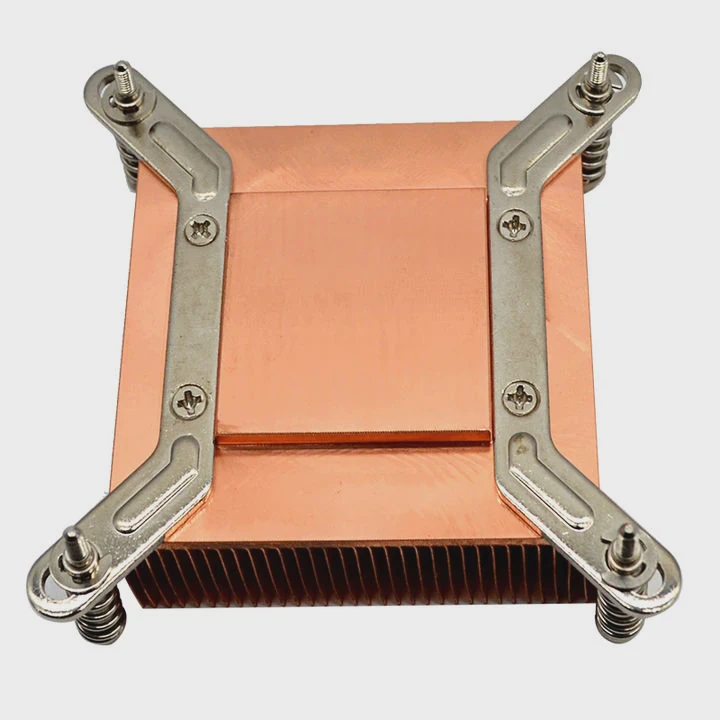
Key limitations:
Heat and power capacity:
- Small VCs handle ~500 W max before dry‑out risk
- HVAC loads are in kW range → scale or tile multiple VCs
Physical size:
- Larger chambers hard to seal and manufacture
- Uniform capillary return more difficult over big area
Thickness:
- Must balance thin profile with mechanical support
- Large VCs may sag or deform if too thin
Integration stress:
- Must survive vibration, cycling, condensation, pressure changes
Table: Typical size limit considerations
| Parameter | Typical Limit | HVAC Relevance |
|---|---|---|
| Power | ~500 W per VC | HVAC systems often exceed → need multiple VCs |
| Area | 10–50 cm range | HVAC units may need 100 cm+ plates |
| Thickness | 1–5 mm | Good for compactness, but structural risks |
| Heat flux | Up to 700 W/cm² | HVAC needs large area spreading more than flux control |
Recommendations:
- Use tiled VCs for large systems
- Design in airflow, exchanger size to match VC spread
- Work with vendors for custom large-area VCs
- Test reliability under HVAC-specific stresses
Sizing vapor chambers for HVAC use must consider not just heat load but structural limits, manufacturing constraints, and long-term reliability. Smart design makes them work well — poor fit leads to waste.
Conclusion
Vapor chambers offer a powerful way to improve heat spreading and cooling efficiency in HVAC systems. By integrating them properly, we can reduce hotspots, spread thermal loads, shrink exchanger size or weight, and improve reliability. They are applicable in both residential and commercial settings, though more often justified in commercial units. Yet we must respect their size and power scaling limits to get true value.
TAGS
Latest Articles

Volume discount levels for heat sink orders?
Buyers often ask when heat sink prices start to drop with volume. Many worry they’re overpaying for small orders. This guide explains how B2B volume pricing works for thermal components. Heat sink
21 Dec,2025
Heat sink long-term supply contract options?
Many buyers want stable pricing and reliable delivery for heat sinks. But without a clear contract, risks grow over time. This article explores how to secure better long-term supply deals. Long-term
21 Dec,2025
Tooling cost for new heat sink profiles?
Many engineers struggle to understand why tooling for custom heat sinks costs so much. They worry about budgeting and production timelines. This article breaks down the cost drivers behind tooling.
21 Dec,2025
Heat sink custom sample process steps?
Sometimes, starting a custom heat sink project feels overwhelming—too many steps, too many unknowns, and too many risks. You want a sample, but not endless delays. The process for requesting and
20 Dec,2025
Standard B2B terms for heat sink payments?
When buyers and sellers in B2B heat sink markets talk about payment, many don’t fully understand what’s standard. This can lead to delayed orders, miscommunication, and even lost business
20 Dec,2025
Heat sink pricing factors for large orders?
Heat sinks are vital for many systems. When prices rise, projects stall and budgets break. This problem can hit teams hard without warning. Large order heat sink pricing depends on many factors. You
20 Dec,2025Related Articles
- How to evaluate Vapor Chamber supplier reliability?
- Does Vapor Chamber need UL certification?
- Testing equipment needed for Vapor Chamber?
- Vapor Chamber design approval process?
- MOQ for Vapor Chamber with CNC machining?
- Can Vapor Chamber be fully customized?
- Common Vapor Chamber application industries?
- How efficient is Vapor Chamber cooling?
- Vapor Chamber for consumer electronics?
- Vapor Chamber export compliance checklist?
- Vapor Chamber market growth forecast?
- How to recycle Vapor Chamber materials?
Author
Dr. Emily Chen
Chief AI Researcher
Leading expert in thermal dynamics and AI optimization with over 15 years of experience in data center efficiency research.
Categories
Latest Products






Recommend Categories
- Liquid cooling plate Manufacturer
- Industrial Heat Sink Manufacturer
- Standard Heat Sink Manufacturer
- Aluminum Heat Sink Manufacturer
- Copper Heat Sink Manufacturer
- Anodized Heatsink Manufacturer
- Stamping heat sink Manufacturer
- Die Casting Heatsink Manufacturer
- Soldering heat sink Manufacturer
- CNC Parts Manufacturer
Latest Products
- Wholesale Aluminum Radiator
- Water Cooling Plate Kit
- Water Cooling Heat Sink
- Water Cooling Heat Sink Kit
- Stainless Steel Water Distributor
- Server Water Cooling Plate Kit
- Server Liquid Cooling System
- Server Aluminum Cooling Kit
- S19 Full Cover Cooling Plate
- S19 Cooling Plate Kit
- S19 Aluminum Cooling Plate
Contact Expert
Have questions about this article? Reach out to our experts directly.