Common Vapor Chamber application industries?
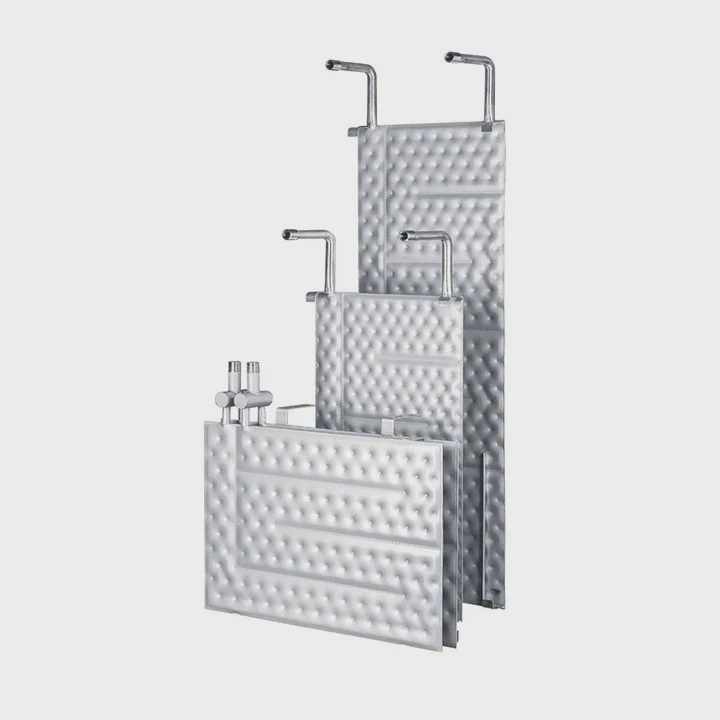
Vapor chambers solve the problem of overheating in compact, high-power electronics by offering efficient, planar heat spreading.
Vapor chambers (VCs) are planar two‑phase thermal devices widely used across industries such as electronics, automotive, aerospace, telecom, and medical equipment because they provide high thermal conductivity and compact form‐factor.
Let’s dig into several key industries where vapor chambers are applied, one by one. We’ll explore what makes each industry unique and how the technology fits.
Which industries commonly use Vapor Chambers?
Vapor chambers are crucial in electronics where components generate extreme heat in tight spaces.
Vapor chambers are commonly used in electronics (PCs, servers, mobile devices), automotive, LED lighting, and power equipment thanks to their excellent heat spreading capability and thin profile.
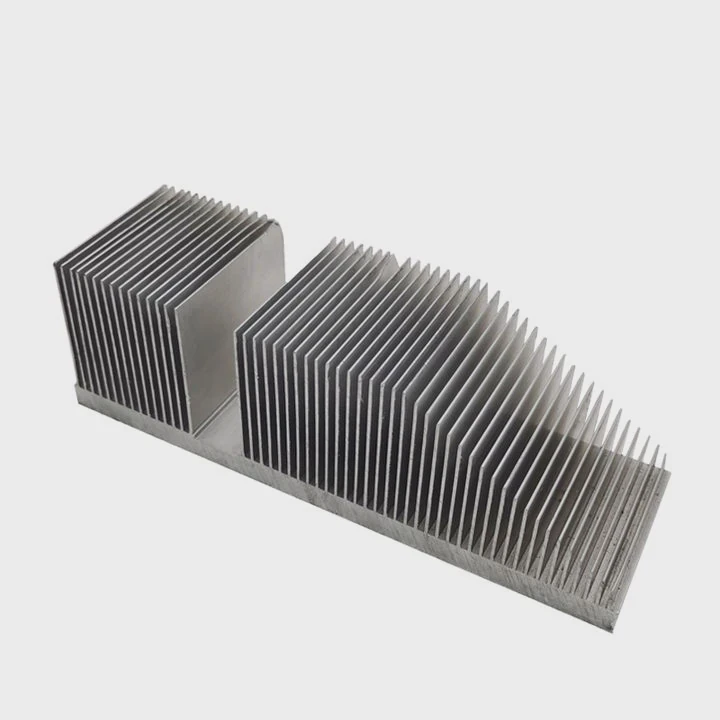
In the electronics industry, the demand for higher power density and thinner form‐factors drives the adoption of vapor chambers. For example:
- A typical CPU or GPU might produce a hotspot several cm² in area; a vapor chamber spreads that heat into a larger cooler area.
- In mobile devices or laptops, space is limited—height, thickness, even weight matter. Vapor chambers offer a low‐profile alternative to bulky heat sinks.
In the automotive and LED sectors:
- High‐power LEDs generate a lot of heat at a small surface; vapor chambers help spread that heat efficiently, improving lifespan and reliability.
- In electric vehicles (EVs), power electronics require tight thermal control; vapor chambers provide 2D spreading, suitable for flat modules.
Table: Industry vs Typical Application
| Industry | Typical Application | Why Vapor Chamber is used |
|---|---|---|
| Electronics/PCs | CPUs, GPUs, servers | High heat flux, limited space, need good spreading |
| Mobile/Consumer | Smartphones, tablets | Thin profile, lightweight, compact cooling |
| Automotive/LED | Power electronics, LEDs | Flat geometry, high density, thermal reliability |
| Industrial/Power | IGBTs, power modules | High power / compact size, need efficient cooling |
Using vapor chambers allows designers to reduce the thickness of thermal solutions, maintain uniform temperature, avoid hotspots, and improve reliability. The “common” industries are broad: anywhere with high‑power density devices and reliability needs.
Are Vapor Chambers used in aerospace systems?
Thermal management in aerospace must work in vacuum, low-gravity, and under vibration — perfect for vapor chambers.
Yes — vapor chambers are used in aerospace and avionics systems for thermal control of sensors, avionics modules and spacecraft electronics because they are passive, have high spreading capability, and function in varied gravity conditions.
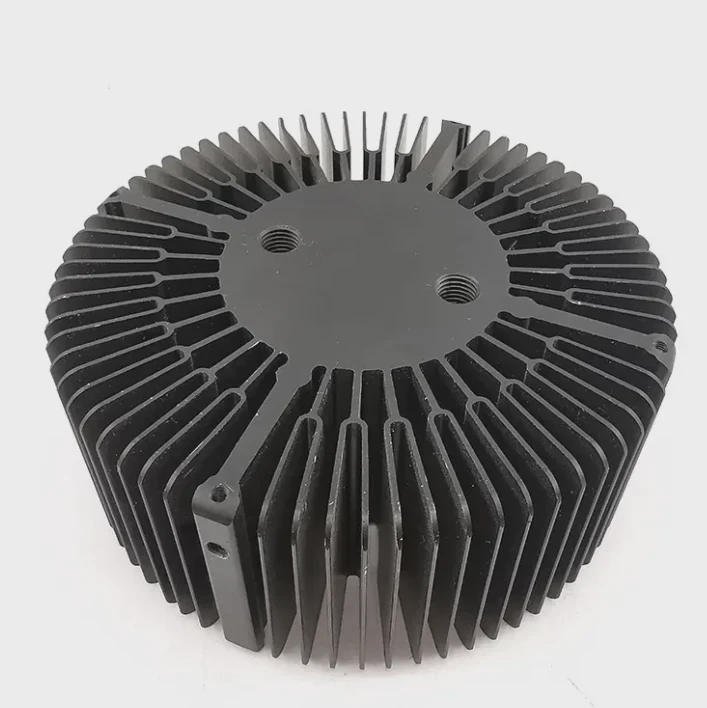
The aerospace domain is demanding: devices operate under wide temperature swings, in vacuum, or microgravity. Thermal design must rely on passive, gravity-independent solutions.
Why vapor chambers fit aerospace use:
- Gravity-independence: Capillary action inside vapor chambers doesn’t rely on gravity, suitable for satellites and aircraft.
- Uniform spreading: Reduces thermal gradients across avionics and instrumentation.
- Compact and lightweight: Critical in aerospace to save mass and space.
- Maintenance-free: Sealed and passive—ideal where repairs are impossible.
Application examples:
- Avionics boxes cooling in planes
- Satellite electronics thermal spreading
- UAVs and drones with limited airflow
Challenges:
- Materials must survive radiation, outgassing, vacuum
- Must tolerate thermal cycling, shock, and vibration
- Requires secure mounting and high-reliability bonds
Aerospace systems need efficient, reliable, and gravity-independent cooling solutions. Vapor chambers check all these boxes, making them ideal for this demanding field.
What role do Vapor Chambers play in telecom gear?
Telecom gear operates under high loads, in sealed boxes, and needs low-noise cooling — vapor chambers are the answer.
In telecom equipment, vapor chambers serve to spread heat from high‑density electronics (e.g., RF modules, power amplifiers) into chassis or heat‑sink surfaces, enabling smaller, cooler, and quieter enclosures.
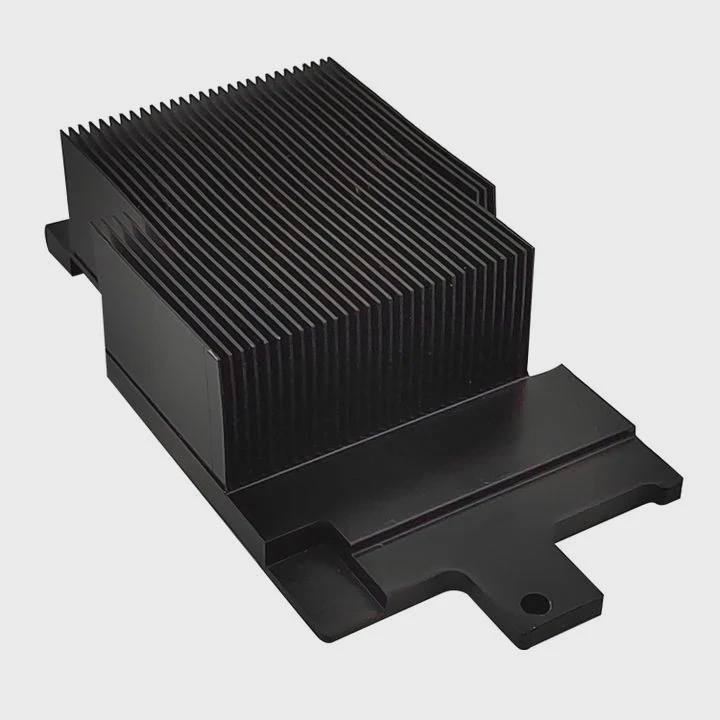
Telecom is seeing a surge in compact, high-powered devices — especially with 5G and 6G deployments. Enclosures often lack airflow, increasing the need for efficient heat spreading.
Common telecom use cases:
- RF modules and power amplifiers in base stations
- Outdoor 5G/6G small cells with sealed designs
- Edge computing nodes integrated in telecom networks
- Passive spreading inside modular telecom chassis
Key benefits:
- Better reliability: Reduces hot spots and component failures
- Less active cooling: Fewer fans mean lower noise and power
- Smaller designs: Helps build thinner telecom units
- Thermal uniformity: Maintains stable RF performance
Implementation tips:
- Vapor chambers interface between chips and heat sinks
- Need good thermal bonding to chassis or enclosures
- Materials must handle environmental stress, cycles
- Balance performance and cost for high-volume units
Vapor chambers are now standard in high-end telecom gear, especially where space is tight, heat is intense, and airflow is minimal.
Is medical equipment using Vapor Chamber cooling?
Medical devices demand small, quiet, reliable cooling — vapor chambers deliver all three.
Yes — medical equipment such as imaging devices, lasers, lab diagnostic systems incorporate vapor chambers to manage thermal loads quietly, in small spaces, and with high reliability.
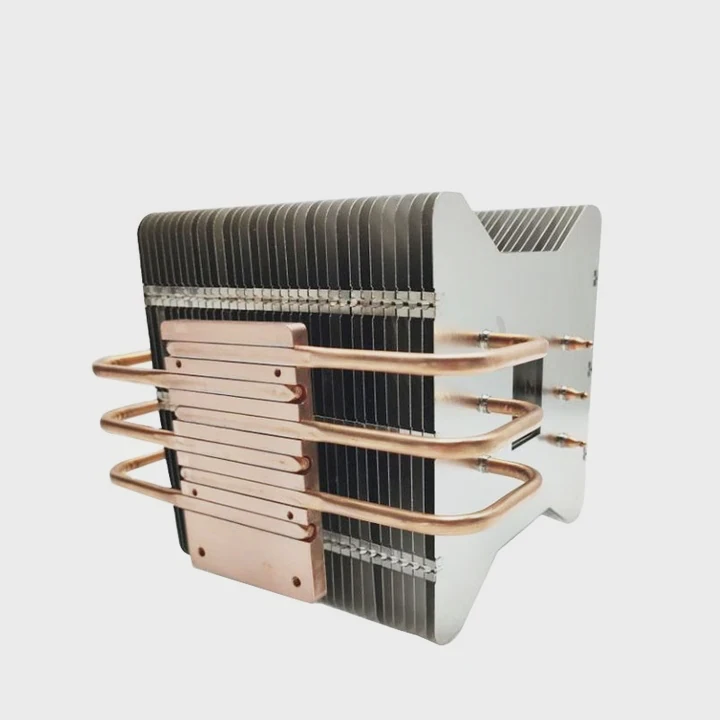
Medical electronics must operate silently, avoid overheating, and fit inside small housings. Fans are noisy and unreliable. Vapor chambers offer a quiet, efficient alternative.
Common applications:
- Imaging systems: MRI, CT, and PET machines generate lots of heat in electronics
- Medical lasers and robotics: Require steady thermal control to protect performance
- Portable analyzers and monitors: Need thin, lightweight thermal solutions
- Continuous operation systems: Life support or ICU monitors that must not overheat
Why vapor chambers help:
- Silent operation: No fans needed
- Reliable: Passive, with no moving parts
- Thin and light: Perfect for portable or space-limited gear
- Even temperature: Reduces stress on electronics and sensors
Table: Medical Use Cases
| Equipment Type | Heat Challenge | Vapor Chamber Benefit |
|---|---|---|
| MRI/CT Machines | High power electronics, tight space | Flat, efficient heat spreading |
| Diagnostic Devices | Small form, portable needs | Quiet, low-profile, no fans |
| Lasers | High thermal output, small footprint | Fast, even thermal transfer |
| ICU/Monitoring Gear | Needs 24⁄7 uptime with no noise | Passive, low-maintenance cooling |
Challenges include material compliance with medical standards, integration into small devices, and proving ROI. But the payoff—reliability, silence, and compact cooling—is worth it.
Conclusion
Vapor chambers are versatile thermal tools used in electronics, aerospace, telecom, and medical fields. They offer high thermal performance in compact, passive, and reliable designs, ideal for today’s space-constrained, high-power devices.
TAGS
Latest Articles

Volume discount levels for heat sink orders?
Buyers often ask when heat sink prices start to drop with volume. Many worry they’re overpaying for small orders. This guide explains how B2B volume pricing works for thermal components. Heat sink
21 Dec,2025
Heat sink long-term supply contract options?
Many buyers want stable pricing and reliable delivery for heat sinks. But without a clear contract, risks grow over time. This article explores how to secure better long-term supply deals. Long-term
21 Dec,2025
Tooling cost for new heat sink profiles?
Many engineers struggle to understand why tooling for custom heat sinks costs so much. They worry about budgeting and production timelines. This article breaks down the cost drivers behind tooling.
21 Dec,2025
Heat sink custom sample process steps?
Sometimes, starting a custom heat sink project feels overwhelming—too many steps, too many unknowns, and too many risks. You want a sample, but not endless delays. The process for requesting and
20 Dec,2025
Standard B2B terms for heat sink payments?
When buyers and sellers in B2B heat sink markets talk about payment, many don’t fully understand what’s standard. This can lead to delayed orders, miscommunication, and even lost business
20 Dec,2025
Heat sink pricing factors for large orders?
Heat sinks are vital for many systems. When prices rise, projects stall and budgets break. This problem can hit teams hard without warning. Large order heat sink pricing depends on many factors. You
20 Dec,2025Related Articles
- Vapor Chamber Installation in HVAC Systems?
- How to evaluate Vapor Chamber supplier reliability?
- Does Vapor Chamber need UL certification?
- Testing equipment needed for Vapor Chamber?
- Vapor Chamber design approval process?
- MOQ for Vapor Chamber with CNC machining?
- How efficient is Vapor Chamber cooling?
- Vapor Chamber for consumer electronics?
- Vapor Chamber export compliance checklist?
- Vapor Chamber market growth forecast?
- How to recycle Vapor Chamber materials?
- Collaborative development for Vapor Chamber projects?
Author
Dr. Emily Chen
Chief AI Researcher
Leading expert in thermal dynamics and AI optimization with over 15 years of experience in data center efficiency research.
Categories
Latest Products






Recommend Categories
- Liquid cooling plate Manufacturer
- Industrial Heat Sink Manufacturer
- Standard Heat Sink Manufacturer
- Aluminum Heat Sink Manufacturer
- Copper Heat Sink Manufacturer
- Anodized Heatsink Manufacturer
- Stamping heat sink Manufacturer
- Die Casting Heatsink Manufacturer
- Soldering heat sink Manufacturer
- CNC Parts Manufacturer
Latest Products
- Wholesale Aluminum Radiator
- Water Cooling Plate Kit
- Water Cooling Heat Sink
- Water Cooling Heat Sink Kit
- Stainless Steel Water Distributor
- Server Water Cooling Plate Kit
- Server Liquid Cooling System
- Server Aluminum Cooling Kit
- S19 Full Cover Cooling Plate
- S19 Cooling Plate Kit
- S19 Aluminum Cooling Plate
Contact Expert
Have questions about this article? Reach out to our experts directly.