How efficient is Vapor Chamber cooling?
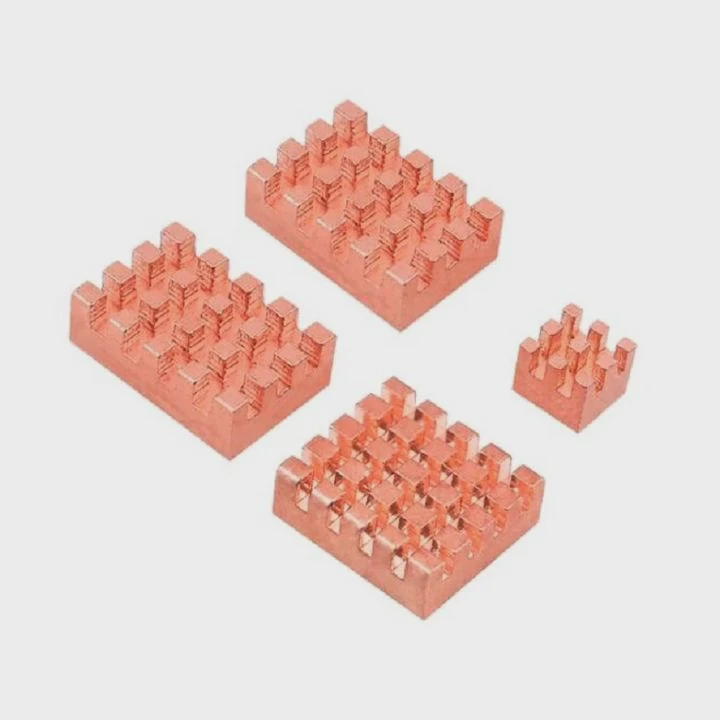
Electronics are getting smaller and more powerful. As power density rises, cooling becomes a challenge. Fans alone aren’t enough. Heat sinks fall short. This pushes engineers to seek better thermal solutions.
Vapor chambers are more efficient than standard heat sinks because they reduce thermal resistance, improve heat spreading, and eliminate hotspots. They allow compact systems to operate cooler and more reliably.
In this article, we explore how vapor chambers outperform traditional heat sinks, what metrics matter most, how orientation impacts their performance, and what thermal limits they have.
How efficient is Vapor Chamber compared to heat sinks?
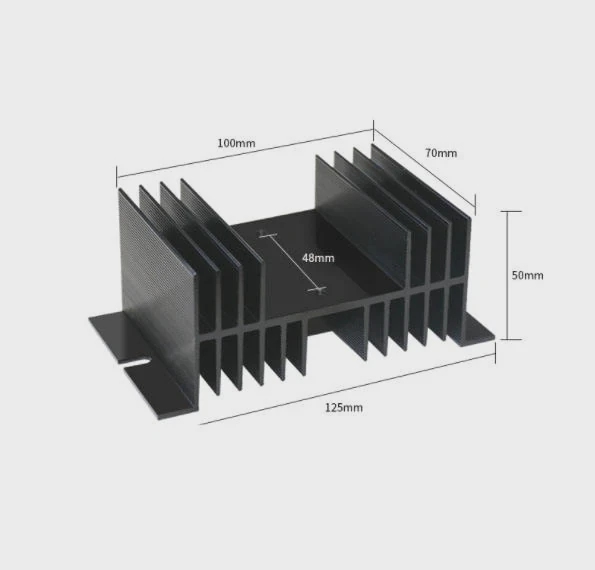
Traditional heat sinks work by conducting heat from a chip to a metal surface, then releasing it to the air. But this process is slow and uneven. Vapor chambers add a major upgrade.
Vapor chambers move heat faster and more evenly than heat sinks, making them more efficient at reducing temperature spikes and keeping devices stable.
Why Vapor Chambers Work Better
A vapor chamber uses liquid inside a sealed metal plate. When heat hits the surface, the liquid evaporates and moves as vapor to cooler areas. There it condenses and returns via a wick. This phase change spreads heat more evenly than metal alone.
Performance Comparison Table
| Feature | Heat Sink | Vapor Chamber |
|---|---|---|
| Heat transfer | Pure conduction | Phase-change + conduction |
| Thermal resistance | Higher (0.4–0.6 °C/W) | Lower (0.2–0.3 °C/W) |
| Thickness | Bulkier | Thinner |
| Hotspot control | Less effective | Very effective |
| Surface uniformity | Poor | Excellent |
Where the Benefits Are Clear
- High-performance CPUs, GPUs, and ASICs
- Thin laptops or fanless industrial systems
- Compact devices with uneven heat loads
In high-density devices, vapor chambers lower chip temperatures by 10–20°C compared to similar-sized heat sinks. This can extend component life and prevent thermal throttling.
What metrics define cooling efficiency for Vapor Chambers?
Cooling is not just about staying cold. Engineers need numbers to compare systems. Efficiency must be measured in reliable ways.
The most important vapor chamber efficiency metrics are thermal resistance, spreading resistance, and temperature difference across the surface.
Key Metrics That Matter
Thermal Resistance (Rth)
This measures how much temperature rises per watt of heat (°C/W). The lower the number, the more efficient the system.
Example: If Rth = 0.25°C/W and power = 100 W → temp rise = 25°C
Spreading Resistance
This tells how evenly heat spreads across the chamber. High spreading resistance leads to hot spots and uneven temperatures.
Delta T (Hotspot Delta)
The difference between the hottest point and the average surface temperature. Lower delta T means more stable performance.
Efficiency Comparison Table
| Metric | Heat Sink | Vapor Chamber |
|---|---|---|
| Thermal Resistance | 0.4–0.6 °C/W | 0.2–0.3 °C/W |
| Spreading Resistance | High | Low |
| ΔT Surface Spread | 10–15 °C | 3–6 °C |
Why These Numbers Matter
These metrics help engineers:
- Predict how hot components will get
- Choose materials that stay within safe temperatures
- Optimize design without overbuilding the cooling system
A low spreading resistance means less risk of hot zones. That protects solder joints and improves long-term reliability.
Does orientation affect Vapor Chamber performance?
Orientation affects many heat pipes and thermal systems. Vapor chambers, though better designed, can still show changes when flipped or rotated.
Yes — vapor chamber performance can drop if orientation blocks fluid return, especially in vertical or inverted mounting. Proper wick design reduces this risk.
How Orientation Changes Heat Flow
Vapor chambers use liquid to move heat. The liquid returns to the hot area using a wick. If gravity pulls it away from the heat zone, performance may drop.
Mounting Impact Table
| Orientation | Efficiency Impact |
|---|---|
| Horizontal (flat) | Optimal |
| Vertical (upright) | Minor drop (2–8%) |
| Inverted (upside-down) | Major drop (10–20%+) |
Design Adjustments That Help
Use Symmetric Wick Structures
A uniform wick pattern helps liquid return no matter the angle.
Increase Capillary Power
Thicker or finer wick materials improve return flow, even against gravity.
Add Internal Guides
Structures inside the chamber help guide fluid along controlled paths.
Application Notes
- Devices in stable positions (e.g., laptops) have no problem.
- Mobile gear like drones or EV parts need better orientation handling.
- Industrial systems should be tested in final mount positions.
If your product moves in different directions, test thermal performance in each key orientation. For the best result, pick vapor chambers designed for 360° use.
Is there a heat limit for Vapor Chamber cooling?
Every cooling system has a breaking point. Vapor chambers handle more than heat sinks, but they do have limits.
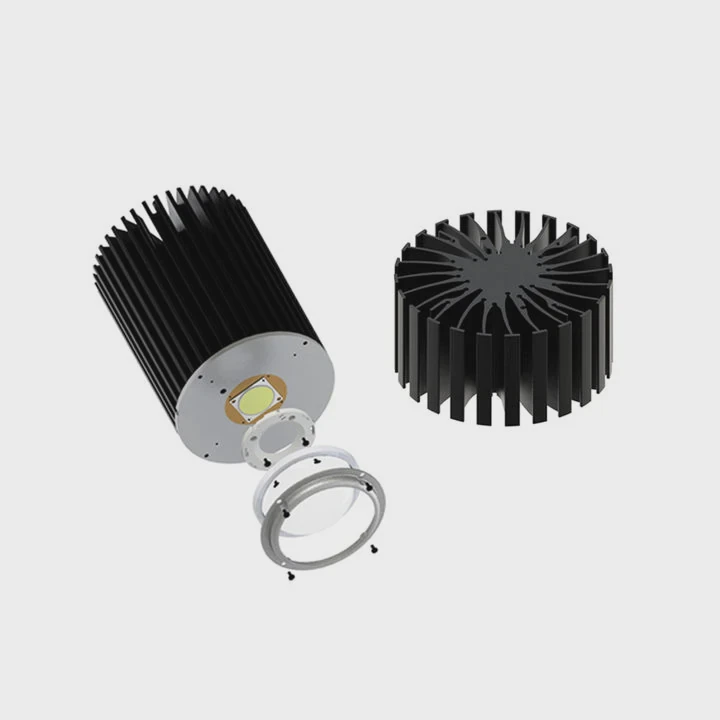
Yes — vapor chambers have a heat load limit based on fluid evaporation rate, wick return rate, and surface capacity. Exceeding it causes failure or dry-out.
Why the Limit Exists
Evaporation Limit
At high heat, the fluid evaporates too fast to condense and return. Pressure builds up, causing vapor lock.
Wick Return Limit
The wick can only pull so much liquid back to the hot spot. If the heat is too strong, the wick dries out and stops working.
Coupling Limit
Even with a strong chamber, poor contact with the chip or heat sink reduces total efficiency. Heat builds up where it shouldn’t.
Typical Power Handling Chart
| Vapor Chamber Size | Max Load (W) | Notes |
|---|---|---|
| Small (60×60 mm) | 80–120 W | Laptops, small systems |
| Medium (100×100 mm) | 150–250 W | CPUs, power modules |
| Large (>150 mm) | 300 W+ | Servers, EVs, telecom gear |
How to Stay Safe
- Stay below 75–80% of the rated max
- Use high-conductivity thermal paste or pads
- Pair with good airflow or cold plates
Dry-out or thermal runaway can destroy systems. If you expect peak loads, size your chamber with headroom.
Conclusion
Vapor chambers beat heat sinks in cooling power, spreading performance, and footprint. Their efficiency comes from phase-change heat transfer, low resistance, and strong thermal uniformity. They are sensitive to orientation, but well-designed versions overcome that. And while they have heat limits, vapor chambers handle far more than standard sinks, making them the top choice for compact, high-performance cooling.
TAGS
Latest Articles

Volume discount levels for heat sink orders?
Buyers often ask when heat sink prices start to drop with volume. Many worry they’re overpaying for small orders. This guide explains how B2B volume pricing works for thermal components. Heat sink
21 Dec,2025
Heat sink long-term supply contract options?
Many buyers want stable pricing and reliable delivery for heat sinks. But without a clear contract, risks grow over time. This article explores how to secure better long-term supply deals. Long-term
21 Dec,2025
Tooling cost for new heat sink profiles?
Many engineers struggle to understand why tooling for custom heat sinks costs so much. They worry about budgeting and production timelines. This article breaks down the cost drivers behind tooling.
21 Dec,2025
Heat sink custom sample process steps?
Sometimes, starting a custom heat sink project feels overwhelming—too many steps, too many unknowns, and too many risks. You want a sample, but not endless delays. The process for requesting and
20 Dec,2025
Standard B2B terms for heat sink payments?
When buyers and sellers in B2B heat sink markets talk about payment, many don’t fully understand what’s standard. This can lead to delayed orders, miscommunication, and even lost business
20 Dec,2025
Heat sink pricing factors for large orders?
Heat sinks are vital for many systems. When prices rise, projects stall and budgets break. This problem can hit teams hard without warning. Large order heat sink pricing depends on many factors. You
20 Dec,2025Related Articles
- Common Vapor Chamber application industries?
- Vapor Chamber Installation in HVAC Systems?
- How to evaluate Vapor Chamber supplier reliability?
- Does Vapor Chamber need UL certification?
- Testing equipment needed for Vapor Chamber?
- Vapor Chamber design approval process?
- Vapor Chamber for consumer electronics?
- Vapor Chamber export compliance checklist?
- Vapor Chamber market growth forecast?
- How to recycle Vapor Chamber materials?
- Collaborative development for Vapor Chamber projects?
- Vapor Chamber technical drawing requirements?
Author
Dr. Emily Chen
Chief AI Researcher
Leading expert in thermal dynamics and AI optimization with over 15 years of experience in data center efficiency research.
Categories
Latest Products






Recommend Categories
- Liquid cooling plate Manufacturer
- Industrial Heat Sink Manufacturer
- Standard Heat Sink Manufacturer
- Aluminum Heat Sink Manufacturer
- Copper Heat Sink Manufacturer
- Anodized Heatsink Manufacturer
- Stamping heat sink Manufacturer
- Die Casting Heatsink Manufacturer
- Soldering heat sink Manufacturer
- CNC Parts Manufacturer
Latest Products
- Wholesale Aluminum Radiator
- Water Cooling Plate Kit
- Water Cooling Heat Sink
- Water Cooling Heat Sink Kit
- Stainless Steel Water Distributor
- Server Water Cooling Plate Kit
- Server Liquid Cooling System
- Server Aluminum Cooling Kit
- S19 Full Cover Cooling Plate
- S19 Cooling Plate Kit
- S19 Aluminum Cooling Plate
Contact Expert
Have questions about this article? Reach out to our experts directly.