Vapor Chamber for consumer electronics?
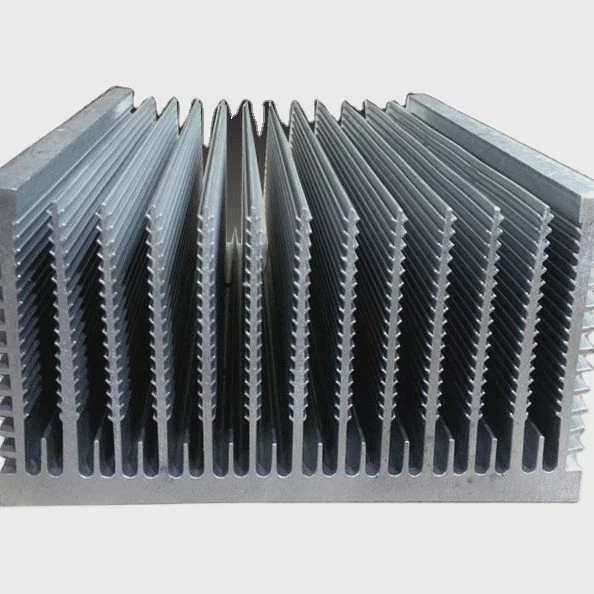
Smartphones and laptops keep getting thinner, but heat keeps going up—what’s the solution?
Yes, vapor chambers are widely used in consumer electronics to manage thermal loads in slim, high-performance devices.
Let’s look at how and where these chambers fit into today’s hottest gadgets.
Are Vapor Chambers used in consumer devices?

Yes, vapor chambers are now a standard thermal management tool in many consumer electronic products, especially in portable and compact devices that need high heat dissipation in limited space.
Yes, vapor chambers are used in smartphones, laptops, tablets, and gaming consoles to handle localized heat from processors and batteries.
Key Consumer Products Using Vapor Chambers
| Product Type | Typical Use Case |
|---|---|
| Smartphones | SoC, battery, camera heat spread |
| Laptops | CPU, GPU thermal control |
| Tablets | Passive heat dissipation |
| Handheld gaming | Continuous high-load SoC cooling |
| Smart TVs | Panel and chipset temperature control |
| VR headsets | Lightweight passive thermal solution |
| Drones | Camera module and flight processor |
In these products, vapor chambers help reduce device surface temperatures, improve battery life by minimizing thermal throttling, and prevent component failure due to overheating.
Manufacturers often use ultra-thin chambers—0.3 mm to 1.0 mm thick—designed to fit tight layouts under logic boards or between screens and batteries.
Which electronics benefit most from Vapor Chambers?
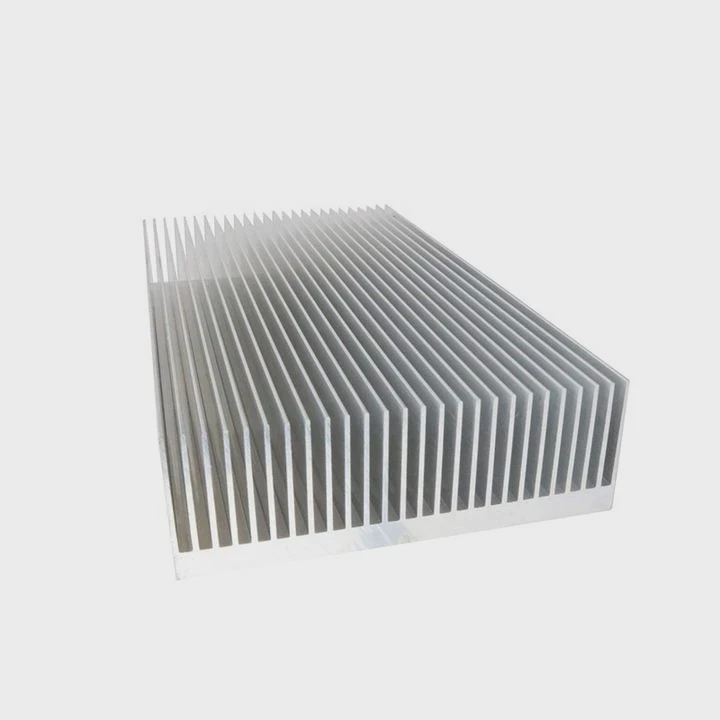
Devices that generate high heat in a confined space benefit most from vapor chamber cooling. These are typically high-performance, compact electronics where fan cooling is either undesirable or physically impossible.
High-density, heat-sensitive consumer devices benefit most from vapor chambers, including smartphones, gaming laptops, and tablets.
Ideal Consumer Applications for Vapor Chambers
| Category | Reason for Benefit |
|---|---|
| Smartphones | Heat from SoC, camera, and 5G modules |
| Laptops | Thin profiles require flat, silent cooling |
| Tablets | Passive design needs low-profile heat spread |
| Wearables | Heat comfort near skin, no fans allowed |
| Game Consoles | Long-duration GPU usage causes hotspots |
| Drones | Sensitive flight processors, small frame |
Performance Improvements with Vapor Chambers
- Reduces peak skin temperatures by 5–10°C
- Maintains CPU/GPU frequency longer (less throttling)
- Spreads heat away from critical touch areas
- Supports silent, fanless cooling in some devices
As power density increases, even mid-range electronics now use vapor chambers where simple graphite sheets used to be enough.
Can Vapor Chambers be miniaturized for mobile use?
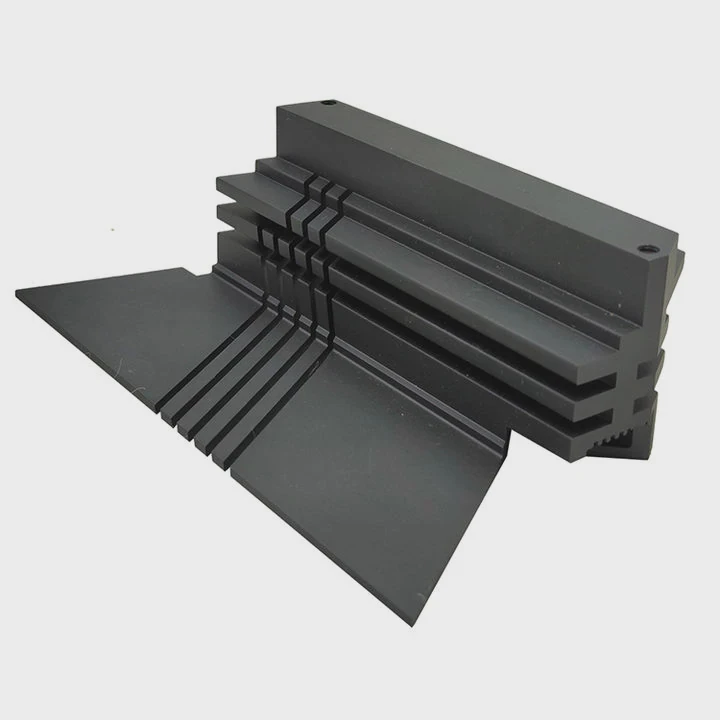
Yes, modern vapor chambers have been successfully miniaturized to fit into ultra-thin electronics without sacrificing performance. These versions are optimized in size, wall thickness, and internal wick design.
Yes, vapor chambers can be miniaturized to less than 0.3 mm thickness for smartphones and other mobile electronics.
Miniaturization Techniques
| Method | Benefit |
|---|---|
| Ultra-thin copper sheets | Reduces total thickness profile |
| Micro sintered wick | Maintains capillary flow at small scale |
| Precision laser welding | Enables sealing of narrow geometries |
| Multi-zone layout | Spreads heat across asymmetrical zones |
Common Mini Vapor Chamber Specs
| Feature | Range |
|---|---|
| Thickness | 0.25 mm to 1.2 mm |
| Width | 10 mm to 50 mm |
| Length | 20 mm to 150 mm |
| Power capacity | 3 W to 15 W |
| Materials | Pure copper, nickel-plated copper |
These chambers can be shaped to follow the phone’s internal layout, including curves and L-shapes. Despite their size, they outperform traditional graphite films in both peak heat spreading and temperature uniformity.
Are smartphone makers using Vapor Chamber cooling?
Yes, nearly all top smartphone brands now use vapor chambers or advanced heat pipe systems in their flagship models. As chipsets get hotter and 5G radios run longer, thermal solutions must keep pace.
Yes, brands like Samsung, Apple, Xiaomi, and OnePlus use vapor chamber cooling in high-end smartphones to manage SoC and battery heat.
Brands Using Vapor Chambers
| Brand | Vapor Chamber Usage |
|---|---|
| Samsung | Galaxy S series, Fold models |
| Apple | iPhone Pro series (combined solutions) |
| Xiaomi | Mi and Redmi gaming models |
| OnePlus | Flagship models with multi-layer cooling |
| ASUS | ROG Phone series with custom chambers |
| Huawei | Mate and P series (pre-2022) |
Why They Use Vapor Chambers
- Better heat spread: Avoids localized heat near CPU/GPU
- Improved touch comfort: Keeps phone back cooler
- Gaming stability: Prevents throttling during extended use
- Battery protection: Limits thermal damage and prolongs life
Chambers in phones are often paired with graphite sheets, copper foils, or heat-spreading gels in multi-layer stacks. These combos balance cost, space, and efficiency.
Some smartphones also use custom-designed vapor chambers that wrap around logic boards or battery zones to target specific heat sources.
Conclusion
Vapor chambers are now essential in high-performance consumer electronics, especially where space is limited and heat is intense. They are used in smartphones, tablets, laptops, and even wearables. With ultra-thin designs and flexible shapes, they offer better cooling than passive films—and are now standard in many flagship devices.
TAGS
Latest Articles

Volume discount levels for heat sink orders?
Buyers often ask when heat sink prices start to drop with volume. Many worry they’re overpaying for small orders. This guide explains how B2B volume pricing works for thermal components. Heat sink
21 Dec,2025
Heat sink long-term supply contract options?
Many buyers want stable pricing and reliable delivery for heat sinks. But without a clear contract, risks grow over time. This article explores how to secure better long-term supply deals. Long-term
21 Dec,2025
Tooling cost for new heat sink profiles?
Many engineers struggle to understand why tooling for custom heat sinks costs so much. They worry about budgeting and production timelines. This article breaks down the cost drivers behind tooling.
21 Dec,2025
Heat sink custom sample process steps?
Sometimes, starting a custom heat sink project feels overwhelming—too many steps, too many unknowns, and too many risks. You want a sample, but not endless delays. The process for requesting and
20 Dec,2025
Standard B2B terms for heat sink payments?
When buyers and sellers in B2B heat sink markets talk about payment, many don’t fully understand what’s standard. This can lead to delayed orders, miscommunication, and even lost business
20 Dec,2025
Heat sink pricing factors for large orders?
Heat sinks are vital for many systems. When prices rise, projects stall and budgets break. This problem can hit teams hard without warning. Large order heat sink pricing depends on many factors. You
20 Dec,2025Related Articles
- How efficient is Vapor Chamber cooling?
- Common Vapor Chamber application industries?
- Vapor Chamber Installation in HVAC Systems?
- How to evaluate Vapor Chamber supplier reliability?
- Does Vapor Chamber need UL certification?
- Testing equipment needed for Vapor Chamber?
- Vapor Chamber export compliance checklist?
- Vapor Chamber market growth forecast?
- How to recycle Vapor Chamber materials?
- Collaborative development for Vapor Chamber projects?
- Vapor Chamber technical drawing requirements?
- Vapor Chamber for industrial heat dissipation solutions?
Author
Dr. Emily Chen
Chief AI Researcher
Leading expert in thermal dynamics and AI optimization with over 15 years of experience in data center efficiency research.
Categories
Latest Products






Recommend Categories
- Liquid cooling plate Manufacturer
- Industrial Heat Sink Manufacturer
- Standard Heat Sink Manufacturer
- Aluminum Heat Sink Manufacturer
- Copper Heat Sink Manufacturer
- Anodized Heatsink Manufacturer
- Stamping heat sink Manufacturer
- Die Casting Heatsink Manufacturer
- Soldering heat sink Manufacturer
- CNC Parts Manufacturer
Latest Products
- Wholesale Aluminum Radiator
- Water Cooling Plate Kit
- Water Cooling Heat Sink
- Water Cooling Heat Sink Kit
- Stainless Steel Water Distributor
- Server Water Cooling Plate Kit
- Server Liquid Cooling System
- Server Aluminum Cooling Kit
- S19 Full Cover Cooling Plate
- S19 Cooling Plate Kit
- S19 Aluminum Cooling Plate
Contact Expert
Have questions about this article? Reach out to our experts directly.