How to evaluate Vapor Chamber supplier reliability?
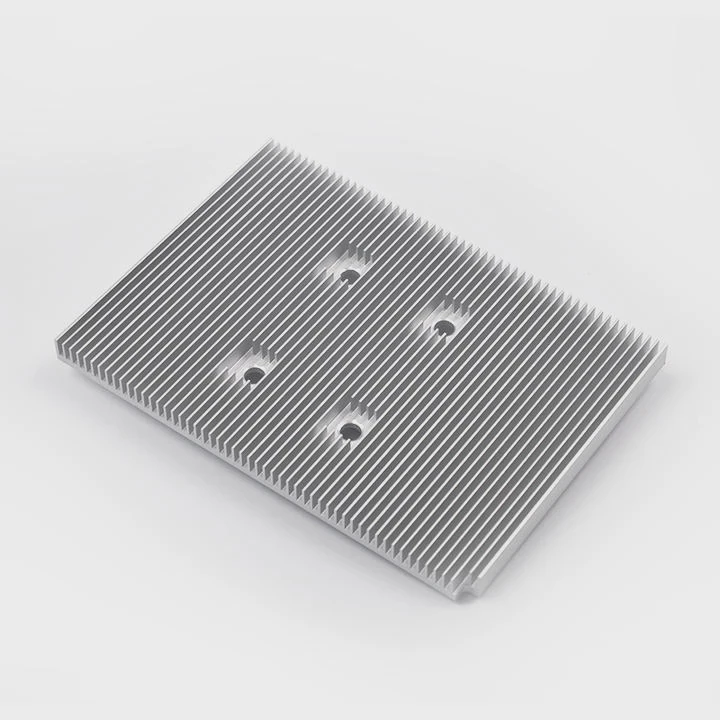
Feeling unsure about which vapor‑chamber supplier you can trust? Poor supplier choices can cost time, money, and credibility.
You can evaluate a vapor‑chamber supplier’s reliability by assessing key metrics, verifying their production capabilities, reviewing third‑party audits, and checking for relevant certifications.
In the following sections I’ll walk you through each of those four areas in detail so you can make a well‑informed choice.
What metrics assess Vapor Chamber supplier reliability?
Wondering what numbers matter when you vet a supplier? The wrong metrics lead to surprises later on.
Important metrics include yield rate, thermal performance consistency, defect rate, on‑time delivery rate and capacity utilisation.
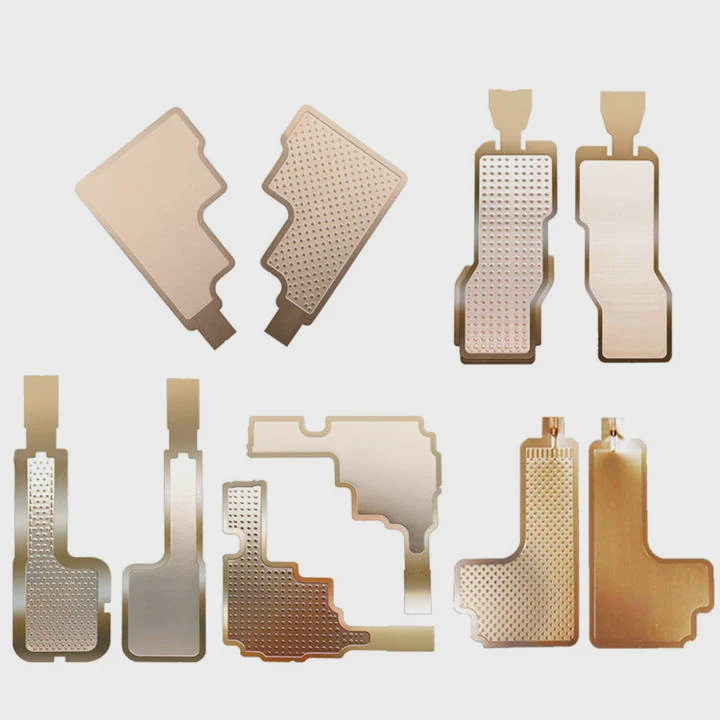
When you evaluate a supplier for vapor chambers (VCs), you need quantitative data. Here are several key metrics and what they tell you.
Key metrics and what to ask for
| Metric | Why it matters |
|---|---|
| Yield rate (%, first pass) | If only a small percentage of units pass the initial test, production is unstable or precision weak. |
| Defect rate / reject rate | High defects mean less reliability in mass‑production. |
| Thermal performance variation | For example in VCs this might include thermal resistance spread, uniformity, effective conductivity. |
| On‑time delivery rate | Even with good product quality, if deliveries are late that can disrupt your supply chain. |
| Capacity utilisation / lead time | Knowing the supplier is running near capacity may signal risk of bottlenecks. |
| Change‑control and process stability | How often do they change materials or processes? Frequent variation reduces reliability. |
It’s useful to ask the supplier for historical data for the last 12‑24 months on these metrics. For example: “Over the past year what has been your average first‑pass yield for this specific vapor chamber design?” You should compare their data with your required thresholds. If they claim “> 99% yield” but cannot produce supporting records or samples, that’s a red flag.
Because vapor chambers are two‑phase devices (wick structure, vapor space, condensation return etc.), manufacturing precision is critical. Effective thermal conductivities depend heavily on how well the wick and cavity are fabricated. That means you should not just ask for design specs but for actual measured performance over many units.
Finally, you should establish acceptable tolerances for each metric (e.g., yield must be ≥ 98%, defect rate ≤ 2%, thermal performance variation within ±5 %). Then you check supplier claims against that. If a supplier cannot commit to these numbers (or deliver documentation), reliability is lower.
How to verify supplier production capabilities?
You might have impressive specs, but can the supplier actually deliver volume reliably? Manufacturing capability is key.
Verify by visiting their production site (or via remote audit), checking equipment, workforce, process flow, capacity and traceability systems.
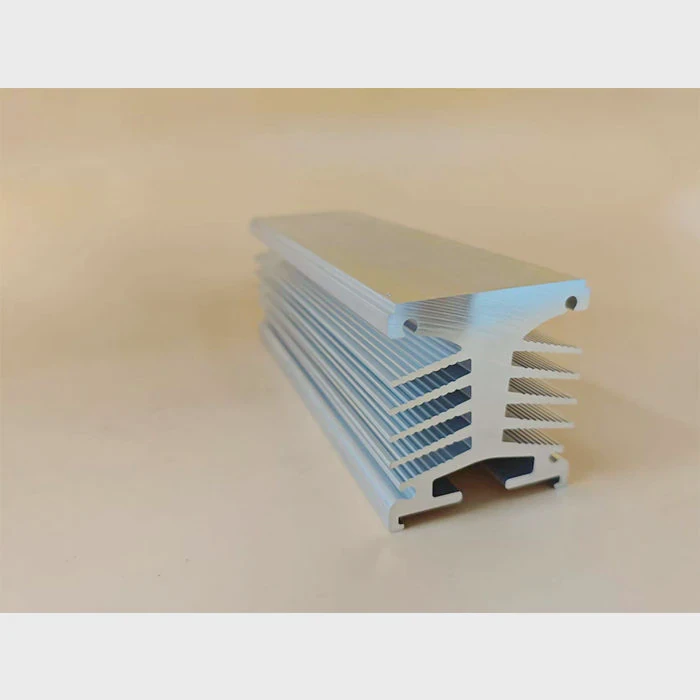
Verifying production capabilities goes beyond swiping a brochure; you need to dig into the factory, the processes, and the people. Here’s how I recommend structuring your verification.
Factory readiness
- Visit the manufacturing site in person if possible (or via live video tour if geography prevents it).
- Check how many production lines they have, what their monthly output is, and how much of that is dedicated to vapor chambers.
- Confirm that their capacity aligns with your demand plus buffer.
- Ask about shift patterns, downtime, maintenance schedules, scrap rate and how they plan scaling.
Process flow and traceability
- Review their process flow from raw material receipt to final packaging.
- Ask for documentation of process control points (PCPs) and quality checkpoints.
- Check for traceability: does each unit carry a serial or batch number with complete records?
- Inspect their equipment for key steps like brazing, vacuum sealing, leak testing, and flatness checks.
Sample/production ratio and pilot runs
- Ask for a pilot run for your part number and review results in detail.
- Check lead times from PO to pilot to full production.
- Review how they handle changes from sample to full production.
Quality of workforce and culture
- Observe operator skill levels and overall factory cleanliness.
- Ask about continuous improvement practices like quality reviews and defect tracking.
Contractual and logistic capability
- Check packaging, export ability, and stock management practices.
- Ask about their mitigation plan for disruptions in material or labor.
Verifying production capability means validating that the supplier has the right infrastructure, process maturity, people and logistics to meet your requirements consistently and at scale. Without that, even a technically capable supplier may fail you.
Are third‑party audits useful for supplier evaluation?
You might ask: “Do we really need audits?” The answer is yes—external audits add objectivity to supplier evaluation.
Third‑party audits (e.g., quality system audits, process audits, environmental audits) help you uncover hidden risks and verify the supplier’s claims.
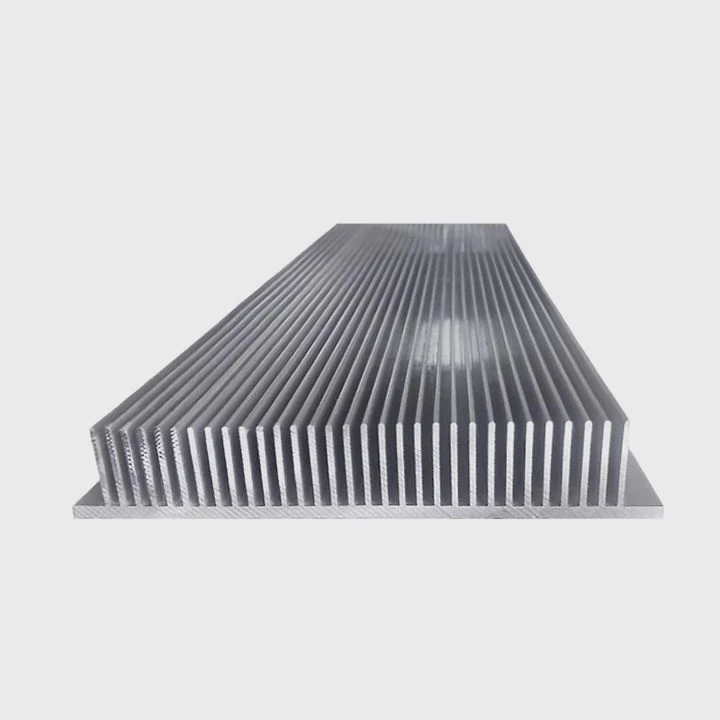
Third‑party audits are a powerful tool in supplier reliability evaluation. They provide independent validation of the supplier’s operational claims, and can highlight issues you might miss on your own.
What kinds of audits matter
| Audit Type | What it covers |
|---|---|
| Quality system audit | ISO 9001 or IATF compliance, corrective actions, internal audits. |
| Process/manufacturing audit | Process controls, equipment calibration, test systems. |
| Export/logistics audit | Documentation, customs compliance, packaging. |
| EHS audit | Safety, ventilation, chemical handling, emissions. |
| Technical audit | VC-specific parameters: vacuum seal, wick structure, leak tests. |
How to leverage the audit
- Use a checklist tailored to vapor chamber manufacturing.
- Review test documentation: leak rate, flatness, heat performance.
- Inspect calibration records and process logs.
- Request action plans for any non‑conformities found.
- Schedule periodic follow-up audits to check for ongoing compliance.
What audits reveal that you might miss
- Poor worker training or high staff turnover.
- Process drift from the original production method.
- Absence of root‑cause analysis for repeated defects.
- Uncalibrated or worn‑out test equipment.
- Unreliable raw material sourcing that may affect long‑term quality.
Third‑party audits are not a replacement for direct visits or metrics, but they’re essential for reducing hidden risks. They also force suppliers to maintain standards under independent review.
What certifications indicate supplier quality?
Certifications alone don’t guarantee everything, but the right ones are strong indicators of supplier maturity and reliability.
Look for certifications such as ISO 9001, IATF 16949 (for automotive), ISO 14001, EN 15085 (for rail/transport), and sometimes NADCAP (aerospace) when qualifying a vapor‑chamber supplier.
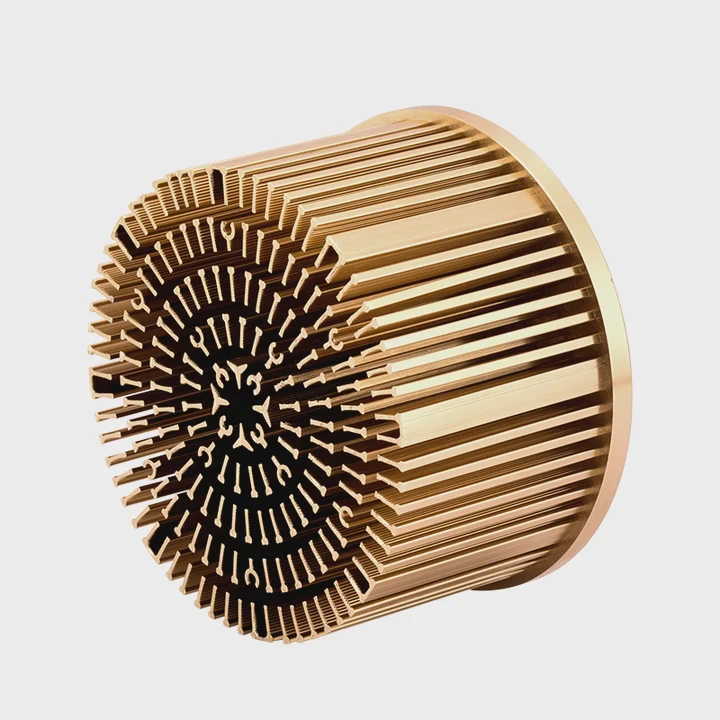
When sourcing a supplier for vapor chambers, the certifications they hold can indicate their system maturity, especially for high-end or regulated sectors.
Common certifications and what they cover
| Certification | Sector | What it proves |
|---|---|---|
| ISO 9001 | All | Supplier has a structured quality system. |
| IATF 16949 | Automotive | Includes automotive-specific process controls. |
| ISO 14001 | All | Demonstrates environmental management systems. |
| EN 15085 | Rail | Confirms rail-specific welding practices. |
| DIN 6701 | Rail | Relevant to bonding components, adhesives. |
| NADCAP | Aerospace | High-level aerospace process control. |
| AS9100 | Aerospace | Aerospace QMS certification. |
How certifications help evaluation
- Show that a third-party body verified the supplier’s system.
- Indicate discipline in documentation and change control.
- Help reduce your internal audit burden if compliance is inherited.
- Often required by law or corporate rules in regulated sectors.
- Show readiness to serve high-reliability sectors.
What to check
- Are the certificates valid and current?
- Is the certification scope relevant to your part?
- Was the issuing body legitimate (e.g., SGS, TUV, LR)?
- Ask how the supplier applies its certified system to your product.
- Combine certification review with test data and pilot-run results.
Certifications are a strong indicator but not a standalone measure. They must support — not replace — what you see in performance metrics and on-site audits.
Conclusion
Choosing a reliable vapor‑chamber supplier means looking at the full picture: solid metrics (yield, defect rate, performance consistency), verified production capability, independent audit results, and relevant certifications. When you combine all four, you reduce risk and build a stronger supply‑chain foundation.
TAGS
Latest Articles

Volume discount levels for heat sink orders?
Buyers often ask when heat sink prices start to drop with volume. Many worry they’re overpaying for small orders. This guide explains how B2B volume pricing works for thermal components. Heat sink
21 Dec,2025
Heat sink long-term supply contract options?
Many buyers want stable pricing and reliable delivery for heat sinks. But without a clear contract, risks grow over time. This article explores how to secure better long-term supply deals. Long-term
21 Dec,2025
Tooling cost for new heat sink profiles?
Many engineers struggle to understand why tooling for custom heat sinks costs so much. They worry about budgeting and production timelines. This article breaks down the cost drivers behind tooling.
21 Dec,2025
Heat sink custom sample process steps?
Sometimes, starting a custom heat sink project feels overwhelming—too many steps, too many unknowns, and too many risks. You want a sample, but not endless delays. The process for requesting and
20 Dec,2025
Standard B2B terms for heat sink payments?
When buyers and sellers in B2B heat sink markets talk about payment, many don’t fully understand what’s standard. This can lead to delayed orders, miscommunication, and even lost business
20 Dec,2025
Heat sink pricing factors for large orders?
Heat sinks are vital for many systems. When prices rise, projects stall and budgets break. This problem can hit teams hard without warning. Large order heat sink pricing depends on many factors. You
20 Dec,2025Related Articles
- Does Vapor Chamber need UL certification?
- Testing equipment needed for Vapor Chamber?
- Vapor Chamber design approval process?
- MOQ for Vapor Chamber with CNC machining?
- Can Vapor Chamber be fully customized?
- What affects Vapor Chamber unit price?
- Vapor Chamber Installation in HVAC Systems?
- Common Vapor Chamber application industries?
- How efficient is Vapor Chamber cooling?
- Vapor Chamber for consumer electronics?
- Vapor Chamber export compliance checklist?
- Vapor Chamber market growth forecast?
Author
Dr. Emily Chen
Chief AI Researcher
Leading expert in thermal dynamics and AI optimization with over 15 years of experience in data center efficiency research.
Categories
Latest Products






Recommend Categories
- Liquid cooling plate Manufacturer
- Industrial Heat Sink Manufacturer
- Standard Heat Sink Manufacturer
- Aluminum Heat Sink Manufacturer
- Copper Heat Sink Manufacturer
- Anodized Heatsink Manufacturer
- Stamping heat sink Manufacturer
- Die Casting Heatsink Manufacturer
- Soldering heat sink Manufacturer
- CNC Parts Manufacturer
Latest Products
- Wholesale Aluminum Radiator
- Water Cooling Plate Kit
- Water Cooling Heat Sink
- Water Cooling Heat Sink Kit
- Stainless Steel Water Distributor
- Server Water Cooling Plate Kit
- Server Liquid Cooling System
- Server Aluminum Cooling Kit
- S19 Full Cover Cooling Plate
- S19 Cooling Plate Kit
- S19 Aluminum Cooling Plate
Contact Expert
Have questions about this article? Reach out to our experts directly.