Future demand for Vapor Chamber in EV sector?
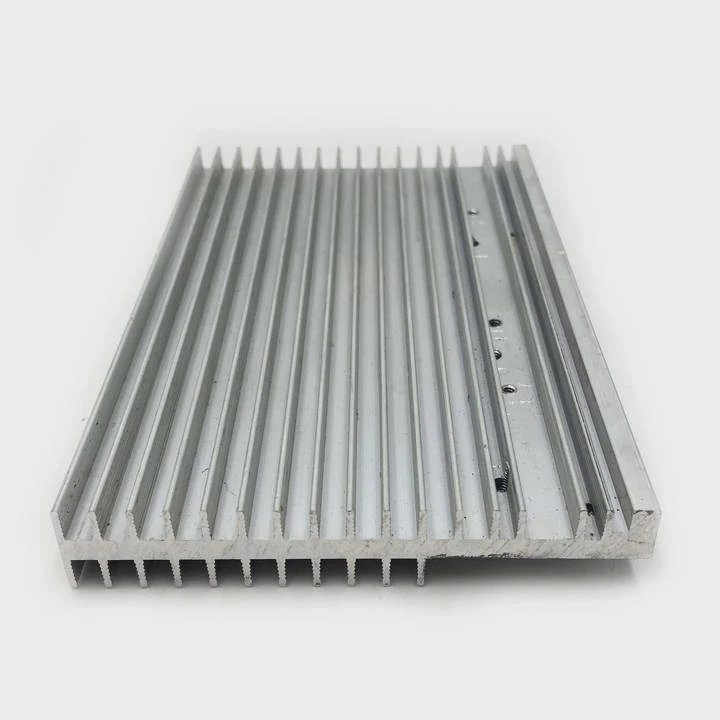
The move toward electric vehicles (EVs) brings intense thermal‑management challenges. Smart buyers know that cooling solutions will make or break system reliability.
Demand for vapor chambers in EVs is set to grow strongly, driven by higher power densities, fast charging, and tighter thermal‑design constraints.
Understanding the driving forces behind this demand is critical for both manufacturers and system integrators preparing for the next wave of automotive innovation.
How is EV growth impacting Vapor Chamber demand?
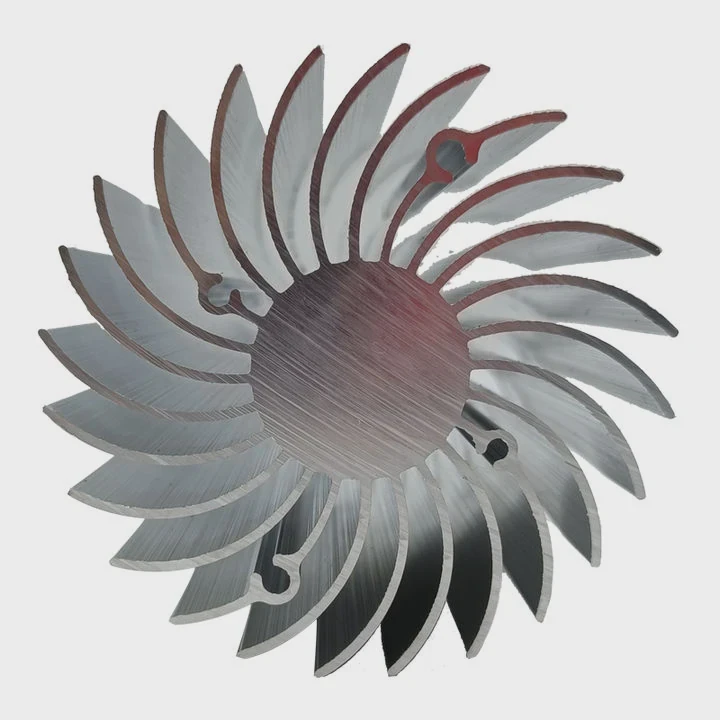
The rapid global growth of EVs means more batteries, more power electronics and more motors to cool. The global market for vapor chambers in EV applications reached USD 1.12 billion in 2024 and is forecast to grow at a CAGR of 18.7% over the next five years.
This growth in electric mobility is significantly increasing the need for compact, high-efficiency cooling solutions like vapor chambers.
EVs are becoming more energy‑dense. Faster charging technologies increase heat flux across battery and power modules. Power electronics are shrinking, but their thermal load continues rising. At the same time, vehicle designs push toward compact, integrated layouts, leaving less space for cooling systems.
Vapor chambers provide thin, efficient, and passive thermal control — ideal for these conditions. Market studies also show that automakers in Asia-Pacific are leading the adoption of advanced cooling techniques, making it a prime region for vapor chamber suppliers to expand.
EV Thermal Trends Driving Vapor Chamber Demand
| Trend | Impact on Thermal Design |
|---|---|
| Higher power densities | Increases need for uniform heat spreading |
| Fast charging | Sharp heat rise in battery modules |
| Power module miniaturization | Less space, more heat per cm² |
| Tighter system integration | Flat thermal devices become essential |
Which EV parts benefit from Vapor Chamber cooling?
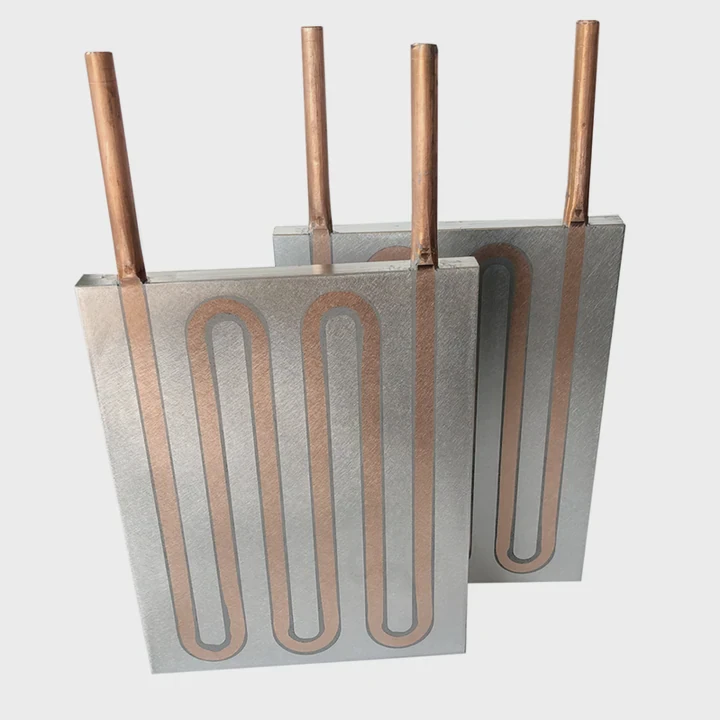
Vapor chambers are now used in more than just consumer electronics. Several EV subsystems can benefit greatly from this cooling solution.
Key EV systems like battery modules, inverters, and onboard chargers can achieve better thermal efficiency and longevity using vapor chambers.
1. Battery Modules
Modern battery packs generate significant heat, especially during high-current charging or aggressive driving. Vapor chambers improve temperature uniformity and prevent localized overheating, which enhances safety and cycle life.
2. Power Electronics
Inverters, converters, and chargers operate in compact spaces and often near the battery. Their switching components benefit from planar vapor chambers that quickly spread heat across surfaces.
3. E-Motors and Motor Controllers
Stator windings and motor housings experience thermal buildup during operation. Vapor chambers integrated into the structure can reduce peak temperatures, especially during high-duty usage in commercial EVs.
4. Auxiliary Systems
Modules like onboard computers, telematics, and sensors require compact and passive cooling, making vapor chambers a strong candidate for next-generation EV platforms.
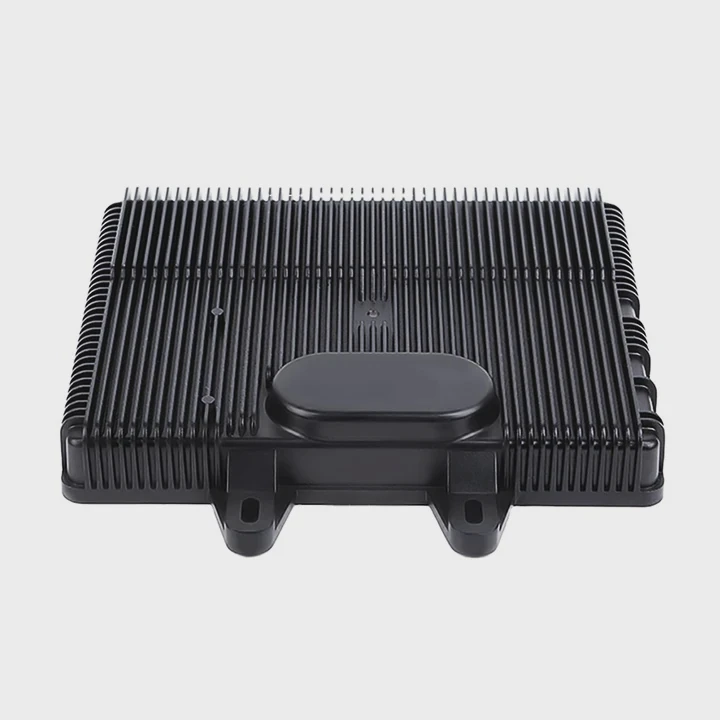
| EV Component | Thermal Challenge | Vapor Chamber Advantage |
|---|---|---|
| Battery module | Heat spikes during charge/discharge | Uniform spreading, low profile design |
| Inverter | Localized heat in confined PCB area | Isothermal surface cooling |
| Motor housing | Hotspots and vibrations | Vibration-tolerant heat redistribution |
| Charging module | Peak load during AC/DC conversion | Compact and passive thermal response |
Are carmakers investing in Vapor Chamber tech?
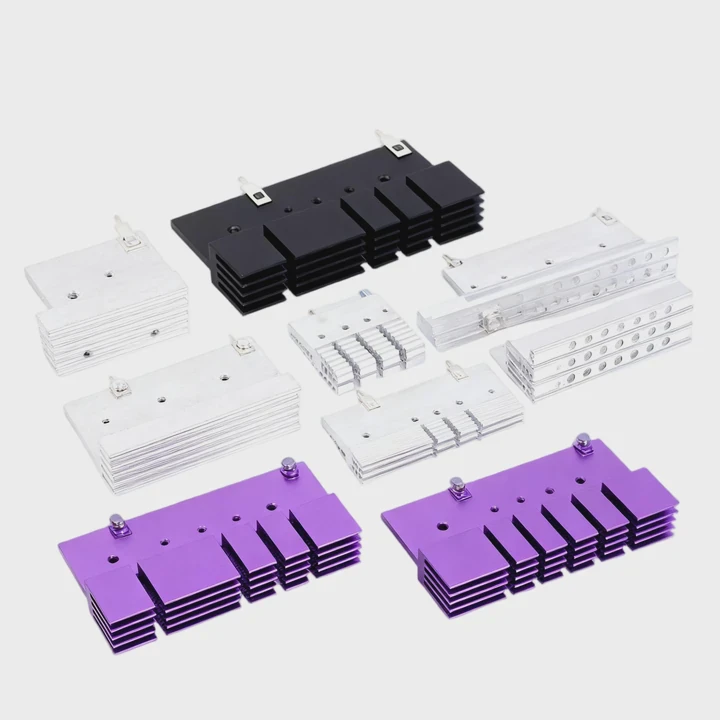
Automakers globally are investing heavily in EV thermal systems. Vapor chambers are being explored as part of multi-layered, hybrid cooling strategies.
Yes — major OEMs and Tier-1 suppliers are actively testing vapor chamber technologies as part of their next-gen EV platform thermal solutions.
Thermal management is now seen as a key differentiator in EV performance and safety. Several global reports highlight joint R&D projects between cooling system providers and automakers focused on integrating vapor chambers into:
- Battery baseplates
- Inverter housings
- E-axle power modules
- Autonomous driving system enclosures
Suppliers that can deliver vapor chamber solutions with automotive-grade certifications, such as ISO/TS standards and long-term durability validation, are more likely to be included in OEM sourcing pipelines.
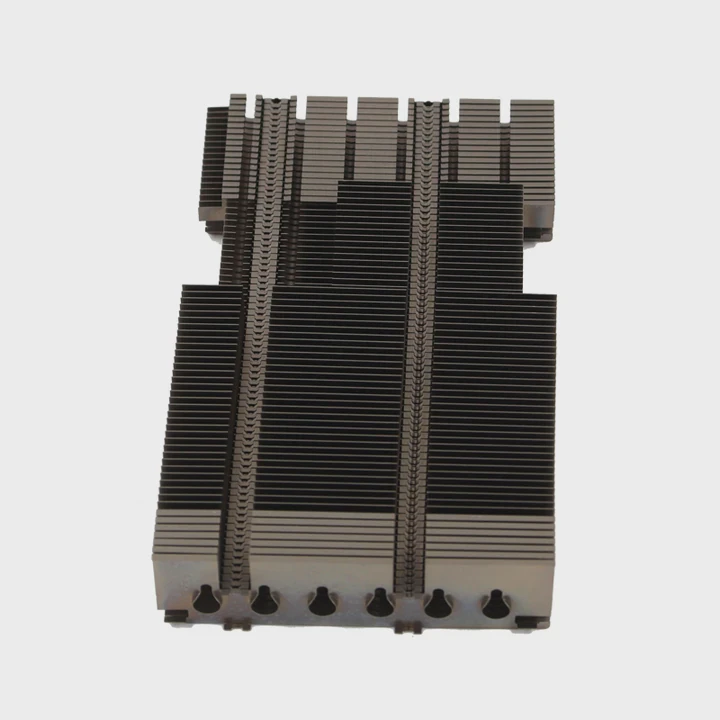
| Carmaker Focus Area | Vapor Chamber Integration Target |
|---|---|
| Tesla / BYD | Cell-to-pack battery thermal plates |
| Volkswagen / Audi | E-motor cooling using embedded vapor paths |
| Hyundai / Kia | Compact inverters for EV SUVs |
| Toyota / Honda | Auxiliary module cooling for hybrid EVs |
Thermal innovation is a competitive field. Being part of this early investment phase is essential to long-term inclusion in electric vehicle platforms.
Is custom design needed for EV Vapor Chamber applications?
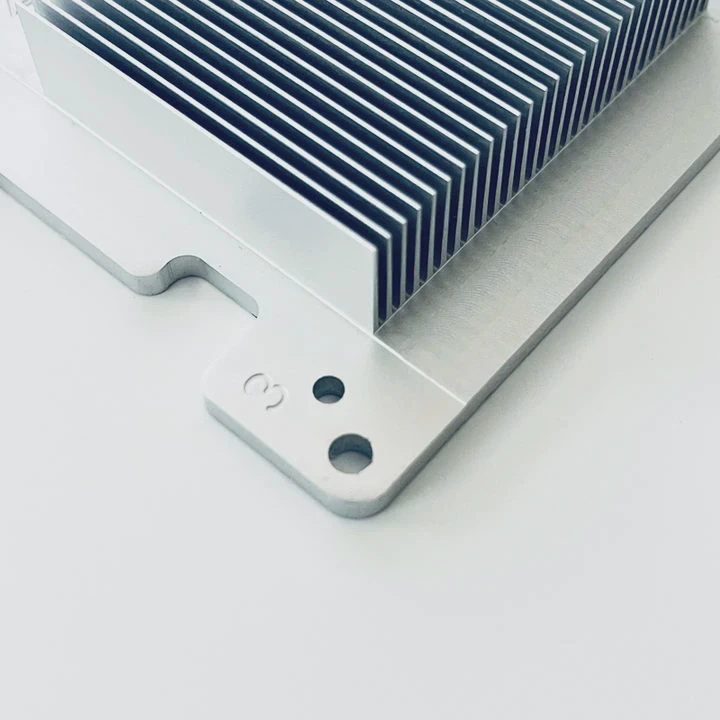
Off-the-shelf vapor chambers can’t meet the rugged and integrated needs of EV components. That’s why custom solutions are essential.
Yes — almost all vapor chambers used in EVs require custom dimensions, material choices, and structural design tailored to specific module configurations.
The geometry of a battery module, the mounting points on an inverter housing, or the assembly within a charging unit all influence the shape and capacity of the vapor chamber. EV-grade components also need to pass vibration testing, environmental exposure tests, and survive multi-year life cycles.
Key customization factors include:
- Geometry: Flat or contoured shapes to match module layout
- Material: Aluminum or copper depending on weight vs conductivity
- Mounting: Tabs, fins, or bracket-ready edges
- Reliability: Enhanced sealing, anti-corrosion surface treatments
- Integration: Multi-layer bonding with cold plates or spreaders
| Custom Design Parameter | EV Requirement |
|---|---|
| Chamber thickness | Fit into tight module spaces |
| Internal wick structure | Handle high-frequency load cycles |
| Surface flatness | Match inverter or battery enclosure tolerances |
| Thermal conductivity | Maintain °C delta at high heat flux |
Suppliers with in-house design capabilities, advanced welding/brazing technology, and material science experience will have the upper hand in this high-growth segment.
Conclusion
EV adoption is rapidly expanding the market for vapor chamber cooling. As battery, inverter, and onboard electronics push power limits, vapor chambers offer compact, efficient solutions. Automakers are investing in this technology, but success depends on the ability to deliver customized, validated, and scalable designs. Suppliers who prepare for EV-specific demands now will be ready for the next wave of mobility innovation.
TAGS
Latest Articles

Volume discount levels for heat sink orders?
Buyers often ask when heat sink prices start to drop with volume. Many worry they’re overpaying for small orders. This guide explains how B2B volume pricing works for thermal components. Heat sink
21 Dec,2025
Heat sink long-term supply contract options?
Many buyers want stable pricing and reliable delivery for heat sinks. But without a clear contract, risks grow over time. This article explores how to secure better long-term supply deals. Long-term
21 Dec,2025
Tooling cost for new heat sink profiles?
Many engineers struggle to understand why tooling for custom heat sinks costs so much. They worry about budgeting and production timelines. This article breaks down the cost drivers behind tooling.
21 Dec,2025
Heat sink custom sample process steps?
Sometimes, starting a custom heat sink project feels overwhelming—too many steps, too many unknowns, and too many risks. You want a sample, but not endless delays. The process for requesting and
20 Dec,2025
Standard B2B terms for heat sink payments?
When buyers and sellers in B2B heat sink markets talk about payment, many don’t fully understand what’s standard. This can lead to delayed orders, miscommunication, and even lost business
20 Dec,2025
Heat sink pricing factors for large orders?
Heat sinks are vital for many systems. When prices rise, projects stall and budgets break. This problem can hit teams hard without warning. Large order heat sink pricing depends on many factors. You
20 Dec,2025Related Articles
- Cost comparison of Vapor Chamber and heat pipe?
- Green manufacturing for Vapor Chamber?
- Vapor Chamber role in energy saving systems?
- Vapor Chamber technology upgrade trends?
- OEM or ODM options for Vapor Chamber?
- Vapor Chamber servicing instructions?
- High efficiency Vapor Chamber alternative materials?
- Can Vapor Chamber improve CPU cooling performance?
- Vapor Chamber design service available?
- Custom Vapor Chamber for High Power Devices?
- How to choose Vapor Chamber supplier?
- Standard thickness of Vapor Chamber copper plate?
Author
Dr. Emily Chen
Chief AI Researcher
Leading expert in thermal dynamics and AI optimization with over 15 years of experience in data center efficiency research.
Categories
Latest Products
M.2 Heatpipe Heatsink With Dual Fans For Pc Case
19 Mar,2026
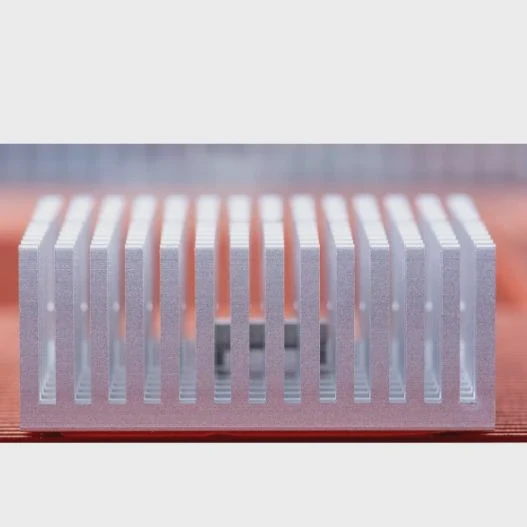
Heavy-Duty Aluminum Heat Sink Custom
19 Mar,2026
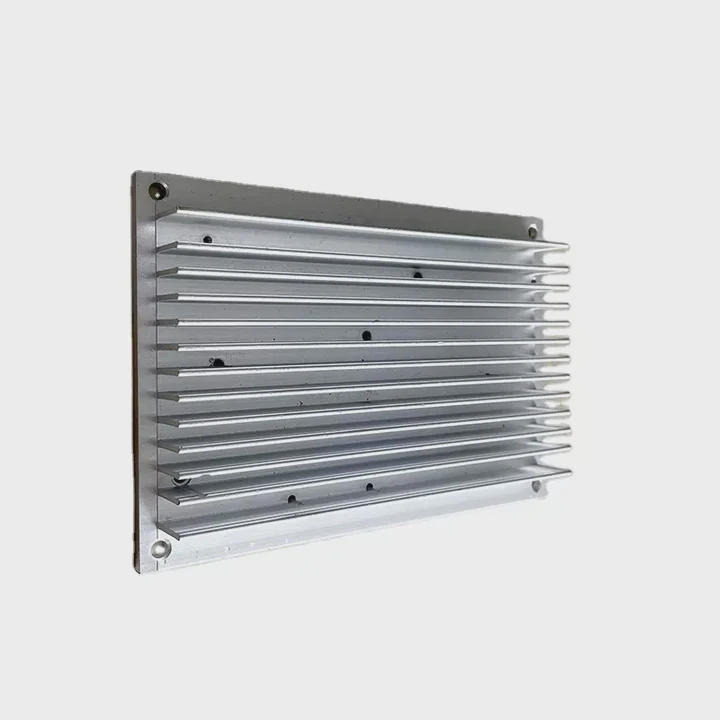
Oem Skived Fin Heatsink Aluminum Radiator For Plants
19 Mar,2026
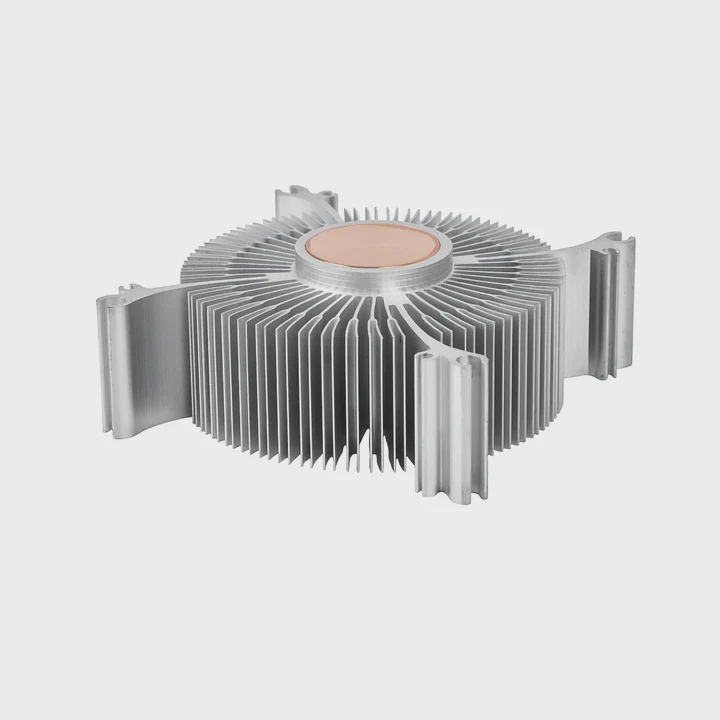
Water Cooled Cnc Aluminum Heat Sink For Medical
19 Mar,2026
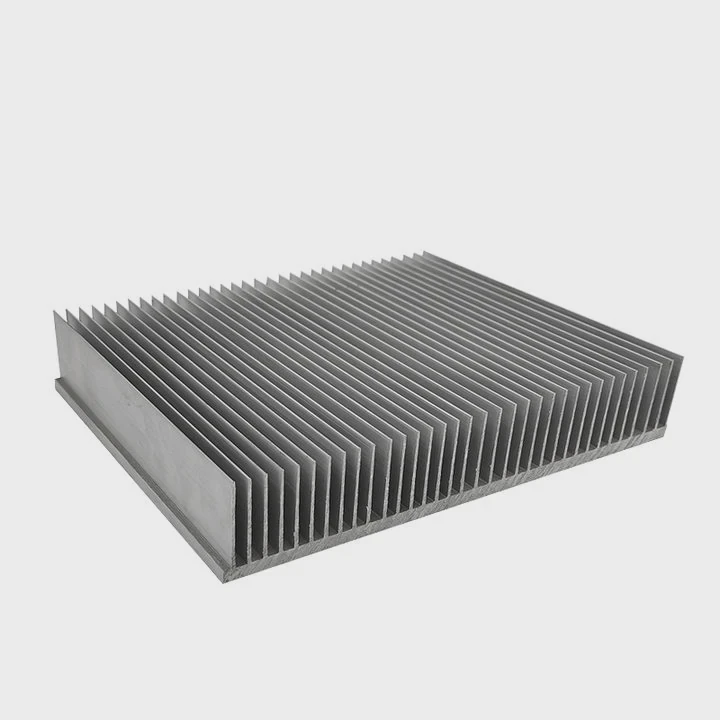
High Density 6000 Series Aluminum Heat Sink Profile
19 Mar,2026
High-Density Extruded Aluminum & Bonded-Fin Heat Sink Profile
19 Mar,2026
Recommend Categories
- Liquid cooling plate Manufacturer
- Industrial Heat Sink Manufacturer
- Standard Heat Sink Manufacturer
- Aluminum Heat Sink Manufacturer
- Copper Heat Sink Manufacturer
- Anodized Heatsink Manufacturer
- Stamping heat sink Manufacturer
- Die Casting Heatsink Manufacturer
- Soldering heat sink Manufacturer
- CNC Parts Manufacturer
Latest Products
- M.2 Heatpipe Heatsink With Dual Fans For Pc Case
- Heavy-Duty Aluminum Heat Sink Custom
- Oem Skived Fin Heatsink Aluminum Radiator For Plants
- Water Cooled Cnc Aluminum Heat Sink For Medical
- High Density 6000 Series Aluminum Heat Sink Profile
- High-Density Extruded Aluminum & Bonded-Fin Heat Sink Profile
- Dongguan Cnc Aluminum Heat Sink For Led & Brass Parts
- Wholesale Cnc Aluminum Heat Sink - Custom Extruded
- Led Cnc Round Heat Sink With Screw Holes
- Copper Pin-Fin Heat-Sink Large-Area For Photoled Cooling
- Telecom Heatsink Zipper Fin Wcopper Tubes Oem
Contact Expert
Have questions about this article? Reach out to our experts directly.