OEM or ODM options for Vapor Chamber?
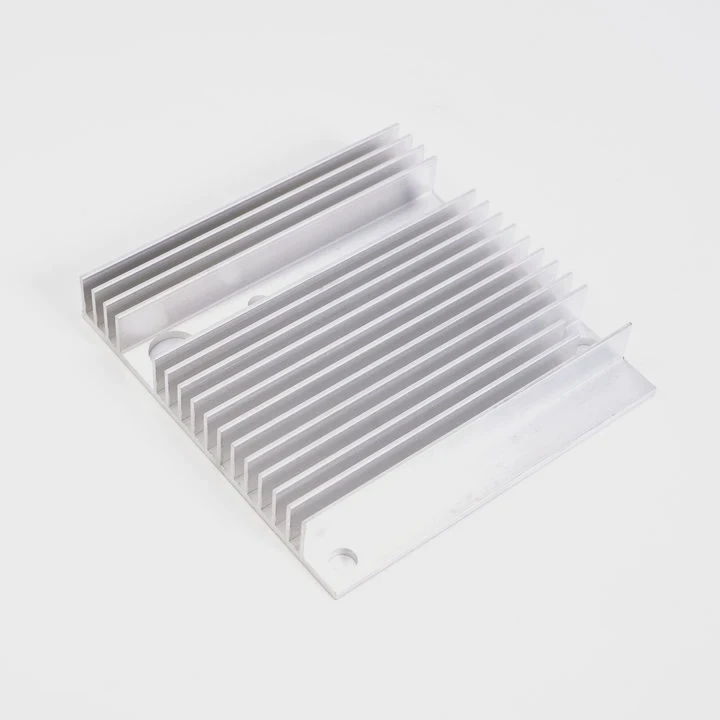
Feeling stuck choosing between full custom design and faster off‑the‑shelf sourcing? In the thermal management world of vapor chambers, your choice of OEM vs ODM can make or break cost, speed and differentiation.
OEM means you supply the design and the manufacturer builds the vapor chamber to your specs; ODM means the manufacturer already has a design, you pick or slightly tweak it, then brand it.
Transitioning into the details, you’ll see which route suits your scenario best.
What is the difference between OEM and ODM for Vapor Chambers?
Looking for clarity? Confusion between “custom built” and “choose & rebrand” is common.
OEM (Original Equipment Manufacturer) means the buyer defines design and intellectual property; ODM (Original Design Manufacturer) means the supplier has the design and the buyer brands or slightly modifies it.
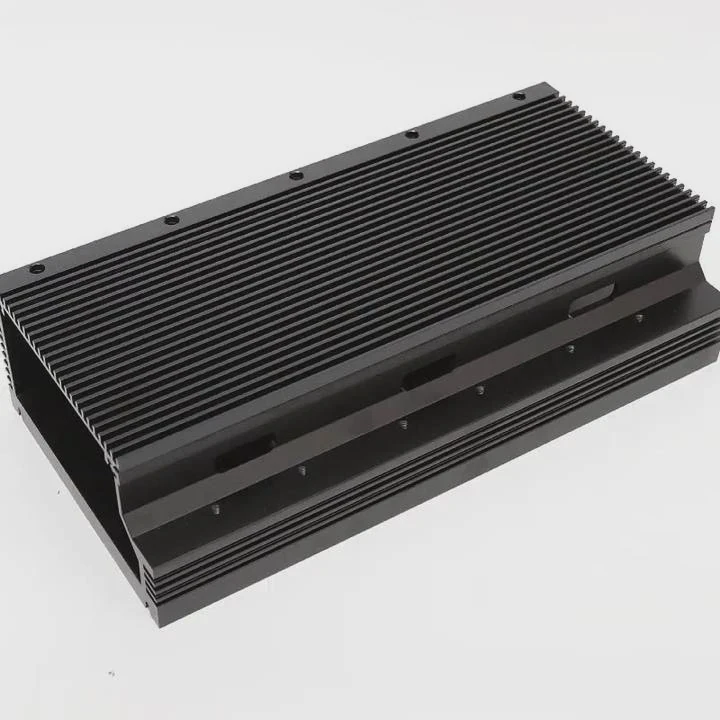
When dealing with vapor chambers—high‑performance thermal parts used in electronics, cooling, aerospace, etc.—the manufacturing model (OEM vs ODM) is more than semantics. It affects cost, lead time, IP ownership, customization, and risk. Let’s break it down:
OEM model – buyer driven
- You (the buyer) bring the full or partial design: geometry, thermal specs, materials, test criteria, certifications.
- The manufacturer builds to your drawings, tooling, and testing requirements. You usually own the IP.
- Ideal for unique thermal needs and specific integration.
ODM model – supplier driven
- The manufacturer offers ready-made vapor chamber designs. You can pick, brand, and sometimes slightly tweak them.
- IP remains with the supplier.
- Great for speed, cost-efficiency, and when performance needs are standard.
Key comparison summary
| Feature | OEM | ODM |
|---|---|---|
| Design ownership | Buyer | Supplier |
| Customisation level | High | Low to Moderate |
| IP control | Buyer holds IP | Supplier holds base design |
| Up-front cost & time | Higher & longer | Lower & faster |
| Best suited for | Unique, high-performance | Standard, proven modules |
For unique cooling solutions, OEM offers control and flexibility. For faster deployment and proven performance, ODM works well.
Do most suppliers offer both OEM and ODM services?
Wondering if you need separate partners? Many manufacturers blur the lines.
Yes — many thermal‑management component suppliers offer both OEM and ODM services, depending on customer needs, though capabilities, MOQ and service terms may differ.
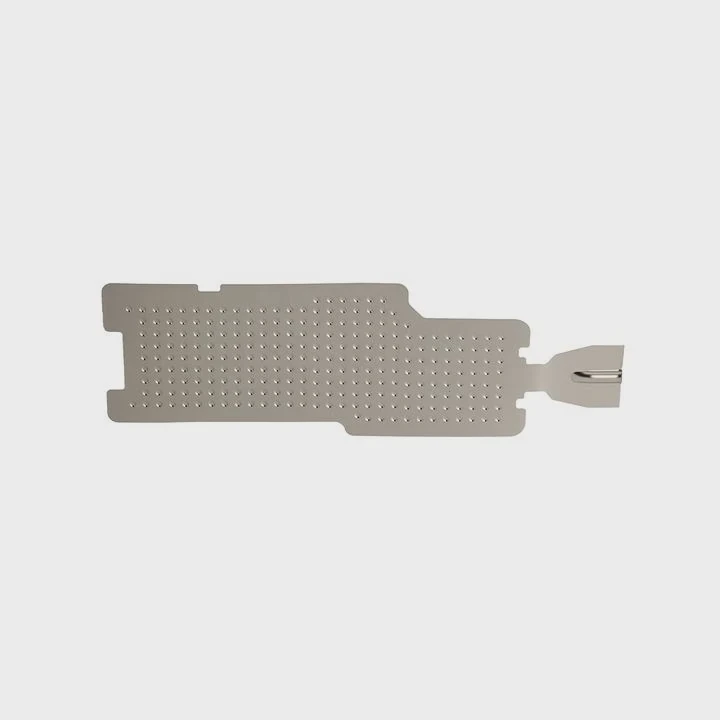
Suppliers often maintain a flexible business model:
- ODM offerings: Pre-developed vapor chambers in various sizes and specs, often catalog-based.
- OEM services: Full R&D support, design validation, tooling, and testing per buyer specs.
You should ask suppliers:
- Do they offer standard modules for relabeling (ODM)?
- Can they engineer new designs from scratch (OEM)?
- What are the MOQs and lead times for each?
- Who owns the final design?
Having both options lets you start lean and grow into full customization as you scale.
Which is better for custom Vapor Chamber development?
Trying to choose the best path? It depends on your priorities and resources.
For fully unique vapor chamber development (new form factor, high performance, custom integration), the OEM model is generally better. For faster, lower‑cost deployment with moderate differentiation, the ODM model may be sufficient.
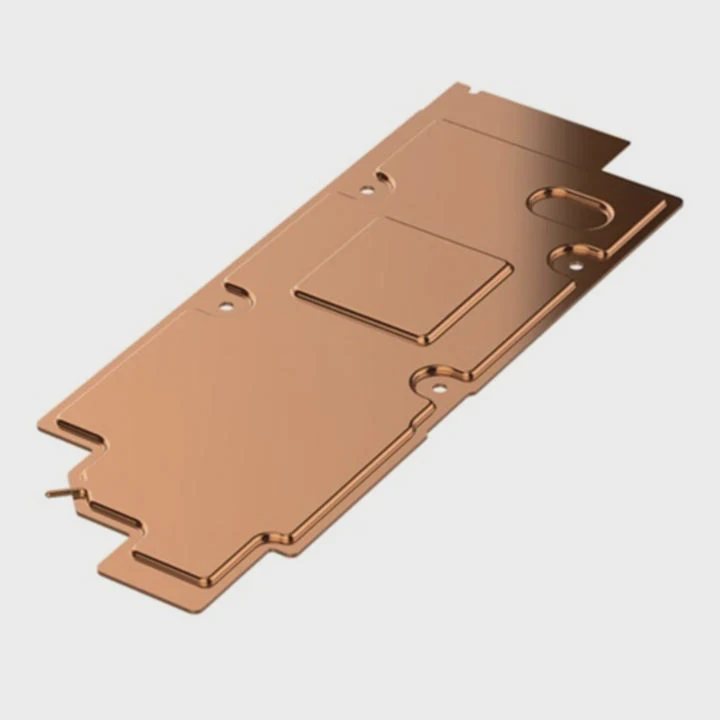
Here’s how to decide:
Choose OEM if:
- You need a non-standard design, unique geometry, or integration into complex systems.
- IP protection and performance differentiation matter.
- Your volumes or pricing can justify development costs.
Choose ODM if:
- You need a solution fast with low risk.
- Your performance needs are met by available standard modules.
- Branding or integration, not core design, is your focus.
Decision matrix
| Factor | OEM Path | ODM Path |
|---|---|---|
| Time to market | Longer (design phase) | Faster (ready-made) |
| Initial cost | High (tooling & testing) | Low (standard tooling) |
| IP & exclusivity | Strong control | Limited or none |
| Customisation | Full geometry/material freedom | Minor adjustments |
| Risk & complexity | Higher (design failure risk) | Lower (proven design) |
OEM works best for premium, demanding systems. ODM fits best when time, cost, and moderate performance are key.
Can small buyers access ODM Vapor Chamber solutions?
Worried you’re too small to play this game? You’re not necessarily.
Yes — small buyers can often access ODM vapor chamber solutions, because many suppliers have standard product platforms and lower minimum orders for ODM than for full custom OEM.
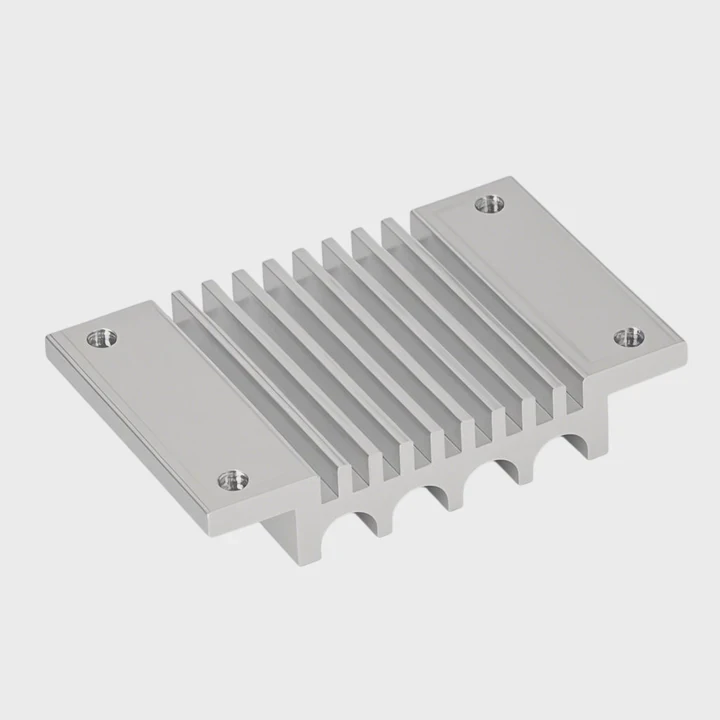
ODM fits small buyers because:
- Lower MOQs: Some suppliers allow hundreds instead of thousands.
- Proven designs: Avoids costly prototyping.
- Simple branding: You can label existing models with your logo.
- Lower costs and faster lead times.
What small buyers should check:
- MOQ requirements for ODM vapor chambers.
- What kind of customization (if any) is allowed.
- Whether performance specs meet your system needs.
- Supplier’s willingness to support small batch orders.
Sample comparison
| Buyer Type | Suitable Model | Key Consideration |
|---|---|---|
| Startup | ODM | Lower investment, quick test |
| Mid-size OEM | ODM → OEM | Start fast, customize later |
| High-end tech firm | OEM | Unique performance needed |
ODM is a great entry point. As demand grows, many small buyers shift to OEM for more control and product identity.
Conclusion
When sourcing vapor chambers, the choice between OEM and ODM is strategic. OEM gives you full design control, IP ownership, and uniqueness—but costs and lead‑time rise. ODM offers speed, lower cost, and access for smaller buyers—but customization and exclusivity are limited. For truly custom high‑performance modules go OEM; for proven platforms and faster time‑to‑market go ODM. Choose based on your budget, timeline, volume and competitive differentiation.
TAGS
Latest Articles

Volume discount levels for heat sink orders?
Buyers often ask when heat sink prices start to drop with volume. Many worry they’re overpaying for small orders. This guide explains how B2B volume pricing works for thermal components. Heat sink
21 Dec,2025
Heat sink long-term supply contract options?
Many buyers want stable pricing and reliable delivery for heat sinks. But without a clear contract, risks grow over time. This article explores how to secure better long-term supply deals. Long-term
21 Dec,2025
Tooling cost for new heat sink profiles?
Many engineers struggle to understand why tooling for custom heat sinks costs so much. They worry about budgeting and production timelines. This article breaks down the cost drivers behind tooling.
21 Dec,2025
Heat sink custom sample process steps?
Sometimes, starting a custom heat sink project feels overwhelming—too many steps, too many unknowns, and too many risks. You want a sample, but not endless delays. The process for requesting and
20 Dec,2025
Standard B2B terms for heat sink payments?
When buyers and sellers in B2B heat sink markets talk about payment, many don’t fully understand what’s standard. This can lead to delayed orders, miscommunication, and even lost business
20 Dec,2025
Heat sink pricing factors for large orders?
Heat sinks are vital for many systems. When prices rise, projects stall and budgets break. This problem can hit teams hard without warning. Large order heat sink pricing depends on many factors. You
20 Dec,2025Related Articles
- Vapor Chamber servicing instructions?
- How to repair damaged Vapor Chamber?
- Vapor Chamber cleaning recommendations?
- How to install Vapor Chamber correctly?
- Vapor Chamber storage temperature guidelines?
- Typical warranty period for Vapor Chamber?
- Vapor Chamber technology upgrade trends?
- Vapor Chamber role in energy saving systems?
- Green manufacturing for Vapor Chamber?
- Cost comparison of Vapor Chamber and heat pipe?
- Future demand for Vapor Chamber in EV sector?
- High efficiency Vapor Chamber alternative materials?
Author
Dr. Emily Chen
Chief AI Researcher
Leading expert in thermal dynamics and AI optimization with over 15 years of experience in data center efficiency research.
Categories
Latest Products
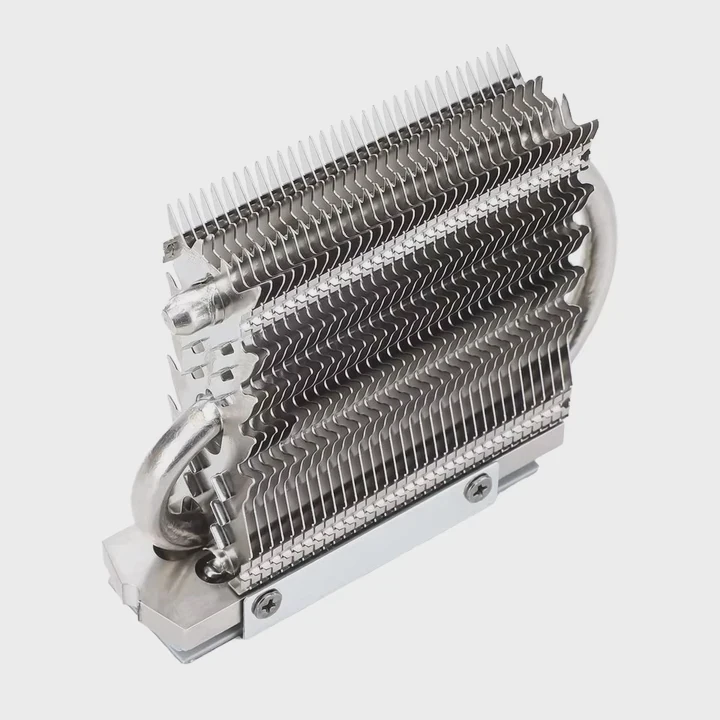
M.2 Heatpipe Heatsink With Dual Fans For Pc Case
19 Mar,2026
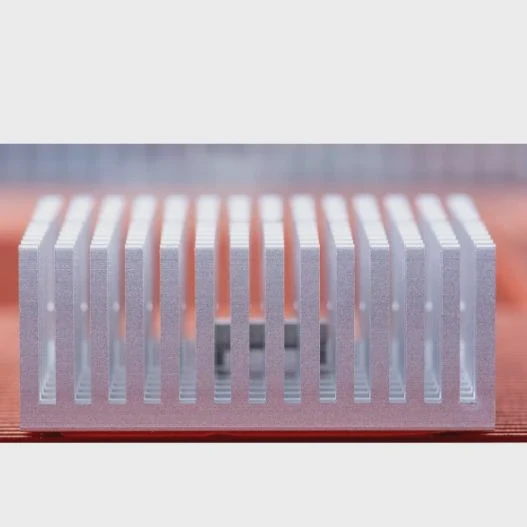
Heavy-Duty Aluminum Heat Sink Custom
19 Mar,2026
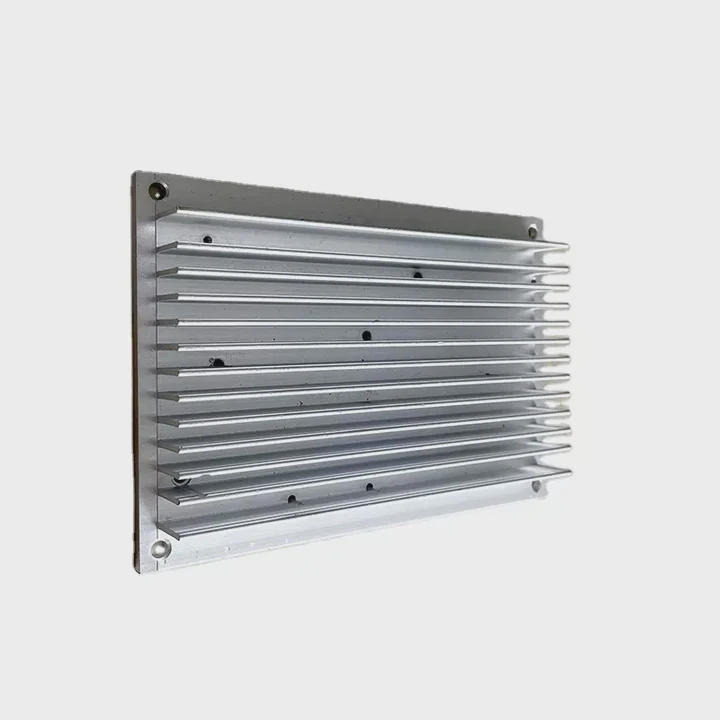
Oem Skived Fin Heatsink Aluminum Radiator For Plants
19 Mar,2026
Water Cooled Cnc Aluminum Heat Sink For Medical
19 Mar,2026
High Density 6000 Series Aluminum Heat Sink Profile
19 Mar,2026
High-Density Extruded Aluminum & Bonded-Fin Heat Sink Profile
19 Mar,2026
Recommend Categories
- Liquid cooling plate Manufacturer
- Industrial Heat Sink Manufacturer
- Standard Heat Sink Manufacturer
- Aluminum Heat Sink Manufacturer
- Copper Heat Sink Manufacturer
- Anodized Heatsink Manufacturer
- Stamping heat sink Manufacturer
- Die Casting Heatsink Manufacturer
- Soldering heat sink Manufacturer
- CNC Parts Manufacturer
Latest Products
- M.2 Heatpipe Heatsink With Dual Fans For Pc Case
- Heavy-Duty Aluminum Heat Sink Custom
- Oem Skived Fin Heatsink Aluminum Radiator For Plants
- Water Cooled Cnc Aluminum Heat Sink For Medical
- High Density 6000 Series Aluminum Heat Sink Profile
- High-Density Extruded Aluminum & Bonded-Fin Heat Sink Profile
- Dongguan Cnc Aluminum Heat Sink For Led & Brass Parts
- Wholesale Cnc Aluminum Heat Sink - Custom Extruded
- Led Cnc Round Heat Sink With Screw Holes
- Copper Pin-Fin Heat-Sink Large-Area For Photoled Cooling
- Telecom Heatsink Zipper Fin Wcopper Tubes Oem
Contact Expert
Have questions about this article? Reach out to our experts directly.