Vapor Chamber technology upgrade trends?
Having trouble keeping up with the latest in vapor chamber tech? It’s easy to feel behind when innovations move fast.
Vapor chamber technology is advancing via thinner designs, AI‑driven optimisation, novel materials, and additive manufacturing — all aimed at higher heat flux, smaller form‑factors and better reliability.
Let’s explore four key upgrade trends and what they mean for heat‑management systems.
What are the latest advancements in Vapor Chamber technology?
Facing escalating power densities and shrinking device footprints, engineers push vapor chamber systems to new limits.
Recent advances include ultra‑thin vapor chambers (below 0.5 mm), improved wick and working‑fluid designs, and integration with higher heat‑load systems in servers, GPUs, and mobile.
One major advancement is the reduction in thickness of vapor chambers while maintaining or improving performance. Reports indicate some designs now drop below 0.5 mm thickness, compared with earlier versions exceeding 5 mm. This allows the vapor chamber to fit into slimmer devices such as high‑end smartphones and compact laptops. For example, the Apple iPhone 17 Pro uses a hermetically sealed vapor chamber with de‑ionised water inside to manage heat in the thin chassis.
Another area of improvement is larger heat load capacity and more uniform heat spreading. According to a review article, vapor chambers can handle heat fluxes up to 300‑500 W/cm² in optimal setups, much higher than classic heat‑pipes. And a study noted that combining vapor chambers with innovative fin structures reduced thermal resistance by ~50‑60 % compared to flat plates.
There is also growth in applications: beyond smartphones and laptops into 5G base stations, EV power electronics, servers and data‑centres. The projected market size for vapor chamber heat sinks is growing rapidly, driven by these demands.
Finally, manufacturing processes are evolving: more advanced welding, micro‑scale wick geometries, precision pumps of fluid, and sealed chambers with better reliability in thin profiles. All these need tighter process control for consistency in high‑end markets.
In summary: the latest advancements focus on size reduction, higher heat removal, broader application scope, and refined manufacturing. For a company like ours working on high‑performance heat‑management systems, staying aligned with these trends is critical to deliver next‑gen modules.
How is AI driving upgrades in Vapor Chamber design?
When thermal loads spike and product cycles shorten, manual design just can’t keep up—this is where AI steps in.
AI and machine‑learning methods are increasingly used to optimise vapor chamber internal geometry, wick structures and working‑fluid behaviour for better thermal/hydraulic performance.
AI is playing a growing role in the design and optimisation of vapor chamber systems. For example, artificial neural networks (ANN) are used for multi‑objective optimisation of vapor chamber thermal‑hydraulic performance—suggesting that complex interactions of wick geometry, fluid flow, evaporation/condensation cycles can be modelled and optimised using data‑driven methods.
The broader ecosystem around high‑heat devices (AI servers, GPUs) magnifies this trend. The explosive growth of AI-related computing has driven higher thermal demands and tighter design constraints. AI servers will push cooling modules toward next‑gen solutions including 3D vapor chambers and liquid cooling.
AI Advantages in Vapor Chamber Design
- Designers use AI/ML to explore large design spaces of wick patterns, chamber geometry, fluid fill ratios and materials.
- AI helps predict performance under different heat loads and conditions.
- Optimisation includes not only performance but also manufacturability and cost.
- Faster R&D with simulation-backed design cycles.
From a strategic standpoint, for our company in the B2B high‑end heat‑management field, leveraging AI‑driven design means we can reduce design iterations, tailor vapor‑chamber modules for specific customers, and stay ahead of competition. It also supports our integrated capabilities—from R&D to manufacturing.
Are new materials influencing Vapor Chamber performance?
When copper and aluminium reach their practical limits, new materials step into expand performance frontiers.
Emerging materials such as graphene composites, nano‑engineered fluids, novel alloys and advanced wicks are being applied to vapour chambers to boost conductivity, reduce weight and improve thermal cycling reliability.
One major material trend is the exploration of graphene or graphene‑enhanced components within vapor chamber systems. Graphene integration offers thermal conductivity far beyond copper, and may reduce interface thermal resistance and enable ultra‑thin chambers. Though mass production remains challenging, the direction is clear.
Another key shift is the fluid inside the chamber. Instead of only using de‑ionised water, engineers now test engineered fluids with tailored boiling points, lower surface tension and chemical stability for harsh environments like EV or aerospace.
Wick structures also change: sintered copper powder, laser‑etched microchannels, and composite wicks combining ceramics or nano‑particles all improve fluid transport and long‑term reliability.
Material Impact Table
| Material Type | Benefit | Challenge |
|---|---|---|
| Graphene composites | Ultra-high thermal conductivity | Cost, bonding, scaling issues |
| Engineered fluids | Tuned boiling points and safety | Compatibility, cost |
| Ceramic-composite wicks | Better thermal cycling durability | Complex fabrication |
These material innovations allow better heat transfer, lower weight, and higher durability. For us, this expands the options for custom vapor chamber modules targeting demanding sectors like aerospace and semiconductor cooling. With in-house capabilities for welding, alloy control and fluid filling, we can prototype and produce these high-end solutions.
Is additive manufacturing used in Vapor Chamber R&D?
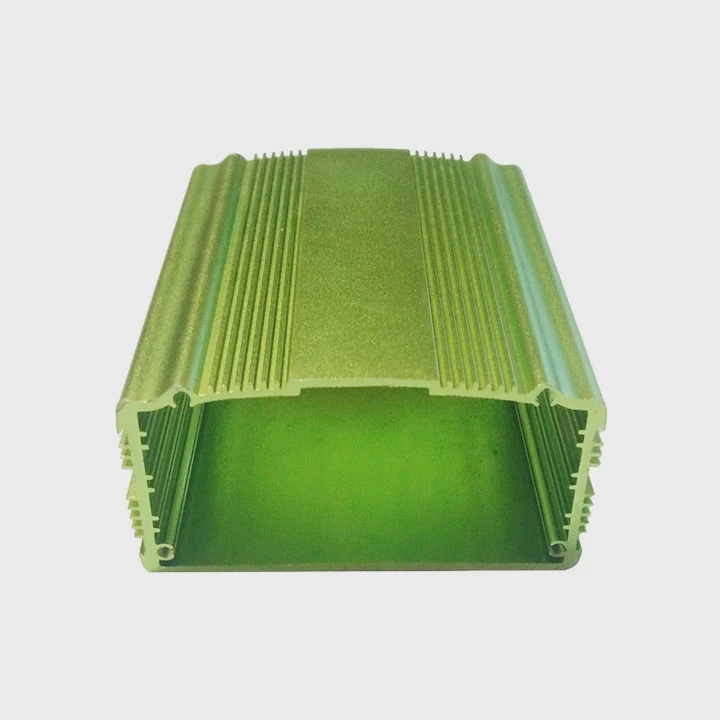
Traditional stamping, welding and machining of vapour chambers have limits — additive manufacturing (AM) opens new design freedom and performance potential.
Yes — additive manufacturing is being applied in vapour chamber development, enabling complex internal wick geometries, custom 3D structures and reduced manufacturing steps, which improve thermal performance and enable rapid prototyping.
Several research efforts now focus on AM-fabricated vapor chambers. One paper described chambers with internal gyroid wick structures made via metal AM, offering more surface area, better fluid distribution and thermal reliability. These AM wicks outperform traditional sintered copper in capillary and thermal performance.
Some startups and research labs have even printed entire vapor chamber bodies, including the internal wick, in a single step using selective laser melting. This not only reduces the assembly complexity but also allows new shapes that better fit modern electronics.
Benefits and Limitations of Additive Manufacturing
| Aspect | Benefit | Limitation |
|---|---|---|
| Wick structure | Complex geometries, higher capillarity | Requires precision tuning |
| Integration | Less welding, fewer parts | High equipment cost |
| Prototyping speed | Rapid design cycles | May not scale to mass production |
Challenges remain. Surface roughness, porosity, and sealing of AM-made vapor chambers can cause variability in performance. Qualification for high-reliability sectors like aerospace requires more testing.
Still, for custom solutions, R&D testing and high-mix/low-volume production, AM provides a valuable path. Our facility can integrate AM parts with conventional processes like laser weld and vacuum brazing to build hybrid or AM-enhanced chambers tailored to our customer’s needs.
Conclusion
Vapor chamber technology is evolving rapidly with ultra‑thin designs, AI‑driven optimisation, advanced materials and additive manufacturing all playing key roles. For companies focused on high‑performance thermal solutions, embracing these trends is essential to stay competitive and deliver superior modules in demanding applications.
TAGS
Latest Articles

Volume discount levels for heat sink orders?
Buyers often ask when heat sink prices start to drop with volume. Many worry they’re overpaying for small orders. This guide explains how B2B volume pricing works for thermal components. Heat sink
21 Dec,2025
Heat sink long-term supply contract options?
Many buyers want stable pricing and reliable delivery for heat sinks. But without a clear contract, risks grow over time. This article explores how to secure better long-term supply deals. Long-term
21 Dec,2025
Tooling cost for new heat sink profiles?
Many engineers struggle to understand why tooling for custom heat sinks costs so much. They worry about budgeting and production timelines. This article breaks down the cost drivers behind tooling.
21 Dec,2025
Heat sink custom sample process steps?
Sometimes, starting a custom heat sink project feels overwhelming—too many steps, too many unknowns, and too many risks. You want a sample, but not endless delays. The process for requesting and
20 Dec,2025
Standard B2B terms for heat sink payments?
When buyers and sellers in B2B heat sink markets talk about payment, many don’t fully understand what’s standard. This can lead to delayed orders, miscommunication, and even lost business
20 Dec,2025
Heat sink pricing factors for large orders?
Heat sinks are vital for many systems. When prices rise, projects stall and budgets break. This problem can hit teams hard without warning. Large order heat sink pricing depends on many factors. You
20 Dec,2025Related Articles
- OEM or ODM options for Vapor Chamber?
- Vapor Chamber servicing instructions?
- How to repair damaged Vapor Chamber?
- Vapor Chamber cleaning recommendations?
- How to install Vapor Chamber correctly?
- Vapor Chamber storage temperature guidelines?
- Vapor Chamber role in energy saving systems?
- Green manufacturing for Vapor Chamber?
- Cost comparison of Vapor Chamber and heat pipe?
- Future demand for Vapor Chamber in EV sector?
- High efficiency Vapor Chamber alternative materials?
- Can Vapor Chamber improve CPU cooling performance?
Author
Dr. Emily Chen
Chief AI Researcher
Leading expert in thermal dynamics and AI optimization with over 15 years of experience in data center efficiency research.
Categories
Latest Products






Recommend Categories
- Liquid cooling plate Manufacturer
- Industrial Heat Sink Manufacturer
- Standard Heat Sink Manufacturer
- Aluminum Heat Sink Manufacturer
- Copper Heat Sink Manufacturer
- Anodized Heatsink Manufacturer
- Stamping heat sink Manufacturer
- Die Casting Heatsink Manufacturer
- Soldering heat sink Manufacturer
- CNC Parts Manufacturer
Latest Products
- Wholesale Aluminum Radiator
- Water Cooling Plate Kit
- Water Cooling Heat Sink
- Water Cooling Heat Sink Kit
- Stainless Steel Water Distributor
- Server Water Cooling Plate Kit
- Server Liquid Cooling System
- Server Aluminum Cooling Kit
- S19 Full Cover Cooling Plate
- S19 Cooling Plate Kit
- S19 Aluminum Cooling Plate
Contact Expert
Have questions about this article? Reach out to our experts directly.