Green manufacturing for Vapor Chamber?
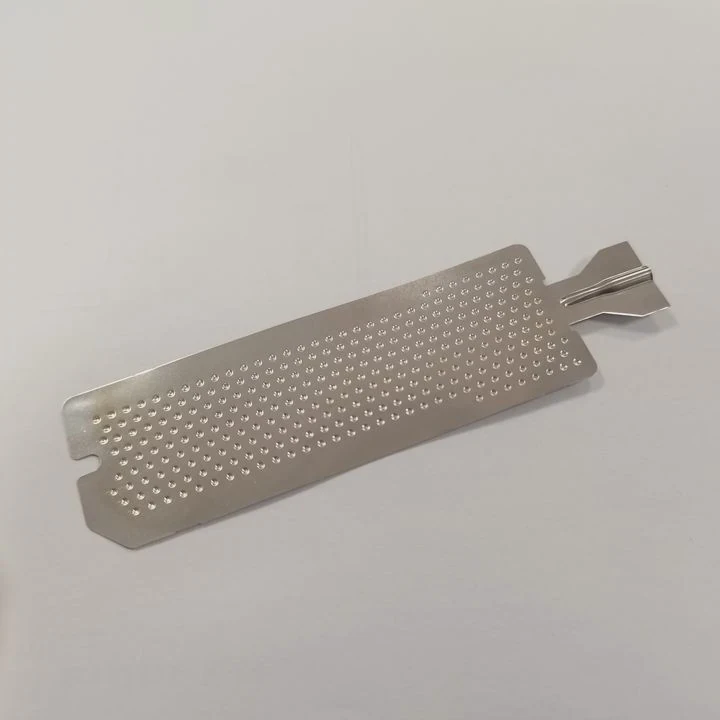
We face high energy use, raw-material waste and chemical hazards in making vapor chambers—time to shift to greener manufacturing.
Green manufacturing in vapor chamber production means low environmental impact, efficient use of resources, and safe materials throughout the product life-cycle.
Let’s explore how it applies to vapor chambers and what you can do to adopt it.
What defines green manufacturing in Vapor Chamber production?
Green manufacturing in vapor chamber production covers many areas: energy efficiency, minimal waste, safe chemicals, recycled materials and designing for end-of-life reuse.
In vapor chamber production, green manufacturing means optimizing every step—from raw material sourcing to manufacturing process, assembly, testing and waste handling—to minimise environmental footprint.
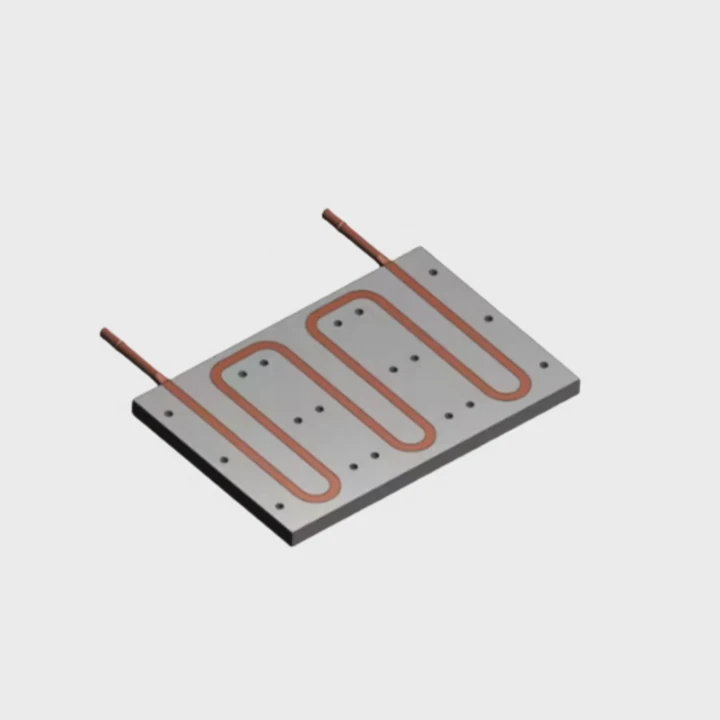
When producing vapor chambers, which are high-performance thermal modules made of copper or aluminium, green manufacturing requires a full-lifecycle approach. It includes:
Energy-efficient production
Manufacturing steps like CNC machining, laser welding, vacuum sealing and surface treatment consume a lot of power. Using high-efficiency equipment, optimising cycle time, and switching to renewable energy reduces carbon footprint.
Responsible material use
Green production uses responsibly sourced metals, maximises recycled content, and limits the use of virgin resources. For example, aluminium and copper are both fully recyclable and should be reused in production wherever possible.
Waste minimisation
Processes must be set up to reduce scrap metal, chemical waste, and defective units. A clean process flow with high first-pass yield saves both cost and materials.
Safer chemicals
Reducing use of hazardous substances such as volatile solvents, lead-based plating, and strong acids helps protect workers and the environment. Safe disposal and neutralisation systems are also required.
Design for recycling
Designing vapor chambers so they can be disassembled and recycled at the end of life is key. Using fewer adhesives, choosing mono-material housings, and simplifying internal structure makes this easier.
| Key Focus Area | Green Approach |
|---|---|
| Energy Use | Efficient machines, short cycle times, renewables |
| Materials | Recycled copper/aluminium, minimal virgin input |
| Chemicals | Low-toxicity fluids and coatings |
| Waste | Scrap recycling, process optimisation |
| Product Design | Disassembly-friendly, recyclable structure |
By treating green manufacturing as an integrated strategy, vapor chamber producers can reduce their environmental impact and create products that support a sustainable future.
Are eco-friendly materials used in Vapor Chamber making?
Many vapor chambers today are made of resource-intensive copper or aluminium, but green production calls for eco-friendlier options.
Yes, eco-friendly materials are increasingly used in vapor chamber production—especially recycled metals, safer coatings and environmentally compliant working fluids.
Here are practical ways these materials are integrated:
Recycled metals
Aluminium and copper are ideal because they retain their properties after recycling. Using recycled input instead of virgin metal drastically cuts energy use and emissions during material preparation.
Safer coatings and platings
Protective finishes like nickel plating or anti-oxidation coatings are necessary but often use toxic chemicals. Green production replaces traditional baths with safer, low-VOC or water-based alternatives.
Clean working fluids
Vapor chambers use fluids like purified water or ethanol to move heat internally. Eco-friendly options avoid any toxic, flammable or ozone-harming compounds, and systems are designed to minimise leakage and evaporation.
RoHS and REACH compliance
Production avoids banned substances such as lead, mercury and hexavalent chromium. This ensures compliance with international environmental rules and customer standards.
End-of-life materials
Eco-design principles push for using materials that can be easily recovered. For example, avoiding strong adhesives or composite structures makes recycling simpler and more effective.
While not all materials can be replaced with green alternatives due to performance requirements, progress is ongoing and more suppliers are offering sustainable options.
Can waste be minimised in Vapor Chamber manufacturing?
Waste adds cost, reduces efficiency, and harms the environment—minimising it is essential to green manufacturing.
Waste can be minimised by controlling processes tightly, reusing materials, recycling off-cuts and fluids, and designing products that avoid unnecessary material use.
Here are the main methods used to reduce waste:
Process improvement
Better control during welding, brazing and sealing reduces rejects and leak-test failures. Quality inspections during early stages prevent waste later. Use of automation ensures consistency and less scrap.
Material reuse
Copper and aluminium scrap from machining or forming can be collected and remelted. Even small off-cuts have value and can be reprocessed.
Reclaiming working fluids
Instead of dumping test or excess fluid, recovery systems can clean and reuse them. This lowers chemical waste and saves cost.
Smarter packaging
Using reusable crates, modular trays or returnable packaging reduces cardboard and foam waste. Custom-fitted inserts also cut damage during shipping.
Lean production
Applying lean principles helps eliminate non-value activities. It also reduces over-production and unnecessary movement of goods, which often leads to waste.
| Waste Type | How to Minimise |
|---|---|
| Metal Scrap | Recycle internally or sell to refiners |
| Working Fluid Loss | Recover and reuse with filtration |
| Defective Assemblies | Improve first-pass yield with better QC |
| Plating/Coating Waste | Use closed-loop or low-waste systems |
| Packaging Waste | Use reusable or minimal packaging |
Adopting these practices can lead to both environmental benefits and economic savings for vapor chamber manufacturers.
Are there global standards for green Vapor Chamber production?
Although there is no single global rule for vapor chambers, general green manufacturing standards in electronics apply.
Yes, there are well-established global standards like RoHS, ISO 14001 and REACH that guide green production practices for vapor chamber manufacturing.
Here’s how these standards apply:
RoHS
Limits the use of harmful substances in electronic components. Vapor chambers must avoid restricted materials like lead or mercury in coatings or solder.
REACH
Regulates chemicals used in manufacturing. Requires detailed records of any substances of concern and pushes for safer alternatives.
ISO 14001
Helps companies build an environmental management system. It includes planning, monitoring and reducing impact across energy, emissions, water, waste and chemicals.
ISO 50001
Focuses on managing and improving energy performance. Applies to equipment, lighting, HVAC and all areas of energy consumption in production facilities.
WEEE
Though mainly aimed at electronics disposal, it encourages product designs that allow easy recycling and reduced environmental impact at end-of-life.
Additional best practices
- Use of life-cycle assessments to measure carbon footprint
- Environmental product declarations to share performance data
- Internal audits to ensure continuous improvement
Meeting these standards helps manufacturers operate legally, protect the environment, and respond to the increasing sustainability demands from clients and regulators.
Conclusion
Green manufacturing for vapor chambers means integrating sustainability into every step: choosing safer and recycled materials, reducing energy and waste, optimizing processes, and aligning with global standards. By doing so you build both environmental value and competitive strength.
TAGS
Latest Articles

Volume discount levels for heat sink orders?
Buyers often ask when heat sink prices start to drop with volume. Many worry they’re overpaying for small orders. This guide explains how B2B volume pricing works for thermal components. Heat sink
21 Dec,2025
Heat sink long-term supply contract options?
Many buyers want stable pricing and reliable delivery for heat sinks. But without a clear contract, risks grow over time. This article explores how to secure better long-term supply deals. Long-term
21 Dec,2025
Tooling cost for new heat sink profiles?
Many engineers struggle to understand why tooling for custom heat sinks costs so much. They worry about budgeting and production timelines. This article breaks down the cost drivers behind tooling.
21 Dec,2025
Heat sink custom sample process steps?
Sometimes, starting a custom heat sink project feels overwhelming—too many steps, too many unknowns, and too many risks. You want a sample, but not endless delays. The process for requesting and
20 Dec,2025
Standard B2B terms for heat sink payments?
When buyers and sellers in B2B heat sink markets talk about payment, many don’t fully understand what’s standard. This can lead to delayed orders, miscommunication, and even lost business
20 Dec,2025
Heat sink pricing factors for large orders?
Heat sinks are vital for many systems. When prices rise, projects stall and budgets break. This problem can hit teams hard without warning. Large order heat sink pricing depends on many factors. You
20 Dec,2025Related Articles
- Vapor Chamber role in energy saving systems?
- Vapor Chamber technology upgrade trends?
- OEM or ODM options for Vapor Chamber?
- Vapor Chamber servicing instructions?
- How to repair damaged Vapor Chamber?
- Vapor Chamber cleaning recommendations?
- Cost comparison of Vapor Chamber and heat pipe?
- Future demand for Vapor Chamber in EV sector?
- High efficiency Vapor Chamber alternative materials?
- Can Vapor Chamber improve CPU cooling performance?
- Vapor Chamber design service available?
- Custom Vapor Chamber for High Power Devices?
Author
Dr. Emily Chen
Chief AI Researcher
Leading expert in thermal dynamics and AI optimization with over 15 years of experience in data center efficiency research.
Categories
Latest Products






Recommend Categories
- Liquid cooling plate Manufacturer
- Industrial Heat Sink Manufacturer
- Standard Heat Sink Manufacturer
- Aluminum Heat Sink Manufacturer
- Copper Heat Sink Manufacturer
- Anodized Heatsink Manufacturer
- Stamping heat sink Manufacturer
- Die Casting Heatsink Manufacturer
- Soldering heat sink Manufacturer
- CNC Parts Manufacturer
Latest Products
- Wholesale Aluminum Radiator
- Water Cooling Plate Kit
- Water Cooling Heat Sink
- Water Cooling Heat Sink Kit
- Stainless Steel Water Distributor
- Server Water Cooling Plate Kit
- Server Liquid Cooling System
- Server Aluminum Cooling Kit
- S19 Full Cover Cooling Plate
- S19 Cooling Plate Kit
- S19 Aluminum Cooling Plate
Contact Expert
Have questions about this article? Reach out to our experts directly.