Vapor Chamber servicing instructions?
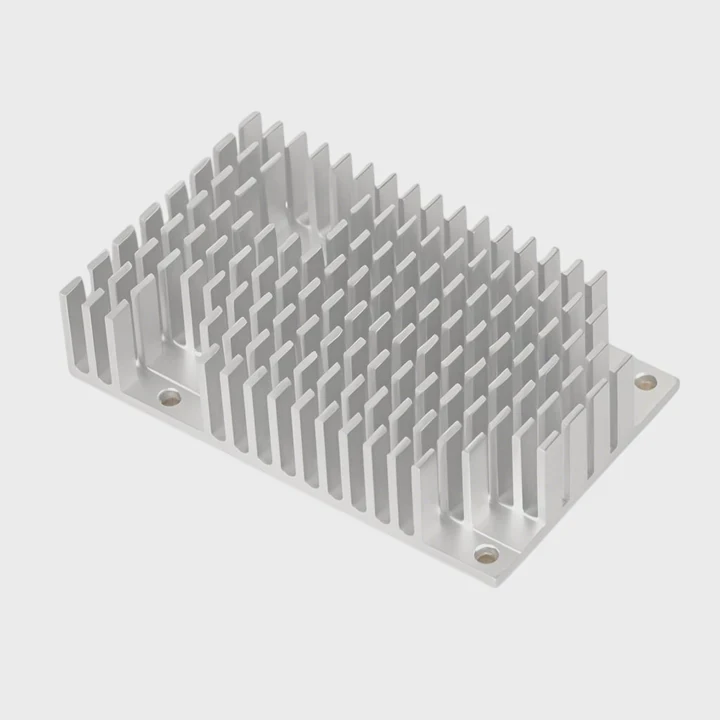
You’ve invested in high-performance vapor chambers—but what if poor servicing ruins them?
Proper servicing of vapor chambers requires step-by-step care, scheduled checks, safe handling, and trained staff to avoid damage or performance loss.
This guide covers best practices, intervals, risks, and essential safety measures for vapor chamber maintenance.
What are the standard steps to service a Vapor Chamber?
Without a clear procedure, servicing vapor chambers can lead to damage or poor heat performance.
Servicing vapor chambers includes visual inspection, cleaning, functional testing, and reassembly using correct methods and tools.
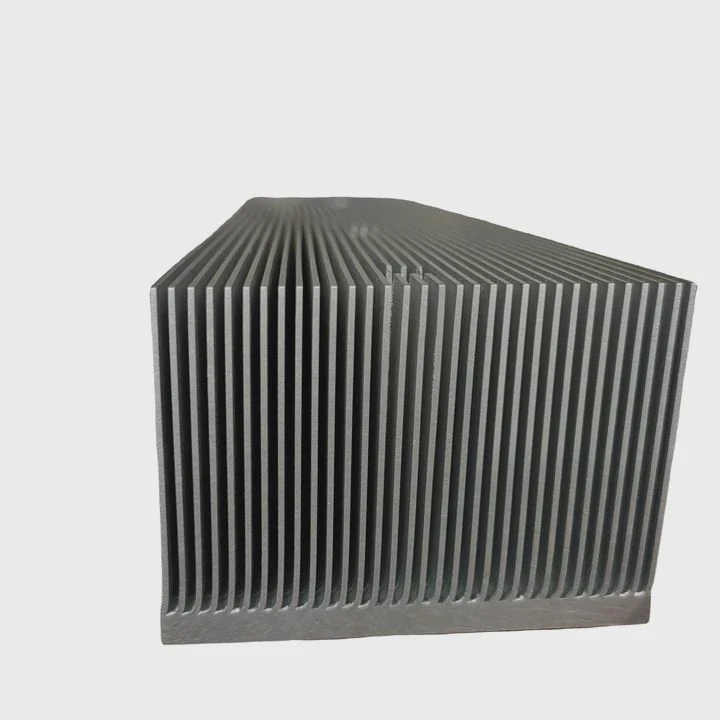
Step-by-step procedure for servicing vapor chambers
Vapor chambers are sealed passive heat spreaders—so maintenance mainly applies to external conditions and performance validation. Here’s a common servicing flow:
Standard Service Workflow
| Step | Task | Purpose |
|---|---|---|
| 1 | Visual inspection | Check for warping, bulging, corrosion, or fluid residue |
| 2 | Surface cleaning | Remove dust, debris, oxidation with soft cloth or alcohol wipes |
| 3 | Flatness test | Use a feeler gauge or surface tester to check surface flatness |
| 4 | Functional testing | Monitor thermal spread and response under controlled heat load |
| 5 | Reapplication of TIM | Replace thermal interface material if re-installing |
| 6 | Mounting check | Ensure no overtightening or stress on mounting tabs |
| 7 | Documentation | Record serial, date, test data, service history |
Tools and materials typically needed
- Lint-free wipes or IPA-based cleaning solution
- Surface flatness gauge or granite base
- IR thermometer or thermal sensors
- Thermal paste or pad
- Torque screwdriver
- Inspection lamp or magnifier
Important notes during servicing
- Vapor chambers should never be disassembled—they are sealed vacuum devices.
- Never puncture or bend the vapor chamber body.
- Use ESD-safe tools when handling active or electrically-connected devices.
This approach helps retain heat spreading performance while avoiding mechanical or thermal failure.
How often should a Vapor Chamber be serviced?
Some say vapor chambers need no service—but ignoring them could invite long-term performance loss.
Vapor chambers should be inspected every 6–12 months in operational environments, with full servicing during each device replacement cycle.
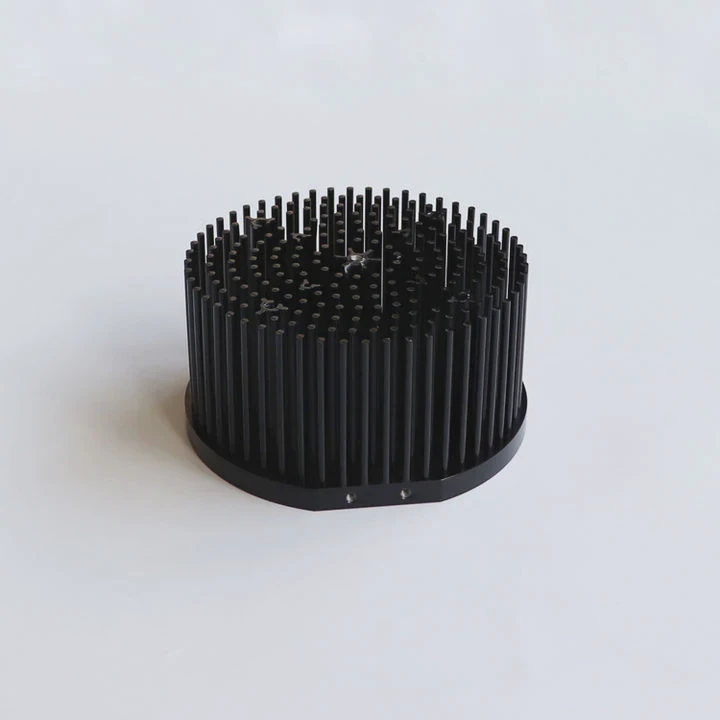
Maintenance intervals by application
Vapor chambers do not degrade mechanically unless exposed to extreme wear, moisture, or temperature abuse. But their integration into heat sinks, housings or boards means their performance can change over time due to environmental factors.
Recommended Servicing Frequency
| Application | Check Interval | Full Service |
|---|---|---|
| Consumer electronics | Every 12 months | During product replacement |
| Industrial systems | Every 6–9 months | Every 12 months |
| Medical / lab devices | Every 6 months | As per calibration cycle |
| Semiconductor tools | Quarterly | Bi-annually |
| Automotive modules | Every 9 months | With system maintenance |
Signs that servicing is needed
- Temperature anomalies or hotspots
- Visible discoloration or oxidation
- Performance drop in thermal cycling tests
- Degradation of TIM material
- Hardware reinstallation or PCB upgrade
Environmental factors influencing schedule
Humidity, dust, temperature cycling, and vibration all accelerate thermal contact degradation. Facilities in high-humidity or dusty environments should shorten the interval between inspections.
Routine servicing preserves thermal performance and avoids unexpected failures during critical operations.
Can improper servicing damage a Vapor Chamber?
Some assume vapor chambers are maintenance-free and immune to error. But one wrong move can cause costly damage.
Yes — improper servicing, such as over-tightening, bending, or contaminating surfaces, can damage a vapor chamber and compromise its function.
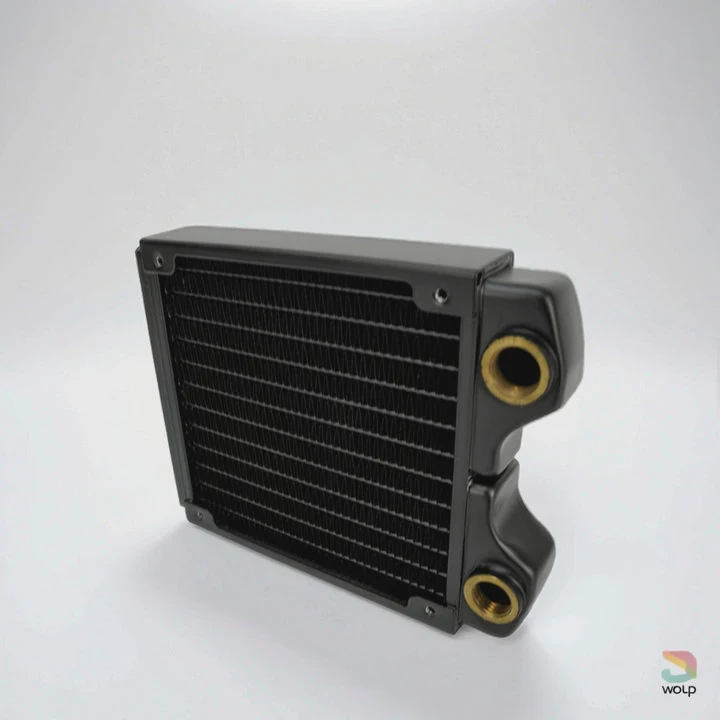
Common servicing mistakes to avoid
1. Bending or warping the chamber body
Using excessive force or uneven clamping can deform the chamber, creating air gaps and loss of thermal contact.
2. Piercing or drilling
Some try to modify the plate for different mounts — this is fatal. Vapor chambers are vacuum-sealed; one hole renders them useless.
3. Over-tightening mounting screws
Excess pressure can crush the internal structure or damage surface planarity. Always use torque-limited tools.
4. Contaminating the surface
Grease, dust or chemical cleaners can interfere with heat conduction or corrode surfaces. Use approved cleaning agents only.
5. Reusing degraded thermal paste
Old or uneven TIM affects contact resistance and spreads heat poorly. Always clean and reapply fresh paste.
6. Electrostatic discharge (ESD)
Handling vapor chambers in circuit environments without grounding can damage nearby ICs or PCB layers.
Impact of incorrect servicing
| Mistake | Effect |
|---|---|
| Bending | Loss of contact or internal damage |
| Puncturing | Total failure due to vacuum breach |
| Poor cleaning | Reduced conduction, corrosion |
| Wrong torque | Mechanical fatigue, hotspots |
| Reusing TIM | Increased thermal resistance |
| ESD | IC or board failure risk |
Proper training and use of standard tools greatly reduce these risks. If in doubt, leave service to trained technicians.
Are there safety precautions for Vapor Chamber servicing?
Thermal components may not seem risky—but they contain sealed fluids, operate at high temps, and risk contamination if mishandled.
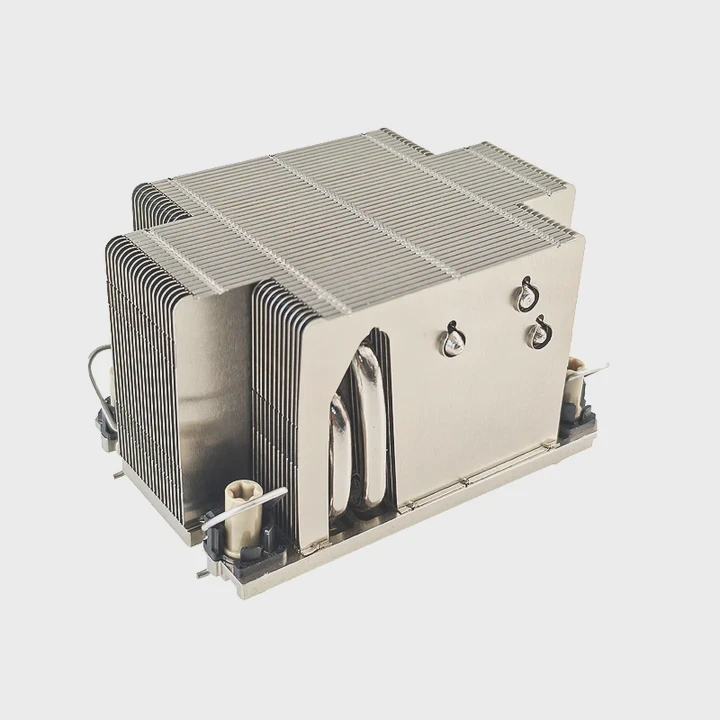
Yes — safety precautions are essential: use gloves, avoid puncturing the chamber, ensure proper ESD protection, and avoid working on hot units.
Key servicing safety measures
1. Avoid exposure to heat
Only service units when completely cooled. Vapor chambers operate with internal fluid at high temperatures — accidental release can cause burns.
2. Use gloves and anti-static protection
To avoid contamination and ESD damage, wear ESD gloves and use grounded workstations.
3. Do not puncture or cut the chamber
A sealed vapor chamber may contain fluids like water or acetone under partial vacuum. Any puncture may cause spraying, chemical exposure or fire hazard in rare cases.
4. Clean in ventilated area
Use isopropyl alcohol or similar for cleaning, and always do so in a well-ventilated workspace.
5. Use proper tools and torque
Avoid manual tools that offer no torque control. Use calibrated screwdrivers to prevent warping.
6. Proper disposal of damaged units
Never dispose of punctured vapor chambers with general waste. Follow hazardous waste rules for electronics or metal sealed components.
ESD and electrical safety
When servicing vapor chambers installed on PCBs or in assemblies, static protection is critical:
- Use ESD mats and wrist straps.
- Ground all tools and benches.
- Keep devices unplugged and powered off.
- Avoid cleaning near sensitive ICs with high-volatility sprays.
This ensures both technician and product safety during the service cycle.
Conclusion
Servicing vapor chambers isn’t about guesswork. It needs a clear process, regular checks, and a trained eye to spot early signs of degradation. Follow standard steps, avoid common mistakes, and never compromise safety. With proper handling, vapor chambers deliver reliable heat management for years.
TAGS
Latest Articles

Volume discount levels for heat sink orders?
Buyers often ask when heat sink prices start to drop with volume. Many worry they’re overpaying for small orders. This guide explains how B2B volume pricing works for thermal components. Heat sink
21 Dec,2025
Heat sink long-term supply contract options?
Many buyers want stable pricing and reliable delivery for heat sinks. But without a clear contract, risks grow over time. This article explores how to secure better long-term supply deals. Long-term
21 Dec,2025
Tooling cost for new heat sink profiles?
Many engineers struggle to understand why tooling for custom heat sinks costs so much. They worry about budgeting and production timelines. This article breaks down the cost drivers behind tooling.
21 Dec,2025
Heat sink custom sample process steps?
Sometimes, starting a custom heat sink project feels overwhelming—too many steps, too many unknowns, and too many risks. You want a sample, but not endless delays. The process for requesting and
20 Dec,2025
Standard B2B terms for heat sink payments?
When buyers and sellers in B2B heat sink markets talk about payment, many don’t fully understand what’s standard. This can lead to delayed orders, miscommunication, and even lost business
20 Dec,2025
Heat sink pricing factors for large orders?
Heat sinks are vital for many systems. When prices rise, projects stall and budgets break. This problem can hit teams hard without warning. Large order heat sink pricing depends on many factors. You
20 Dec,2025Related Articles
- How to repair damaged Vapor Chamber?
- Vapor Chamber cleaning recommendations?
- How to install Vapor Chamber correctly?
- Vapor Chamber storage temperature guidelines?
- Typical warranty period for Vapor Chamber?
- Vapor Chamber bulk order logistics solution?
- OEM or ODM options for Vapor Chamber?
- Vapor Chamber technology upgrade trends?
- Vapor Chamber role in energy saving systems?
- Green manufacturing for Vapor Chamber?
- Cost comparison of Vapor Chamber and heat pipe?
- Future demand for Vapor Chamber in EV sector?
Author
Dr. Emily Chen
Chief AI Researcher
Leading expert in thermal dynamics and AI optimization with over 15 years of experience in data center efficiency research.
Categories
Latest Products
M.2 Heatpipe Heatsink With Dual Fans For Pc Case
19 Mar,2026
Heavy-Duty Aluminum Heat Sink Custom
19 Mar,2026
Oem Skived Fin Heatsink Aluminum Radiator For Plants
19 Mar,2026
Water Cooled Cnc Aluminum Heat Sink For Medical
19 Mar,2026
High Density 6000 Series Aluminum Heat Sink Profile
19 Mar,2026
High-Density Extruded Aluminum & Bonded-Fin Heat Sink Profile
19 Mar,2026
Recommend Categories
- Liquid cooling plate Manufacturer
- Industrial Heat Sink Manufacturer
- Standard Heat Sink Manufacturer
- Aluminum Heat Sink Manufacturer
- Copper Heat Sink Manufacturer
- Anodized Heatsink Manufacturer
- Stamping heat sink Manufacturer
- Die Casting Heatsink Manufacturer
- Soldering heat sink Manufacturer
- CNC Parts Manufacturer
Latest Products
- M.2 Heatpipe Heatsink With Dual Fans For Pc Case
- Heavy-Duty Aluminum Heat Sink Custom
- Oem Skived Fin Heatsink Aluminum Radiator For Plants
- Water Cooled Cnc Aluminum Heat Sink For Medical
- High Density 6000 Series Aluminum Heat Sink Profile
- High-Density Extruded Aluminum & Bonded-Fin Heat Sink Profile
- Dongguan Cnc Aluminum Heat Sink For Led & Brass Parts
- Wholesale Cnc Aluminum Heat Sink - Custom Extruded
- Led Cnc Round Heat Sink With Screw Holes
- Copper Pin-Fin Heat-Sink Large-Area For Photoled Cooling
- Telecom Heatsink Zipper Fin Wcopper Tubes Oem
Contact Expert
Have questions about this article? Reach out to our experts directly.