Vapor Chamber cleaning recommendations?
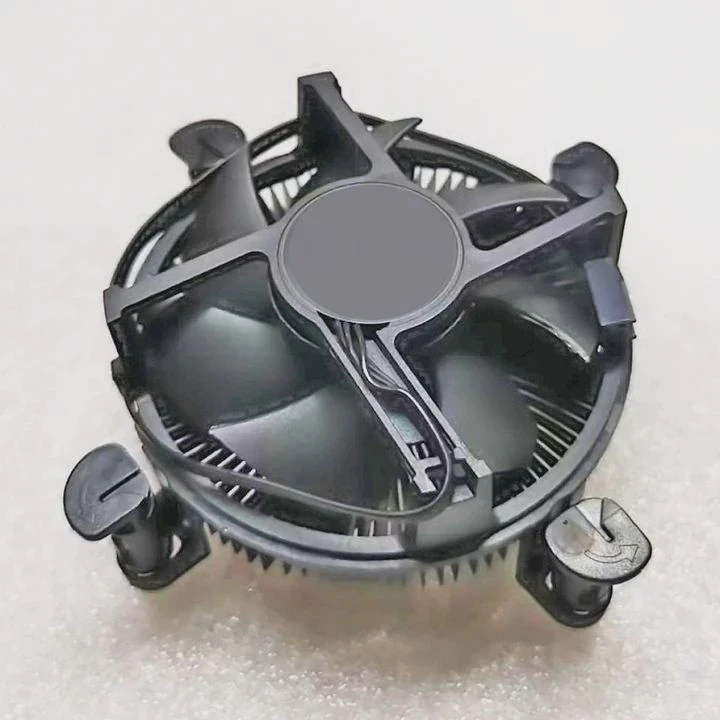
Modern equipment uses vapor chambers to manage high heat loads. If dirt, oils or corrosion build up, performance drops and lifetime shortens. So cleaning the vapor chamber carefully is crucial.
Cleaning a vapor chamber properly involves removing surface contamination, verifying vacuum integrity, avoiding damage to the sealed structure, and using appropriate methods based on materials and application.
Choosing the right method helps maintain thermal performance, extend service life, and reduce downtime.
What is the best method for cleaning a Vapor Chamber?
Cleaning begins by removing dust, oil and other surface deposits that interfere with heat conduction.
Best practice: use a soft, lint-free cloth or brush, mild solvent or isopropyl alcohol to wipe the external surfaces, avoid aggressive chemicals or high-pressure blasting, then dry thoroughly and inspect for leaks or corrosion.
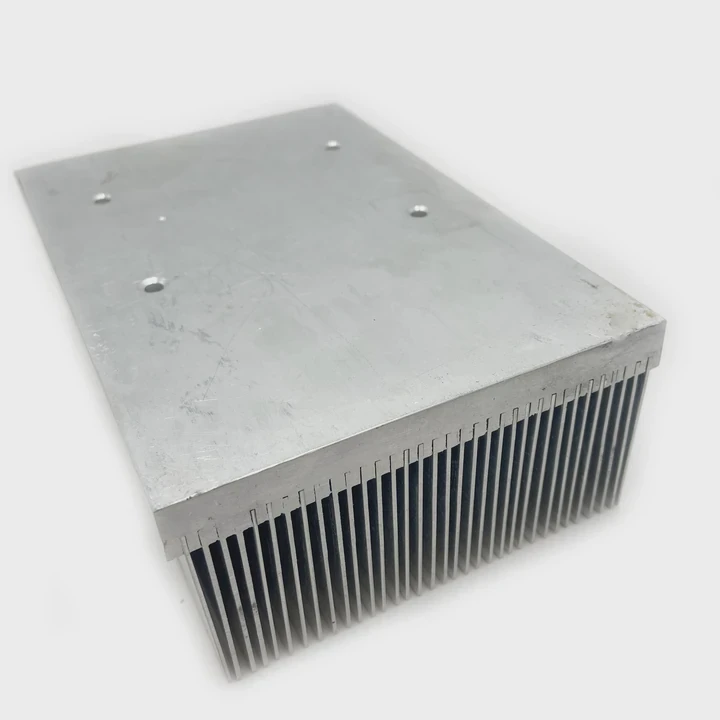
Keeping the exterior of a vapor chamber clean ensures good thermal contact with the heat source or heat sink. Surface dirt or old thermal paste can reduce the effectiveness of heat transfer. Cleaning should be gentle to avoid damaging the surface or internal structure. Most vapor chambers are sealed systems, meaning they cannot be opened or modified after manufacture. Any cleaning must respect the integrity of this sealed system.
Cleaning steps:
- Power off the system and allow it to cool fully.
- Disconnect any thermal module or mechanical attachments.
- Use a soft brush or low-pressure air to remove loose dust.
- Wipe with isopropyl alcohol and a lint-free cloth to remove oils or paste.
- Visually inspect for dents, bulges, corrosion, or signs of leakage.
- Allow to dry completely in a clean, low-humidity environment.
Avoid using metal brushes, high-pressure sprays, or abrasive pads, as these can deform the thin metal surfaces or damage any plating.
If the vapor chamber shows signs of leakage or poor performance after cleaning, it may need replacement. Sealed chambers are not serviceable and should not be opened.
Are chemical cleaners safe for Vapor Chambers?
Some people try harsh chemical cleaners on thermal components. That’s risky.
Yes — selected mild chemical cleaners can be safe for external cleaning, but aggressive chemicals or immersion of the chamber may risk damaging seals, corrosion or residual contamination.
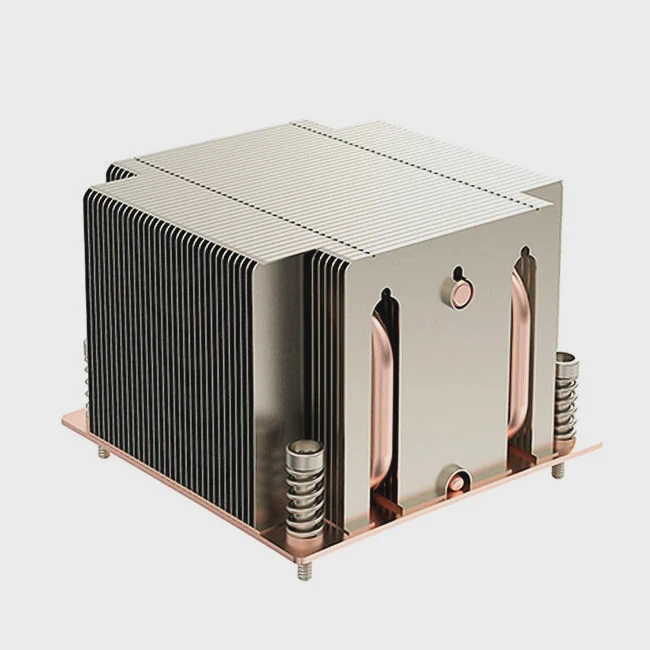
Only use chemicals that are known to be compatible with the vapor chamber’s material, typically copper or aluminum with or without nickel plating. Isopropyl alcohol is widely accepted as a safe option for cleaning. It evaporates quickly, leaves no residue, and does not react with metals.
Chemical cleaner usage chart
| Cleaner Type | Safe for Use | Comments |
|---|---|---|
| Isopropyl Alcohol (90%+) | Yes | Best option for surface oil and paste |
| Ethanol | Yes | Also safe, slower evaporation |
| Neutral pH Detergents | Yes (if rinsed) | Requires drying, may leave film |
| Acetone | No | Harsh, can attack seals |
| Acid/Alkali Cleaners | No | Corrosive to metal surfaces |
| Immersion in Any Chemical | No | Risk of contamination and seal failure |
Avoid any chemical that leaves a residue, is conductive, or can seep into seams and gaskets. Even mild chemicals should be applied using a cloth or swab, never by spraying directly into crevices.
After cleaning, always dry the chamber thoroughly. A low-temperature bake (under 50°C) can help remove any absorbed moisture, especially before reinstalling into electronics.
Can ultrasonic cleaning be used on Vapor Chambers?
Ultrasonic cleaners are common in many workshops. But for sealed vapor chambers, they’re a risky choice.
Ultrasonic cleaning is typically too high risk for sealed vapor chambers because the intense agitation and cavitation may compromise seals, disturb internal wick structures or catalyze fluid leakage.
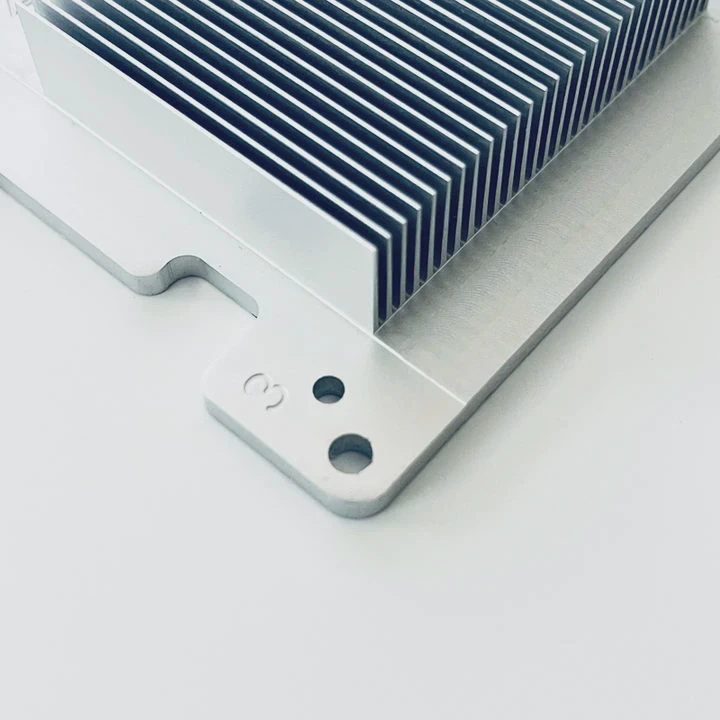
Vapor chambers are designed with precision internal structures that include sintered wicks, vacuum cavities, and sealed fluid. These structures are sensitive to vibration and pressure changes. Ultrasonic cleaners generate strong waves and microbubbles in liquid, which can damage internal components or cause microscopic leaks.
What can go wrong:
- The chamber wall may flex under vibration, breaking internal welds.
- Cavitation may damage thin metal or joint areas.
- Liquid from the tank may seep through imperfect seals.
- Wick structure could shift or collapse under shock.
Unless a vapor chamber is designed specifically for rugged environments or has been disassembled for maintenance in a factory setting, ultrasonic cleaning is not recommended.
If ultrasonic cleaning is the only option for cleaning external parts of an assembly, consider removing the vapor chamber first and cleaning it separately using safe manual methods.
Should Vapor Chambers be cleaned dry or wet?
Choosing between dry and wet cleaning depends on the type of contamination and the part of the chamber being cleaned.
External cleaning is best done dry or with minimal wet wiping (using solvent), while internal cleaning and immersion are not recommended for sealed vapor chambers.
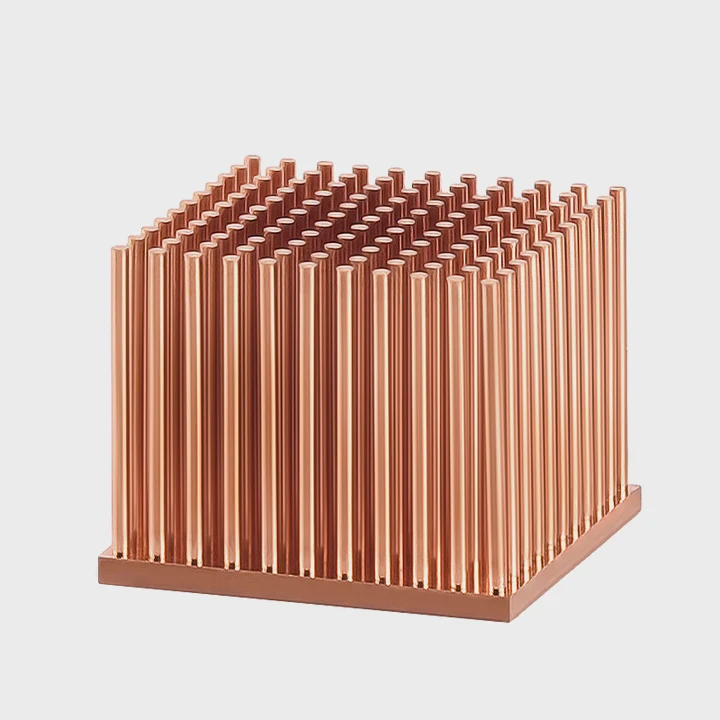
Dry cleaning is ideal for general dust removal. This includes soft-brushing or low-pressure air. These methods are safe and help maintain cleanliness without risk to the chamber’s seal.
Wet cleaning may be needed if there’s oil, thermal paste, or fingerprint contamination. A solvent like isopropyl alcohol is safe for wiping the surface, as long as it doesn’t soak into crevices or sit in joints.
Comparison of methods
| Cleaning Type | Safe to Use | Notes |
|---|---|---|
| Dry (air, brush) | Yes | Best for light dust, safe for all parts |
| Wet Wipe (alcohol) | Yes | Good for grease, oil, residue |
| Wet Soak (immersion) | No | Risks seal and internal fluid integrity |
| Vapor Cleaning | Limited | Only under manufacturer control |
| Steam or Hot Water | No | Not safe for sealed systems |
Always follow cleaning with a full dry cycle. Water or solvent trapped under thermal interface or in surface roughness can cause corrosion or loss of performance when the chamber heats up.
If a vapor chamber is extremely dirty or contaminated beyond cleaning, consider replacing it. Cleaning cannot restore internal function, fluid quantity, or wick performance once degraded.
Conclusion
Cleaning vapor chambers the right way helps preserve thermal efficiency and reliability. Always start with dry methods, use solvent wipes only when needed, and avoid immersion or ultrasonic methods. Focus on surface cleanliness and avoid disturbing the sealed internals. A well-maintained chamber stays cooler, lasts longer, and supports system stability.
TAGS
Latest Articles

Volume discount levels for heat sink orders?
Buyers often ask when heat sink prices start to drop with volume. Many worry they’re overpaying for small orders. This guide explains how B2B volume pricing works for thermal components. Heat sink
21 Dec,2025
Heat sink long-term supply contract options?
Many buyers want stable pricing and reliable delivery for heat sinks. But without a clear contract, risks grow over time. This article explores how to secure better long-term supply deals. Long-term
21 Dec,2025
Tooling cost for new heat sink profiles?
Many engineers struggle to understand why tooling for custom heat sinks costs so much. They worry about budgeting and production timelines. This article breaks down the cost drivers behind tooling.
21 Dec,2025
Heat sink custom sample process steps?
Sometimes, starting a custom heat sink project feels overwhelming—too many steps, too many unknowns, and too many risks. You want a sample, but not endless delays. The process for requesting and
20 Dec,2025
Standard B2B terms for heat sink payments?
When buyers and sellers in B2B heat sink markets talk about payment, many don’t fully understand what’s standard. This can lead to delayed orders, miscommunication, and even lost business
20 Dec,2025
Heat sink pricing factors for large orders?
Heat sinks are vital for many systems. When prices rise, projects stall and budgets break. This problem can hit teams hard without warning. Large order heat sink pricing depends on many factors. You
20 Dec,2025Related Articles
- How to install Vapor Chamber correctly?
- Vapor Chamber storage temperature guidelines?
- Typical warranty period for Vapor Chamber?
- Vapor Chamber bulk order logistics solution?
- How to reduce Vapor Chamber shipping cost?
- Vapor Chamber HS code for customs?
- How to repair damaged Vapor Chamber?
- Vapor Chamber servicing instructions?
- OEM or ODM options for Vapor Chamber?
- Vapor Chamber technology upgrade trends?
- Vapor Chamber role in energy saving systems?
- Green manufacturing for Vapor Chamber?
Author
Dr. Emily Chen
Chief AI Researcher
Leading expert in thermal dynamics and AI optimization with over 15 years of experience in data center efficiency research.
Categories
Latest Products






Recommend Categories
- Liquid cooling plate Manufacturer
- Industrial Heat Sink Manufacturer
- Standard Heat Sink Manufacturer
- Aluminum Heat Sink Manufacturer
- Copper Heat Sink Manufacturer
- Anodized Heatsink Manufacturer
- Stamping heat sink Manufacturer
- Die Casting Heatsink Manufacturer
- Soldering heat sink Manufacturer
- CNC Parts Manufacturer
Latest Products
- Wholesale Aluminum Radiator
- Water Cooling Plate Kit
- Water Cooling Heat Sink
- Water Cooling Heat Sink Kit
- Stainless Steel Water Distributor
- Server Water Cooling Plate Kit
- Server Liquid Cooling System
- Server Aluminum Cooling Kit
- S19 Full Cover Cooling Plate
- S19 Cooling Plate Kit
- S19 Aluminum Cooling Plate
Contact Expert
Have questions about this article? Reach out to our experts directly.