How to repair damaged Vapor Chamber?
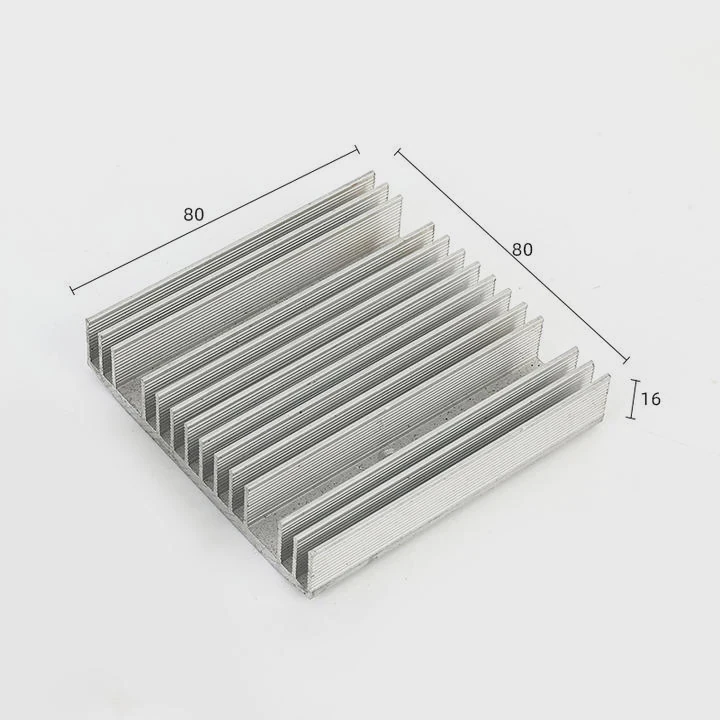
Dealing with a cracked or leaking vapor chamber can cause serious headaches for thermal management systems.
Repairing a damaged vapor chamber is extremely difficult: the sealed fluid wick structure inside means most damage means replacement — repair is only feasible in very limited cases.
Let’s unpack the details step by step.
Can a damaged Vapor Chamber be repaired?
Repairing a damaged vapor chamber is rarely straightforward.
In most cases a damaged vapor chamber cannot be reliably repaired because it is a sealed assembly; once the internal working fluid or vacuum is lost the chamber generally loses thermal performance permanently.
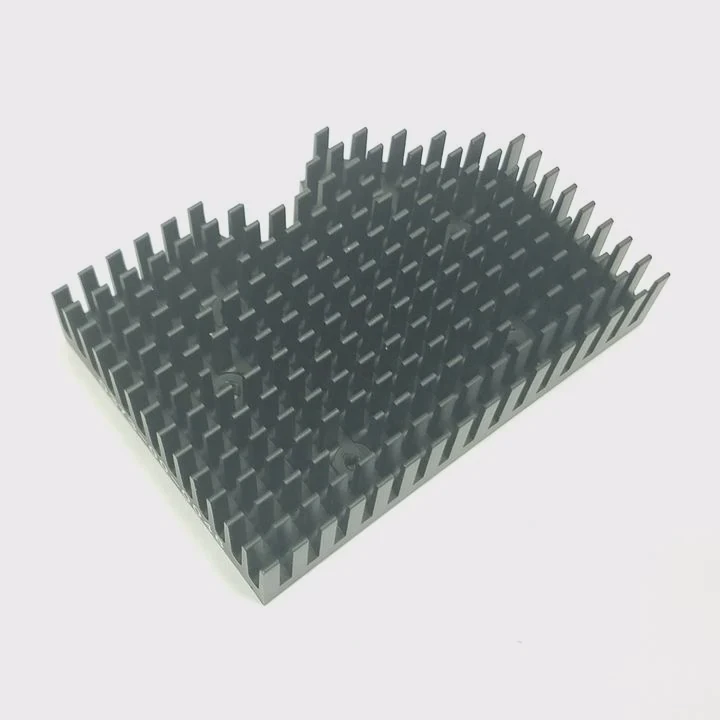
A vapor chamber is a sealed structure that relies on internal pressure, precise fluid charge, and wick function. Once damaged, these elements cannot be restored without full remanufacturing processes. Damage like cracks, punctures, or weld failures typically allow air to enter and the working fluid to escape, causing a complete loss in performance.
This design makes most vapor chambers non-repairable in practical field conditions. Unlike open-loop systems, vapor chambers are not built for disassembly or refill. Even if a leak is located and sealed, restoring the vacuum and correct fluid volume is not feasible without factory-grade tools and expertise. The internal wick structure may also become contaminated, permanently affecting performance.
In rare cases where the damage is superficial — such as a minor dent that does not compromise the vacuum seal — some thermal performance might remain. However, any long-term reliability is compromised, and performance may degrade over time due to slow vacuum loss or internal fluid redistribution.
What tools are needed to fix a leaking Vapor Chamber?
If you decide to attempt repair (or better inspect damage), you’ll need specialized tools—but even then success is not guaranteed.
Essential tools for inspecting or attempting to fix a leaking vapor chamber include vacuum pumps, helium leak detectors, brazing or laser welding equipment, high-vacuum bake-out ovens, and inert gas flooding systems.
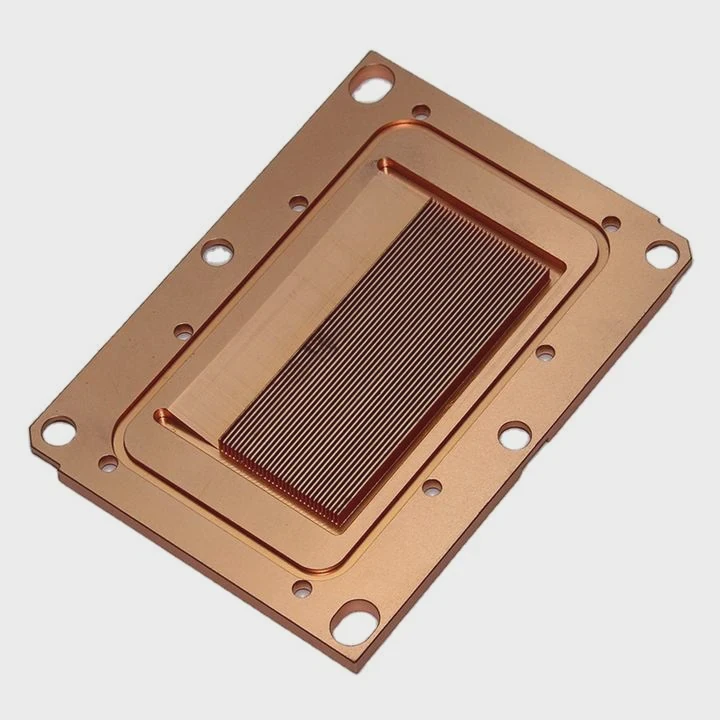
Tools typically required:
| Tool | Function |
|---|---|
| Vacuum pump | To remove air and check for leaks |
| Helium leak detector | To locate very small leaks |
| Micro-welding setup | For sealing metal shells or fixing weld failures |
| Fluid charging station | To add precise working fluid quantities |
| Bake-out oven | To dry out internal wick structures |
| Test chamber | To simulate operational pressures and validate repairs |
These tools are not commonly available outside of dedicated manufacturing lines. Micro-welding and fluid recharging require extremely tight control over temperature, material compatibility, and pressure. Even with these tools, repair success depends on the extent of damage.
Additionally, the cost and time required to perform such repairs often exceed the cost of a new vapor chamber. For most manufacturers and engineers, repair is not economically viable unless done in-house during prototyping or small-scale R&D.
Is re-vacuuming possible for damaged Vapor Chambers?
Re-vacuuming might sound like a good fix, but it rarely works in real-world settings.
Re-vacuuming a damaged vapor chamber is not practical in most cases, because recovering the correct internal vacuum level, fluid charge and wick functionality requires factory-grade equipment and precise process control; the risk of inadequate performance remains high.
Restoring vacuum inside a vapor chamber requires:
- Removing all air, contaminants, and residual vapors
- Heating the chamber to dry internal structures
- Injecting the correct volume of working fluid
- Sealing it while maintaining a perfect vacuum
These steps need precision machinery and controlled cleanroom conditions. Even a small error during vacuum sealing or fluid charging can lead to poor performance or total failure. The internal wick, once exposed to air or foreign particles, may never function properly again.
In some rare laboratory environments, engineers attempt re-vacuuming for testing purposes. However, the success rate is low, and even when the chamber holds vacuum temporarily, long-term reliability cannot be guaranteed.
In commercial applications, this process is almost never attempted due to the cost, complexity, and inconsistency in results. In most cases, a vapor chamber that loses vacuum should be retired and replaced.
Should damaged Vapor Chambers be replaced or repaired?
When faced with a damaged vapor chamber, the replacement decision must balance cost, performance, and risk.
In virtually all high-performance applications, replacing a damaged vapor chamber is the recommended path; repair or refurbishment only makes sense when downtime or cost of replacement is unacceptably high and you have full repair infrastructure.
Evaluate these factors before deciding:
| Factor | Consideration |
|---|---|
| Performance loss | Temperature rise or thermal resistance increase? |
| Damage extent | Cosmetic or structural (fluid/vacuum loss)? |
| Environment | Critical system or non-critical test setup? |
| Cost of failure | Does a failure risk major system breakdown? |
| In-house capability | Do you have tools and trained staff for repairs? |
In aerospace, electronics, and medical systems, performance and reliability are non-negotiable. A repaired vapor chamber could introduce hidden failures or thermal fluctuations over time. Replacing with a new, tested chamber ensures compliance and stability.
If your vapor chamber is custom-built and no longer in production, re-manufacturing may be considered. Even then, it’s typically better to duplicate the design with a new unit rather than attempt to repair the old one.
Preventive maintenance, protective packaging, and correct mounting procedures will help reduce vapor chamber damage in the first place. But once damage happens, replacement is almost always the better choice.
Conclusion
Repairing a damaged vapor chamber is technically possible but extremely difficult, expensive, and unreliable. Specialized tools, precise fluid handling, and controlled environments are essential. For most high-performance systems, replacing the damaged unit is safer and more efficient than attempting complex repairs. Focus on prevention and quality control to minimize future damage.
TAGS
Latest Articles

Volume discount levels for heat sink orders?
Buyers often ask when heat sink prices start to drop with volume. Many worry they’re overpaying for small orders. This guide explains how B2B volume pricing works for thermal components. Heat sink
21 Dec,2025
Heat sink long-term supply contract options?
Many buyers want stable pricing and reliable delivery for heat sinks. But without a clear contract, risks grow over time. This article explores how to secure better long-term supply deals. Long-term
21 Dec,2025
Tooling cost for new heat sink profiles?
Many engineers struggle to understand why tooling for custom heat sinks costs so much. They worry about budgeting and production timelines. This article breaks down the cost drivers behind tooling.
21 Dec,2025
Heat sink custom sample process steps?
Sometimes, starting a custom heat sink project feels overwhelming—too many steps, too many unknowns, and too many risks. You want a sample, but not endless delays. The process for requesting and
20 Dec,2025
Standard B2B terms for heat sink payments?
When buyers and sellers in B2B heat sink markets talk about payment, many don’t fully understand what’s standard. This can lead to delayed orders, miscommunication, and even lost business
20 Dec,2025
Heat sink pricing factors for large orders?
Heat sinks are vital for many systems. When prices rise, projects stall and budgets break. This problem can hit teams hard without warning. Large order heat sink pricing depends on many factors. You
20 Dec,2025Related Articles
- Vapor Chamber cleaning recommendations?
- How to install Vapor Chamber correctly?
- Vapor Chamber storage temperature guidelines?
- Typical warranty period for Vapor Chamber?
- Vapor Chamber bulk order logistics solution?
- How to reduce Vapor Chamber shipping cost?
- Vapor Chamber servicing instructions?
- OEM or ODM options for Vapor Chamber?
- Vapor Chamber technology upgrade trends?
- Vapor Chamber role in energy saving systems?
- Green manufacturing for Vapor Chamber?
- Cost comparison of Vapor Chamber and heat pipe?
Author
Dr. Emily Chen
Chief AI Researcher
Leading expert in thermal dynamics and AI optimization with over 15 years of experience in data center efficiency research.
Categories
Latest Products






Recommend Categories
- Liquid cooling plate Manufacturer
- Industrial Heat Sink Manufacturer
- Standard Heat Sink Manufacturer
- Aluminum Heat Sink Manufacturer
- Copper Heat Sink Manufacturer
- Anodized Heatsink Manufacturer
- Stamping heat sink Manufacturer
- Die Casting Heatsink Manufacturer
- Soldering heat sink Manufacturer
- CNC Parts Manufacturer
Latest Products
- Wholesale Aluminum Radiator
- Water Cooling Plate Kit
- Water Cooling Heat Sink
- Water Cooling Heat Sink Kit
- Stainless Steel Water Distributor
- Server Water Cooling Plate Kit
- Server Liquid Cooling System
- Server Aluminum Cooling Kit
- S19 Full Cover Cooling Plate
- S19 Cooling Plate Kit
- S19 Aluminum Cooling Plate
Contact Expert
Have questions about this article? Reach out to our experts directly.