can extruded aluminum be a heatsink?
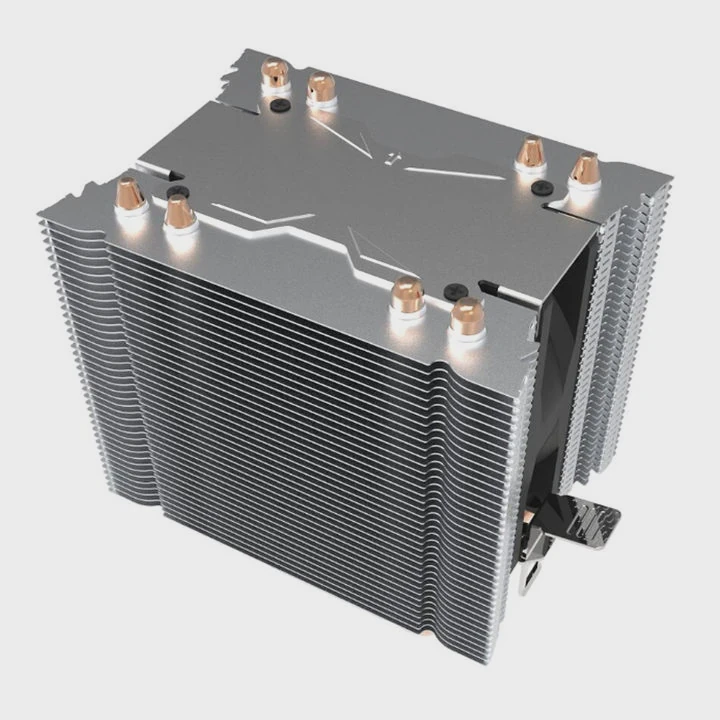
I remember the first time I picked up an extruded aluminum profile. It felt light, simple, and strong. I was surprised when it cooled a warm module better than a thick steel plate I had tested.
Yes, extruded aluminum can be a heatsink because it conducts heat well, forms precise fins, stays lightweight, and supports many shapes for airflow. It is one of the most common heatsink materials in modern devices.
I want to show you why aluminum works, how fin shapes help, and what surface and mounting choices mean for real cooling.
Why aluminum dissipates well?
I once compared a small aluminum block with a heavier steel block. The aluminum block cooled down much faster. That day I understood why so many products use this metal.
Aluminum dissipates well because it conducts heat fast, spreads heat across its body, and cools quickly in open air. Its low density also lets it form tall fins without adding weight.
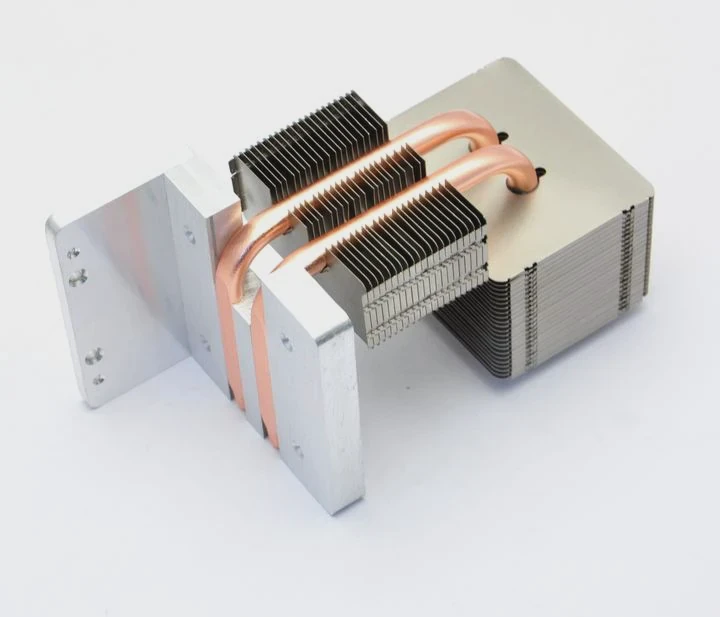
Aluminum carries heat from the base to the fins. The fins pass heat to the air. This simple path works in computers, lights, chargers, amplifiers, and many other devices.
H3: Why thermal conductivity matters
Aluminum has higher thermal conductivity than steel and many other metals. When heat enters the base, aluminum spreads it evenly. If the metal spreads heat well, fins stay active and do not create hot spots.
H3: Why low weight helps cooling
Aluminum is light. This makes long fins stable. It also makes big modules strong and easy to mount. A light heatsink holds shape even when attached to thin boards or small brackets.
Conduction comparison table
Below is a simple table that shows how aluminum compares with a few common metals:
| Material | Relative Conductivity | Weight Impact | Cooling Use |
|---|---|---|---|
| Aluminum | High | Low weight | Very common |
| Copper | Very high | Heavy | Strong but costly |
| Steel | Low | Heavy | Weak cooling |
Why aluminum stays the default choice
I see aluminum heatsinks in most products. It balances heat performance, price, and shape freedom. Copper works better but costs more and adds weight. Steel is strong but has low heat flow.
H3: What I learned from testing
I heated two blocks, one aluminum and one steel, to the same temp. The aluminum lost heat faster once I placed them in front of a fan. The difference was clear. This experience taught me that “good cooling” is not only about strength, but also about heat movement and air contact.
Which shapes improve convection?
I once tested a smooth block thinking mass alone would help. It barely cooled down. When I added fins, temps dropped fast. That was when I learned shape is the heart of convection.
Finned shapes improve convection because they increase surface area and let air move through narrow channels. Taller fins, wider spacing, and clean paths make air flow easier.
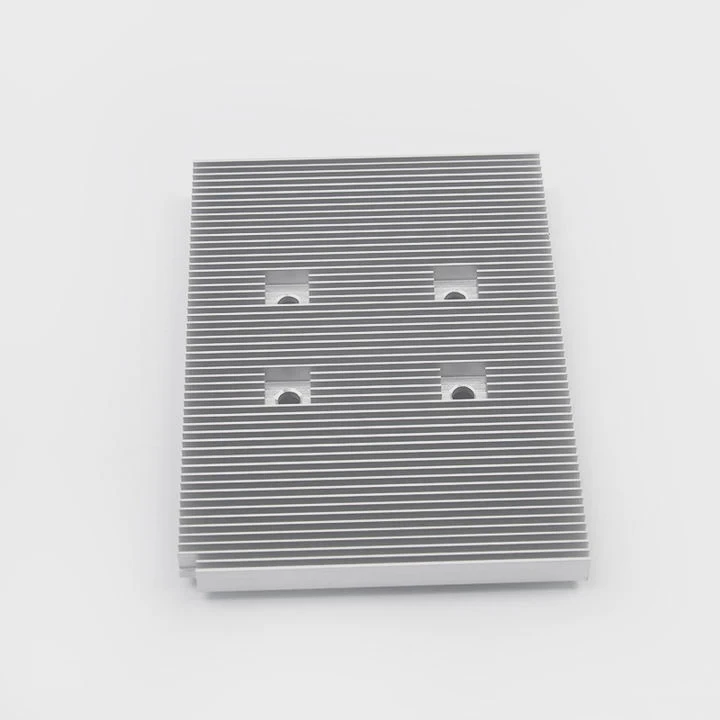
Extrusion makes long fins easy to form. This is why aluminum extrusion is popular for passive and active cooling.
H3: Why surface area matters
More surface area means more contact with air. When air touches a warm fin, heat moves from the metal to the air. The more fins a heatsink has, the more heat it can move away.
H3: Which fin shapes work best
Straight fins work well for most designs. Wide spacing helps natural convection. Narrow spacing helps when strong fans push air. I have used both types depending on airflow strength.
Convection shape table
Here is a table that shows common shapes and their effect:
| Shape | Airflow Type | Effect on Cooling |
|---|---|---|
| Straight fins | Natural or forced | Balanced performance |
| Wide fins | Natural convection | Good with open air |
| Dense fins | Forced air | Strong with fans |
| Pin fins | Multi-direction | Good in random airflow |
H3: Why orientation affects results
If fins sit vertical, warm air moves upward and pulls cool air from below. If fins sit horizontal, airflow slows. Many times I saw temps drop by just rotating a heatsink so its fins matched airflow direction.
H3: What I learned from poor shapes
I tried a thick block with no fins. It held heat too long. I tried a fin design with very tight spacing in passive use. Air could not enter the channels. It warmed up fast. This showed me that shape matters more than mass.
Can anodizing enhance performance?
I used to think anodizing was only for color. Then I touched a black anodized heatsink after a stress test. It felt cooler than a raw silver one of the same shape. That moment changed how I viewed this surface process.
Yes, anodizing can enhance performance because it adds a thin oxide layer that increases surface emissivity. This improves heat radiation and helps fins release heat more evenly.
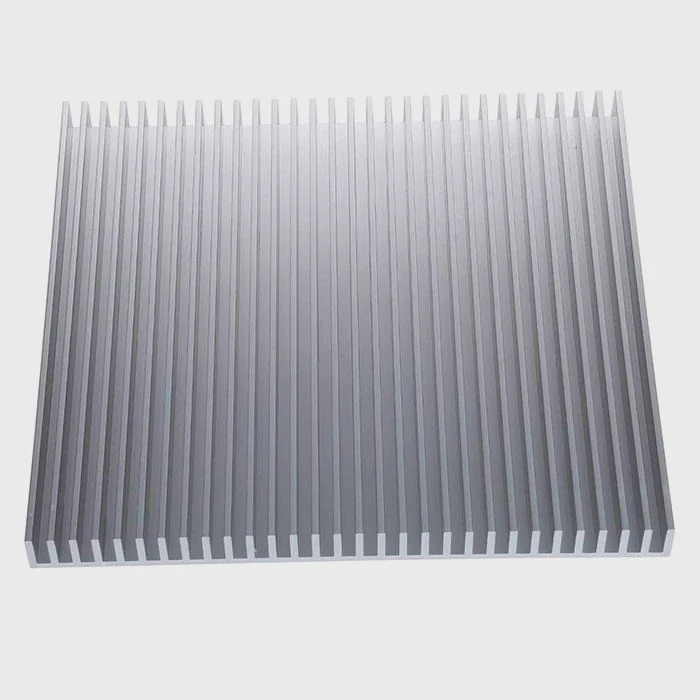
Anodizing does not raise conduction inside the metal. But it speeds heat release from the surface.
H3: Why emissivity matters
Heat leaves a heatsink through both convection and radiation. Anodized surfaces radiate heat better than raw aluminum. This helps most in passive cooling setups and in devices with slow airflow.
H3: Why black anodizing is common
Black surfaces radiate more heat than many other colors. This is why many high-power LED modules use black fins. The color improves radiation without changing the basic metal.
Anodizing effect table
Here is a simple table that shows raw vs anodized behavior:
| Surface Type | Emissivity | Cooling Effect |
|---|---|---|
| Raw aluminum | Low | Basic cooling |
| Clear anodized | Medium | Better stability |
| Black anodized | High | Stronger radiation |
H3: How anodizing protects the metal
Anodizing also protects aluminum from scratches and wear. It keeps fins clean and safe. Clean fins pass heat faster. Dust sticks less to smooth anodized surfaces.
H3: What I learned from field tests
I tested two heatsinks on the same load. The anodized one stayed a few degrees cooler. The difference grew larger in low airflow. These tests convinced me that anodizing is not only cosmetic. It changes the way a heatsink releases heat.
Do mounting holes affect strength?
I once drilled mounting holes too close to a fin base. The profile bent slightly when I screwed it down. That was when I learned hole placement affects strength more than I thought.
Yes, mounting holes affect strength because each hole removes metal from the profile. Good spacing keeps the base strong, prevents bending, and protects the fins during installation.
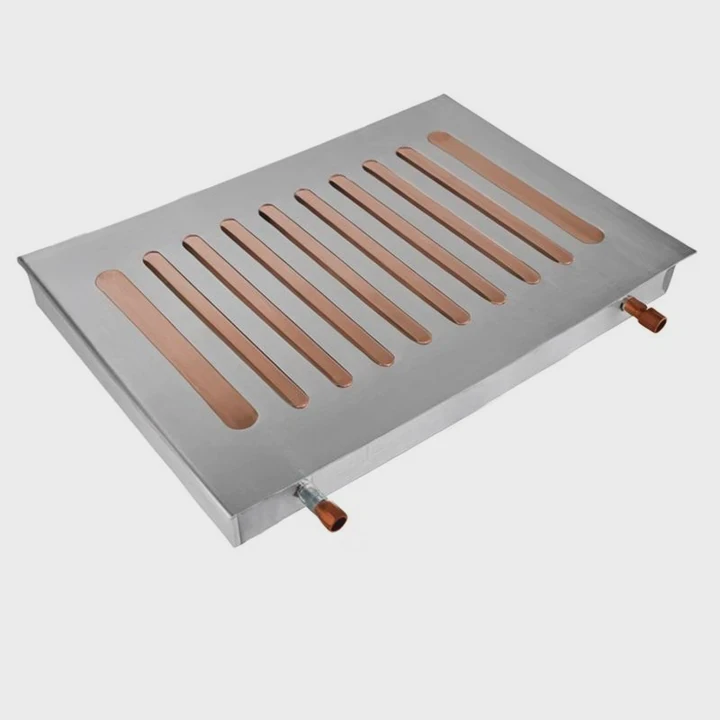
Extruded aluminum is strong, but thin sections can bend when pressure is uneven.
H3: Why hole placement matters
Mounting holes create weak points. A hole near the edge or right under a fin root makes the base flex. A flexing base leads to poor thermal contact with the device.
H3: What safe spacing looks like
I keep holes away from thin edges. I use even spacing along the base. I make sure screws apply gentle pressure. When holes sit too close together, the area between them may bow.
Mounting hole table
Below is a table that shows safe and unsafe placements:
| Hole Placement | Strength | Risk |
|---|---|---|
| Centered on thick base | Strong | Low |
| Near thin edge | Weak | High |
| Between dense fins | Medium | Moderate |
| Near fin root | Weak | High |
H3: Why screw pressure affects shape
When screws push unevenly, aluminum bends. If the base bends, the fins sit unbalanced. This lowers cooling because heat may not reach all fins evenly. Even pressure keeps shape stable.
H3: What I learned from design errors
I designed a small heatsink for a tiny board. I placed the holes too near the corners. When I tightened the screws, the base twisted. Heat transfer dropped. I redesigned the hole pattern with better spacing. The new part worked much better. That experience taught me how hole position shapes real cooling.
Conclusion
Extruded aluminum works as a strong heatsink because it spreads heat well, forms useful fin shapes, supports anodized surfaces, and mounts safely with proper hole placement. When shape, surface, and structure are balanced, aluminum provides stable and efficient cooling in many devices.
TAGS
Latest Articles

Volume discount levels for heat sink orders?
Buyers often ask when heat sink prices start to drop with volume. Many worry they’re overpaying for small orders. This guide explains how B2B volume pricing works for thermal components. Heat sink
21 Dec,2025
Heat sink long-term supply contract options?
Many buyers want stable pricing and reliable delivery for heat sinks. But without a clear contract, risks grow over time. This article explores how to secure better long-term supply deals. Long-term
21 Dec,2025
Tooling cost for new heat sink profiles?
Many engineers struggle to understand why tooling for custom heat sinks costs so much. They worry about budgeting and production timelines. This article breaks down the cost drivers behind tooling.
21 Dec,2025
Heat sink custom sample process steps?
Sometimes, starting a custom heat sink project feels overwhelming—too many steps, too many unknowns, and too many risks. You want a sample, but not endless delays. The process for requesting and
20 Dec,2025
Standard B2B terms for heat sink payments?
When buyers and sellers in B2B heat sink markets talk about payment, many don’t fully understand what’s standard. This can lead to delayed orders, miscommunication, and even lost business
20 Dec,2025
Heat sink pricing factors for large orders?
Heat sinks are vital for many systems. When prices rise, projects stall and budgets break. This problem can hit teams hard without warning. Large order heat sink pricing depends on many factors. You
20 Dec,2025Related Articles
- what is a heatsink chipset?
- how to mount a 212 evo heatsink?
- how to put heatsink on cpu?
- can you boot skylake without heatsink?
- how to install heatsink and fan into a cpu?
- how do i reuse a heatsink on a cpu?
- Do you need a heatsink for M.2 SSD?
- how much does intel stock heatsink cost?
- how to take heatsink of 3070 ti strix?
- how to install mosfet heatsinks?
- how to add heatsink to raspberry pi 3?
- How to clean a processor CPU heatsink?
Author
Dr. Emily Chen
Chief AI Researcher
Leading expert in thermal dynamics and AI optimization with over 15 years of experience in data center efficiency research.
Categories
Latest Products
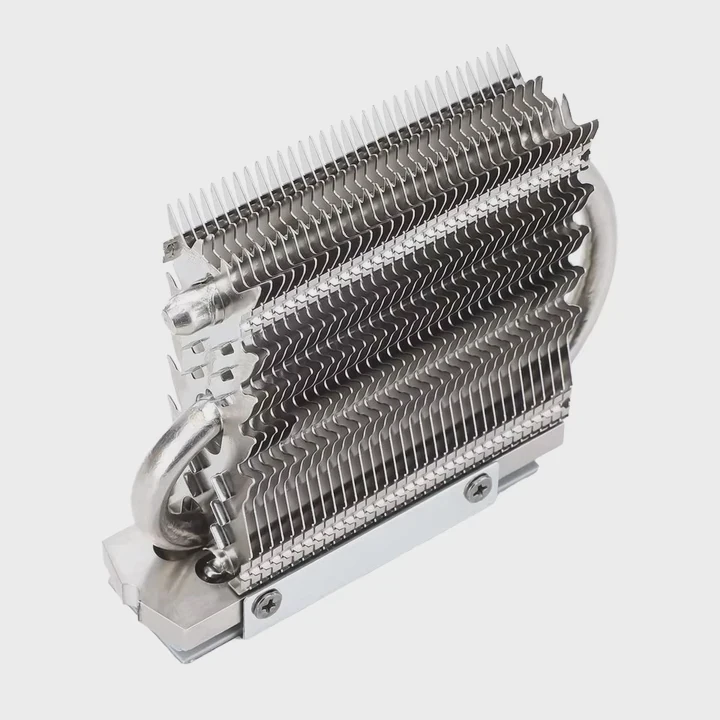
M.2 Heatpipe Heatsink With Dual Fans For Pc Case
19 Mar,2026
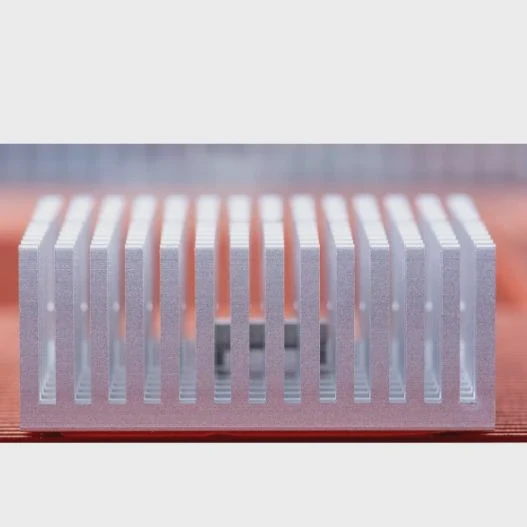
Heavy-Duty Aluminum Heat Sink Custom
19 Mar,2026
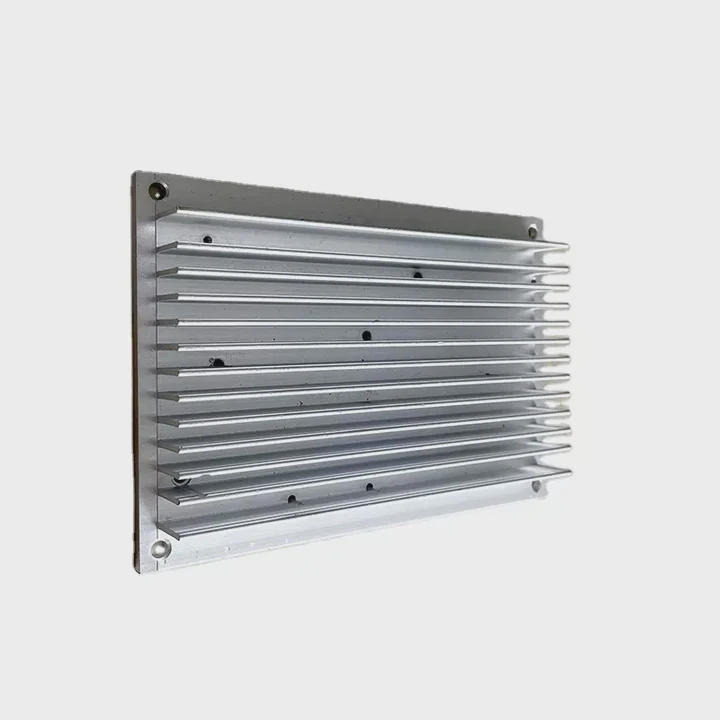
Oem Skived Fin Heatsink Aluminum Radiator For Plants
19 Mar,2026
Water Cooled Cnc Aluminum Heat Sink For Medical
19 Mar,2026
High Density 6000 Series Aluminum Heat Sink Profile
19 Mar,2026
High-Density Extruded Aluminum & Bonded-Fin Heat Sink Profile
19 Mar,2026
Recommend Categories
- Liquid cooling plate Manufacturer
- Industrial Heat Sink Manufacturer
- Standard Heat Sink Manufacturer
- Aluminum Heat Sink Manufacturer
- Copper Heat Sink Manufacturer
- Anodized Heatsink Manufacturer
- Stamping heat sink Manufacturer
- Die Casting Heatsink Manufacturer
- Soldering heat sink Manufacturer
- CNC Parts Manufacturer
Latest Products
- M.2 Heatpipe Heatsink With Dual Fans For Pc Case
- Heavy-Duty Aluminum Heat Sink Custom
- Oem Skived Fin Heatsink Aluminum Radiator For Plants
- Water Cooled Cnc Aluminum Heat Sink For Medical
- High Density 6000 Series Aluminum Heat Sink Profile
- High-Density Extruded Aluminum & Bonded-Fin Heat Sink Profile
- Dongguan Cnc Aluminum Heat Sink For Led & Brass Parts
- Wholesale Cnc Aluminum Heat Sink - Custom Extruded
- Led Cnc Round Heat Sink With Screw Holes
- Copper Pin-Fin Heat-Sink Large-Area For Photoled Cooling
- Telecom Heatsink Zipper Fin Wcopper Tubes Oem
Contact Expert
Have questions about this article? Reach out to our experts directly.