how to mount a 212 evo heatsink?
I know many builders feel nervous the first time they mount a Cooler Master 212 EVO. The tall tower, the bracket, and the clips look scary, so they fear a wrong step will crack the CPU or warp the board.
You can mount a 212 EVO by aligning the backplate, fixing the crossbar, adding a thin paste layer, and tightening the screws in a cross pattern so the tower sits even and secure.
I want to show a clear path so the process feels simple. I still remember the first time I pressed too hard on the crossbar and the cooler slid sideways. That one slip taught me to check alignment before I tighten anything.
Why align the mounting bracket first?
Many people try to place paste and clamp the heatsink right away. But the 212 EVO uses a front crossbar and a rear backplate that must align well. If the parts shift, the tower tilts and the contact becomes weak.
You align the mounting bracket first so the heatsink sits flat on the CPU, spreads paste evenly, and stays centered when you tighten the crossbar.
I learned this when I rushed a mount on an old workstation. I ignored the bracket’s small pegs. When I tightened the crossbar, the bracket leaned, and the cooler pressed unevenly on the CPU. The system ran hot. Since then I align the bracket before I touch the screws.
How the bracket works
The 212 EVO uses a simple system. The backplate goes under the board. The front rails screw into the backplate. The rails hold the crossbar. The crossbar holds the tower. Every part needs to line up.
Common bracket layout table
| Part | Position | Purpose |
|---|---|---|
| Backplate | Behind the board | Holds the studs |
| Front rails | Top of board | Guides the screws |
| Crossbar | On the base of tower | Applies pressure |
| Tower pegs | On cooler base | Centers the crossbar |
These parts look simple, but if one shifts, the whole cooler leans.
Why alignment affects paste
If the bracket sits off-center, the cooler slides when you press the crossbar. This sliding pushes paste to one side. A thin chip in the paste layer creates a hot spot. When I align the rails and center the base, the paste spreads clean and even.
My quick alignment check
I place the backplate lightly. I set the rails. I wiggle them until the holes match the CPU socket. I hold the tower above the rails and check that the base lines up with the crossbar slot. This visual check saves the paste and makes the final press smooth.
Which screws secure the 212 EVO?
Many builders get confused when they see four long screws, four short screws, and the crossbar screws in the kit. They wonder which ones should go into the backplate or the rails.
The 212 EVO uses four long screws to fix the front rails to the backplate, and two spring-loaded screws on the crossbar to clamp the tower to the CPU.
I remember mixing the screws during a late-night build. I used the short screws for the crossbar and stripped one. That mistake taught me to sort the hardware before I start.
Hardware breakdown
Here is a simple table I keep in my notes:
| Screw | Use | Notes |
|---|---|---|
| Long machine screws | Rails → Backplate | Main support |
| Spring-loaded screws | Crossbar → Base | Applies pressure |
| Short screws | Some brackets on older kits | Not for tower clamp |
The spring-loaded screws are the most important ones. They control pressure. They prevent over-tightening.
Why springs matter
The springs limit force. They let you tighten until the screw stops. This protects the CPU. If you use the wrong screw, you may apply too much pressure and crack the board or bend the socket.
How I tighten the screws
I tighten each spring screw a few turns. Then I switch to the other. I repeat until both stop. This keeps the pressure even. If I tighten one screw all the way first, the cooler leans and spreads paste unevenly.
Why screw depth matters
If the long screws do not catch the backplate threads, the bracket will rattle. If they feel too loose, I check the backplate position again. A tight bracket keeps the tower stable, especially when the fan spins at higher speed.
Can paste spread unevenly?
Many builders worry about thermal paste. They fear too much, too little, or uneven spread. The 212 EVO uses strong pressure from the crossbar. This pressure spreads paste well, but only if the base sits flat.
Yes, paste can spread unevenly if the bracket leans, the tower slides during mounting, or the paste blob sits off-center. An uneven layer makes hot spots and reduces cooling.
I once used a pea-sized blob but placed it too close to one edge. When I tightened the crossbar, the cooler drifted slightly. This pushed paste to one side. The CPU ran 8°C hotter. When I remounted with proper alignment, the temperature dropped.
Why paste spread matters
The paste fills tiny gaps between the cooler base and CPU’s IHS. Air gaps block heat. A smooth, thin layer fixes this. But paste works only when the cooler sits still during mounting.
How pressure shapes paste
The 212 EVO’s spring screws apply strong even pressure. This pressure pushes the paste outward. If the base is centered, the paste flows evenly. If the base tilts, the paste pools on one side.
Checkpoints to avoid uneven spread
I follow these steps:
- I place a pea-sized dot in the center
- I keep the cooler base straight
- I lower the cooler slowly
- I start both screws lightly
- I tighten in small steps across both screws
These small steps avoid tilt and side push.
When to reapply paste
If the cooler slides while you mount it, the paste may streak. If this happens, I lift the cooler, wipe both surfaces, and start over. A fresh mount takes time, but it brings a clean temperature curve.
Should fan face case exhaust?
Many builders mount the tower first and place the fan later. They often guess which way the fan should face. The 212 EVO depends on airflow direction to pull cool air in and push warm air out.
Yes, the fan should face the case exhaust so air moves from the front of the case, through the heatsink, and out the rear fan for smooth cooling.
I learned this when I once mounted the fan backward by accident. The cooler pulled air from the rear and fought the case fan. The CPU ran warm and the noise increased. When I flipped the fan, the system cooled down right away.
Airflow basics
Most tower coolers follow the same path. Air enters from the front. It passes through the fins. It leaves toward the rear. This matches the case’s front-to-back airflow design.
How to check fan direction
Fans have small arrows on the frame. One arrow shows spin direction. One arrow shows airflow direction. I aim the airflow arrow toward the rear exhaust fan.
When top exhaust changes direction
If the case uses top fans as the main exhaust, I sometimes rotate the tower to face upward. But this is rare. Most cases work best with front-to-back flow.
Why matching airflow matters
If the CPU fan fights the case fan, the air stalls. Warm pockets form around the cooler. The CPU temperature rises. When both fans work in the same direction, air moves in a clean line. This keeps the CPU stable under load.
Conclusion
A smooth 212 EVO mount needs a centered bracket, the right screws, clean paste spread, and good airflow direction. When each step stays steady and aligned, the tower sits firm, the paste forms a thin layer, and the CPU stays cool under load.
TAGS
Latest Articles

Volume discount levels for heat sink orders?
Buyers often ask when heat sink prices start to drop with volume. Many worry they’re overpaying for small orders. This guide explains how B2B volume pricing works for thermal components. Heat sink
21 Dec,2025
Heat sink long-term supply contract options?
Many buyers want stable pricing and reliable delivery for heat sinks. But without a clear contract, risks grow over time. This article explores how to secure better long-term supply deals. Long-term
21 Dec,2025
Tooling cost for new heat sink profiles?
Many engineers struggle to understand why tooling for custom heat sinks costs so much. They worry about budgeting and production timelines. This article breaks down the cost drivers behind tooling.
21 Dec,2025
Heat sink custom sample process steps?
Sometimes, starting a custom heat sink project feels overwhelming—too many steps, too many unknowns, and too many risks. You want a sample, but not endless delays. The process for requesting and
20 Dec,2025
Standard B2B terms for heat sink payments?
When buyers and sellers in B2B heat sink markets talk about payment, many don’t fully understand what’s standard. This can lead to delayed orders, miscommunication, and even lost business
20 Dec,2025
Heat sink pricing factors for large orders?
Heat sinks are vital for many systems. When prices rise, projects stall and budgets break. This problem can hit teams hard without warning. Large order heat sink pricing depends on many factors. You
20 Dec,2025Related Articles
- how to put heatsink on cpu?
- can you boot skylake without heatsink?
- how to install heatsink and fan into a cpu?
- how do i reuse a heatsink on a cpu?
- do laptop ssd need heatsink?
- does the adata xpg sx8200 pro 1tb need a heatsink?
- what is a heatsink chipset?
- can extruded aluminum be a heatsink?
- Do you need a heatsink for M.2 SSD?
- how much does intel stock heatsink cost?
- how to take heatsink of 3070 ti strix?
- how to install mosfet heatsinks?
Author
Dr. Emily Chen
Chief AI Researcher
Leading expert in thermal dynamics and AI optimization with over 15 years of experience in data center efficiency research.
Categories
Latest Products
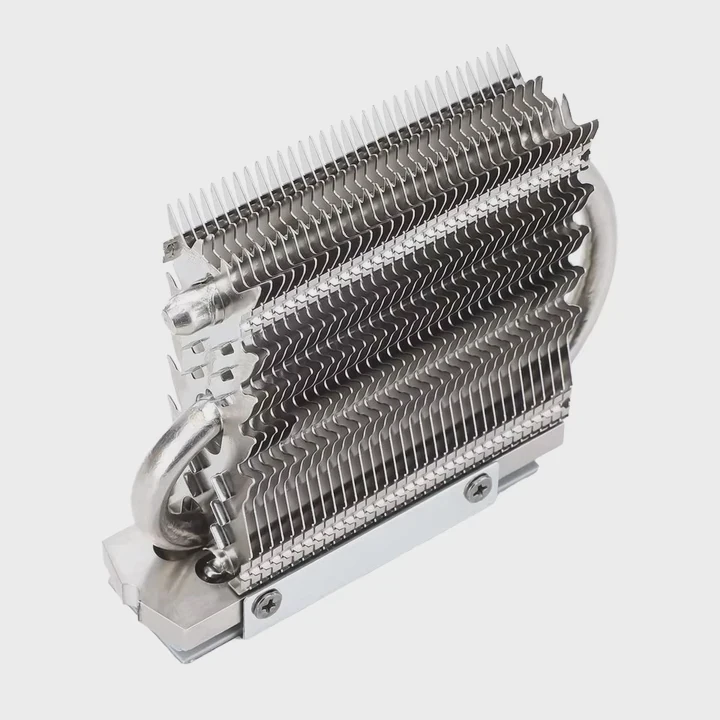
M.2 Heatpipe Heatsink With Dual Fans For Pc Case
19 Mar,2026
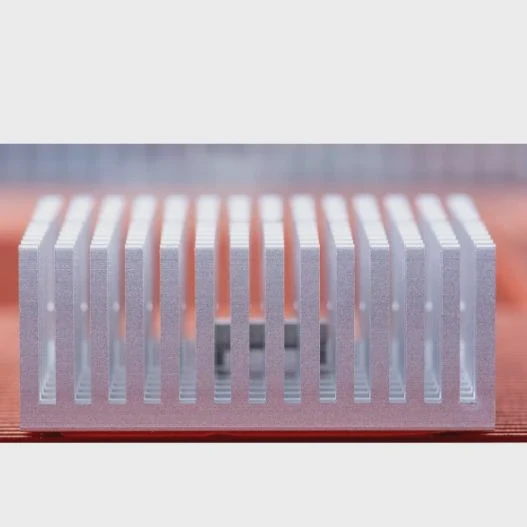
Heavy-Duty Aluminum Heat Sink Custom
19 Mar,2026
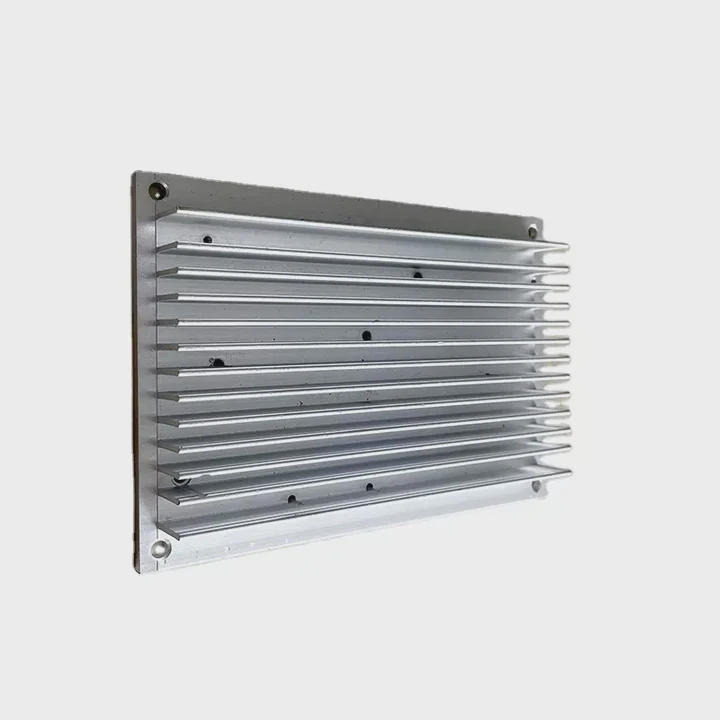
Oem Skived Fin Heatsink Aluminum Radiator For Plants
19 Mar,2026
Water Cooled Cnc Aluminum Heat Sink For Medical
19 Mar,2026
High Density 6000 Series Aluminum Heat Sink Profile
19 Mar,2026
High-Density Extruded Aluminum & Bonded-Fin Heat Sink Profile
19 Mar,2026
Recommend Categories
- Liquid cooling plate Manufacturer
- Industrial Heat Sink Manufacturer
- Standard Heat Sink Manufacturer
- Aluminum Heat Sink Manufacturer
- Copper Heat Sink Manufacturer
- Anodized Heatsink Manufacturer
- Stamping heat sink Manufacturer
- Die Casting Heatsink Manufacturer
- Soldering heat sink Manufacturer
- CNC Parts Manufacturer
Latest Products
- M.2 Heatpipe Heatsink With Dual Fans For Pc Case
- Heavy-Duty Aluminum Heat Sink Custom
- Oem Skived Fin Heatsink Aluminum Radiator For Plants
- Water Cooled Cnc Aluminum Heat Sink For Medical
- High Density 6000 Series Aluminum Heat Sink Profile
- High-Density Extruded Aluminum & Bonded-Fin Heat Sink Profile
- Dongguan Cnc Aluminum Heat Sink For Led & Brass Parts
- Wholesale Cnc Aluminum Heat Sink - Custom Extruded
- Led Cnc Round Heat Sink With Screw Holes
- Copper Pin-Fin Heat-Sink Large-Area For Photoled Cooling
- Telecom Heatsink Zipper Fin Wcopper Tubes Oem
Contact Expert
Have questions about this article? Reach out to our experts directly.