How long does a liquid cooler last?
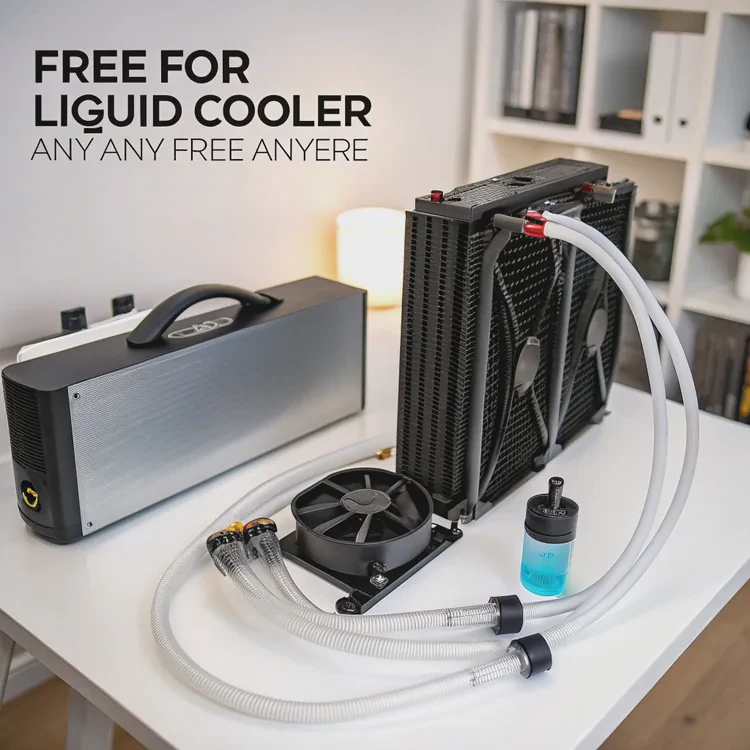
Liquid coolers are known for keeping systems cool and quiet, but how long do they actually last? Like any other machine, their performance and durability depend on design, maintenance, and operating conditions.
A high-quality liquid cooler typically lasts between 5 and 7 years for AIO (All-In-One) systems, and up to 10 years or more for custom loops with proper care.
In this article, we’ll explore what affects cooler lifespan, why durability matters, how to maintain a liquid cooler, and what future innovations aim to extend cooling longevity.
What affects cooler lifespan?
Liquid coolers have several moving and chemical components that wear over time. While many modern systems are built for reliability, no cooler lasts forever.
The lifespan of a liquid cooler depends on factors like pump quality, coolant evaporation, material corrosion, usage time, and maintenance frequency.
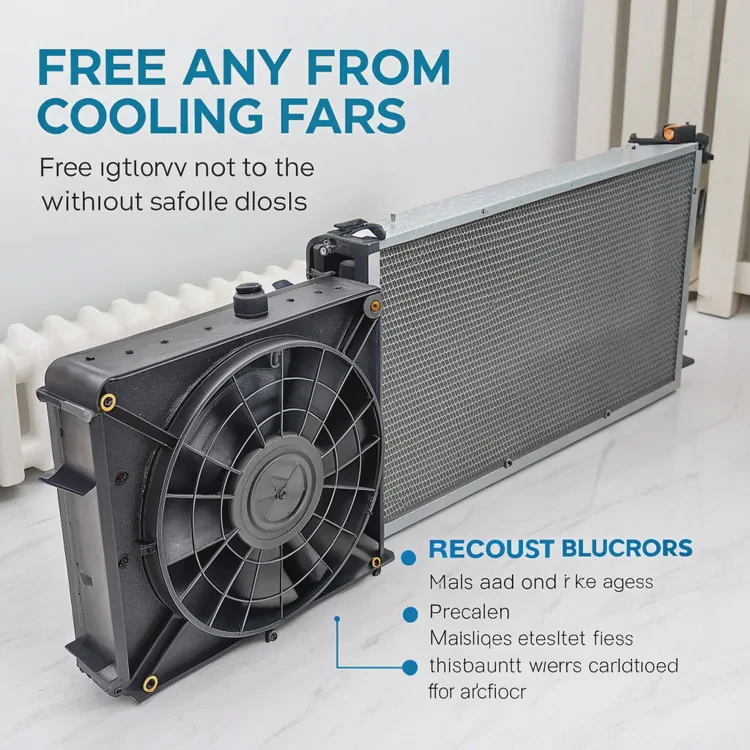
Let’s break down the key elements that influence longevity.
1. Pump Quality
The pump is the heart of any liquid cooler. It continuously moves coolant through the system.
- A good pump can last 5–8 years of continuous operation.
- Cheap or overworked pumps may fail sooner due to bearing wear or electrical faults.
Signs of pump aging include increased noise, reduced coolant flow, and higher CPU temperatures.
2. Coolant Evaporation and Degradation
Even sealed AIO systems experience gradual coolant evaporation through the rubber tubing. Over time, this can reduce cooling efficiency.
In custom loops, coolant degradation can occur due to heat exposure, oxidation, or biological growth if additives are old.
Coolant should be replaced every 12–24 months for optimal performance.
3. Material Corrosion
If dissimilar metals (like copper and aluminum) are mixed, galvanic corrosion can occur, leading to leaks or blockages.
High-quality systems use nickel-plated copper or anodized aluminum to prevent corrosion.
4. Usage Time and Temperature
Running the system 24⁄7 or in hot environments increases wear on the pump and coolant.
Keeping the system within safe temperature limits extends its overall life.
5. Dust and Blockages
Dust buildup in radiators and fans reduces airflow, causing the pump and fans to work harder.
Regular cleaning helps maintain performance and extends lifespan.
6. Manufacturing Quality
Well-engineered systems with tight seals, durable tubing, and high-quality bearings last longer.
Top-tier brands test their coolers under heavy loads to ensure long-term reliability.
Average Lifespan by Component
| Component | Typical Lifespan | Notes |
|---|---|---|
| Pump | 5–8 years | Replace when noisy or weak |
| Radiator | 10+ years | Metal lasts if corrosion-free |
| Tubing | 3–6 years | May harden or discolor |
| Coolant | 1–2 years | Replace periodically |
| Fans | 4–7 years | Bearings may wear out |
| Seals | 5–10 years | Can degrade with heat |
In short, quality, usage, and maintenance determine whether your liquid cooler lasts a few years or a full decade.
What are the advantages of durable coolers?
A durable liquid cooler does more than save you money — it improves reliability, stability, and peace of mind.
The advantages of a long-lasting cooler include consistent thermal performance, quieter operation, lower costs, and extended hardware protection.
Let’s explore these benefits in more detail.
1. Stable Thermal Performance
A long-lasting cooler maintains consistent temperature control over years of use. Stable thermals prevent CPU or GPU throttling and support high workloads such as rendering, gaming, or simulation.
2. Cost Efficiency
Durable coolers reduce the need for frequent replacements, saving money over time. High-quality systems also minimize the risk of leaks or part failures that could damage expensive hardware.
3. Reduced Maintenance
Well-built coolers with corrosion-resistant materials and sealed loops require minimal upkeep.
Most AIO systems run for years with only occasional cleaning of the radiator and fans.
4. Quieter Operation
Aging pumps and fans tend to get louder. A cooler that retains performance longer runs more quietly and smoothly, keeping noise levels down in professional or home environments.
5. Increased Hardware Lifespan
Stable temperatures help extend the lifespan of the CPU, GPU, and motherboard.
Every 10°C drop in CPU temperature can approximately double its operational life.
6. Greater System Reliability
Durable coolers maintain steady performance even under peak loads. This reliability is essential for servers, workstations, and gaming systems where stability matters most.
Comparison Table: Short-Lived vs. Durable Coolers
| Feature | Short-Lived Cooler | Durable Cooler |
|---|---|---|
| Lifespan | 2–4 years | 7–10 years |
| Maintenance | Frequent | Minimal |
| Cooling Efficiency | Declines quickly | Stays consistent |
| Noise Level | Increases with age | Remains stable |
| Hardware Protection | Limited | Strong |
| Cost Efficiency | Poor | Excellent |
In short, investing in a durable liquid cooler provides long-term stability and value.
How to maintain a liquid cooler?
Even the best cooler needs occasional care to reach its full lifespan. Proper maintenance keeps it quiet, clean, and efficient.
To maintain a liquid cooler, clean the radiator and fans regularly, control system temperatures, and replace coolant in custom loops every 12–24 months.
Here’s how to keep your cooler running at its best.
1. Clean Radiator and Fans
Dust is the enemy of airflow. Every 3–6 months, remove dust from radiator fins and fans using compressed air or a soft brush.
Avoid using liquids that can damage electronics.
2. Check Pump Operation
Listen for unusual noises from the pump. A faint hum is normal, but grinding or rattling sounds suggest wear.
In BIOS or software, ensure the pump speed matches manufacturer specifications.
3. Monitor Temperatures
Use software such as HWMonitor, MSI Afterburner, or NZXT CAM to track CPU/GPU temperatures.
If temperatures rise unexpectedly, check for airflow obstructions or old thermal paste.
4. Replace Coolant (Custom Loops Only)
Over time, coolant loses its anti-corrosion and anti-fungal additives.
Replace it every 1–2 years and flush the loop with distilled water before refilling.
5. Inspect Tubing and Fittings
Look for discoloration, swelling, or leaks along the tubing and fittings.
Replace any damaged parts immediately to prevent coolant loss.
6. Control System Heat
Keep your PC in a well-ventilated environment. Avoid placing it near walls or heat sources.
Stable ambient temperatures reduce thermal stress on both pump and components.
Example Maintenance Schedule
| Task | Frequency | Notes |
|---|---|---|
| Clean radiator and fans | Every 3–6 months | Use compressed air |
| Check for leaks | Every 6 months | Inspect fittings and tubing |
| Replace coolant (custom loop) | Every 12–24 months | Flush system before refill |
| Monitor pump noise | Every 6 months | Replace if grinding or rattling |
| Reapply thermal paste | Every 2–3 years | Ensures consistent contact |
Regular maintenance prevents problems and helps your cooler reach its maximum potential lifespan.
What are future improvements in cooling lifespan?
Cooling manufacturers are focusing on innovation to make systems last longer and require less maintenance.
Future improvements in liquid cooling lifespan include magnetic pumps, AI-based diagnostics, corrosion-resistant materials, self-cleaning radiators, and eco-friendly long-life coolants.
Let’s explore how these technologies are shaping the future.
1. Magnetic Levitation Pumps and Fans
MagLev technology removes physical contact between moving parts by using magnetic fields.
This reduces friction, extends pump and fan life beyond 10 years, and cuts noise dramatically.
2. AI Diagnostics and Predictive Maintenance
New coolers will feature AI-integrated sensors that analyze pump performance, coolant levels, and temperature trends.
The system can alert users before issues like leaks or blockages occur.
3. Advanced Anti-Corrosion Materials
Manufacturers are introducing nickel-plated copper, titanium, and graphene coatings to resist oxidation and corrosion, especially in high-humidity environments.
4. Self-Cleaning Radiators
Innovative hydrophobic coatings prevent dust buildup on fins. Some prototypes even use vibration or air pulse systems to remove debris automatically, maintaining consistent airflow.
5. Long-Life Eco Coolants
Next-generation coolants include biodegradable and anti-evaporation compounds that can last up to 5 years without replacement. They resist bacterial growth and keep the system clean internally.
6. Modular Cooling Architecture
Future AIOs and custom loops will feature modular designs with easily replaceable parts — allowing users to upgrade pumps, fans, or tubing individually instead of replacing the entire system.
7. Temperature-Adaptive Systems
Smart coolers will use adaptive control algorithms to balance performance and power usage based on temperature and workload. This minimizes stress on components, extending their lifetime.
Innovation Summary Table
| Innovation | Description | Lifespan Benefit |
|---|---|---|
| MagLev Pumps | Frictionless bearings | 2× longer pump life |
| AI Diagnostics | Predictive maintenance alerts | Prevents early failure |
| Corrosion-Resistant Metals | Nickel or titanium materials | No rust or oxidation |
| Self-Cleaning Radiators | Hydrophobic coatings | Consistent airflow |
| Long-Life Coolants | Anti-evaporation and anti-fungal | 5-year fluid life |
| Modular Design | Swappable components | Extendable lifetime |
| Adaptive Control | AI-based power management | Lower mechanical stress |
The Future Outlook
Tomorrow’s liquid coolers will be smarter, quieter, and more durable. By combining automation, sustainable materials, and self-maintenance features, next-gen systems aim to exceed the 10-year mark without user intervention.
Conclusion
A liquid cooler can last 5–10 years or longer depending on its design, materials, and care. Regular cleaning, temperature monitoring, and coolant replacement can dramatically extend its life. As magnetic pumps, AI monitoring, and self-cleaning technologies mature, the next generation of coolers will deliver longer-lasting, maintenance-free performance — setting new standards for cooling reliability.
TAGS
Latest Articles

Volume discount levels for heat sink orders?
Buyers often ask when heat sink prices start to drop with volume. Many worry they’re overpaying for small orders. This guide explains how B2B volume pricing works for thermal components. Heat sink
21 Dec,2025
Heat sink long-term supply contract options?
Many buyers want stable pricing and reliable delivery for heat sinks. But without a clear contract, risks grow over time. This article explores how to secure better long-term supply deals. Long-term
21 Dec,2025
Tooling cost for new heat sink profiles?
Many engineers struggle to understand why tooling for custom heat sinks costs so much. They worry about budgeting and production timelines. This article breaks down the cost drivers behind tooling.
21 Dec,2025
Heat sink custom sample process steps?
Sometimes, starting a custom heat sink project feels overwhelming—too many steps, too many unknowns, and too many risks. You want a sample, but not endless delays. The process for requesting and
20 Dec,2025
Standard B2B terms for heat sink payments?
When buyers and sellers in B2B heat sink markets talk about payment, many don’t fully understand what’s standard. This can lead to delayed orders, miscommunication, and even lost business
20 Dec,2025
Heat sink pricing factors for large orders?
Heat sinks are vital for many systems. When prices rise, projects stall and budgets break. This problem can hit teams hard without warning. Large order heat sink pricing depends on many factors. You
20 Dec,2025Related Articles
- How to install liquid cooler?
- How long does liquid cooling last?
- How to install CPU liquid cooler?
- What is a liquid cooler?
- How to install liquid cooling on CPU?
- How to install a liquid cooler?
- Does liquid cooling need to be refilled?
- How does liquid CPU cooling work?
- Heat Sink Manufacturer in El Salvador
- Heat Sink Manufacturer in Equatorial Guinea
- Heat Sink Manufacturer in Eritrea
- Heat Sink Manufacturer in Eswatini
Author
Dr. Emily Chen
Chief AI Researcher
Leading expert in thermal dynamics and AI optimization with over 15 years of experience in data center efficiency research.
Categories
Latest Products






Recommend Categories
- Liquid cooling plate Manufacturer
- Industrial Heat Sink Manufacturer
- Standard Heat Sink Manufacturer
- Aluminum Heat Sink Manufacturer
- Copper Heat Sink Manufacturer
- Anodized Heatsink Manufacturer
- Stamping heat sink Manufacturer
- Die Casting Heatsink Manufacturer
- Soldering heat sink Manufacturer
- CNC Parts Manufacturer
Latest Products
- Wholesale Aluminum Radiator
- Water Cooling Plate Kit
- Water Cooling Heat Sink
- Water Cooling Heat Sink Kit
- Stainless Steel Water Distributor
- Server Water Cooling Plate Kit
- Server Liquid Cooling System
- Server Aluminum Cooling Kit
- S19 Full Cover Cooling Plate
- S19 Cooling Plate Kit
- S19 Aluminum Cooling Plate
Contact Expert
Have questions about this article? Reach out to our experts directly.