What liquid is used for liquid cooling?
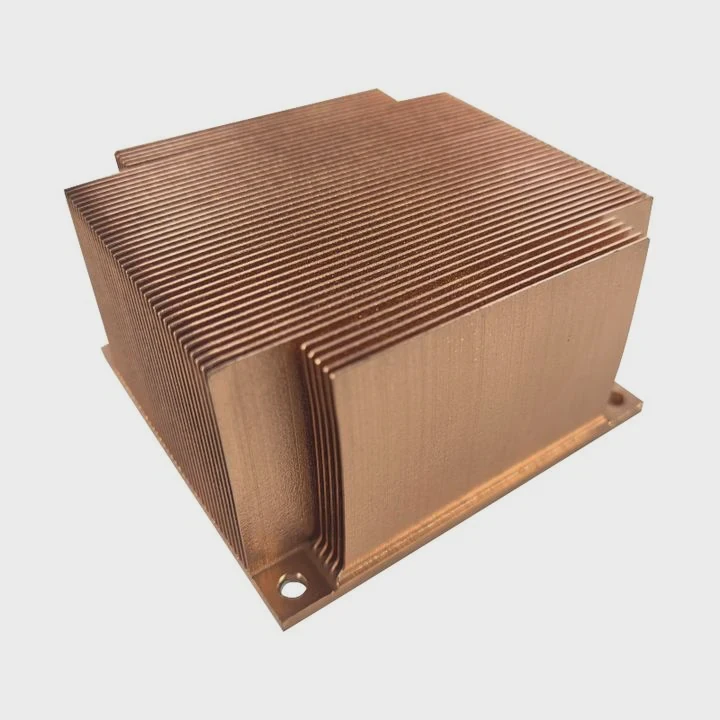
Liquid cooling systems rely on a thermal transfer medium that can efficiently absorb and release heat. The choice of coolant determines both performance and system safety.
The liquid used for liquid cooling is typically distilled water or a specialized coolant containing additives that enhance heat transfer, prevent corrosion, and resist biological growth.
Selecting the right coolant is essential for keeping components stable and extending the life of the entire cooling system.
What types of coolants are available?
Not all coolants are created equal. Different liquids are optimized for performance, conductivity, or longevity.
Common types of liquid cooling fluids include distilled water, glycol mixtures, dielectric fluids, nanofluids, and pre-mixed specialty coolants.
Main Coolant Categories
| Coolant Type | Composition | Typical Use |
|---|---|---|
| Distilled Water | Pure, deionized water | Standard PC and lab systems |
| Water-Glycol Mix | Water + ethylene or propylene glycol | Automotive and industrial applications |
| Dielectric Fluid | Non-conductive synthetic oils | Servers, data centers, and electronics |
| Nanofluid | Water with metal or oxide nanoparticles | Research and advanced systems |
| Specialty Pre-Mixed Coolant | Proprietary blends with additives | Gaming PCs and long-term use |
Each type varies in efficiency, cost, and compatibility with hardware materials.
What are the benefits of each liquid type?
The best coolant for your system depends on what you value most: performance, safety, or maintenance simplicity.
Each coolant type offers unique advantages, from high conductivity to corrosion resistance or electrical insulation.

1. Distilled Water
- Advantages: Highest thermal conductivity, low cost, and easy to replace.
- Disadvantages: Requires anti-corrosion additives to prevent rust or algae growth.
- Best for: Standard PC liquid cooling and test environments.
2. Water-Glycol Mix
- Advantages: Prevents freezing and corrosion; stable under long operation.
- Disadvantages: Slightly lower heat transfer than pure water.
- Best for: Automotive systems, EV batteries, and continuous industrial setups.
3. Dielectric Fluids
- Advantages: Non-conductive; allows direct submersion of components.
- Disadvantages: Expensive and sometimes viscous, reducing flow.
- Best for: Servers, power electronics, or high-risk environments.
4. Nanofluids
- Advantages: Nanoparticles boost conductivity by up to 40%; ideal for compact systems.
- Disadvantages: High cost and risk of particle settling if not stabilized.
- Best for: Aerospace, semiconductor, and high-power-density systems.
5. Specialty Coolants
- Advantages: Pre-blended with dyes, corrosion inhibitors, and biocides; easy maintenance.
- Disadvantages: Higher price and sometimes lower performance than pure water.
- Best for: Gaming PCs and aesthetic builds requiring clear or colored fluids.
Performance Overview
| Coolant | Heat Transfer | Electrical Conductivity | Maintenance | Longevity |
|---|---|---|---|---|
| Distilled Water | Excellent | High | Frequent | Moderate |
| Water-Glycol Mix | Very Good | Medium | Moderate | Long |
| Dielectric Fluid | Good | None | Low | Very Long |
| Nanofluid | Excellent | Medium | Moderate | Experimental |
| Specialty Coolant | Good | Low | Easy | Long |
In general, water-based coolants deliver the highest heat transfer, while dielectric fluids provide the safest operation for sensitive electronics.
How to choose the best coolant for your system?
Choosing the right coolant means balancing efficiency, safety, and maintenance. Different systems have different thermal demands and risk factors.
To choose the best coolant, consider system purpose, temperature range, material compatibility, and whether electrical insulation is required.
Step 1: Define the Application
- Personal PC cooling: Use distilled water or pre-mixed coolant.
- Industrial systems: Water-glycol mixes for durability and anti-freeze protection.
- Server or data center cooling: Dielectric fluids for safety and low maintenance.
Step 2: Check Material Compatibility
Ensure the coolant is suitable for your cooling system’s materials (copper, aluminum, or nickel). Mismatched combinations can cause galvanic corrosion.
Step 3: Consider Temperature and Environment
- Cold environments: Choose glycol mixtures for anti-freeze protection.
- High-power workloads: Opt for high-conductivity coolants like nanofluids or specialty mixes.
Step 4: Evaluate Maintenance Needs
If you prefer low maintenance, choose sealed systems with pre-filled dielectric or specialty coolants.
Step 5: Focus on Longevity and Safety
Avoid conductive fluids if leaks could reach electronics. For open or complex systems, prioritize non-conductive or corrosion-protected options.
Example Recommendation Table
| System Type | Recommended Coolant | Reason |
|---|---|---|
| Gaming PC | Pre-mixed specialty coolant | Easy, reliable, aesthetic |
| Server Rack | Dielectric fluid | Non-conductive, safe |
| Electric Vehicle Battery | Water-glycol mix | Stable under varying load |
| Research Lab | Nanofluid | Maximum performance |
Choosing the right coolant prevents thermal inefficiency, pump damage, and corrosion, ensuring consistent cooling over time.
What are the innovations in coolant technology?
As computing and power systems evolve, coolant technology is advancing rapidly to match higher thermal loads and stricter sustainability goals.
Recent coolant innovations include nanofluid technology, phase-change cooling, biodegradable liquids, and AI-driven thermal management.

1. Nanofluids
Nanoparticles of copper, aluminum oxide, or carbon nanotubes enhance thermal conductivity while maintaining flow properties. These fluids deliver superior cooling for compact and high-heat devices.
2. Phase-Change Coolants
Liquids that absorb heat by evaporating and condensing allow efficient, passive heat transfer without complex hardware.
3. Biodegradable Coolants
Eco-friendly fluids made from plant-based or organic compounds reduce environmental impact and simplify disposal.
4. AI-Integrated Smart Cooling
Sensors now feed real-time data on coolant temperature, flow rate, and viscosity into AI algorithms that adjust pump speed and fan control automatically.
5. Hybrid Coolant Systems
New designs use combinations of dielectric and conductive fluids to optimize both efficiency and electrical safety in advanced systems.
Innovation Summary
| Technology | Description | Main Benefit |
|---|---|---|
| Nanofluids | Coolants enhanced with nanoparticles | Higher heat conductivity |
| Phase-Change Liquids | Use evaporation-condensation cycles | Efficient passive cooling |
| Green Coolants | Biodegradable and non-toxic | Environmentally safe |
| AI Control Systems | Real-time thermal optimization | Smarter energy use |
| Hybrid Fluids | Mixed-function cooling liquids | Efficiency + insulation |
These innovations are reshaping cooling performance across industries — from gaming PCs to aerospace systems — combining better heat management with sustainability and automation.
Conclusion
Liquid cooling depends on choosing the right fluid for heat transfer and system safety. From simple distilled water to advanced nanofluids, each type serves a unique purpose. With AI-driven systems and eco-friendly coolants on the rise, the next generation of cooling will be faster, safer, and more sustainable than ever before.
TAGS
Latest Articles

Volume discount levels for heat sink orders?
Buyers often ask when heat sink prices start to drop with volume. Many worry they’re overpaying for small orders. This guide explains how B2B volume pricing works for thermal components. Heat sink
21 Dec,2025
Heat sink long-term supply contract options?
Many buyers want stable pricing and reliable delivery for heat sinks. But without a clear contract, risks grow over time. This article explores how to secure better long-term supply deals. Long-term
21 Dec,2025
Tooling cost for new heat sink profiles?
Many engineers struggle to understand why tooling for custom heat sinks costs so much. They worry about budgeting and production timelines. This article breaks down the cost drivers behind tooling.
21 Dec,2025
Heat sink custom sample process steps?
Sometimes, starting a custom heat sink project feels overwhelming—too many steps, too many unknowns, and too many risks. You want a sample, but not endless delays. The process for requesting and
20 Dec,2025
Standard B2B terms for heat sink payments?
When buyers and sellers in B2B heat sink markets talk about payment, many don’t fully understand what’s standard. This can lead to delayed orders, miscommunication, and even lost business
20 Dec,2025
Heat sink pricing factors for large orders?
Heat sinks are vital for many systems. When prices rise, projects stall and budgets break. This problem can hit teams hard without warning. Large order heat sink pricing depends on many factors. You
20 Dec,2025Related Articles
- Why is my liquid cooling so hot?
- How to cool hot liquid fast?
- How does liquid cooling work in computers?
- Is it hard to install liquid cooling?
- How to install liquid cooling on GPU?
- How to refill liquid cooling?
- What is AIO liquid cooling?
- How to know if liquid cooler is working?
- How to set up a liquid CPU cooler?
- How to set up liquid cooling?
- How to cool down liquid quickly?
- How much is a liquid cooling system?
Author
Dr. Emily Chen
Chief AI Researcher
Leading expert in thermal dynamics and AI optimization with over 15 years of experience in data center efficiency research.
Categories
Latest Products






Recommend Categories
- Liquid cooling plate Manufacturer
- Industrial Heat Sink Manufacturer
- Standard Heat Sink Manufacturer
- Aluminum Heat Sink Manufacturer
- Copper Heat Sink Manufacturer
- Anodized Heatsink Manufacturer
- Stamping heat sink Manufacturer
- Die Casting Heatsink Manufacturer
- Soldering heat sink Manufacturer
- CNC Parts Manufacturer
Latest Products
- Wholesale Aluminum Radiator
- Water Cooling Plate Kit
- Water Cooling Heat Sink
- Water Cooling Heat Sink Kit
- Stainless Steel Water Distributor
- Server Water Cooling Plate Kit
- Server Liquid Cooling System
- Server Aluminum Cooling Kit
- S19 Full Cover Cooling Plate
- S19 Cooling Plate Kit
- S19 Aluminum Cooling Plate
Contact Expert
Have questions about this article? Reach out to our experts directly.