How safe is liquid cooling?
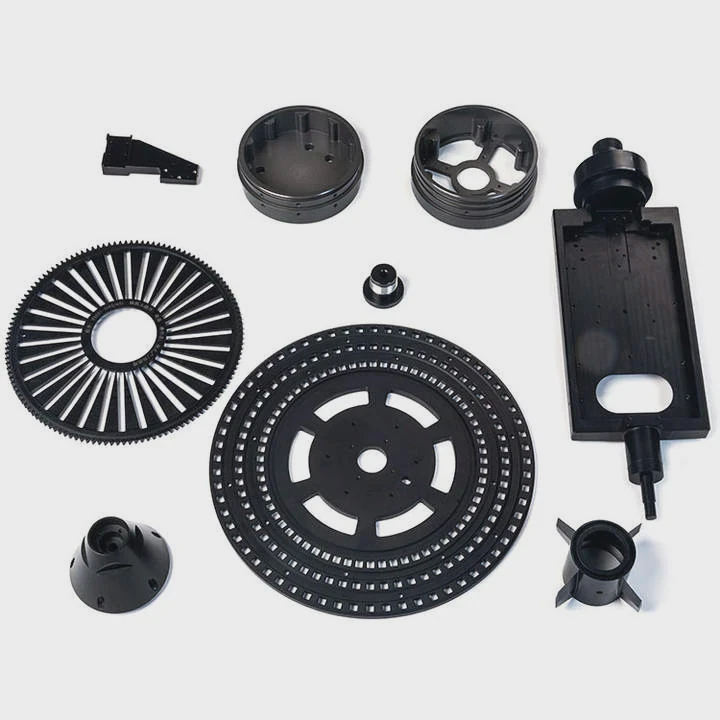
Liquid cooling delivers unmatched thermal performance, but the idea of mixing electronics and liquid naturally raises concerns about safety and reliability.
Modern liquid cooling systems are very safe when properly installed and maintained, thanks to sealed designs, corrosion-resistant materials, and improved leak protection technology.
Understanding both the risks and the safeguards helps users operate cooling systems confidently for years.
What safety risks exist in liquid cooling?
Liquid and electronics are not natural partners. However, the risks mostly come from poor installation, low-quality parts, or lack of maintenance.
The main safety risks in liquid cooling include leaks, electrical shorts, corrosion, and pump failure—but modern systems minimize these risks through better engineering.
Common liquid cooling risks
| Risk Type | Cause | Prevention |
|---|---|---|
| Leak | Loose fittings or cracked tubing | Use pre-sealed or high-quality components |
| Electrical short | Coolant contact with circuits | Proper insulation and mounting |
| Corrosion | Reactive materials (like aluminum + copper) | Use anti-corrosion coolant |
| Pump failure | Wear or air blockages | Regular monitoring and maintenance |
| Air bubbles | Poor filling or transport | Proper loop orientation and bleeding |
Leak risk explained
Leaks are the most discussed concern. In modern all-in-one (AIO) coolers, the systems are factory-sealed under pressure. They use durable rubber or Teflon tubes that resist cracking or evaporation. In custom loops, fittings and clamps ensure secure connections, but installation care is essential.
Electrical safety
Today’s coolants are often non-conductive or partially dielectric, meaning even if a small spill occurs, it is less likely to short out components. Still, the best prevention remains proper mounting, leak testing, and insulation around sensitive parts.
With correct assembly and quality materials, liquid cooling systems are no more dangerous than air coolers.
What are the benefits of modern leak-proof systems?
Many people hesitate to use liquid cooling due to fear of leakage. Modern technology has made this concern almost obsolete.
Leak-proof liquid cooling systems use sealed tubing, pressure-balanced chambers, and advanced gaskets that prevent coolant escape even under long-term operation.
Features of leak-proof designs
| Feature | Function | Benefit |
|---|---|---|
| Sealed tubing | Prevents evaporation and leaks | Zero-maintenance |
| Pressure-balancing valves | Equalize temperature pressure | Avoids tube stress |
| Reinforced fittings | Secure mechanical joints | Long-term reliability |
| Non-conductive coolants | Safe even if leaks occur | Protects electronics |
| Multi-layer hoses | Block oxygen and moisture | Prevents corrosion |
Case study: AIO coolers
All-in-one liquid coolers are now tested for years of continuous use before market release. Their hermetically sealed designs mean users never handle liquid directly. Even under extreme temperatures, expansion chambers absorb pressure changes safely.
Added reliability
Manufacturers perform vibration and thermal cycle testing to ensure joints and seals remain intact over thousands of hours. These standards make liquid cooling safer and more durable than ever before.
With these protections, modern liquid systems are practically maintenance-free and ideal for both gaming and industrial computers.
How to maintain liquid cooling safely?
Even the most advanced systems need basic care to maintain long-term safety and performance.
To maintain liquid cooling safely, perform regular visual inspections, clean radiators, monitor pump operation, and check for early signs of coolant degradation.
Safe maintenance checklist
| Step | Action | Frequency | Purpose |
|---|---|---|---|
| 1 | Inspect tubing and fittings | Every 3 months | Detect wear or leaks early |
| 2 | Clean radiator and fans | Monthly | Ensure airflow efficiency |
| 3 | Check pump RPM | Regularly | Confirm circulation is steady |
| 4 | Monitor temperature | Weekly | Identify abnormal heat spikes |
| 5 | Replace coolant (custom loops) | Every 12–18 months | Prevent contamination or corrosion |
Safety tips
- Power off and unplug before working on your cooling system.
- Use absorbent paper or towels around fittings during inspections.
- Do not mix coolant brands, as chemical reactions can damage seals.
- Avoid using tap water; only use distilled or premixed coolant.
- Ensure proper grounding to prevent static discharge near components.
Monitoring for safety
Software tools such as Corsair iCUE, NZXT CAM, or motherboard utilities help track pump speed and temperatures. Sudden drops in RPM or unexpected noise can signal a failing pump or trapped air.
With simple checks and awareness, users can keep systems running safely for many years.
What are the advancements in cooling safety design?
The latest generation of liquid cooling solutions goes beyond simple leak prevention. It integrates smart diagnostics and robust construction materials for better protection.
Advancements in cooling safety include self-sealing valves, corrosion-resistant materials, AI-powered diagnostics, and eco-friendly, non-conductive coolants.
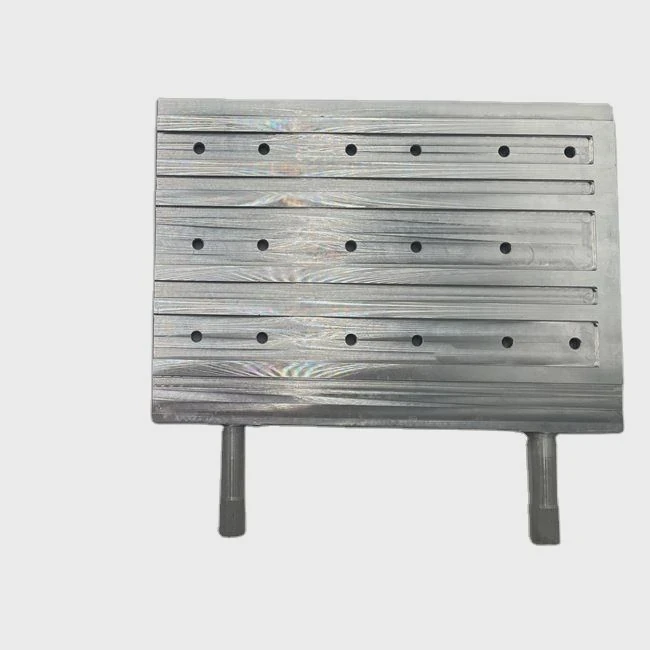
1. Self-sealing fittings
New quick-connect fittings automatically close when disconnected. This feature prevents leaks during installation or upgrades.
2. Smart leak sensors
Some systems now include moisture and pressure sensors that detect leaks instantly and send alerts to software dashboards or LED indicators.
3. Corrosion-resistant materials
Manufacturers use nickel-plated copper, stainless steel, and composite tubing to eliminate galvanic corrosion—a common issue in mixed-metal loops.
4. AI-driven safety diagnostics
Smart software monitors coolant flow, pump vibration, and thermal patterns. If irregular behavior occurs, it can automatically adjust operation or shut down the system safely.
5. Non-conductive and biodegradable fluids
Modern coolants are designed to be safe for both hardware and the environment. These fluids reduce risk in case of spills and comply with environmental regulations.
6. Pressure management systems
Advanced AIO designs include small air chambers that absorb fluid expansion during high heat, preventing internal stress or bursting.
Looking forward
The next stage in cooling safety focuses on predictive maintenance. Systems will soon anticipate mechanical wear and alert users before failures happen, making liquid cooling not only efficient but self-protective.
Conclusion
Liquid cooling today is extremely safe thanks to sealed designs, smart diagnostics, and durable materials. With proper setup and regular monitoring, it delivers high performance and long-lasting reliability without the risks once associated with early cooling systems.
TAGS
Latest Articles

Volume discount levels for heat sink orders?
Buyers often ask when heat sink prices start to drop with volume. Many worry they’re overpaying for small orders. This guide explains how B2B volume pricing works for thermal components. Heat sink
21 Dec,2025
Heat sink long-term supply contract options?
Many buyers want stable pricing and reliable delivery for heat sinks. But without a clear contract, risks grow over time. This article explores how to secure better long-term supply deals. Long-term
21 Dec,2025
Tooling cost for new heat sink profiles?
Many engineers struggle to understand why tooling for custom heat sinks costs so much. They worry about budgeting and production timelines. This article breaks down the cost drivers behind tooling.
21 Dec,2025
Heat sink custom sample process steps?
Sometimes, starting a custom heat sink project feels overwhelming—too many steps, too many unknowns, and too many risks. You want a sample, but not endless delays. The process for requesting and
20 Dec,2025
Standard B2B terms for heat sink payments?
When buyers and sellers in B2B heat sink markets talk about payment, many don’t fully understand what’s standard. This can lead to delayed orders, miscommunication, and even lost business
20 Dec,2025
Heat sink pricing factors for large orders?
Heat sinks are vital for many systems. When prices rise, projects stall and budgets break. This problem can hit teams hard without warning. Large order heat sink pricing depends on many factors. You
20 Dec,2025Related Articles
- Does Ryzen 5 5600X need liquid cooling?
- Why does a liquid cool when it evaporates?
- Which is better, air-cooled or liquid-cooled generators?
- What is the liquid in water cooling?
- Is liquid-cooled CPU worth it?
- Are liquid cooling systems worth it?
- How to connect a liquid CPU cooler?
- What is liquid cooling in data center?
- Does Ryzen 9 5900X need liquid cooling?
- How to know if my liquid cooler is working?
- What Is All-in-One Liquid Cooling?
- Is liquid cooling quieter?
Author
Dr. Emily Chen
Chief AI Researcher
Leading expert in thermal dynamics and AI optimization with over 15 years of experience in data center efficiency research.
Categories
Latest Products






Recommend Categories
- Liquid cooling plate Manufacturer
- Industrial Heat Sink Manufacturer
- Standard Heat Sink Manufacturer
- Aluminum Heat Sink Manufacturer
- Copper Heat Sink Manufacturer
- Anodized Heatsink Manufacturer
- Stamping heat sink Manufacturer
- Die Casting Heatsink Manufacturer
- Soldering heat sink Manufacturer
- CNC Parts Manufacturer
Latest Products
- Wholesale Aluminum Radiator
- Water Cooling Plate Kit
- Water Cooling Heat Sink
- Water Cooling Heat Sink Kit
- Stainless Steel Water Distributor
- Server Water Cooling Plate Kit
- Server Liquid Cooling System
- Server Aluminum Cooling Kit
- S19 Full Cover Cooling Plate
- S19 Cooling Plate Kit
- S19 Aluminum Cooling Plate
Contact Expert
Have questions about this article? Reach out to our experts directly.