Are liquid cooling systems worth it?
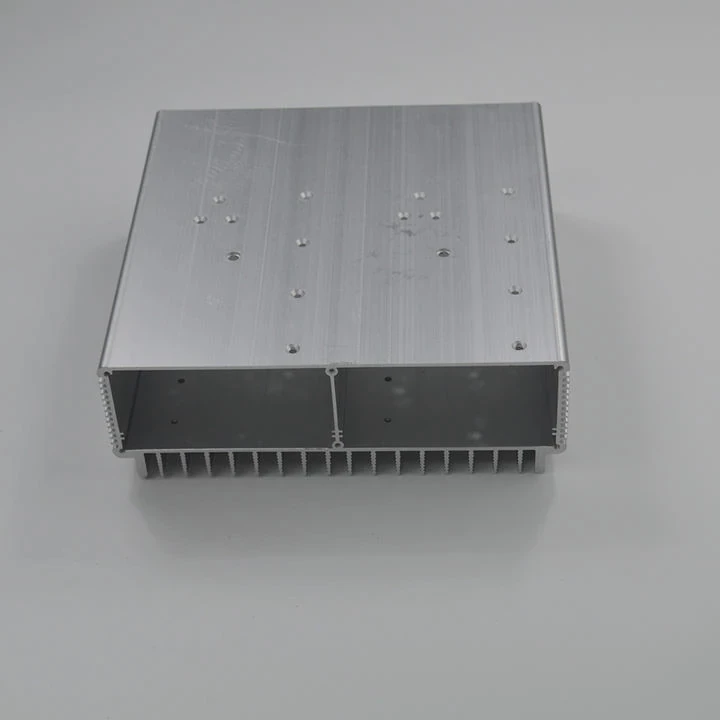
When you spend thousands on a high-performance system, keeping it cool isn’t optional — it’s essential. The question is, does liquid cooling really justify its cost and complexity?
Liquid cooling systems are worth it for high-performance, noise-sensitive, or space-limited setups where air cooling cannot keep up with heat demands.
Let’s break down how liquid cooling works, what advantages and drawbacks it has, and how to calculate whether it’s a smart investment for your needs.
What are liquid cooling systems?
Liquid cooling systems are designed to move heat away from critical components more effectively than air cooling. They use circulating coolant to absorb heat and dissipate it through a radiator.
In short, liquid cooling systems use coolant, a pump, and a radiator to transfer heat from devices like CPUs or GPUs to the air more efficiently than traditional fan-based systems.
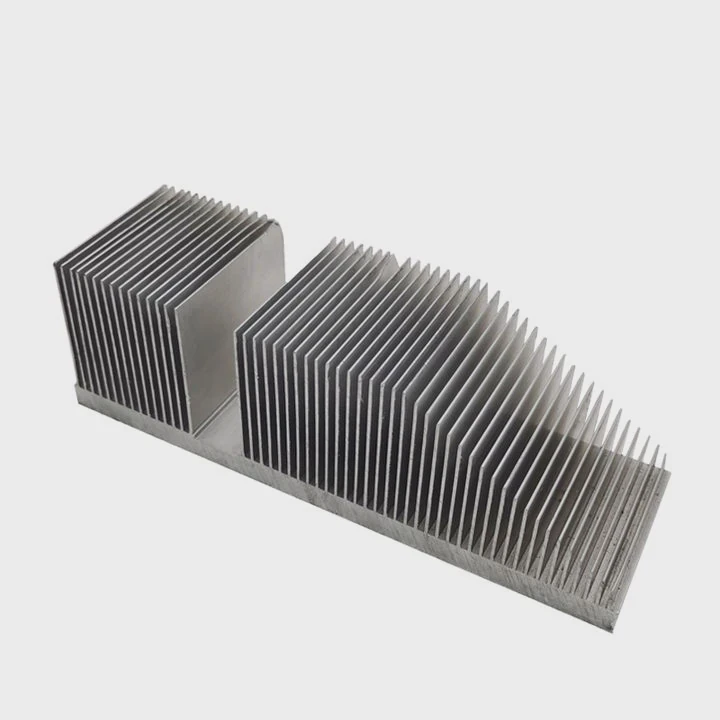
How It Works
- A water block sits on top of the CPU or GPU.
- The coolant absorbs the heat from the block.
- A pump pushes the warm liquid to a radiator.
- Fans blow air through the radiator, removing the heat.
- The cooled liquid returns to the block to repeat the cycle.
This closed loop is common in AIO (All-In-One) systems, while custom loops let builders design more complex, multi-component cooling networks.
Types of Liquid Cooling Systems
| Type | Description | Ideal Use |
|---|---|---|
| AIO (All-In-One) | Pre-assembled, sealed, easy to install. | Consumer desktops and gaming PCs. |
| Custom Loop | Fully customizable, uses separate parts. | Enthusiast builds and workstations. |
| Hybrid Cooling | Mix of air and liquid cooling. | Compact or mixed-load systems. |
Liquid cooling isn’t just about performance; it’s also about flexibility, efficiency, and visual design.
What are their pros and cons?
Every cooling method comes with trade-offs. Liquid cooling provides excellent temperature control but adds cost, complexity, and maintenance.
Liquid cooling delivers superior performance, quieter operation, and sleek aesthetics — but it also involves higher setup cost, risk, and effort.
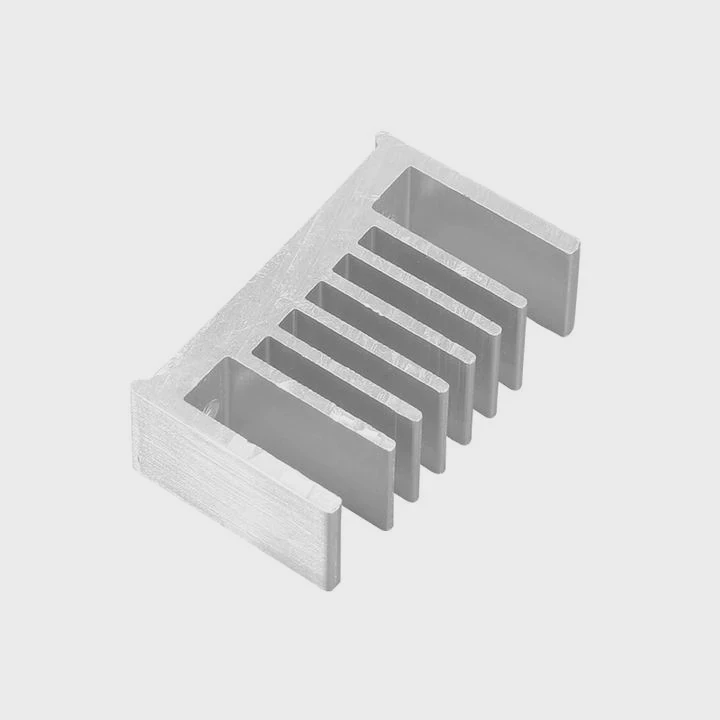
Advantages of Liquid Cooling
1. Superior Thermal Performance
Coolant conducts heat about 25 times better than air, which results in 10°C–25°C lower temperatures in most systems. This helps prevent throttling and extends component lifespan.
2. Quieter Operation
Liquid systems use larger, slower fans. That means less noise even under heavy workloads. Many users report that liquid-cooled setups are whisper-quiet.
3. Aesthetic Appeal
Transparent tubing, colored coolants, and RGB lighting make liquid cooling visually stunning. It’s often the centerpiece of modern PC builds.
4. Compact Heat Management
Liquid cooling allows heat to be moved away from crowded areas, freeing up space near CPUs or GPUs.
Disadvantages of Liquid Cooling
1. Higher Cost
Liquid systems cost more — an AIO typically runs \(100–\)200, while custom loops can exceed $500.
2. Maintenance and Risk
Coolant may need replacement every 1–2 years, and leaks, while rare, can damage components if not handled properly.
3. Complex Installation
Installing radiators, blocks, and tubing takes time and precision. Beginners might find it challenging compared to simply mounting a fan cooler.
4. Pump and Seal Wear
Over time, pumps may fail and seals may degrade, leading to reduced performance or coolant loss.
Summary Table
| Factor | Air Cooling | Liquid Cooling |
|---|---|---|
| Cooling Efficiency | Medium | High |
| Noise Level | Moderate to Loud | Quiet |
| Maintenance | Low | Medium |
| Cost | Low | High |
| Risk | Very Low | Moderate |
| Aesthetics | Basic | Premium |
| Lifespan | Long | Medium to Long (with upkeep) |
Liquid cooling clearly wins in performance and acoustics — but only if your workload or usage needs it.
How to evaluate ROI for liquid cooling?
Before spending on a liquid cooling system, it helps to think like an investor. The return on investment (ROI) depends on your use case, performance goals, and system longevity.
To evaluate the ROI of liquid cooling, compare its cost against the temperature reduction, performance improvement, noise reduction, and lifespan extension it delivers.
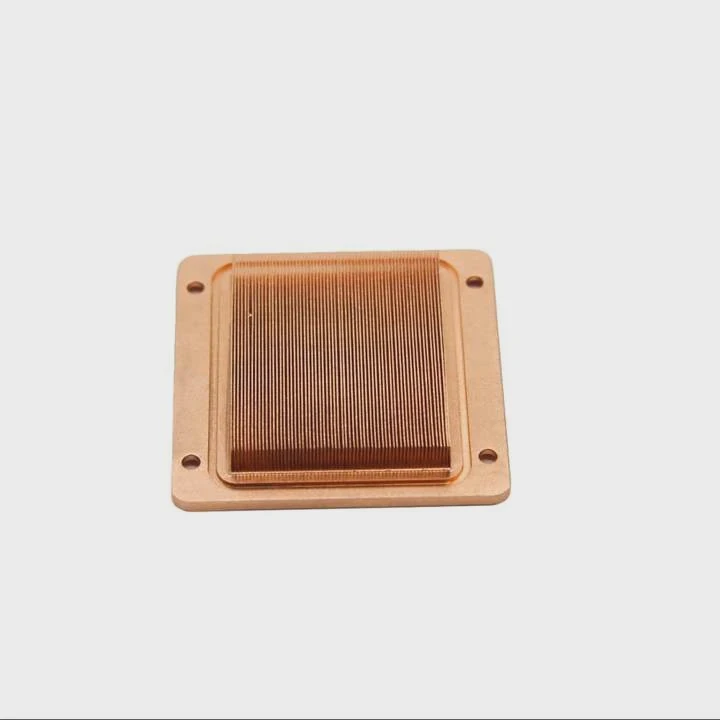
Step 1: Identify Your Performance Needs
Ask yourself:
- Does your CPU or GPU often reach 80°C+ under load?
- Do you experience throttling during gaming, rendering, or simulation?
- Do you require a quiet system for professional or recording use?
If yes, liquid cooling can provide tangible returns in both performance and comfort.
Step 2: Estimate the Cost
Typical costs:
- AIO system: \(100–\)250
- Custom loop: \(400–\)800 (or more)
Compare this to high-end air coolers (\(70–\)100). The difference is your investment premium.
Step 3: Quantify Performance Gains
A temperature drop of 20°C can extend component life by 30–40%.
Additionally, systems with better cooling often maintain higher clock speeds, giving 5–10% more performance.
| Metric | Air Cooling | Liquid Cooling | Improvement |
|---|---|---|---|
| Avg CPU Temp | 85°C | 65°C | 20°C lower |
| Fan Noise | 45 dB | 30 dB | 33% quieter |
| Lifespan | 5 years | 6–7 years | +30% |
| Cost | $80 | $180 | +$100 investment |
Step 4: Consider Intangible Value
There are also non-financial benefits:
- Reduced frustration from noise and heat.
- Visual satisfaction for enthusiasts.
- Stability during demanding work sessions.
These often justify the cost for users who value comfort and aesthetics.
Step 5: Calculate ROI Example
If liquid cooling extends your system’s life by 2 years and improves performance by 10%, the effective ROI might exceed 50% over time — especially for workstations or production systems that generate revenue.
Example Calculation:
| Variable | Value |
|---|---|
| Air cooling cost | $100 |
| Liquid cooling cost | $200 |
| Additional lifespan | +2 years |
| Added productivity | +10% |
| ROI estimate | ~50% (over 5 years) |
In short, for casual users, air cooling is fine. But for professionals, content creators, and heavy gamers, the ROI of liquid cooling makes it a smart long-term investment.
What are the latest market trends in cooling systems?
The cooling market is transforming quickly, driven by new CPU and GPU architectures that demand better thermal control.
Recent trends in cooling systems include hybrid air-liquid designs, AI-controlled pumps, modular setups, and eco-friendly coolant technologies.

1. Hybrid Cooling Solutions
Hybrid systems combine air and liquid cooling, offering balance between cost and performance.
For example, liquid cools the CPU while fans manage VRMs and SSDs.
2. AI-Controlled Thermal Management
Modern AIO systems feature intelligent pump and fan control.
Software like NZXT CAM and ASUS Armoury Crate adjusts cooling based on temperature data, workload, and even ambient noise.
3. Modular and Upgradable Designs
Manufacturers are moving toward modular AIOs where users can replace tubing, expand loops, or swap radiators without replacing the whole unit.
4. Advanced Materials
New coolers use microchannel cold plates and graphene-enhanced radiators to improve heat transfer and reduce weight.
5. Green Cooling Initiatives
The push for eco-friendly coolants is growing.
Companies now produce non-toxic, biodegradable fluids that last longer and are safer for disposal.
Global Cooling Market Overview
| Year | Market Value (USD Billion) | Growth Driver |
|---|---|---|
| 2020 | 3.2 | Rise in gaming PCs |
| 2023 | 4.8 | Data center expansion |
| 2025 (est.) | 6.2 | AI + HPC workloads |
| 2027 (est.) | 7.5 | Eco-friendly innovation |
6. Integration in EV and Data Centers
The same liquid cooling principles used in PCs are expanding into electric vehicles, telecom, and data centers.
These industries use large-scale liquid loops to handle multi-kilowatt heat loads efficiently.
7. Visual Customization Boom
A growing number of users want systems that look as good as they perform.
Transparent cases, RGB fans, and colored coolants have become defining elements of modern PC builds.
Industry Insight
During a recent tech expo, I saw AIOs featuring self-filling reservoirs and auto-bleeding systems that remove air bubbles automatically.
These innovations make maintenance easier and reliability higher — a sign that liquid cooling is becoming more mainstream.
Conclusion
Liquid cooling systems are worth it when your system demands high performance, silence, or compact design.
They offer strong ROI through better thermal control, longer lifespan, and visual appeal.
With AI management, hybrid cooling, and sustainable coolants leading the market, liquid systems are not just for enthusiasts anymore — they’re shaping the future of modern computing.
TAGS
Latest Articles

Volume discount levels for heat sink orders?
Buyers often ask when heat sink prices start to drop with volume. Many worry they’re overpaying for small orders. This guide explains how B2B volume pricing works for thermal components. Heat sink
21 Dec,2025
Heat sink long-term supply contract options?
Many buyers want stable pricing and reliable delivery for heat sinks. But without a clear contract, risks grow over time. This article explores how to secure better long-term supply deals. Long-term
21 Dec,2025
Tooling cost for new heat sink profiles?
Many engineers struggle to understand why tooling for custom heat sinks costs so much. They worry about budgeting and production timelines. This article breaks down the cost drivers behind tooling.
21 Dec,2025
Heat sink custom sample process steps?
Sometimes, starting a custom heat sink project feels overwhelming—too many steps, too many unknowns, and too many risks. You want a sample, but not endless delays. The process for requesting and
20 Dec,2025
Standard B2B terms for heat sink payments?
When buyers and sellers in B2B heat sink markets talk about payment, many don’t fully understand what’s standard. This can lead to delayed orders, miscommunication, and even lost business
20 Dec,2025
Heat sink pricing factors for large orders?
Heat sinks are vital for many systems. When prices rise, projects stall and budgets break. This problem can hit teams hard without warning. Large order heat sink pricing depends on many factors. You
20 Dec,2025Related Articles
- Which electric cars have liquid-cooled batteries?
- Is a liquid cooler worth it?
- Does a liquid cooler need water?
- How AIO liquid cooler works?
- How to install a liquid cooling system?
- What liquid is in water cooling?
- Is liquid-cooled CPU worth it?
- What is the liquid in water cooling?
- Which is better, air-cooled or liquid-cooled generators?
- Why does a liquid cool when it evaporates?
- Does Ryzen 5 5600X need liquid cooling?
- How safe is liquid cooling?
Author
Dr. Emily Chen
Chief AI Researcher
Leading expert in thermal dynamics and AI optimization with over 15 years of experience in data center efficiency research.
Categories
Latest Products






Recommend Categories
- Liquid cooling plate Manufacturer
- Industrial Heat Sink Manufacturer
- Standard Heat Sink Manufacturer
- Aluminum Heat Sink Manufacturer
- Copper Heat Sink Manufacturer
- Anodized Heatsink Manufacturer
- Stamping heat sink Manufacturer
- Die Casting Heatsink Manufacturer
- Soldering heat sink Manufacturer
- CNC Parts Manufacturer
Latest Products
- Wholesale Aluminum Radiator
- Water Cooling Plate Kit
- Water Cooling Heat Sink
- Water Cooling Heat Sink Kit
- Stainless Steel Water Distributor
- Server Water Cooling Plate Kit
- Server Liquid Cooling System
- Server Aluminum Cooling Kit
- S19 Full Cover Cooling Plate
- S19 Cooling Plate Kit
- S19 Aluminum Cooling Plate
Contact Expert
Have questions about this article? Reach out to our experts directly.