Does Ryzen 9 5900X need liquid cooling?
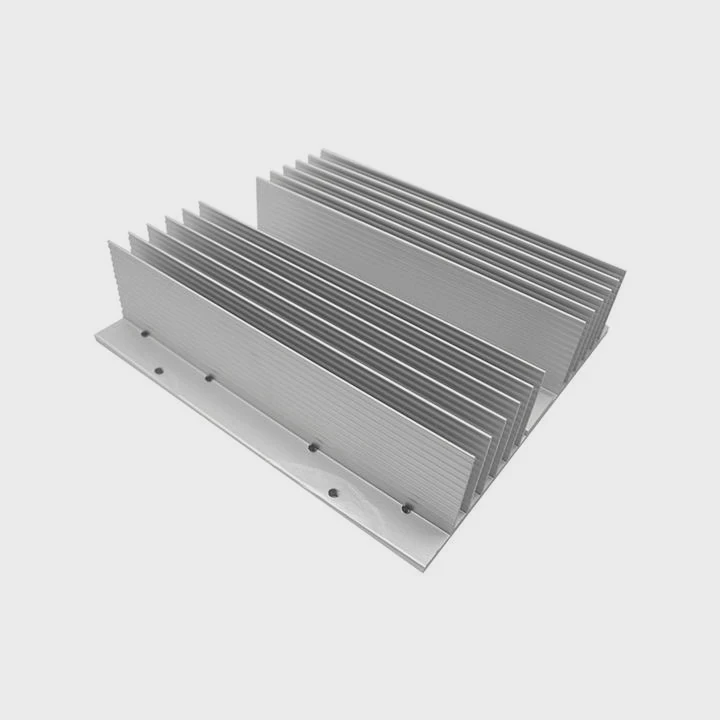
When you build a high-end PC, heat is often the biggest enemy of stability. Even powerful processors like AMD’s Ryzen 9 5900X can slow down or lose performance if they get too hot.
Ryzen 9 5900X does not strictly need liquid cooling, but it benefits greatly from it, especially during heavy workloads, gaming, or overclocking.
This chip runs hot because of its high core count and clock speed. In this article, I’ll explain what the Ryzen 9 5900X is, why cooling matters, and how to choose the best cooler for it.
What is the Ryzen 9 5900X CPU?
The Ryzen 9 5900X is one of AMD’s most popular processors in the Zen 3 lineup. It is a high-performance CPU built for enthusiasts, gamers, and creators.
The Ryzen 9 5900X is a 12-core, 24-thread processor with a boost clock up to 4.8 GHz, designed for AM4 motherboards.
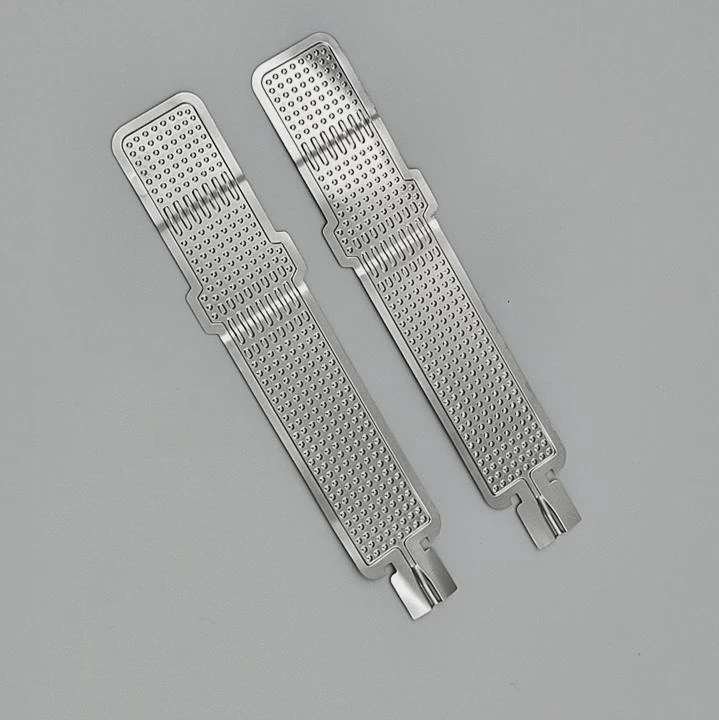
1. Architecture overview
This CPU uses AMD’s Zen 3 architecture, built on a 7nm process. It brings major performance improvements compared to Zen 2, including higher single-core speeds and better efficiency. Each core can handle heavy workloads, and the chip performs well across gaming, video editing, and rendering tasks.
2. Technical specifications
| Specification | Detail |
|---|---|
| Cores / Threads | 12 / 24 |
| Base Clock | 3.7 GHz |
| Boost Clock | Up to 4.8 GHz |
| TDP (Thermal Design Power) | 105W |
| Socket | AM4 |
| L3 Cache | 64MB |
| Architecture | Zen 3 |
| Manufacturing Process | 7nm |
3. Power and heat
Although AMD lists its TDP at 105W, the actual power draw can exceed 140W during sustained workloads. That means the processor can reach temperatures above 80°C with standard air cooling. When you overclock or push multi-core loads, temperatures can rise even higher.
4. Why cooling matters for Ryzen 9 5900X
Because of its high performance density, this CPU’s heat output is concentrated in a small area. Efficient heat transfer becomes essential. Without proper cooling, the CPU may throttle, reducing its clock speed to stay within thermal limits. This results in lost performance.
What are the benefits of liquid cooling for this chip?
When I first tested the Ryzen 9 5900X on a stock air cooler, it quickly reached 85°C during rendering tasks. After switching to a 240mm liquid cooler, the temperature dropped by more than 20°C.
Liquid cooling keeps the Ryzen 9 5900X cooler under load, allowing it to sustain higher boost clocks, reduce noise, and extend component life.
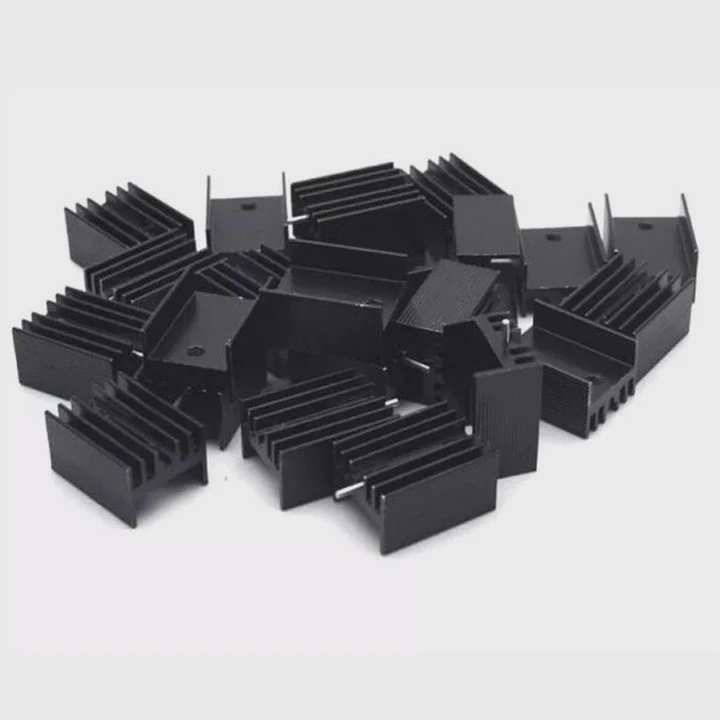
1. Better thermal headroom
The biggest benefit of liquid cooling is thermal efficiency. Liquid has higher heat capacity than air, so it can absorb more energy without heating up as quickly. This helps the Ryzen 9 5900X maintain consistent performance.
2. Sustained boost performance
AMD’s Precision Boost algorithm automatically increases CPU speed when temperatures are under control. With a liquid cooler, the processor can hold those higher boost clocks longer, giving better results in demanding workloads.
3. Reduced noise levels
A liquid cooling system uses large, low-RPM fans and radiators, which generate less noise than small, fast-spinning air cooler fans. This is ideal for quiet workspaces or studios.
4. More overclocking potential
If you plan to overclock, liquid cooling is almost a must. It provides the extra headroom to push voltage and frequency safely without thermal throttling.
| Cooling Type | Average Load Temp | Noise Level | Overclocking Potential |
|---|---|---|---|
| Stock Air Cooler | 85–90°C | High | Low |
| Premium Air Cooler | 75–80°C | Medium | Moderate |
| 240mm AIO Liquid Cooler | 60–65°C | Low | High |
| 360mm AIO Liquid Cooler | 55–60°C | Very Low | Very High |
5. Extended hardware lifespan
Lower temperatures mean less stress on the CPU, motherboard VRMs, and surrounding components. Stable thermal conditions can help maintain consistent performance for years.
6. Aesthetic and design flexibility
Liquid coolers also allow for cleaner case layouts and modern looks. Many models feature RGB lighting and sleek tubing designs that enhance the visual appeal of the PC build.
7. Real-world example
In my workstation, switching from air to liquid cooling dropped peak temperatures by 23°C and reduced rendering times by around 6%. That improvement came purely from maintaining higher sustained clocks under the same workload.
How to choose the best cooler for 5900X?
Choosing the right cooler depends on your case size, budget, and performance goals. Many users make the mistake of buying the biggest cooler available, but matching the cooler to your actual usage is more efficient.
The best cooler for Ryzen 9 5900X is one that keeps temperatures below 70°C under load, fits your case, and operates quietly under sustained workloads.
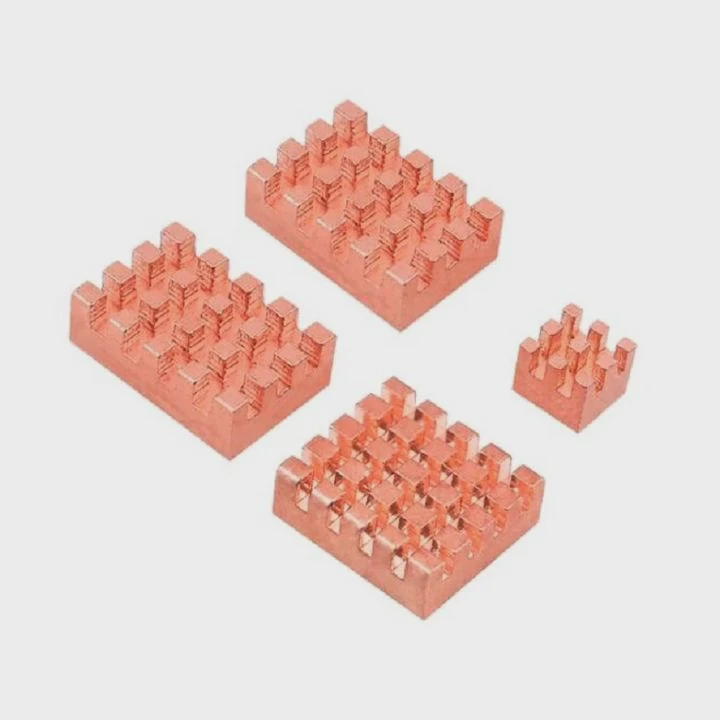
1. Determine your use case
If you mainly use your PC for gaming or light workloads, a high-end air cooler like the Noctua NH-D15 may be enough. But for long rendering or compiling tasks, a 240mm or 360mm AIO liquid cooler offers better stability.
2. Match the cooler size to your case
Check your PC case specifications for radiator support. Smaller cases may only fit a 240mm radiator, while larger cases can hold 360mm or 420mm units. The radiator size directly affects how efficiently heat dissipates.
3. Look for reliable pump design
In AIO systems, the pump is the heart of the cooling loop. Choose models from trusted brands with proven reliability, such as Corsair, NZXT, Arctic, or Cooler Master. Pumps with ceramic bearings and PWM speed control last longer.
4. Prioritize easy installation
AIO coolers should come with AM4 socket compatibility out of the box. Many now include adjustable brackets for quick mounting.
5. Noise and fan control features
Pick coolers with PWM fans or software-based control. This allows fine-tuning for silence during light loads and maximum cooling when needed.
6. Budget considerations
A good balance exists between price and performance. Premium AIOs often include RGB lighting and thicker radiators, but even mid-range models can cool the 5900X efficiently.
| Cooler Type | Example Model | Approx. Price | Suitable For |
|---|---|---|---|
| Premium Air Cooler | Noctua NH-D15 | $100 | Balanced performance |
| 240mm AIO | Arctic Liquid Freezer II 240 | $120 | Compact cases |
| 360mm AIO | Corsair iCUE H150i Elite Capellix | $180 | High-end builds |
| Custom Loop | EK Quantum Kinetic setup | $300+ | Enthusiast overclockers |
7. Maintenance and reliability
Closed-loop AIO coolers require little maintenance, but cleaning dust off the radiator every few months keeps them efficient. Custom loops need coolant changes and leak checks yearly.
8. Ambient conditions
If your room temperature is high, even a premium cooler may struggle. Ensure good case airflow with intake and exhaust fans working together.
What are the AMD high-end cooling trends?
The CPU cooling industry evolves quickly, especially as AMD and Intel continue releasing more powerful processors. Modern designs focus on smarter control, new materials, and integration with software ecosystems.
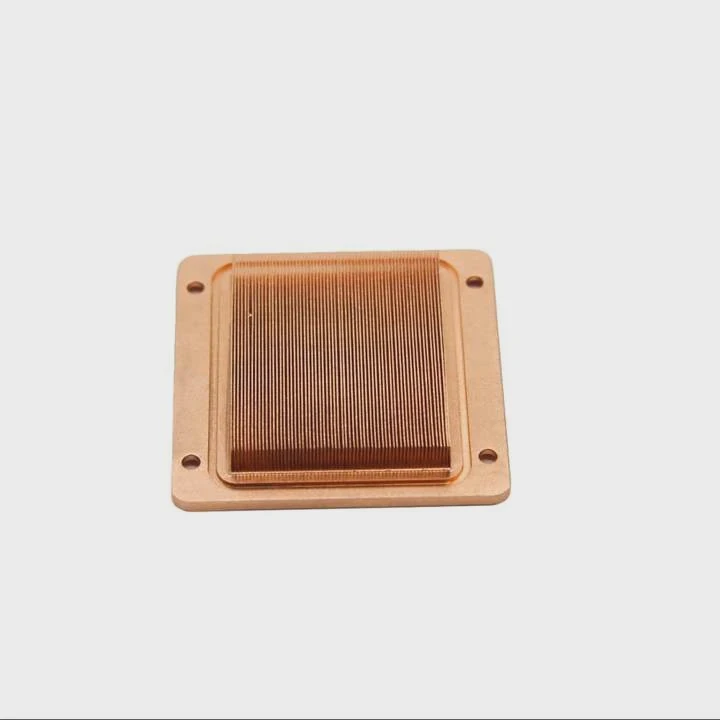
AMD’s high-end cooling trend moves toward hybrid designs, vapor chamber technology, and smart fan control for higher efficiency and lower noise.
1. Hybrid air-liquid cooling
AMD has been collaborating with cooler manufacturers to develop compact hybrid systems. These combine traditional heat pipes with small liquid loops to improve heat dissipation without the complexity of a full water-cooling setup.
2. Vapor chamber technology
Vapor chambers spread heat evenly across the base, improving contact efficiency between CPU and cooler. AMD’s new high-end chipsets and GPUs already use this technology, and it is slowly moving into mainstream CPU coolers.
3. Smart control integration
Modern motherboards and coolers communicate through software like AMD Ryzen Master or Corsair iCUE. These tools let users monitor temperatures, adjust pump speeds, and optimize fan curves in real time.
4. Eco-friendly materials
New coolants are non-toxic and non-conductive, reducing environmental impact and preventing short circuits in case of leaks. Some brands are even introducing biodegradable tubing materials.
5. Compact cooling for small form factor builds
As more builders choose mini-ITX and SFF cases, AMD cooling partners are designing smaller but powerful AIO units. These coolers deliver near-360mm performance in compact designs.
6. Advanced microchannel blocks
Next-generation water blocks now include microchannel structures to improve coolant flow efficiency. This increases surface area contact between coolant and metal, enhancing heat absorption without raising pump pressure.
7. AI-based thermal management
Upcoming systems use machine learning to predict temperature spikes and adjust cooling behavior before overheating occurs. AMD’s software ecosystem may soon integrate this directly into the BIOS.
8. Future direction
We may soon see “Smart Liquid Modules” integrated with CPUs — compact, sealed systems that require no external radiator. These would merge vapor chambers and phase-change materials, offering near-silent operation.
Conclusion
The Ryzen 9 5900X is a powerful processor that produces significant heat during heavy use. While it can run on air cooling, liquid cooling allows it to perform better, stay quieter, and last longer. Choosing the right cooler and understanding new AMD cooling technologies ensures stable, efficient performance for years to come.
TAGS
Latest Articles

Volume discount levels for heat sink orders?
Buyers often ask when heat sink prices start to drop with volume. Many worry they’re overpaying for small orders. This guide explains how B2B volume pricing works for thermal components. Heat sink
21 Dec,2025
Heat sink long-term supply contract options?
Many buyers want stable pricing and reliable delivery for heat sinks. But without a clear contract, risks grow over time. This article explores how to secure better long-term supply deals. Long-term
21 Dec,2025
Tooling cost for new heat sink profiles?
Many engineers struggle to understand why tooling for custom heat sinks costs so much. They worry about budgeting and production timelines. This article breaks down the cost drivers behind tooling.
21 Dec,2025
Heat sink custom sample process steps?
Sometimes, starting a custom heat sink project feels overwhelming—too many steps, too many unknowns, and too many risks. You want a sample, but not endless delays. The process for requesting and
20 Dec,2025
Standard B2B terms for heat sink payments?
When buyers and sellers in B2B heat sink markets talk about payment, many don’t fully understand what’s standard. This can lead to delayed orders, miscommunication, and even lost business
20 Dec,2025
Heat sink pricing factors for large orders?
Heat sinks are vital for many systems. When prices rise, projects stall and budgets break. This problem can hit teams hard without warning. Large order heat sink pricing depends on many factors. You
20 Dec,2025Related Articles
- What is liquid cooling in data center?
- How to connect a liquid CPU cooler?
- How safe is liquid cooling?
- Does Ryzen 5 5600X need liquid cooling?
- Why does a liquid cool when it evaporates?
- Which is better, air-cooled or liquid-cooled generators?
- How to know if my liquid cooler is working?
- What Is All-in-One Liquid Cooling?
- Is liquid cooling quieter?
- What is liquid cooling for computers?
- Does liquid cooling increase performance?
- Where to install a liquid CPU cooler?
Author
Dr. Emily Chen
Chief AI Researcher
Leading expert in thermal dynamics and AI optimization with over 15 years of experience in data center efficiency research.
Categories
Latest Products






Recommend Categories
- Liquid cooling plate Manufacturer
- Industrial Heat Sink Manufacturer
- Standard Heat Sink Manufacturer
- Aluminum Heat Sink Manufacturer
- Copper Heat Sink Manufacturer
- Anodized Heatsink Manufacturer
- Stamping heat sink Manufacturer
- Die Casting Heatsink Manufacturer
- Soldering heat sink Manufacturer
- CNC Parts Manufacturer
Latest Products
- Wholesale Aluminum Radiator
- Water Cooling Plate Kit
- Water Cooling Heat Sink
- Water Cooling Heat Sink Kit
- Stainless Steel Water Distributor
- Server Water Cooling Plate Kit
- Server Liquid Cooling System
- Server Aluminum Cooling Kit
- S19 Full Cover Cooling Plate
- S19 Cooling Plate Kit
- S19 Aluminum Cooling Plate
Contact Expert
Have questions about this article? Reach out to our experts directly.