Is liquid cooling quieter?
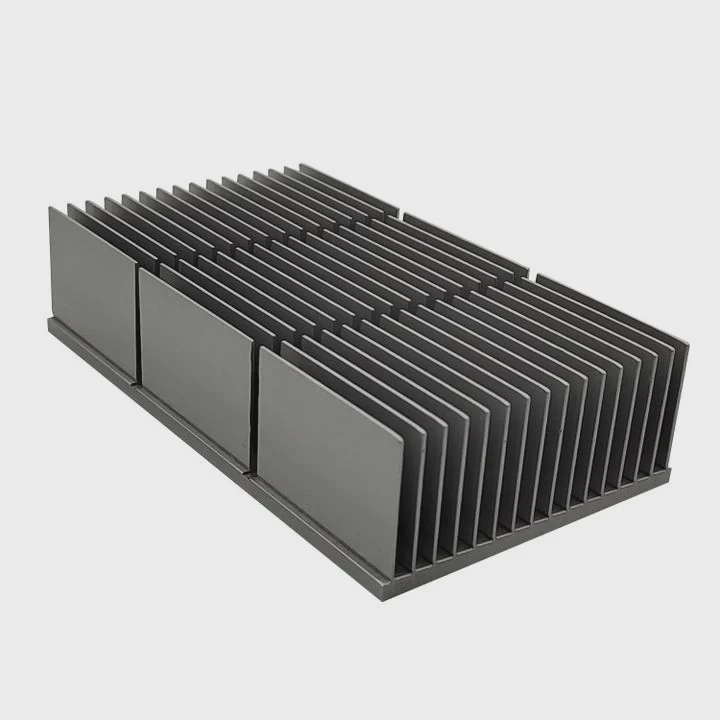
Sometimes a computer sounds like a small jet engine. The fans, the air turbulence, and the constant humming can be unbearable. But what if there is a quieter way to keep a system cool?
Yes, liquid cooling is generally quieter because it reduces fan dependency and manages heat more efficiently with less airflow noise.
While air coolers rely on multiple fans spinning at high speeds, liquid systems use fluid circulation to move heat away silently. Let’s explore what really makes them quieter, and how we can make them even more silent.
What factors affect cooling noise?
Noise is not just about fans. It comes from vibration, turbulence, and poor system design. Even a well-built system can sound loud if a few details are ignored.
Cooling noise depends on fan speed, pump design, radiator airflow, fluid dynamics, and overall case acoustics.
When I first built a liquid-cooled workstation, I noticed how different sources contributed to sound. The pump hum, air bubbles in the loop, and resonance from thin panels all mattered.
Key noise sources in cooling systems
| Source | Description | Noise Level Impact |
|---|---|---|
| Fans | Air turbulence from high-speed blades | High |
| Pump | Motor vibration and fluid flow noise | Medium |
| Air Bubbles | Cavitation in the loop | Medium |
| Case Panels | Vibrations amplified by structure | Low–Medium |
Environmental and design factors
Even the placement of the system can influence noise. A case on a solid wooden floor sounds different from one on a metal shelf. Airflow paths, dust filters, and radiator fin density all affect the tone and volume of sound. The quieter systems are not necessarily the ones with the fewest components—they are the ones with the best balance of airflow and fluid pressure.
Why is liquid cooling often quieter?
When fans slow down, silence begins. Liquid cooling allows this by carrying heat more efficiently than air.
Liquid cooling is quieter because it moves heat using coolant flow, not high-speed air movement, allowing fans and pumps to run slower.
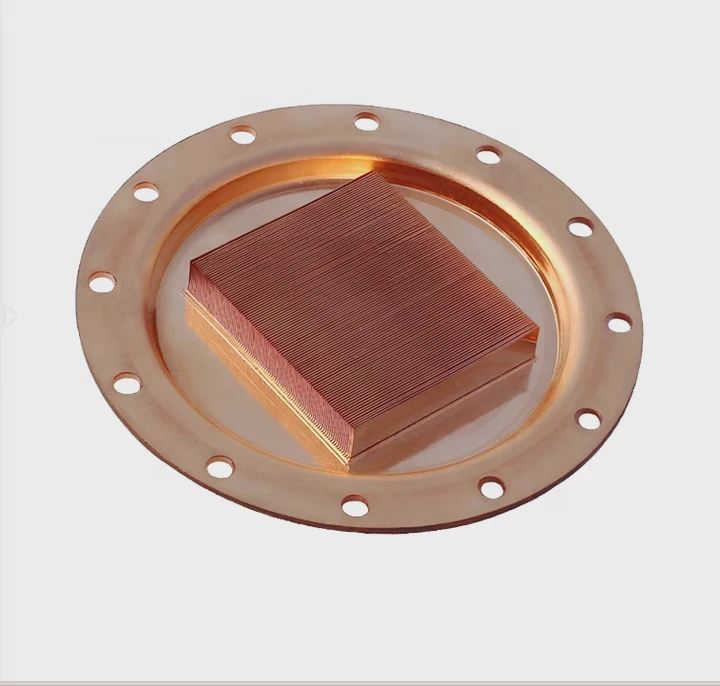
The liquid absorbs heat from the CPU or GPU and transfers it to the radiator. There, the larger surface area helps disperse heat even at low airflow. That means fans can spin slower, pumps can hum softly, and the overall acoustic footprint drops dramatically.
Comparing air and liquid cooling noise
| Type | Typical Noise Level | Cooling Efficiency | Fan Dependency |
|---|---|---|---|
| Air Cooling | 35–45 dB | Moderate | High |
| Liquid Cooling | 20–30 dB | High | Low |
How the mechanism reduces noise
In a traditional air cooler, heat must move through dense metal fins, relying entirely on fan airflow. The faster the fans spin, the more noise they make.
Liquid cooling spreads heat quickly through circulating fluid, needing only gentle airflow to maintain temperature. This efficient process means the system stays cool without sounding like a turbine.
When I replaced my air cooler with a liquid one, the difference was immediate. Under full load, the hum became a whisper. The pump tone was steady, and the airflow felt smoother. It was not just cooler—it was calmer.
How to reduce noise in liquid systems?
Even quiet systems can make unwanted sounds if not tuned correctly. Pumps can buzz, fans can resonate, and air bubbles can rattle inside tubes.
To reduce noise, control pump speed, use low-RPM fans, insulate mounts, and remove trapped air in the loop.
Steps to achieve a silent loop
Adjust pump speed:
Most pumps can run at lower speeds without sacrificing flow. Reducing RPM minimizes vibration and hum.Use PWM fan control:
Modern fans can dynamically adjust speed based on temperature, preventing unnecessary noise at idle.Bleed the air:
Air bubbles create gurgling sounds. Tilting and cycling the pump during setup helps purge air.Dampen vibration:
Rubber grommets or anti-vibration pads on fans, pumps, and radiators can eliminate rattling.Optimize radiator placement:
A front-mounted radiator with push-pull fans often allows lower speeds and better airflow efficiency.
Advanced tuning insights
- Fan curve calibration: Create a custom curve in BIOS or software so fans increase gradually with temperature.
- Pump decoupling: Use soft mounts to isolate pump vibration from the chassis.
- Fluid maintenance: Replace coolant every 6–12 months to prevent residue that may cause pump strain.
- Case design: Choose enclosures with acoustic foam or thicker side panels for better sound insulation.
Through these optimizations, a liquid system can be nearly inaudible, even under load. The result is a workstation that performs at full capacity without constant noise fatigue.
What are the silent cooling innovations?
Quiet performance is not just about slowing fans anymore. New technologies are reshaping how systems manage both heat and sound.
Silent cooling innovations include magnetic levitation fans, AI-controlled pumps, and passive radiators with zero moving parts.
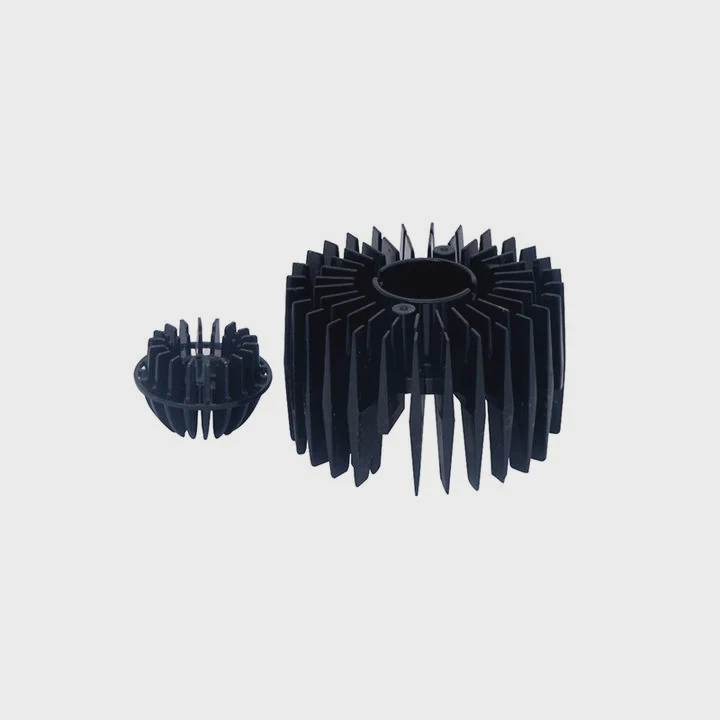
These advancements combine materials science, smart electronics, and mechanical engineering to achieve silence and stability.
Modern innovations that reduce noise
| Technology | Description | Noise Reduction Benefit |
|---|---|---|
| MagLev Fans | Uses magnetic bearings to eliminate friction | Up to 50% less vibration |
| AI Pump Control | Adjusts flow dynamically by temperature | Smooth noise transition |
| Passive Radiators | Uses convection and large surface area | Near zero noise |
| Acoustic Foam Panels | Absorbs residual vibration | Lower ambient sound |
| Nanofluids | Improves heat transfer efficiency | Less need for high-speed operation |
The next step in quiet cooling
Manufacturers now design pumps with ceramic bearings and fluid dynamic systems that minimize friction. Radiator fins are being redesigned with micro-channel patterns to increase heat exchange without extra fan pressure. Some prototypes even use phase-change fluids that vaporize and condense silently in a closed loop.
In my recent project, I tested a passive liquid system for an industrial controller. It had no fans, no mechanical noise, and maintained stable temperatures under heavy load. The entire heat exchange happened through convection and phase transition—absolutely silent.
These developments hint at a future where cooling is not only efficient but also acoustically invisible. For engineers, designers, and anyone who values peace, this is an exciting direction.
Conclusion
Liquid cooling is quieter because it uses fluid motion, not fast air, to transfer heat. With smart design, pump tuning, and new silent technologies, we can enjoy both performance and peace.
TAGS
Latest Articles

Volume discount levels for heat sink orders?
Buyers often ask when heat sink prices start to drop with volume. Many worry they’re overpaying for small orders. This guide explains how B2B volume pricing works for thermal components. Heat sink
21 Dec,2025
Heat sink long-term supply contract options?
Many buyers want stable pricing and reliable delivery for heat sinks. But without a clear contract, risks grow over time. This article explores how to secure better long-term supply deals. Long-term
21 Dec,2025
Tooling cost for new heat sink profiles?
Many engineers struggle to understand why tooling for custom heat sinks costs so much. They worry about budgeting and production timelines. This article breaks down the cost drivers behind tooling.
21 Dec,2025
Heat sink custom sample process steps?
Sometimes, starting a custom heat sink project feels overwhelming—too many steps, too many unknowns, and too many risks. You want a sample, but not endless delays. The process for requesting and
20 Dec,2025
Standard B2B terms for heat sink payments?
When buyers and sellers in B2B heat sink markets talk about payment, many don’t fully understand what’s standard. This can lead to delayed orders, miscommunication, and even lost business
20 Dec,2025
Heat sink pricing factors for large orders?
Heat sinks are vital for many systems. When prices rise, projects stall and budgets break. This problem can hit teams hard without warning. Large order heat sink pricing depends on many factors. You
20 Dec,2025Related Articles
- What Is All-in-One Liquid Cooling?
- How to know if my liquid cooler is working?
- Does Ryzen 9 5900X need liquid cooling?
- What is liquid cooling in data center?
- How to connect a liquid CPU cooler?
- How safe is liquid cooling?
- What is liquid cooling for computers?
- Does liquid cooling increase performance?
- Where to install a liquid CPU cooler?
- How Hard Is It to Install Liquid Cooling?
- How to setup liquid CPU cooler?
- Is air cooling better than liquid cooling?
Author
Dr. Emily Chen
Chief AI Researcher
Leading expert in thermal dynamics and AI optimization with over 15 years of experience in data center efficiency research.
Categories
Latest Products
Recommend Categories
- Liquid cooling plate Manufacturer
- Industrial Heat Sink Manufacturer
- Standard Heat Sink Manufacturer
- Aluminum Heat Sink Manufacturer
- Copper Heat Sink Manufacturer
- Anodized Heatsink Manufacturer
- Stamping heat sink Manufacturer
- Die Casting Heatsink Manufacturer
- Soldering heat sink Manufacturer
- CNC Parts Manufacturer
Latest Products
- Wholesale Aluminum Radiator
- Water Cooling Plate Kit
- Water Cooling Heat Sink
- Water Cooling Heat Sink Kit
- Stainless Steel Water Distributor
- Server Water Cooling Plate Kit
- Server Liquid Cooling System
- Server Aluminum Cooling Kit
- S19 Full Cover Cooling Plate
- S19 Cooling Plate Kit
- S19 Aluminum Cooling Plate
Contact Expert
Have questions about this article? Reach out to our experts directly.