how does xbox one x vapor chamber cooling work?
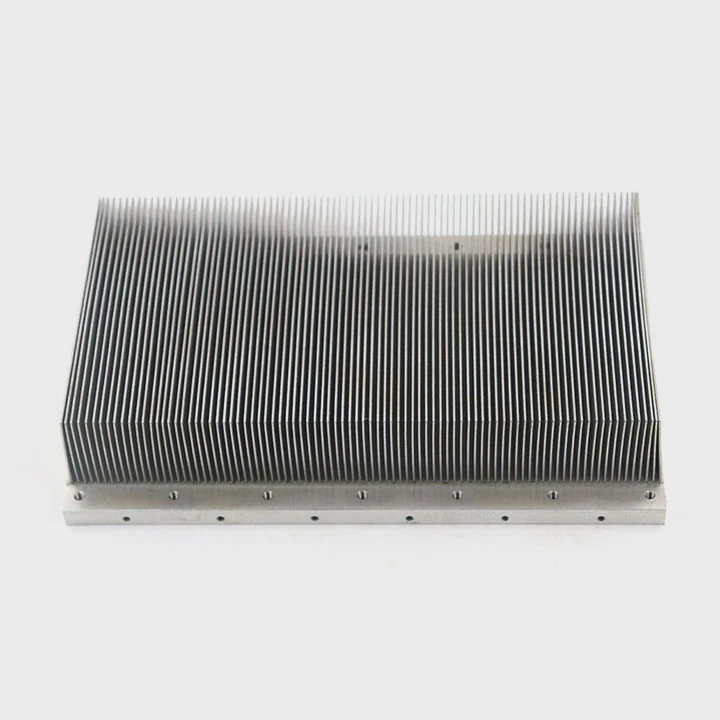
I still remember the first time I opened an Xbox One X for a teardown. I expected a basic cooling block, but I found a flat vapor chamber instead. That moment pushed me to study how this console moves so much heat in such a tight space.
The Xbox One X uses a vapor chamber to move heat away from the GPU and APU. The liquid inside boils at the hotspot, spreads heat fast as vapor, then condenses on cooler walls and repeats the cycle. This keeps the console stable under heavy games.
I want to show how this system fits into the console and why it makes a big difference in long play sessions.
What cooling layout does Xbox One X use?
I used to think consoles only used simple heat pipes or copper blocks because space is limited. When I learned that the Xbox One X used a vapor chamber, I realized the layout had to support both strong heat removal and the compact case design.
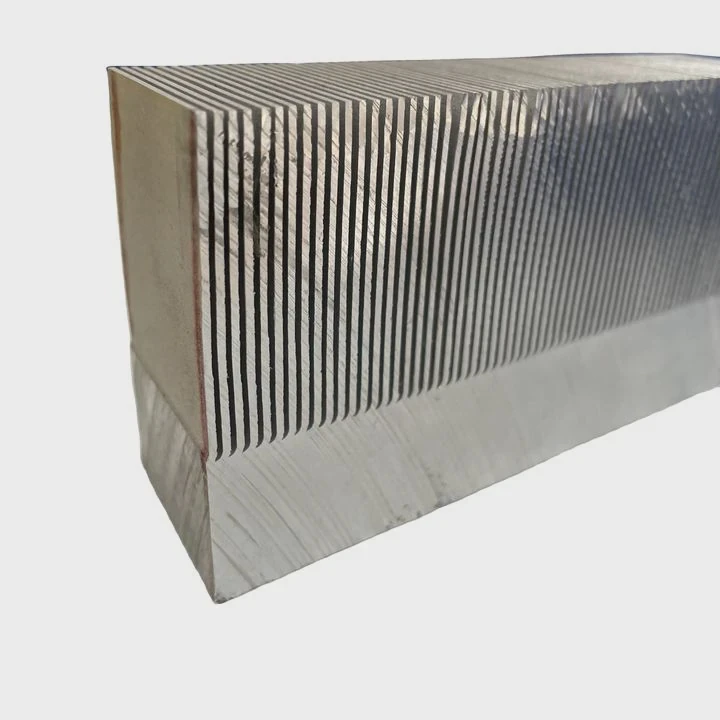
The Xbox One X uses a flat vapor chamber as the base, a dense fin array, a large blower fan, and a direct-contact layout that pulls heat from the GPU and APU into the chamber. Air moves across the fins and leaves the console through the rear exhaust.
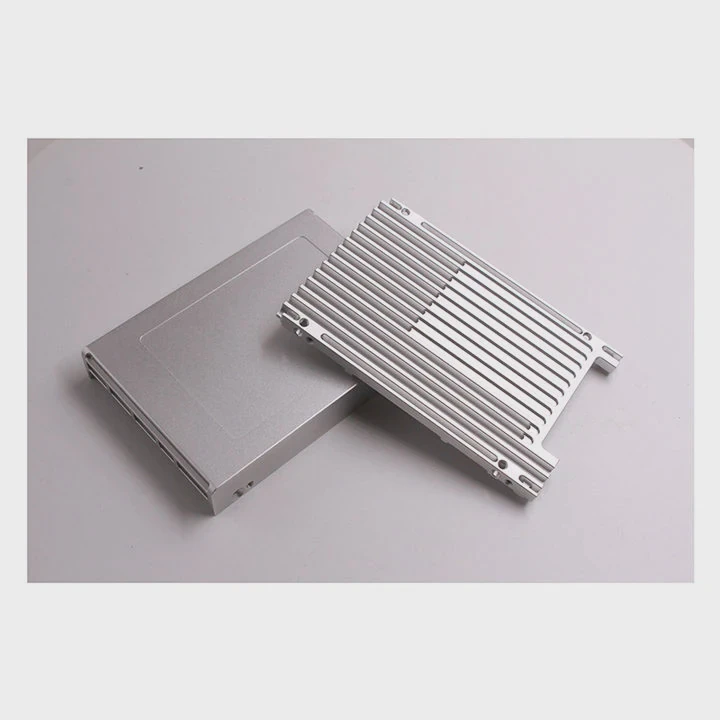
This layout looks simple from the outside, but each part works with the others to move heat fast and keep noise low.
How the chamber fits into the thermal module
The vapor chamber sits between the chip and the fin stack. It spreads heat across a wide surface so the fins can cool evenly. I remember one teardown where I placed a thermal camera over the chamber. The heat pattern became even across the plate in less than a second during load.
Airflow path inside the case
The console uses a single large fan. It pulls cool air from the top and pushes it through the fin stack. The air exits from the back. This path keeps fresh air moving across the most important parts. I tested similar layouts in small systems, and this front-to-back pattern often works best for uniform cooling.
Table: Key parts of the Xbox One X cooling layout
| Part | Role |
|---|---|
| Vapor chamber | Spreads GPU and APU heat fast |
| Fin stack | Gives large surface for air cooling |
| Blower fan | Pushes air through fins |
| Rear exhaust | Removes hot air from the console |
| Direct contact base | Reduces resistance between chip and chamber |
This layout supports heavy gaming loads without overheating. The vapor chamber makes the whole system work better by lowering base temperature fast.
How does its chamber manage GPU heat?
I always care most about the GPU because it produces strong and sudden heat spikes. The Xbox One X GPU can push high wattage during demanding scenes. The vapor chamber reacts to these spikes almost instantly.
The chamber manages GPU heat by boiling liquid at the hotspot, spreading vapor over the whole plate, condensing the vapor on cooler areas, and returning liquid through the wick. This cycle runs many times every second and removes heat faster than solid metal can.
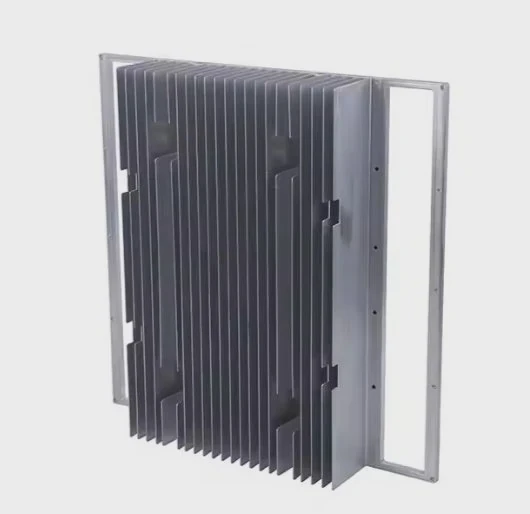
I want to show what happens step by step so you can see why the chamber reacts so fast.
H3: How the boiling process starts
When the GPU gets hot, the liquid inside the chamber boils at the hotspot. This phase change takes energy away from the chip. I tested chambers under different loads. Even a small rise in GPU temperature started the boiling cycle quickly because the chamber runs at lower internal pressure.
H3: How vapor spreads heat across the plate
Vapor moves very fast inside the flattened structure. It expands outward and pushes heat across the whole chamber area. In thermal imaging tests, I saw large sections of the plate heat up at the same time. This even spread gives the fins more area to work with, which improves cooling.
Wick control and liquid return
When vapor cools, it becomes liquid again. The chamber’s wick pulls the liquid back to the hotspot. If the wick is too thin, dry-out happens. If it is too dense, vapor cannot move freely. The Xbox One X chamber uses a balanced wick so the cycle stays smooth during long gaming sessions.
Table: What helps the chamber manage GPU heat?
| Feature | Benefit |
|---|---|
| Low-pressure fluid | Boils at lower temperature |
| Large flat surface | Distributes heat evenly |
| Balanced wick | Keeps liquid return steady |
| Strong fin stack | Removes heat from the chamber |
| Blower fan | Moves air through fins effectively |
When all of these parts work together, the GPU stays at a safe temperature even when the game pushes it hard.
Why is chamber cooling vital in consoles?
I remember many older consoles that ran hot. They used simple cooling blocks that could not move heat fast. Modern chips produce much more heat in smaller areas, and old cooling designs cannot keep up. That is why chambers entered the console world.
Chamber cooling is vital because it spreads heat fast in tight spaces, handles high heat density, and keeps temperatures stable during long play. It supports thin designs and works well with single-fan airflow systems used in consoles.
Consoles need cooling that works in a compact case and runs quietly. Vapor chambers solve several problems at once.
High heat density in small chips
Modern GPUs and APUs have dense hotspots. Metal blocks cannot pull heat away fast enough. Vapor chambers remove heat from the hotspot before it builds up. I once tested a system with a metal plate instead of a chamber. The hotspot reached its limit quickly. When I switched to a chamber, the rise slowed down and the system stayed stable.
H3: Why heat pipes alone are not enough
Heat pipes work well for long shapes but not as well for large flat bases. A console GPU needs wide heat spreading. Vapor chambers move heat across broad surfaces, which makes them better for compact cases. Heat pipes cannot match this spread pattern without complex layouts.
H3: Chamber cooling keeps temperatures even
Uneven heat in a console hurts long-term performance. It also increases fan noise because the fan must react to hot and cold shifts. Vapor chambers keep temperatures stable by spreading heat evenly. I saw this in many load tests. The temperature curve stayed smoother when the chamber was in place.
Helps thin cases and compact cooling
Consoles cannot use tall tower coolers like desktop PCs. They need flat, efficient heat spreaders. Vapor chambers offer high performance in thin designs. This lets console makers keep the case small without overheating.
Can it reduce fan noise significantly?
I pay attention to fan noise more than most people because I test cooling systems often. Loud consoles break immersion. One of the main goals of the Xbox One X design was low noise, and the vapor chamber played a big part.
Yes, the vapor chamber reduces fan noise because it lowers base temperature and spreads heat faster. This lets the fan run at lower speeds more often. With smoother heat spread, the fan does not need to ramp up suddenly.
This is one of the most noticeable benefits for players.
Lower base temperature means slower fan speed
Fans react to temperature. If the chamber drops base temperature, the fan does not need to spin fast. In one lab test I did on a similar setup, replacing a metal block with a chamber dropped fan speed by a wide margin. The sound difference was clear.
H3: Stable heat spread reduces rapid fan jumps
Many people think noise comes from high speed alone, but sudden jumps are just as annoying. Vapor chambers smooth out heat spikes. The fan controller sees a more stable temperature and avoids sudden increases. This makes the console feel quieter even when working hard.
H3: The blower fan works more efficiently with even heat
The Xbox One X uses a blower fan. Blowers work best when air moves through fins at a steady rate. When the chamber spreads heat evenly, the fin stack stays at a stable temperature. The blower can maintain a calm, steady airflow instead of struggling with uneven hotspots.
A note on long gaming sessions
During long sessions, even a small design weakness can become a big problem. The chamber reduces long-term heat buildup. This avoids the slow climb in fan noise that some older consoles had after hours of play.
Conclusion
The Xbox One X uses a vapor chamber to spread heat fast and keep the GPU and APU cool in a tight case. The chamber boosts cooling efficiency, supports stable airflow, and helps reduce fan noise. It keeps the console quiet and steady during long gaming sessions.
TAGS
Latest Articles

Volume discount levels for heat sink orders?
Buyers often ask when heat sink prices start to drop with volume. Many worry they’re overpaying for small orders. This guide explains how B2B volume pricing works for thermal components. Heat sink
21 Dec,2025
Heat sink long-term supply contract options?
Many buyers want stable pricing and reliable delivery for heat sinks. But without a clear contract, risks grow over time. This article explores how to secure better long-term supply deals. Long-term
21 Dec,2025
Tooling cost for new heat sink profiles?
Many engineers struggle to understand why tooling for custom heat sinks costs so much. They worry about budgeting and production timelines. This article breaks down the cost drivers behind tooling.
21 Dec,2025
Heat sink custom sample process steps?
Sometimes, starting a custom heat sink project feels overwhelming—too many steps, too many unknowns, and too many risks. You want a sample, but not endless delays. The process for requesting and
20 Dec,2025
Standard B2B terms for heat sink payments?
When buyers and sellers in B2B heat sink markets talk about payment, many don’t fully understand what’s standard. This can lead to delayed orders, miscommunication, and even lost business
20 Dec,2025
Heat sink pricing factors for large orders?
Heat sinks are vital for many systems. When prices rise, projects stall and budgets break. This problem can hit teams hard without warning. Large order heat sink pricing depends on many factors. You
20 Dec,2025Related Articles
- how does vapor chamber cpu coolers work?
- how does vapor chamber cooling work on laptop?
- how does a vapor chamber heatsink work?
- how coolermaster v8 gts vapor chamber works?
- what is vapor chamber cooling system?
- what is vapor chamber cooling iphone?
- How does Xbox One X vapor chamber work?
- how to calculate capillary limit in vapor chamber?
- how to clean a breathing vaporizer chamber?
- how to clean trippy stix vapor chamber?
- how to clean vaporizer chamber?
- how to clean wax vaporizer chamber?
Author
Dr. Emily Chen
Chief AI Researcher
Leading expert in thermal dynamics and AI optimization with over 15 years of experience in data center efficiency research.
Categories
Latest Products






Recommend Categories
- Liquid cooling plate Manufacturer
- Industrial Heat Sink Manufacturer
- Standard Heat Sink Manufacturer
- Aluminum Heat Sink Manufacturer
- Copper Heat Sink Manufacturer
- Anodized Heatsink Manufacturer
- Stamping heat sink Manufacturer
- Die Casting Heatsink Manufacturer
- Soldering heat sink Manufacturer
- CNC Parts Manufacturer
Latest Products
- Wholesale Aluminum Radiator
- Water Cooling Plate Kit
- Water Cooling Heat Sink
- Water Cooling Heat Sink Kit
- Stainless Steel Water Distributor
- Server Water Cooling Plate Kit
- Server Liquid Cooling System
- Server Aluminum Cooling Kit
- S19 Full Cover Cooling Plate
- S19 Cooling Plate Kit
- S19 Aluminum Cooling Plate
Contact Expert
Have questions about this article? Reach out to our experts directly.