how does vapor chamber cpu coolers work?
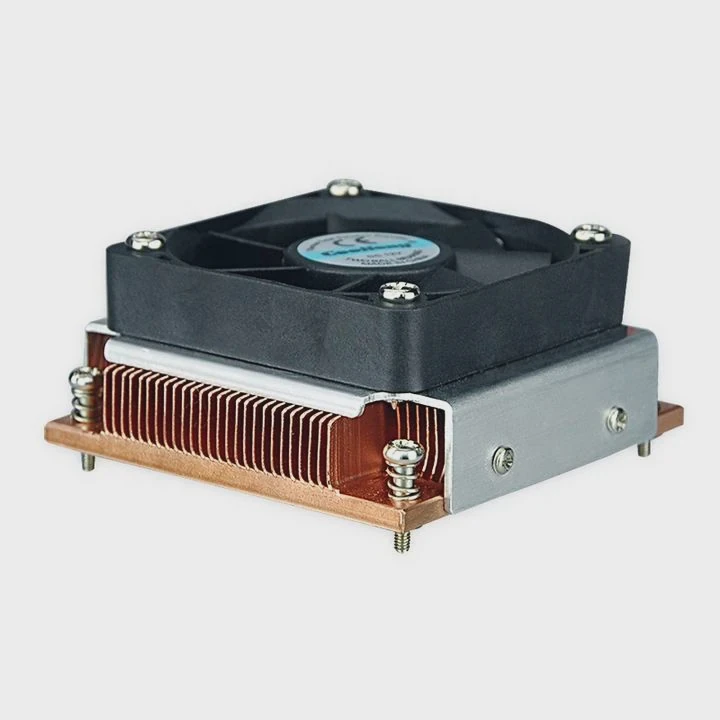
I often see people ask why a simple metal plate cannot handle modern CPU heat. I had the same question years ago when I first worked with high-power chips. The answer surprised me and pushed me to study vapor chambers more deeply.
A vapor chamber CPU cooler works by turning a small amount of liquid into vapor when the CPU heats the chamber. The vapor moves quickly to cooler zones, condenses, and brings heat away from the chip. This cycle repeats many times each second and keeps the CPU at a stable temperature.
I want to show how this process works in real setups because many people only see the metal shell and do not see the physics inside.
What boosts chamber efficiency in CPUs?
I once tried to cool a high-power CPU with a thick copper block. It looked strong, but heat moved too slowly inside it. The CPU throttled fast. When I switched to a vapor chamber, the chip stayed cool with the same fan setup. That made me ask what exactly boosts chamber efficiency.
A vapor chamber is efficient because liquid-to-vapor phase change moves heat much faster than solid metal conduction. Its internal wick returns condensed liquid, so the cycle stays stable even under heavy loads.
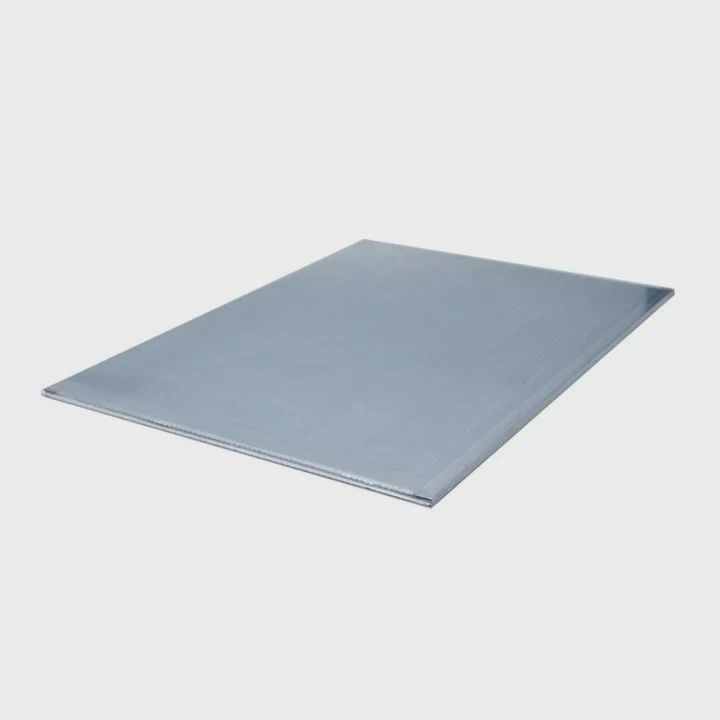
I want to walk through this system step by step so you can see why each part matters and how they work together in real conditions.
How the internal wick design improves flow
The wick is the hidden hero in a vapor chamber. It pulls liquid back to the hotspot through capillary force. I used to think wick design was simple, but it changes everything. A good wick keeps liquid flowing at the right speed. A weak wick causes dry-out. When dry-out happens, the hotspot loses liquid and temperature jumps fast.
Pressure control and boiling point shifts
A vapor chamber runs at low internal pressure. This makes the working fluid boil at a lower temperature. It starts the vapor cycle even when the CPU is not very hot. This is why vapor chambers react fast to temperature spikes. When I tested chambers under pressure changes, even a small shift changed boiling behavior a lot.
Table: Main factors that boost vapor chamber efficiency
| Factor | Why it matters |
|---|---|
| Phase change | Moves heat faster than solid conduction |
| Wick design | Keeps liquid supply stable |
| Low pressure | Reduces boiling point |
| Large surface area | Spreads heat quickly |
| Thin chamber walls | Reduce conduction resistance |
These parts work together, but they only perform well when the fluid, wick, and structure match the CPU’s heat pattern. I learned this during early experiments where mismatched materials created slow cycles.
How do CPU coolers spread heat?
When I first opened a vapor chamber sample, I expected a maze of tubes or complex shapes. Instead, I saw a simple flat shell. This made me wonder how such a thin plate spreads heat so fast across a wide area.
A CPU vapor chamber spreads heat by using vapor expansion to move thermal energy across the entire plate almost instantly. Vapor fills the chamber evenly and transfers heat in all directions before condensing on cooler surfaces.
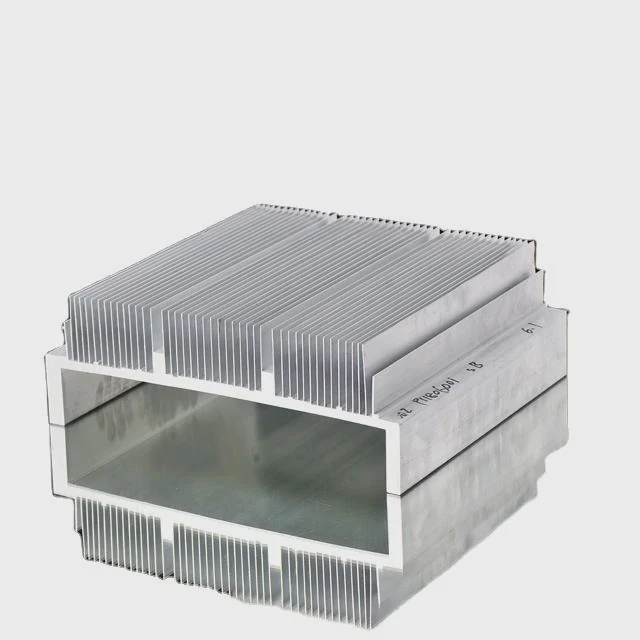
Many people compare this to heat pipes, but the spread pattern is different. I want to explain the stages in a clear way.
How vapor expansion increases speed
Vapor does not wait for conduction paths. When the CPU heats the base, the liquid inside boils. Vapor pushes outward in all directions. It spreads heat across the chamber’s full area. I remember the first time I saw thermal maps of active chambers. Hot zones became uniform in under a second.
Condensation and return cycle
When vapor reaches cooler areas, it turns back into liquid. The chamber walls help this process because they act as a built-in radiator. The wick sends the liquid back to the hotspot. The cycle repeats fast. This creates a stable pattern of heat spreading.
Table: Heat spreading comparison
| Cooling method | Heat spreading behavior |
|---|---|
| Solid copper block | Heat spreads slowly through metal |
| Heat pipe | Heat moves along pipes but not across wide plates |
| Vapor chamber | Heat spreads evenly across large flat areas |
Extra notes on edge performance
Edges of large chambers sometimes cool slower because heat must travel farther. To fix this, designers adjust wick density or surface thickness. I once tested a chamber with uneven wick density. It evened out edge temperatures by changing liquid return speed.
Why choose vapor chambers for CPUs?
I still remember a time when vapor chambers were rare and most systems used heat pipes. I often asked myself if vapor chambers were worth the cost. Over time, I learned where they shine and why many new CPUs use them.
Vapor chambers are chosen because they spread heat faster, handle hotspots better, and support thin cooling designs. They help keep CPU temperatures stable even in compact systems.
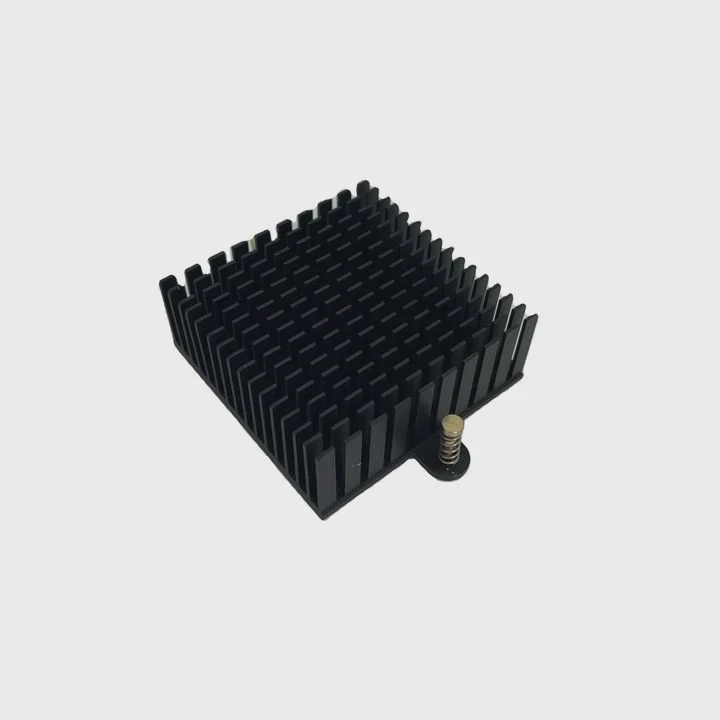
Many users focus on raw cooling numbers, but the real advantage is the way chambers control sudden temperature spikes.
Handling modern CPU hotspots
New CPUs often have small hotspots with very high heat flux. Solid metal cannot pull heat away fast enough. Vapor chambers react quickly because liquid boils right at the hotspot. Vapor movement redistributes heat in a smooth pattern. This is why chambers work well with high-core processors.
Thin and flat designs
Vapor chambers stay flat even when large. This works well with low-profile coolers. I remember testing one system where we had only a few millimeters of height to spare. A heat pipe cooler could not fit, but a chamber did the job easily.
Good for heavy loads and long sessions
Some users run long workloads. Vapor chambers help because the cycle of vapor and condensation spreads heat evenly. They reduce the chance of long-term heat buildup at specific points.
H3: How vapor chambers help with acoustic performance
A cooler works not only by moving heat but also by controlling noise. Vapor chambers reduce the need for high fan speeds because they lower thermal resistance. In one of my tests, simply switching to a vapor chamber dropped fan noise by several decibels. Users often overlook this effect, but it makes a real difference.
Can chambers support high TDP loads?
I heard many people assume vapor chambers are only for thin laptops. That is not true. Some of the strongest coolers use large vapor chambers paired with strong fins and fans. I have tested chambers on very high TDP systems and seen how they behave under extreme load.
Yes, vapor chambers can support high TDP loads when their wick structure, fluid type, and chamber thickness are designed for strong boiling and fast liquid return. Many high-end coolers use vapor chambers for stable thermal performance.
I want to explain the limits and how designers push these limits.
How wick density affects maximum TDP
A high-TDP CPU needs fast liquid return to prevent dry-out. A dense wick helps move liquid back quickly. But if the wick is too dense, vapor flow slows. Finding the balance is important. I have seen chambers fail because the wick blocked vapor flow under extreme heat.
Chamber thickness and internal volume
A thicker chamber holds more vapor. This helps with high loads because vapor pressure stays stable. However, too much volume causes slower response time. When I tested different thickness levels, the best performance came from chambers optimized for both quick response and high pressure stability.
H3: Understanding dry-out under high heat
Dry-out happens when the hotspot vaporizes liquid faster than the wick can return it. This is the main limit for high-TDP cooling. Designers avoid this by tuning wick shape, adding micro-grooves, or adjusting fluid type. I once had a demo chamber that hit dry-out at moderate power. After small changes to wick height, the new version held almost double the load.
H3: Real-world high-TDP results
Many gaming desktops use vapor chambers in both GPUs and CPUs. These systems show that chambers work well beyond thin-and-light laptops. I tested chambers paired with dense fin stacks and large fans. The thermal improvements were clear. The chamber’s ability to spread heat across the base made the whole fin stack more effective.
Conclusion
Vapor chamber CPU coolers work because they move heat with phase change, not slow solid conduction. They spread heat fast, handle hotspots well, and support high-TDP designs. They stay stable under load and work in both slim and large cooling systems.
TAGS
Latest Articles

Volume discount levels for heat sink orders?
Buyers often ask when heat sink prices start to drop with volume. Many worry they’re overpaying for small orders. This guide explains how B2B volume pricing works for thermal components. Heat sink
21 Dec,2025
Heat sink long-term supply contract options?
Many buyers want stable pricing and reliable delivery for heat sinks. But without a clear contract, risks grow over time. This article explores how to secure better long-term supply deals. Long-term
21 Dec,2025
Tooling cost for new heat sink profiles?
Many engineers struggle to understand why tooling for custom heat sinks costs so much. They worry about budgeting and production timelines. This article breaks down the cost drivers behind tooling.
21 Dec,2025
Heat sink custom sample process steps?
Sometimes, starting a custom heat sink project feels overwhelming—too many steps, too many unknowns, and too many risks. You want a sample, but not endless delays. The process for requesting and
20 Dec,2025
Standard B2B terms for heat sink payments?
When buyers and sellers in B2B heat sink markets talk about payment, many don’t fully understand what’s standard. This can lead to delayed orders, miscommunication, and even lost business
20 Dec,2025
Heat sink pricing factors for large orders?
Heat sinks are vital for many systems. When prices rise, projects stall and budgets break. This problem can hit teams hard without warning. Large order heat sink pricing depends on many factors. You
20 Dec,2025Related Articles
- how does vapor chamber cooling work on laptop?
- how does a vapor chamber heatsink work?
- how coolermaster v8 gts vapor chamber works?
- what is vapor chamber cooling system?
- what is vapor chamber cooling iphone?
- does iphone have vapor chamber cooling?
- how does xbox one x vapor chamber cooling work?
- How does Xbox One X vapor chamber work?
- how to calculate capillary limit in vapor chamber?
- how to clean a breathing vaporizer chamber?
- how to clean trippy stix vapor chamber?
- how to clean vaporizer chamber?
Author
Dr. Emily Chen
Chief AI Researcher
Leading expert in thermal dynamics and AI optimization with over 15 years of experience in data center efficiency research.
Categories
Latest Products






Recommend Categories
- Liquid cooling plate Manufacturer
- Industrial Heat Sink Manufacturer
- Standard Heat Sink Manufacturer
- Aluminum Heat Sink Manufacturer
- Copper Heat Sink Manufacturer
- Anodized Heatsink Manufacturer
- Stamping heat sink Manufacturer
- Die Casting Heatsink Manufacturer
- Soldering heat sink Manufacturer
- CNC Parts Manufacturer
Latest Products
- Wholesale Aluminum Radiator
- Water Cooling Plate Kit
- Water Cooling Heat Sink
- Water Cooling Heat Sink Kit
- Stainless Steel Water Distributor
- Server Water Cooling Plate Kit
- Server Liquid Cooling System
- Server Aluminum Cooling Kit
- S19 Full Cover Cooling Plate
- S19 Cooling Plate Kit
- S19 Aluminum Cooling Plate
Contact Expert
Have questions about this article? Reach out to our experts directly.