Is liquid cooler necessary?
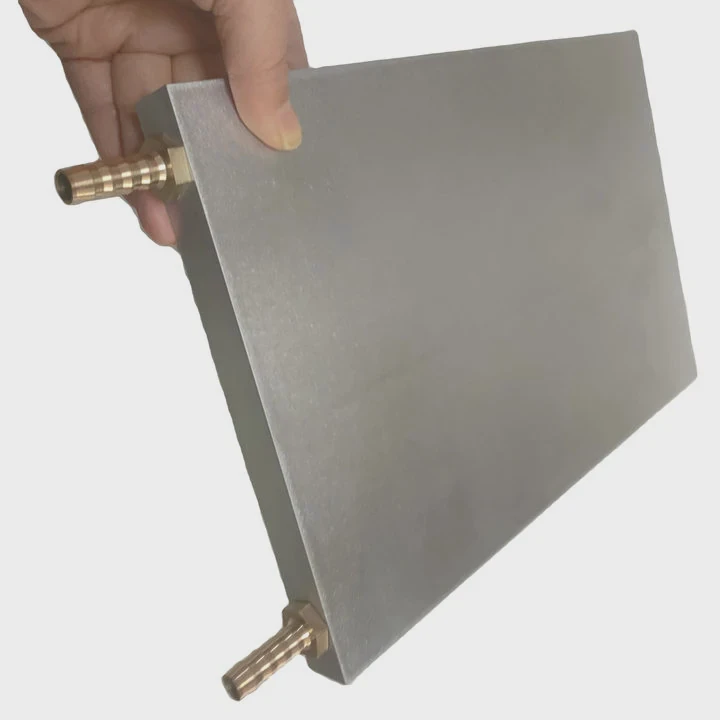
Every system generates heat, but not every system needs liquid cooling. Overheating can destroy performance, yet overcooling can waste money and effort.
Liquid cooling is not always necessary, but it becomes essential when air cooling cannot maintain safe temperatures for high-performance or space-limited systems.
If your device runs hot even with powerful fans, or you need silent operation, liquid cooling becomes the smarter choice. Otherwise, well-designed air cooling can still do the job effectively.
What determines the need for liquid cooling?
Every computer or machine has its own heat profile. Some run cold, others run hot even at idle.
The need for liquid cooling depends on system power output, space limitations, noise targets, and thermal performance requirements.
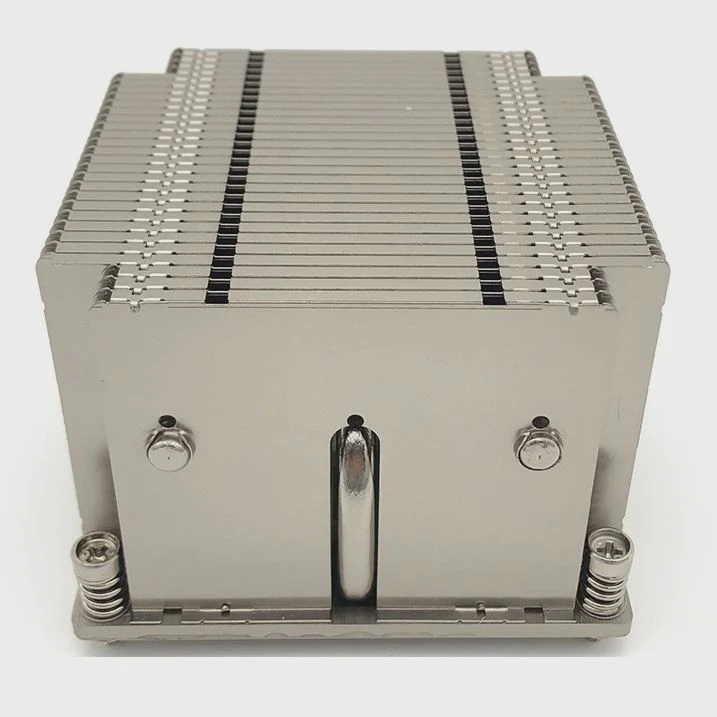
Power and Heat Density
The higher the power draw, the more heat is produced. CPUs and GPUs with high TDP (thermal design power) ratings often require advanced cooling solutions. For instance, a workstation running heavy 3D rendering or AI computations generates consistent thermal loads that overwhelm air coolers.
Space Constraints
In compact enclosures, air has less space to circulate. Fans become less effective when airflow paths are blocked by components. Liquid cooling transfers heat through pipes, freeing space and improving efficiency in tight builds.
Noise Requirements
Air coolers rely on faster fan speeds to move heat away. Faster fans mean more noise. In contrast, liquid cooling can maintain similar temperatures at lower fan speeds, offering quieter performance. This is important for studios, offices, or home environments where silence matters.
Environmental Conditions
If your system runs in a hot or dusty room, air cooling loses efficiency. Liquid loops are less affected by external air temperature and can maintain stable performance.
| Factor | Air Cooling | Liquid Cooling |
|---|---|---|
| Heat Management | Moderate | High |
| Noise Level | Higher | Lower |
| Maintenance | Low | Moderate |
| Cost | Lower | Higher |
| Space Efficiency | Poor in small cases | Excellent |
These elements decide whether the switch to liquid cooling makes sense or not.
What are the benefits of using it?
People often focus only on temperature, but the advantages go beyond that.
Liquid cooling offers superior heat control, quieter operation, longer component lifespan, and more aesthetic flexibility compared to air cooling.
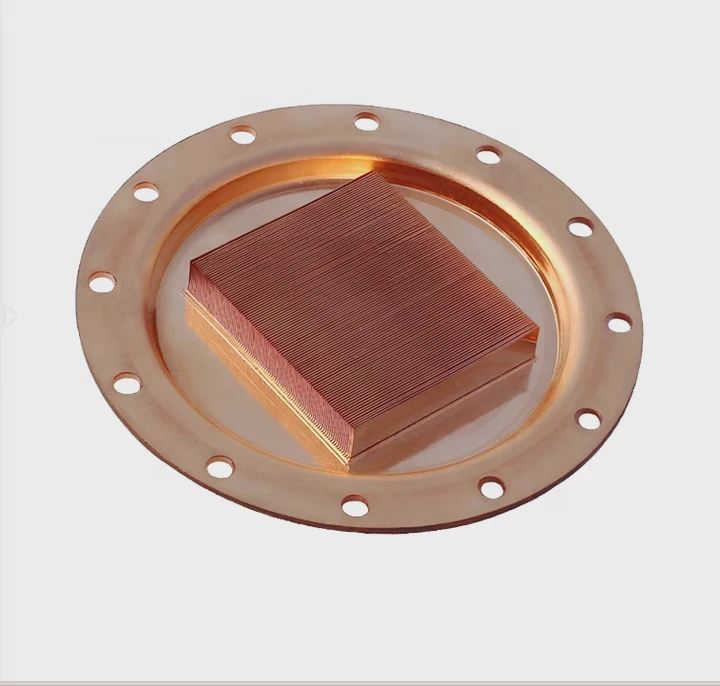
Better Thermal Performance
Liquid can absorb and move heat more effectively than air. It maintains consistent temperatures even under sustained loads. For overclockers and high-end users, this stability allows pushing hardware further without thermal throttling.
Quieter System Operation
Since liquid systems require less airflow, fans spin slower and make less noise. Pumps today are engineered to be almost silent, which makes the system more pleasant to use in quiet environments.
Longer Component Lifespan
By maintaining lower temperatures, electronic components experience less thermal stress. Over time, this reduces wear on transistors and solder joints, extending the life of the CPU, GPU, and power modules.
Cleaner and Aesthetic Design
Many liquid cooling setups use sleek tubes, compact radiators, and glowing coolant. They look professional, and they also minimize dust accumulation inside the case because air does not circulate as aggressively.
| Benefit | Impact Level | Explanation |
|---|---|---|
| Temperature Stability | ★★★★★ | Handles heavy workloads efficiently |
| Noise Reduction | ★★★★☆ | Quieter than high-speed air fans |
| Lifespan Extension | ★★★★☆ | Reduces heat-related wear |
| Aesthetic Flexibility | ★★★★☆ | Custom loops enhance design appeal |
The advantages become more visible in demanding applications like gaming, rendering, or industrial computing systems.
How to decide if your setup requires it?
Before investing in liquid cooling, evaluate your real-world needs, not just trends or aesthetics.
Your setup requires liquid cooling if it operates under sustained high loads, shows temperature spikes, or needs silent and space-efficient thermal control.
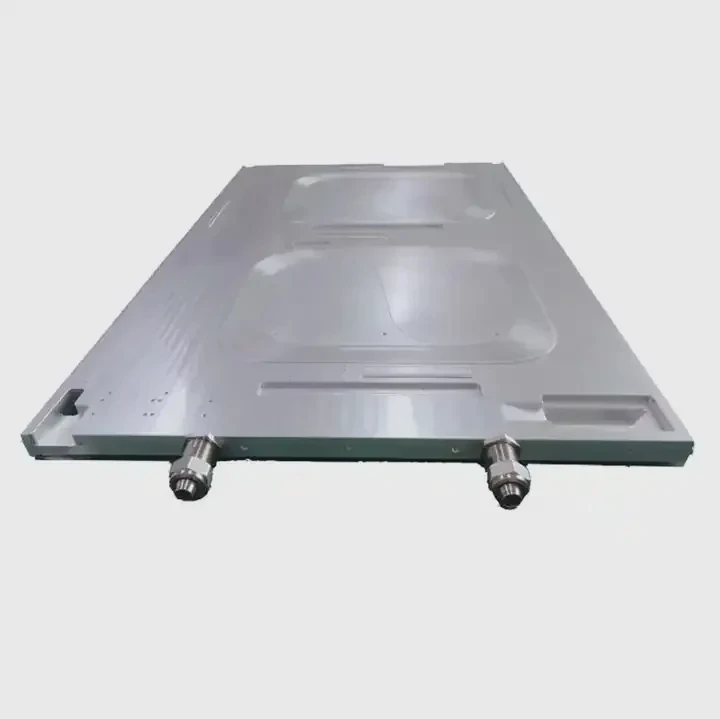
Step 1: Evaluate Performance Needs
Start by identifying your workload. If you run gaming, simulation, video editing, or machine learning tasks for long periods, liquid cooling offers stable performance. For light office use or web browsing, air cooling is usually enough.
Step 2: Check Current Temperatures
Monitor temperatures with tools like HWInfo or CoreTemp. If you see spikes beyond 80°C for CPUs or 85°C for GPUs, your current cooling solution might be insufficient.
Step 3: Assess Noise Tolerance
If fan noise becomes distracting, switching to a liquid system can help. Pumps and larger radiators handle the same heat at lower RPMs, reducing the overall sound profile.
Step 4: Consider Case Space and Budget
Liquid cooling requires space for radiators and pumps. It also costs more and needs occasional maintenance. If your case is small but has mounting options, an all-in-one (AIO) liquid cooler might be the best middle ground.
Step 5: Think Long-Term
If you plan to upgrade your system or overclock components later, investing in liquid cooling early can save time and money.
In short, base your decision on temperature, workload, and comfort—not only on looks or trends.
What are the usage trends in cooling systems?
Cooling technology evolves fast. The trend is moving toward smarter, quieter, and more integrated systems.
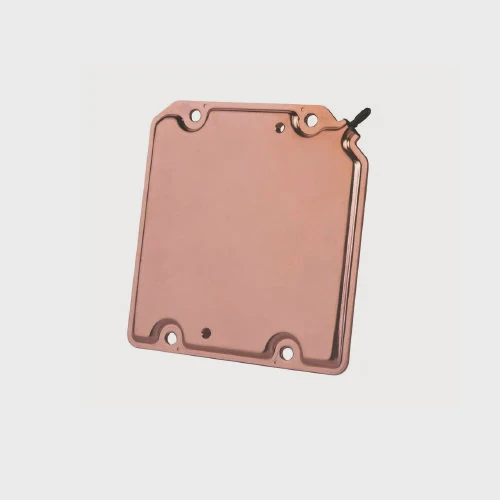
Modern cooling trends include hybrid systems, AI-driven control, eco-friendly materials, and advanced liquid coolants for higher efficiency and safety.
Hybrid Cooling Systems
Manufacturers now combine air and liquid cooling to get the best of both worlds. These hybrid units use small radiators with compact fans to balance noise, cost, and performance.
AI-Controlled Cooling
Artificial intelligence monitors workloads and predicts heat buildup. Smart algorithms adjust pump speed, fan RPM, and even coolant flow based on temperature patterns. This ensures consistent performance while reducing power use.
Eco-Friendly Coolants
New coolant formulations are non-toxic and biodegradable. They replace glycol-based fluids, reducing environmental impact while maintaining high thermal efficiency. Many brands are also using recyclable materials for tubing and fittings.
Modular and Maintenance-Free Designs
All-in-one (AIO) systems are becoming the standard for consumers. They come pre-filled, sealed, and require almost no upkeep. For professionals, modular open-loop systems allow flexibility for custom builds or integration into large-scale servers.
Integration with Smart Platforms
Cooling systems now link with platforms like ASUS Aura Sync or Corsair iCUE. They allow real-time monitoring, color-coded heat mapping, and synchronization with other hardware sensors.
These innovations make liquid cooling more accessible, reliable, and intelligent than ever before. The shift shows that cooling is no longer just about temperature—it is about efficiency, control, and sustainability.
Conclusion
Liquid cooling is not for everyone, but for powerful, quiet, or compact systems, it is a clear upgrade. The decision depends on your heat output, noise tolerance, and performance goals. As cooling technology advances, smarter and greener solutions are shaping the future of thermal management.
TAGS
Latest Articles

Volume discount levels for heat sink orders?
Buyers often ask when heat sink prices start to drop with volume. Many worry they’re overpaying for small orders. This guide explains how B2B volume pricing works for thermal components. Heat sink
21 Dec,2025
Heat sink long-term supply contract options?
Many buyers want stable pricing and reliable delivery for heat sinks. But without a clear contract, risks grow over time. This article explores how to secure better long-term supply deals. Long-term
21 Dec,2025
Tooling cost for new heat sink profiles?
Many engineers struggle to understand why tooling for custom heat sinks costs so much. They worry about budgeting and production timelines. This article breaks down the cost drivers behind tooling.
21 Dec,2025
Heat sink custom sample process steps?
Sometimes, starting a custom heat sink project feels overwhelming—too many steps, too many unknowns, and too many risks. You want a sample, but not endless delays. The process for requesting and
20 Dec,2025
Standard B2B terms for heat sink payments?
When buyers and sellers in B2B heat sink markets talk about payment, many don’t fully understand what’s standard. This can lead to delayed orders, miscommunication, and even lost business
20 Dec,2025
Heat sink pricing factors for large orders?
Heat sinks are vital for many systems. When prices rise, projects stall and budgets break. This problem can hit teams hard without warning. Large order heat sink pricing depends on many factors. You
20 Dec,2025Related Articles
- Why is liquid cooling better than air?
- Is AIO liquid cooling worth it?
- Is a 120mm liquid cooler enough?
- Are liquid-cooled computers quieter?
- Is liquid cooling good?
- What is the difference between air cooling and liquid cooling?
- Does i9 Need Liquid Cooling?
- What happens when liquid is cooled?
- Is liquid cooling or air cooling better?
- What liquid is used for immersion cooling?
- How often to replace liquid cooling?
- What’s better, liquid cooling or fan?
Author
Dr. Emily Chen
Chief AI Researcher
Leading expert in thermal dynamics and AI optimization with over 15 years of experience in data center efficiency research.
Categories
Latest Products






Recommend Categories
- Liquid cooling plate Manufacturer
- Industrial Heat Sink Manufacturer
- Standard Heat Sink Manufacturer
- Aluminum Heat Sink Manufacturer
- Copper Heat Sink Manufacturer
- Anodized Heatsink Manufacturer
- Stamping heat sink Manufacturer
- Die Casting Heatsink Manufacturer
- Soldering heat sink Manufacturer
- CNC Parts Manufacturer
Latest Products
- Wholesale Aluminum Radiator
- Water Cooling Plate Kit
- Water Cooling Heat Sink
- Water Cooling Heat Sink Kit
- Stainless Steel Water Distributor
- Server Water Cooling Plate Kit
- Server Liquid Cooling System
- Server Aluminum Cooling Kit
- S19 Full Cover Cooling Plate
- S19 Cooling Plate Kit
- S19 Aluminum Cooling Plate
Contact Expert
Have questions about this article? Reach out to our experts directly.