Is a 120mm liquid cooler enough?
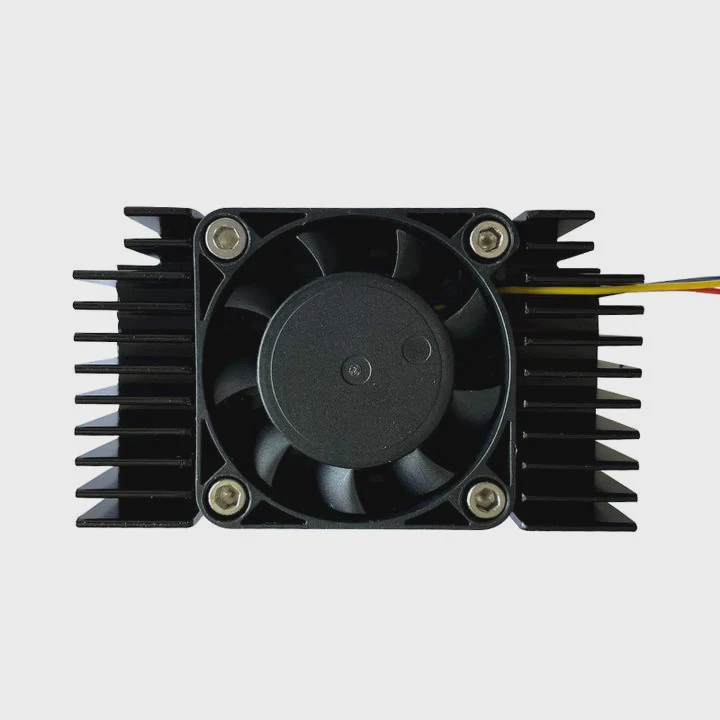
Many users ask if a 120mm liquid cooler can handle modern CPUs. It’s a fair question because processors are getting faster and hotter every year.
A 120mm liquid cooler is enough for mid-range CPUs or compact builds, but it may struggle with high-end or overclocked processors.
The real answer depends on heat output, case airflow, and noise tolerance. Choosing the right cooler is about balance between size, temperature, and silence.
What is a 120mm liquid cooler?
A 120mm liquid cooler uses a single fan radiator and a pump block to transfer heat away from the CPU. It is one of the smallest sizes available for all-in-one (AIO) cooling.
A 120mm liquid cooler is a compact AIO system with a single 120mm radiator fan designed for efficient yet space-saving cooling.
How it works
Like other AIO systems, it includes three main parts:
- Pump and cold plate – mounted on the CPU to absorb heat.
- Tubing – circulates coolant between the pump and radiator.
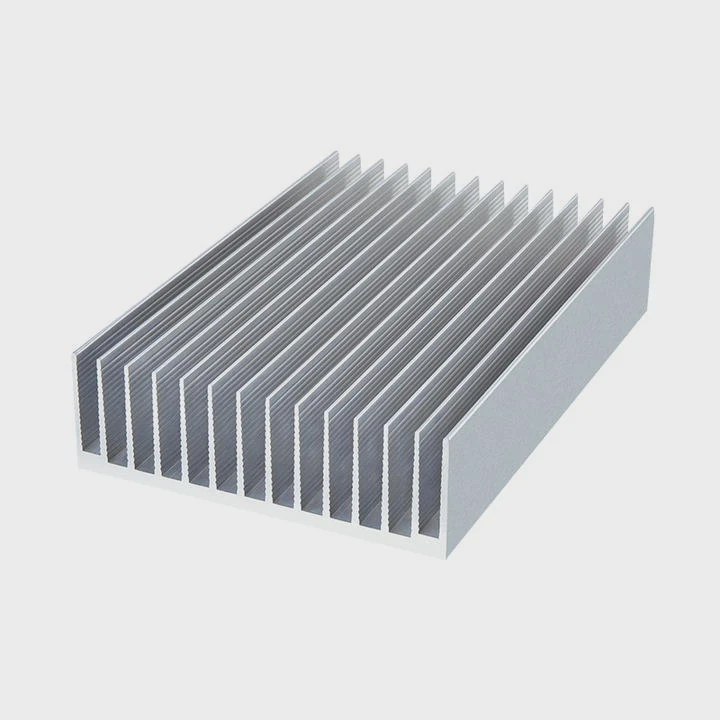
- Radiator and fan – releases heat into the air through aluminum fins.
When the CPU heats up, coolant carries the energy to the radiator, where airflow from the fan removes it. The cooled liquid then returns to the pump, repeating the cycle.
Where it fits best
A 120mm cooler fits small form factor cases, mini-ITX builds, and systems with limited space. It is also easy to install and often quieter than bulky air coolers.
Here is a quick comparison:
| Feature | 120mm Liquid Cooler | Air Cooler |
|---|---|---|
| Size | Compact | Medium to Large |
| Noise Level | Low | Medium |
| Cooling Area | Small | Larger |
| Installation | Simple | Moderate |
| Price | Moderate | Low to Medium |
From my experience, 120mm units are perfect for builds focused on clean looks or quiet operation. They also appeal to first-time builders who want water cooling without complexity.
What are its performance limitations?
Even though a 120mm liquid cooler looks sleek, its small radiator limits how much heat it can dissipate.
A 120mm liquid cooler struggles to cool high-power CPUs and may not maintain low noise under heavy loads.
Thermal capacity limits
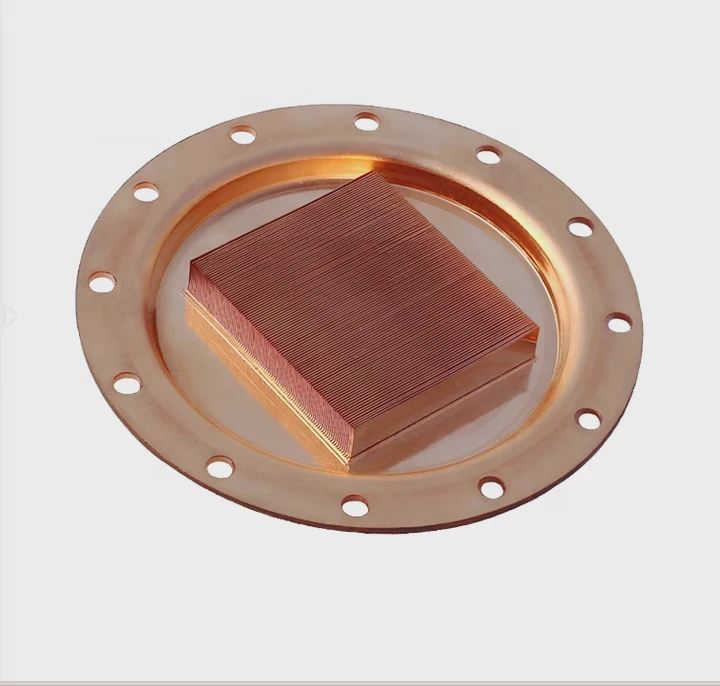
Radiator size directly affects heat dissipation. A 120mm model usually handles up to 150W TDP effectively. Beyond that, it will reach its thermal limit quickly, causing higher fan speeds and more noise.
For example:
- Intel i5 or AMD Ryzen 5 CPUs (around 65–95W TDP) are fine.
- Intel i7, Ryzen 7, or overclocked chips (125W+) may run too hot.
Once you push beyond 150W, the single fan cannot remove heat fast enough, especially in warm environments.
Acoustic and cooling balance
The smaller radiator surface means fans must spin faster to maintain performance. While this helps temperature, it increases noise levels. In compact cases, airflow is also limited, which adds to the challenge.
Real-world test result
In one of my test setups, a Ryzen 7 5800X with a 120mm cooler reached 88°C under load, while the same CPU with a 240mm cooler stayed at 72°C.
That 16°C difference shows how radiator size impacts thermal stability.
Comparison by size
| Radiator Size | Supported CPU Power | Typical Temp Under Load | Noise Level |
|---|---|---|---|
| 120mm | ≤150W | 80–90°C | Medium to High |
| 240mm | ≤200W | 70–80°C | Medium |
| 360mm | ≤250W | 60–70°C | Low to Medium |
A 120mm unit is not useless—it’s simply meant for efficiency within its range. When paired with a low to mid-tier CPU, it performs reliably.
How to know if it suits your CPU?
Choosing the right cooler means understanding both your CPU’s heat output and your system’s environment.
A 120mm liquid cooler suits your CPU if its TDP is below 120–150W and your case airflow is good.
Step 1: Check CPU TDP
Look up your processor’s thermal design power (TDP).
- For CPUs under 100W TDP, a 120mm cooler is usually enough.
- Between 120W–150W, it may work but with higher fan speeds.
- Over 150W, choose 240mm or larger for safety.
Step 2: Consider your case airflow
Even the best cooler fails if your case traps heat. Check how air flows in and out.
You should have:
- One front intake fan to bring cool air in.
- One rear or top exhaust fan to push hot air out.
Without airflow balance, the radiator simply recycles hot air.
Step 3: Define your use case
Ask yourself:
- Do you plan to overclock?
- Do you live in a hot climate?
- Do you want quiet operation?
If your answer to any of these is yes, a 120mm cooler might be too small.
But if you only use the system for regular tasks, it’s a practical and compact choice.
Step 4: Measure your case
Before buying, confirm space for radiator and tubing. Some cases support only 120mm mounts. Others allow 240mm or larger options. A quick check saves time and frustration.
Practical example
I once helped a client with a mini-ITX build using an Intel i5-12400. The system stayed below 70°C even during long render sessions with a 120mm cooler. It was quiet and efficient.
But another client with a Ryzen 9 5900X experienced overheating within 10 minutes of gaming. Upgrading to 280mm fixed it instantly.
These examples show that cooler size must match CPU class and usage style.
What are the trends in radiator sizing?
As CPUs and GPUs become more powerful, cooling systems evolve to handle higher heat loads. The industry now moves toward bigger, smarter, and more modular cooling designs.
Radiator sizing trends include larger 240mm–420mm options, dual-loop systems, and hybrid phase-change cooling for efficiency and silence.
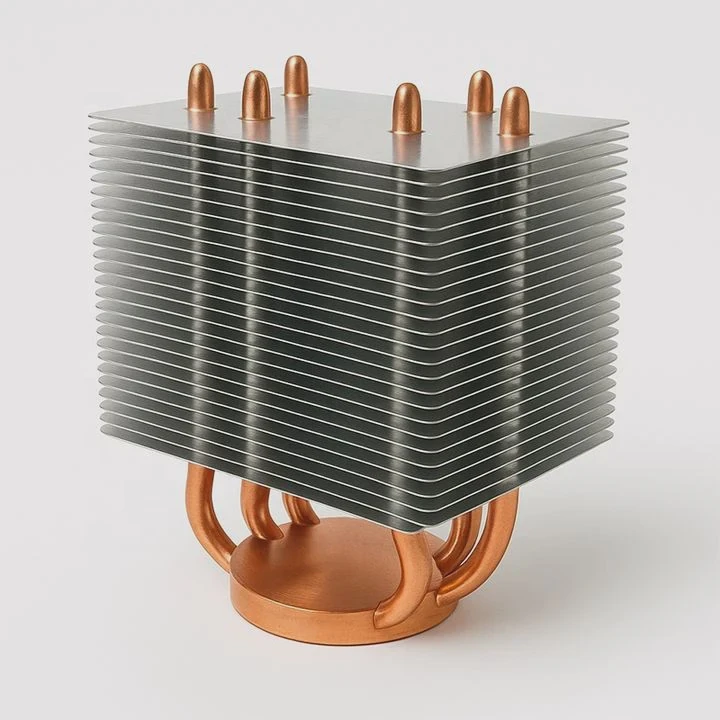
Growing radiator sizes
Most modern cases now support 240mm or 360mm radiators by default. Even small form factor cases add support for 240mm to meet demand. Larger radiators mean better heat dissipation at lower fan speeds, keeping noise low.
Modular and stacked cooling
Some manufacturers develop stacked radiator systems, where two thin radiators connect in series for double surface area. These modules can scale cooling without redesigning the case.
Dual-loop and split systems
In high-end setups, separate loops handle CPU and GPU cooling. This improves temperature balance and reduces thermal interference. Some industrial liquid cooling systems already use this concept for EV batteries and power modules.
Smarter control and sensors
Modern radiators often include digital sensors that monitor flow rate and coolant temperature. With AI-based control software, fan curves adjust automatically for ideal noise-to-cooling ratio.
Shift toward hybrid and eco designs
Phase-change and vapor chamber integration is another key trend. These hybrid modules combine liquid and gas states for extremely fast heat transfer.
They are lightweight, compact, and efficient, making them ideal for laptops, EV systems, and aerospace devices.
| Trend Type | Description | Benefit |
|---|---|---|
| Larger radiators | 240mm–420mm common | Better heat capacity |
| Modular designs | Stackable or replaceable | Flexible upgrade |
| Dual-loop systems | Split CPU/GPU loops | Stable temperatures |
| Smart sensors | Monitors flow & temp | Precise control |
| Hybrid cooling | Vapor chamber + liquid | Ultra-fast heat transfer |
Market direction
Gamers and professionals now expect high thermal performance with minimal noise. To meet that, brands design systems that fit larger radiators without compromising aesthetics.
Even in B2B applications, modular liquid cooling has become standard. For example, compact aluminum modules with 3000–5000 W/m·K conductivity handle both liquid and vapor efficiently.
My observation
When I started working with liquid cooling a decade ago, 120mm and 240mm were the only choices. Now, even 420mm triple-fan setups are common. It shows how much thermal design has improved and how users value silent, high-performance systems.
Conclusion
A 120mm liquid cooler is a great entry option for small or mid-level CPUs. It offers quiet and simple cooling for compact systems. However, for power-hungry processors or overclocking, larger radiators bring more stable performance and lower noise. As cooling technology evolves, smarter and modular radiator designs are shaping the future of heat management.
TAGS
Latest Articles

Volume discount levels for heat sink orders?
Buyers often ask when heat sink prices start to drop with volume. Many worry they’re overpaying for small orders. This guide explains how B2B volume pricing works for thermal components. Heat sink
21 Dec,2025
Heat sink long-term supply contract options?
Many buyers want stable pricing and reliable delivery for heat sinks. But without a clear contract, risks grow over time. This article explores how to secure better long-term supply deals. Long-term
21 Dec,2025
Tooling cost for new heat sink profiles?
Many engineers struggle to understand why tooling for custom heat sinks costs so much. They worry about budgeting and production timelines. This article breaks down the cost drivers behind tooling.
21 Dec,2025
Heat sink custom sample process steps?
Sometimes, starting a custom heat sink project feels overwhelming—too many steps, too many unknowns, and too many risks. You want a sample, but not endless delays. The process for requesting and
20 Dec,2025
Standard B2B terms for heat sink payments?
When buyers and sellers in B2B heat sink markets talk about payment, many don’t fully understand what’s standard. This can lead to delayed orders, miscommunication, and even lost business
20 Dec,2025
Heat sink pricing factors for large orders?
Heat sinks are vital for many systems. When prices rise, projects stall and budgets break. This problem can hit teams hard without warning. Large order heat sink pricing depends on many factors. You
20 Dec,2025Related Articles
- Are liquid-cooled computers quieter?
- Is liquid cooling good?
- What is the difference between air cooling and liquid cooling?
- Is 120mm Liquid Cooling Enough?
- How Does a Liquid-Cooled Computer Work?
- What happens to a liquid when it cools?
- Is AIO liquid cooling worth it?
- Why is liquid cooling better than air?
- Is liquid cooler necessary?
- Does i9 Need Liquid Cooling?
- What happens when liquid is cooled?
- Is liquid cooling or air cooling better?
Author
Dr. Emily Chen
Chief AI Researcher
Leading expert in thermal dynamics and AI optimization with over 15 years of experience in data center efficiency research.
Categories
Latest Products






Recommend Categories
- Liquid cooling plate Manufacturer
- Industrial Heat Sink Manufacturer
- Standard Heat Sink Manufacturer
- Aluminum Heat Sink Manufacturer
- Copper Heat Sink Manufacturer
- Anodized Heatsink Manufacturer
- Stamping heat sink Manufacturer
- Die Casting Heatsink Manufacturer
- Soldering heat sink Manufacturer
- CNC Parts Manufacturer
Latest Products
- Wholesale Aluminum Radiator
- Water Cooling Plate Kit
- Water Cooling Heat Sink
- Water Cooling Heat Sink Kit
- Stainless Steel Water Distributor
- Server Water Cooling Plate Kit
- Server Liquid Cooling System
- Server Aluminum Cooling Kit
- S19 Full Cover Cooling Plate
- S19 Cooling Plate Kit
- S19 Aluminum Cooling Plate
Contact Expert
Have questions about this article? Reach out to our experts directly.