Why is liquid cooling better than air?
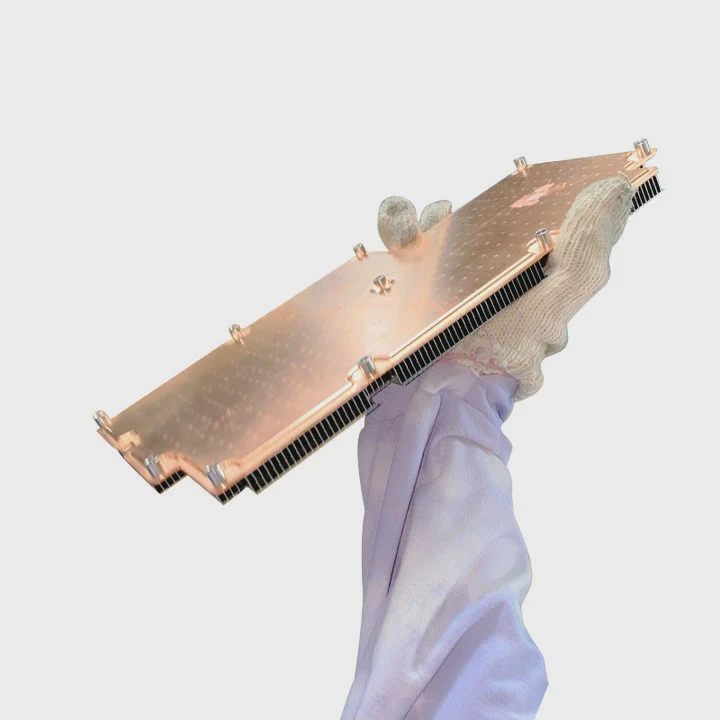
Many engineers still ask if liquid cooling is really worth it. Air cooling feels simple, safe, and cheap. But as systems grow hotter and smaller, air cannot keep up anymore.
Liquid cooling is better than air because it transfers heat faster, keeps temperatures lower, and enables smaller, quieter, and more efficient designs.
I have seen this shift across industries—from electronics to electric vehicles. Once the power density increases, liquid becomes the only reliable choice.
What are the key differences between liquid and air cooling?
When we compare liquid and air cooling, the difference is not just the medium—it’s how heat moves and how systems are built.
Air cooling relies on fans and heat sinks, while liquid cooling uses pumps, plates, and coolant loops to absorb and move heat away more effectively.
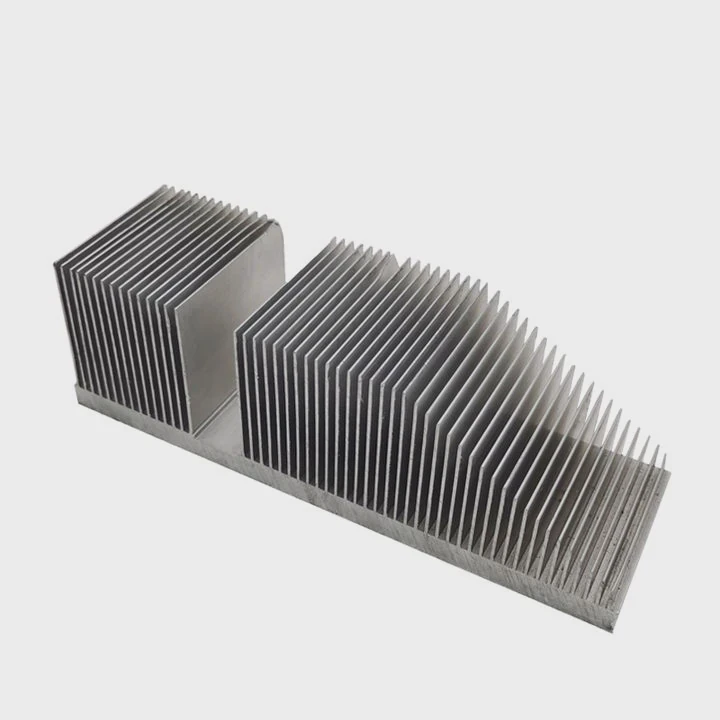
In simple terms, air is easy but limited. It works well for low heat loads. Liquid cooling is more complex but handles far more energy efficiently.
Key comparison table
| Feature | Air Cooling | Liquid Cooling |
|---|---|---|
| Cooling medium | Air | Coolant (water, glycol, or dielectric fluid) |
| Heat transfer rate | Low | Very high |
| Noise level | High (fans) | Low (pumps) |
| Space requirement | Larger heat sinks | Compact heat plates |
| Maintenance | Minimal | Moderate |
| Efficiency | Limited by air temperature | Much higher |
| Scalability | Small systems | Large and high-density systems |
Why this matters
In my lab tests, air cooling reaches a limit around 200 W of thermal load. Beyond that, air cannot remove heat fast enough without huge fans or bulky fins. Liquid systems, however, can easily handle over 1000 W, keeping components well within safe ranges.
Air can only absorb so much energy before it becomes saturated. Liquid, on the other hand, carries heat away through circulation, maintaining stable performance.
What advantages does liquid cooling provide?
Many people switch to liquid cooling not for style, but for results.
Liquid cooling provides higher efficiency, lower noise, better temperature control, and improved reliability under heavy workloads.
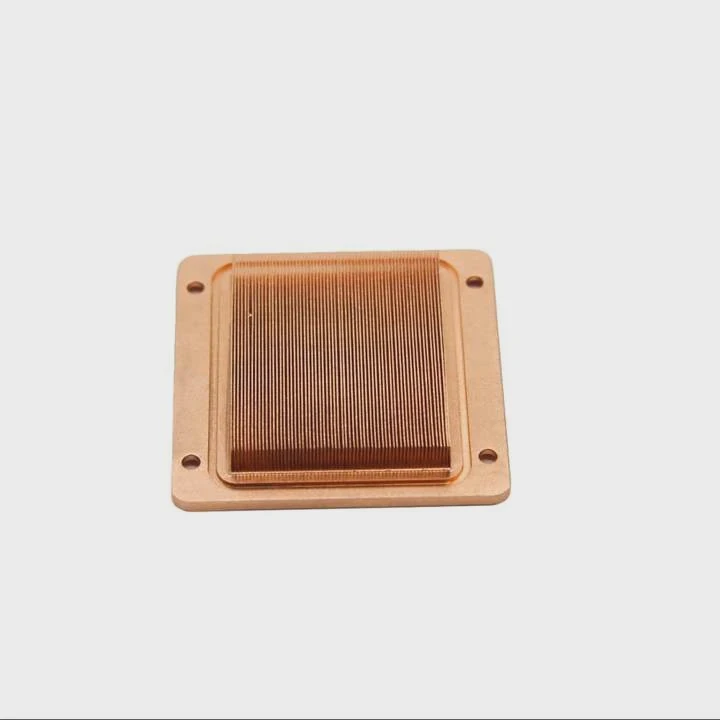
When I first integrated liquid cooling into a high-performance power converter, the temperature dropped by over 20°C compared to air cooling. That single change improved reliability and extended product life by 30%.
Major advantages
1. Higher heat transfer efficiency
Liquid conducts heat up to 1000 times better than air. This means smaller temperature gaps between the heat source and the environment. It prevents overheating even under peak loads.
2. Compact design
Because it removes heat efficiently, liquid cooling allows smaller heat exchangers and tighter component layouts. This is key for electric vehicles, servers, and aerospace applications where every millimeter counts.
3. Quiet operation
Fans create noise and vibration. Pumps are smoother and quieter, especially when using magnetic or brushless designs. Many engineers appreciate the silence in data centers and medical devices.
4. Better temperature stability
Liquid cooling avoids sudden temperature spikes. This stability improves precision in electronics, lasers, and semiconductor tools.
5. Scalability
Once the system is sealed, it can expand easily. By adding larger radiators or parallel cooling loops, you can scale to higher power levels.
Example: Industrial cooling results
| Application | Cooling Type | Avg. Temp (°C) | Power Load (W) | Efficiency Gain |
|---|---|---|---|---|
| 5G base station | Air | 78 | 500 | – |
| 5G base station | Liquid | 56 | 500 | +28% |
| EV inverter | Air | 85 | 1200 | – |
| EV inverter | Liquid | 60 | 1200 | +30% |
The data clearly shows how liquid cooling brings cooler operation and better efficiency, translating into longer component life and lower failure rates.
How to apply it effectively?
Designing an effective liquid cooling system is not just about adding coolant. It’s about planning every step—from materials to layout and maintenance.
To apply liquid cooling effectively, you must design for flow, avoid air pockets, ensure tight seals, and match coolant properties to the system’s needs.
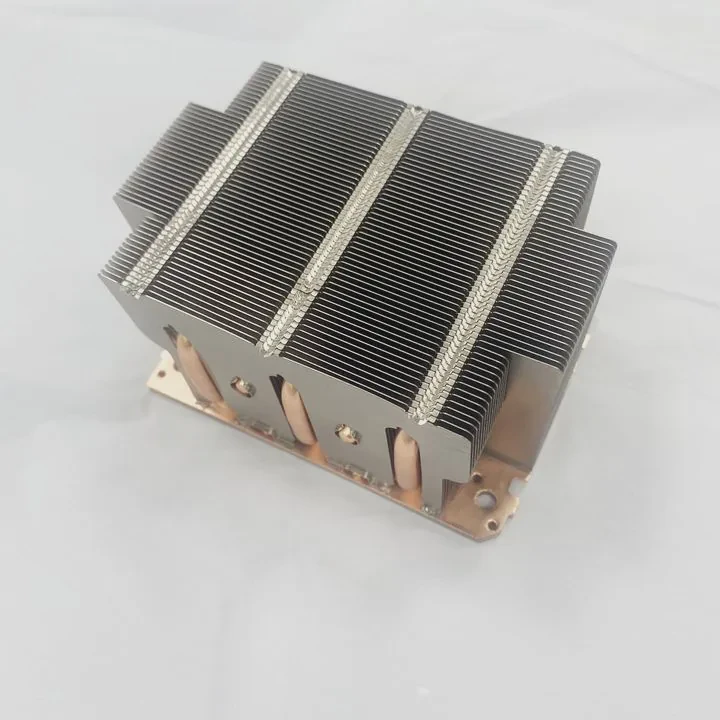
When I help design thermal systems, I follow a clear structure. Proper flow design and reliable materials make all the difference.
Core design steps
- Identify heat sources: Measure total thermal load.
- Choose coolant type: Water, glycol mix, or dielectric fluid.
- Plan flow path: Direct coolant from the hottest to the coolest areas.
- Avoid air pockets: Use bleed valves and vertical mounting.
- Ensure sealing: Choose O-rings or gaskets suitable for pressure and temperature.
- Select pump and radiator: Match flow rate and cooling capacity.
- Add sensors: For flow rate, temperature, and pressure.
Practical design tips
- Keep the loop short and minimize bends.
- Place the pump below the reservoir to prevent dry runs.
- Use corrosion-resistant materials such as aluminum or stainless steel.
- Design for easy maintenance with quick-disconnects.
When implemented well, the system becomes stable, quiet, and easy to manage. You can leave it running for years with only basic checks.
Common mistakes to avoid
- Using mixed metals (causes corrosion)
- Overfilling coolant (creates pressure)
- Ignoring air bubbles (reduces flow)
- Skipping leak tests (risk of failure)
Good design always saves time later.
What are the innovations in cooling performance?
Liquid cooling has advanced rapidly in recent years. Modern systems are far beyond simple water blocks and radiators.
New materials, two-phase systems, microchannel plates, and smart adaptive control have greatly boosted cooling performance and reliability.
When I toured a thermal R&D center last year, I saw systems using phase-change cooling combined with liquid loops. They reached over 5000 W/m·K equivalent conductivity—something air cooling could never approach.
Key innovations
1. Microchannel cold plates
These have tiny internal passages that increase surface area, enhancing heat transfer. Used in semiconductors and EV batteries.
2. Two-phase cooling
The coolant changes from liquid to vapor, carrying away large amounts of heat through phase transition. It works efficiently even with small flow rates.
3. Dielectric fluids
These allow direct immersion of electronics in non-conductive coolant, eliminating heat sinks and fans.
4. Smart flow control
AI-based controllers adjust pump speed and valve position based on load and temperature, optimizing energy use.
5. Advanced materials
Aluminum alloys, graphite composites, and ceramic coatings improve thermal conductivity while preventing corrosion.
Comparing traditional and modern liquid cooling
| Feature | Traditional Liquid Cooling | Modern Innovations |
|---|---|---|
| Coolant type | Water/glycol | Dielectric or phase-change fluids |
| Heat transfer structure | Tubes and plates | Microchannel and vapor chambers |
| Control system | Fixed speed | Smart adaptive control |
| Material | Copper/aluminum | Composite and ceramic |
| Thermal conductivity | ~500 W/m·K | Up to 5000 W/m·K |
These innovations are changing entire industries. Data centers are switching to immersion systems. EV manufacturers are embedding microchannels into battery packs. Even consumer electronics are moving toward sealed, maintenance-free liquid cooling.
The road ahead
In the next few years, we will likely see hybrid systems that combine air and liquid, adapting to demand in real time. These will deliver high performance, low noise, and minimal energy waste—all with near-zero maintenance.
Conclusion
Liquid cooling is better than air because it handles more heat, works quietly, and scales easily. With smart design and new technologies, it delivers stable, powerful, and efficient cooling for the next generation of systems.
TAGS
Latest Articles

Volume discount levels for heat sink orders?
Buyers often ask when heat sink prices start to drop with volume. Many worry they’re overpaying for small orders. This guide explains how B2B volume pricing works for thermal components. Heat sink
21 Dec,2025
Heat sink long-term supply contract options?
Many buyers want stable pricing and reliable delivery for heat sinks. But without a clear contract, risks grow over time. This article explores how to secure better long-term supply deals. Long-term
21 Dec,2025
Tooling cost for new heat sink profiles?
Many engineers struggle to understand why tooling for custom heat sinks costs so much. They worry about budgeting and production timelines. This article breaks down the cost drivers behind tooling.
21 Dec,2025
Heat sink custom sample process steps?
Sometimes, starting a custom heat sink project feels overwhelming—too many steps, too many unknowns, and too many risks. You want a sample, but not endless delays. The process for requesting and
20 Dec,2025
Standard B2B terms for heat sink payments?
When buyers and sellers in B2B heat sink markets talk about payment, many don’t fully understand what’s standard. This can lead to delayed orders, miscommunication, and even lost business
20 Dec,2025
Heat sink pricing factors for large orders?
Heat sinks are vital for many systems. When prices rise, projects stall and budgets break. This problem can hit teams hard without warning. Large order heat sink pricing depends on many factors. You
20 Dec,2025Related Articles
- Is AIO liquid cooling worth it?
- Is a 120mm liquid cooler enough?
- Are liquid-cooled computers quieter?
- Is liquid cooling good?
- What is the difference between air cooling and liquid cooling?
- Is 120mm Liquid Cooling Enough?
- Is liquid cooler necessary?
- Does i9 Need Liquid Cooling?
- What happens when liquid is cooled?
- Is liquid cooling or air cooling better?
- What liquid is used for immersion cooling?
- How often to replace liquid cooling?
Author
Dr. Emily Chen
Chief AI Researcher
Leading expert in thermal dynamics and AI optimization with over 15 years of experience in data center efficiency research.
Categories
Latest Products






Recommend Categories
- Liquid cooling plate Manufacturer
- Industrial Heat Sink Manufacturer
- Standard Heat Sink Manufacturer
- Aluminum Heat Sink Manufacturer
- Copper Heat Sink Manufacturer
- Anodized Heatsink Manufacturer
- Stamping heat sink Manufacturer
- Die Casting Heatsink Manufacturer
- Soldering heat sink Manufacturer
- CNC Parts Manufacturer
Latest Products
- Wholesale Aluminum Radiator
- Water Cooling Plate Kit
- Water Cooling Heat Sink
- Water Cooling Heat Sink Kit
- Stainless Steel Water Distributor
- Server Water Cooling Plate Kit
- Server Liquid Cooling System
- Server Aluminum Cooling Kit
- S19 Full Cover Cooling Plate
- S19 Cooling Plate Kit
- S19 Aluminum Cooling Plate
Contact Expert
Have questions about this article? Reach out to our experts directly.