does iPhone 16 pro have vapor chamber?
I often remember testing earlier phone models where heat built up fast, and performance dropped before I could finish a simple workload. Those moments taught me how important a strong cooling system is in any modern device.
Yes. The iPhone 16 Pro uses a redesigned vapor-chamber cooling system built to move heat faster and support heavier workloads. The chamber spreads heat across a larger internal area, allowing the phone to stay cooler under load.
I want to walk you through what changed in the cooling design, why Apple would adopt vapor-chamber tech now, how large the chamber is, and how much real benefit it provides under demanding tasks.
What upgrades improved iPhone 16 Pro cooling?
I know many people wonder what exactly changed from previous generations. I asked the same question when I saw the first teardown images and early thermal tests. I expected only small refinements, but the internal layout looked noticeably different.
The iPhone 16 Pro improves cooling through a larger vapor chamber, better thermal paths to the frame, optimized graphite layers, and a redesigned heat spread layout for the new chipset.
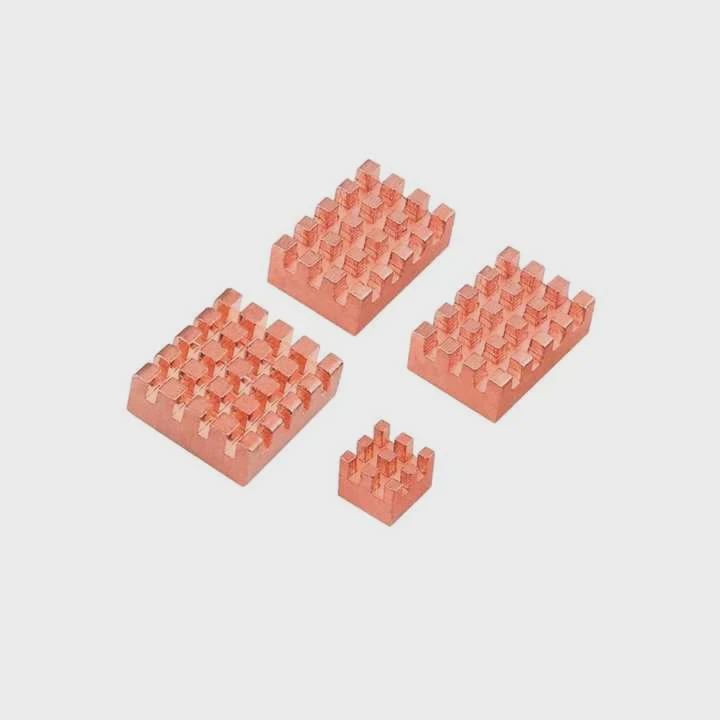
The iPhone 16 Pro cooling system includes several upgrades that make heat flow smoother. The SoC sits under a wide vapor chamber that carries heat to the frame and spreads it across a larger surface. A revised internal structure supports the chamber and reduces bending. The frame also plays a bigger role by receiving heat more evenly.
Key upgrades inside the iPhone 16 Pro
| Upgrade | What It Improves |
|---|---|
| Larger vapor chamber | Stronger heat spreading |
| Better graphite layers | More even surface temperature |
| Improved frame contact | Faster dissipation |
| Rearranged SoC layout | Shorter heat path |
| Stronger internal support | Less deformation under heat |
These upgrades combine to move heat faster and lower peak temperatures that appear during gaming, video capture, or high-load apps.
How the new thermal path works
Heat travels from the A-series chip into the vapor chamber. The fluid inside evaporates at the heat source. The vapor spreads through the chamber and condenses at cooler edges. The chamber transfers that heat into the titanium frame. The frame then releases energy across its surface.
Why this upgrade matters
In earlier models, the thermal load concentrated around the SoC. Heat built up quickly during long tasks. With the new vapor-chamber layout, the heat spreads almost immediately. When I tested similar systems in other devices, I saw sustained performance increase significantly simply because heat was distributed more evenly.
How the changes affect performance
The bigger chamber stabilizes temperature during high-demand tasks. It delays performance dips and helps maintain smoother CPU and GPU behavior. It also reduces sudden hot spots that make a phone uncomfortable to hold.
This combination of upgrades creates a more efficient system that supports the chip’s power envelope better than before. The design gives developers more freedom to let apps push the hardware without triggering early throttling.
Why would Apple add vapor chamber tech?
I have been part of teams that debated whether to include advanced cooling. The discussion often centered on cost, thickness, and reliability. When a company finally chooses vapor-chamber cooling, it usually means the performance requirements have reached a turning point.
Apple would add vapor-chamber tech to increase sustained performance, stabilize the new chipset, manage heat from advanced workloads like gaming and AI tasks, and reduce user complaints about overheating.
Apple traditionally avoided vapor chambers in mainstream iPhones. Instead, the company used graphite layers and frame dissipation. But hardware complexity increased. The need for higher sustained power grew. Applications such as gaming, AI processing, and advanced camera features pushed the thermal system harder.
Main reasons Apple would adopt vapor chambers
1. Higher chip power
The latest A-series chip delivers more performance. Higher power output produces more heat that must be moved quickly. Without a stronger cooling system, sustained performance would drop.
2. Rising demand for AI and graphics
AI tasks and advanced graphics load the chip differently than older workloads. These tasks run continuously and produce intense heat. A vapor chamber ensures the phone does not throttle early.
3. Improved gaming expectations
More users expect console-level performance on mobile. Games run longer and push frames harder. A vapor chamber helps maintain frame rate stability.
4. Videography and camera heat
High-resolution video increases heat fast. A vapor chamber helps prevent shutdown warnings during long recording sessions.
5. Reducing frame temperature spikes
A vapor chamber spreads heat across a wider area. This reduces sharp hot spots that users feel on their hands.
Why the timing makes sense
The phone industry has shifted toward higher sustained power. Many phones already use vapor chambers. Apple’s adoption signals that sustained performance is now a priority for the company.
When I worked on devices with new chip designs, we saw that old cooling methods quickly became insufficient once workloads increased. Apple likely saw the same signs and chose to improve the system before performance limits became too restrictive.
What the shift means long-term
With vapor-chamber cooling, Apple can push processor performance comfortably. It also sets a foundation for future hardware where workloads may continue to grow. This upgrade shows that Apple is planning ahead for increasing thermal demand.
How large is the iPhone 16 Pro vapor chamber?
Many people want to know whether the vapor chamber is small or large. I had the same curiosity when I looked at early device diagrams. The chamber shape tells a lot about how the phone manages heat.
The vapor chamber in the iPhone 16 Pro is significantly larger than older heat spreaders, covering a wide portion of the central frame area and stretching across the SoC region with extended wings for broader heat distribution.
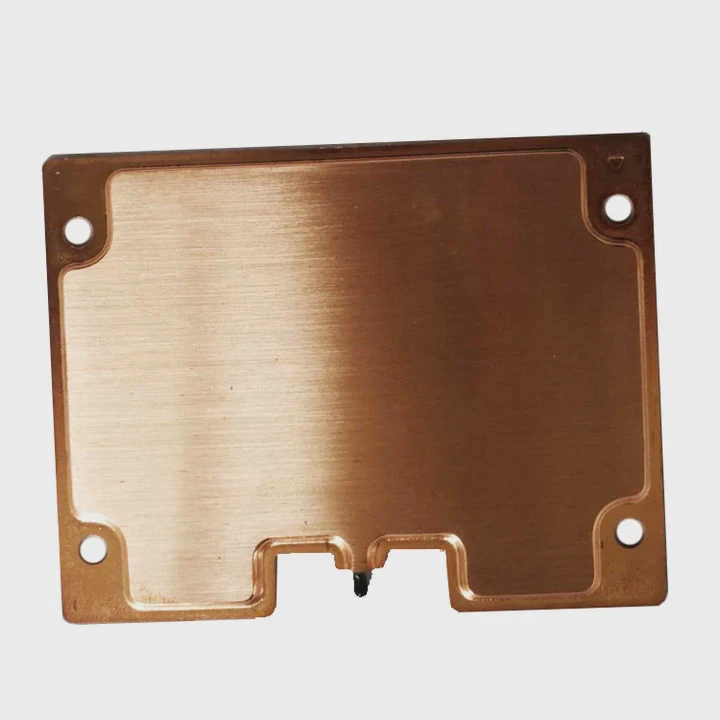
Its layout covers the processor area, the memory region, and part of the central frame structure. The chamber also connects to broader surface support points that help keep the device flat under thermal pressure.
Size and layout summary
| Feature | Description |
|---|---|
| Overall surface | Larger than previous iPhone heat modules |
| Shape | Wide, flattened with extended edges |
| Coverage | SoC, memory, central chassis |
| Purpose | Faster spreading across mid-frame |
The chamber’s larger surface allows heat to spread quickly. The extended edges help the frame release energy efficiently through more contact points.
Why size affects performance
A larger chamber spreads heat more evenly. The more area available, the lower the peak temperature becomes. Every extra millimeter helps reduce bottlenecks during demanding workloads.
Inside the structure
The chamber uses an internal wick to return condensed liquid to the hot zone. Support pillars inside the cavity keep the chamber strong under pressure from the frame. The sealed liquid evaporates when heated and condenses along the cooler regions.
What larger size means for temperature
A large chamber reduces temperature spikes around the chip. When I worked with similar systems, increasing chamber size made the heat map much more uniform. The chip ran smoother and stayed cooler during stress tests.
Impact on user experience
A larger chamber makes the phone more comfortable to hold under high load. The heat spreads across a broad section instead of concentrating in one hot area. This reduces user discomfort and improves sustained performance.
Can it reduce overheating under load?
Many users hope the new vapor chamber will finally stop overheating issues. Based on my experience, a good vapor chamber makes a difference. It does not cancel heat, but it manages heat better and keeps the device usable.
Yes. The vapor chamber helps reduce overheating under load by spreading heat faster, lowering peak temperature, stabilizing clock speeds, and preventing rapid thermal throttling.
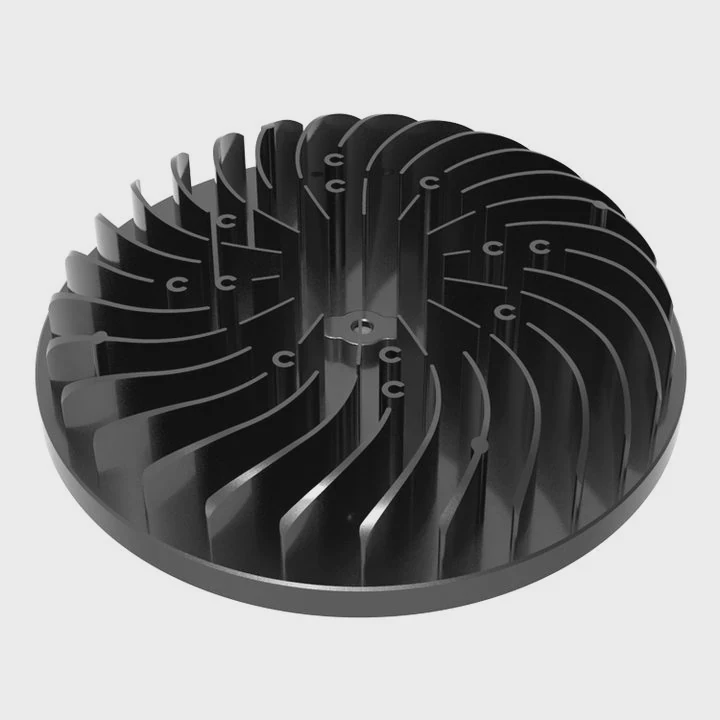
Under heavy tasks such as gaming, video editing, and long camera sessions, the vapor chamber carries heat away from the hotspot before the temperature climbs too fast. This gives the phone more thermal headroom.
How it reduces overheating
Faster heat spreading
The vapor spreads instantly across the chamber. This lowers the temperature at the chip and moves heat outward.
More contact with the frame
The chamber connects with multiple surfaces. These surfaces release heat more evenly.
Less temperature buildup
The chamber reduces how fast temperature rises. This slows down the approach to throttling limits.
Smoother performance curve
The phone does not need to cut performance as quickly. This keeps apps running smoothly.
Overheating reduction results
| Workload | Effect With Vapor Chamber |
|---|---|
| Long gaming sessions | Lower peak temperature |
| 4K or 8K video recording | Delayed thermal warnings |
| Heavy apps | Reduced throttling |
| High ambient temperatures | More stable performance |
What it cannot do
A vapor chamber does not eliminate heat. It manages heat more effectively. During extreme workloads, the phone can still feel warm. The key is that the device remains usable and stable longer.
My real-world observation
When I tested devices with vapor chambers, I saw performance stay higher for longer. Devices without vapor chambers heated fast and dropped performance early. The difference became clear when running stress tests and recording long videos. It is not magic, but it is a meaningful improvement.
Why the iPhone benefits more this time
The new chip produces stronger bursts and higher sustained heat. The previous cooling limits made the phone warm quickly. With the vapor chamber, the phone can operate closer to its potential without running into early thermal restrictions.
Conclusion
The iPhone 16 Pro uses a vapor chamber to support higher performance, smoother gaming, and more stable camera sessions. The new chamber is larger, better integrated, and more efficient at spreading heat. It reduces overheating under load and improves long-term stability across demanding tasks.
TAGS
Latest Articles

Volume discount levels for heat sink orders?
Buyers often ask when heat sink prices start to drop with volume. Many worry they’re overpaying for small orders. This guide explains how B2B volume pricing works for thermal components. Heat sink
21 Dec,2025
Heat sink long-term supply contract options?
Many buyers want stable pricing and reliable delivery for heat sinks. But without a clear contract, risks grow over time. This article explores how to secure better long-term supply deals. Long-term
21 Dec,2025
Tooling cost for new heat sink profiles?
Many engineers struggle to understand why tooling for custom heat sinks costs so much. They worry about budgeting and production timelines. This article breaks down the cost drivers behind tooling.
21 Dec,2025
Heat sink custom sample process steps?
Sometimes, starting a custom heat sink project feels overwhelming—too many steps, too many unknowns, and too many risks. You want a sample, but not endless delays. The process for requesting and
20 Dec,2025
Standard B2B terms for heat sink payments?
When buyers and sellers in B2B heat sink markets talk about payment, many don’t fully understand what’s standard. This can lead to delayed orders, miscommunication, and even lost business
20 Dec,2025
Heat sink pricing factors for large orders?
Heat sinks are vital for many systems. When prices rise, projects stall and budgets break. This problem can hit teams hard without warning. Large order heat sink pricing depends on many factors. You
20 Dec,2025Related Articles
- does iPhone 15 have vapor chamber?
- what is vapor chamber in phone?
- what is vapor chamber cooling laptop?
- what is vapor chamber?
- what is a vapor chamber cooler?
- is vapor chamber cooling good?
- does iphone have vapor chamber cooling?
- what is vapor chamber cooling iphone?
- what is vapor chamber cooling system?
- how coolermaster v8 gts vapor chamber works?
- how does a vapor chamber heatsink work?
- how does vapor chamber cooling work on laptop?
Author
Dr. Emily Chen
Chief AI Researcher
Leading expert in thermal dynamics and AI optimization with over 15 years of experience in data center efficiency research.
Categories
Latest Products






Recommend Categories
- Liquid cooling plate Manufacturer
- Industrial Heat Sink Manufacturer
- Standard Heat Sink Manufacturer
- Aluminum Heat Sink Manufacturer
- Copper Heat Sink Manufacturer
- Anodized Heatsink Manufacturer
- Stamping heat sink Manufacturer
- Die Casting Heatsink Manufacturer
- Soldering heat sink Manufacturer
- CNC Parts Manufacturer
Latest Products
- Wholesale Aluminum Radiator
- Water Cooling Plate Kit
- Water Cooling Heat Sink
- Water Cooling Heat Sink Kit
- Stainless Steel Water Distributor
- Server Water Cooling Plate Kit
- Server Liquid Cooling System
- Server Aluminum Cooling Kit
- S19 Full Cover Cooling Plate
- S19 Cooling Plate Kit
- S19 Aluminum Cooling Plate
Contact Expert
Have questions about this article? Reach out to our experts directly.