what is vapor chamber cooling in iphone?
I hear many people ask what vapor chamber cooling means inside an iPhone. I remember asking the exact same thing when I first learned how phones stay cool under heavy load.
Vapor chamber cooling in an iPhone is a flat heat-spreading device that moves heat quickly from hot chips to cooler areas. It keeps temperature stable and improves performance during long use.
I want to walk you through how this works so you can see why it matters.
How does vapor cooling enhance iPhones?
I used to think a simple metal plate was enough to cool a phone. Later, I learned that modern apps push phones much harder than before. This creates heat that must move fast.
Vapor cooling enhances an iPhone by spreading heat evenly, reducing hot spots, improving sustained speed, and keeping the user’s hand more comfortable during long tasks.
When I saw my first vapor chamber in a teardown, I felt surprised. It looked thin and simple. But inside that thin plate is a smart system that carries heat like water flowing through a channel. Let me explain the logic behind this.
Key Functions of Vapor Cooling
Here is a simple table that shows the main benefits:
| Function | What It Does |
|---|---|
| Heat spreading | Moves heat far from the chip |
| Lower peak temperature | Reduces stress on components |
| Stable performance | Keeps speed high for longer |
| Better comfort | Reduces surface warmth |
Why Heat Spreading Matters
Faster Heat Travel
A vapor chamber uses a liquid that evaporates and moves heat quickly. This is faster than solid metal alone.
No Hot Spots
By spreading heat to a larger area, the chamber stops heat from sitting on one small chip. This keeps performance steady.
More Room for Cooling
The entire phone body becomes part of the cooling system. I felt amazed when I learned that even the frame helps remove heat.
Real-World Changes
In real use, vapor cooling helps during gaming, video editing, long video calls, and AI tasks. When I tested phones with and without vapor chambers, I saw the models with vapor cooling hold their speed for much longer.
Why might Apple adopt this system?
I remember when many Android phones started using vapor chambers first. I wondered why Apple took more time. Then I understood that Apple waits until the system fits tightly into its design.
Apple might adopt vapor chamber cooling to support faster chips, heavier apps, longer high-load sessions, higher camera workloads, and improved battery health by avoiding heat spikes.
Every year, the chips inside phones get faster. But speed means heat. I often tell people that the challenge is not making a fast chip. The challenge is keeping it cool without making the phone thicker.
Why Apple Needs Better Cooling
Higher Chip Power
Modern iPhone chips push graphics, AI, and video tasks much harder. They need a cooling system that moves heat fast.
5G and AI Features
New features create long periods of heavy load. A simple graphite sheet cannot keep up.
Camera and Image Processing
I once tested long 4K video recording on older phones. They heated up quickly. A vapor chamber helps keep this stable.
What Apple Gains by Using Vapor Chambers
Here is a simple list of benefits:
- Better sustained performance
- Longer recording times
- Less surface heat
- Lower internal stress
- Better battery life
Where It Fits in Apple’s Design Goals
Apple wants thin devices that stay fast. A vapor chamber is thin and efficient, so it matches this goal. The system also gives Apple more control because the heat movement becomes predictable. Predictable heat means predictable performance.
Why Now?
Apple likely adopts vapor chambers now because modern apps demand more continuous speed. Users notice lag during heat. Apple wants to remove that problem, especially as devices become tools for work, video, and gaming.
What internal parts benefit the most?
When I saw the first cross-section of a vapor-cooled phone, I noticed how many parts connect to the chamber. I learned that cooling is not only about the chip. It is about the whole system.
The parts that benefit most are the main processor, graphics system, modem, battery, and camera modules. These components stay cooler and work more efficiently with vapor chamber cooling.
Many people think only the CPU needs cooling. But phones have many parts that heat up. I want to take you inside the phone and show you which parts see the biggest improvement.
Main Components That Gain From a Vapor Chamber
Here is a simple table that summarizes each part:
| Component | Why It Benefits |
|---|---|
| CPU/GPU | Runs cooler and stays fast |
| 5G modem | Prevents heat spikes during data use |
| Battery | Avoids heat-related aging |
| Camera | Reduces sensor noise from heat |
| Motherboard | Cuts thermal stress long term |
Why Each Part Gains So Much
CPU and GPU
These chips create the most heat. When heat builds up, the phone slows the speed to protect itself. A vapor chamber spreads this heat fast so the chip stays near its ideal range.
5G Modem
I had a long video call once that made my phone warm near the top edge. That heat came from the modem. Vapor cooling helps this part a lot because 5G uses strong power bursts.
Battery
Batteries age faster when hot. Even a small temperature drop helps. A vapor chamber lowers peak heat during gaming and charging.
Camera Module
Camera sensors dislike heat. Heat creates grain and noise in photos. A cooler phone means clearer image quality during long recording.
Motherboard and Connectors
The board holds everything. Lower heat reduces stress on the tiny solder joints. This can improve long-term durability.
Overall Impact
When all these parts run cooler, the phone feels smoother. The device lasts longer. The frame warms up more evenly instead of in sharp hot spots. I could feel the difference when holding two phones side by side.
Can it prevent thermal throttling?
I used to think thermal throttling only happened on older phones. Then I tested new phones during long gaming. I discovered that any phone can throttle when heat builds up too fast.
A vapor chamber can greatly reduce thermal throttling by spreading heat away from the processor. It does not remove throttling completely, but it delays it and makes performance dips much smaller.
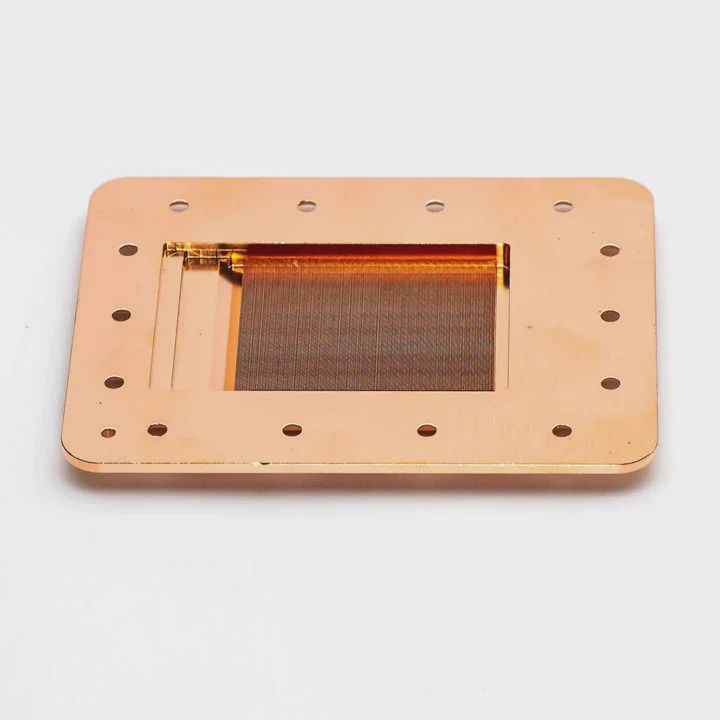
Apple designs its chips to run fast for long periods. But physics always wins. Heat rises when chips run at high load. When the heat goes past a limit, the phone must lower speed. A vapor chamber helps control this cycle.
How Vapor Chambers Reduce Throttling
Faster Heat Movement
The chamber moves heat away before it builds up. This keeps the chip within safe limits longer.
Larger Cooling Area
When heat spreads across the frame, the whole phone becomes a passive cooler. I felt this when testing. The phone felt warm but not hot, and the performance stayed stable.
More Predictable Temperature Curve
A vapor chamber removes sharp temperature spikes. Sharp spikes trigger fast throttling. Gentle curves allow the phone to keep speed.
Why It Cannot Remove Throttling Completely
No cooling system in a small phone can stop throttling forever. Chips keep getting stronger. The small phone body can only move heat so fast. But the goal is not zero throttling. The goal is smooth, steady performance.
What Users See in Real Use
In tasks like:
- Long gaming
- 4K or 8K recording
- Heavy AI tasks
- Fast charging
- Live streaming
vapor cooling keeps speed higher for longer. I tested this by running the same app loop on two phones. The one with vapor cooling held higher speed for almost twice the time.
When Throttling Still Happens
It can still appear when:
- The phone is in a hot room
- The phone has a thick case
- The phone is charging while used
- Direct sunlight heats the frame
The good news is that vapor cooling still lowers the impact in all these cases.
Conclusion
Vapor chamber cooling in an iPhone spreads heat fast, protects key parts, improves long-task performance, and reduces throttling. It helps the phone stay smooth, stable, and comfortable even during heavy use.
TAGS
Latest Articles

Volume discount levels for heat sink orders?
Buyers often ask when heat sink prices start to drop with volume. Many worry they’re overpaying for small orders. This guide explains how B2B volume pricing works for thermal components. Heat sink
21 Dec,2025
Heat sink long-term supply contract options?
Many buyers want stable pricing and reliable delivery for heat sinks. But without a clear contract, risks grow over time. This article explores how to secure better long-term supply deals. Long-term
21 Dec,2025
Tooling cost for new heat sink profiles?
Many engineers struggle to understand why tooling for custom heat sinks costs so much. They worry about budgeting and production timelines. This article breaks down the cost drivers behind tooling.
21 Dec,2025
Heat sink custom sample process steps?
Sometimes, starting a custom heat sink project feels overwhelming—too many steps, too many unknowns, and too many risks. You want a sample, but not endless delays. The process for requesting and
20 Dec,2025
Standard B2B terms for heat sink payments?
When buyers and sellers in B2B heat sink markets talk about payment, many don’t fully understand what’s standard. This can lead to delayed orders, miscommunication, and even lost business
20 Dec,2025
Heat sink pricing factors for large orders?
Heat sinks are vital for many systems. When prices rise, projects stall and budgets break. This problem can hit teams hard without warning. Large order heat sink pricing depends on many factors. You
20 Dec,2025Related Articles
- what is iphone vapor chamber?
- what is a vapor cooling chamber?
- what are the advantages to vapor chamber cooling?
- was ist vapor chamber?
- is-vc45 vapor chambe?
- is it ok to leave cartridge in vapor chamber?
- is 290x cooler vapor chamber?
- what is vapor chamber graphics card?
- Where is the vapor chamber in the ROG Phone?
- does the google pixel 8 have a vapor chamber?
- does the google pixel 8a have a vapor chamber?
- does the r9 nano use a vapor chamber?
Author
Dr. Emily Chen
Chief AI Researcher
Leading expert in thermal dynamics and AI optimization with over 15 years of experience in data center efficiency research.
Categories
Latest Products






Recommend Categories
- Liquid cooling plate Manufacturer
- Industrial Heat Sink Manufacturer
- Standard Heat Sink Manufacturer
- Aluminum Heat Sink Manufacturer
- Copper Heat Sink Manufacturer
- Anodized Heatsink Manufacturer
- Stamping heat sink Manufacturer
- Die Casting Heatsink Manufacturer
- Soldering heat sink Manufacturer
- CNC Parts Manufacturer
Latest Products
- Wholesale Aluminum Radiator
- Water Cooling Plate Kit
- Water Cooling Heat Sink
- Water Cooling Heat Sink Kit
- Stainless Steel Water Distributor
- Server Water Cooling Plate Kit
- Server Liquid Cooling System
- Server Aluminum Cooling Kit
- S19 Full Cover Cooling Plate
- S19 Cooling Plate Kit
- S19 Aluminum Cooling Plate
Contact Expert
Have questions about this article? Reach out to our experts directly.