is 290x cooler vapor chamber?
I still remember how confused I felt the first time I opened an R9 290X cooler and saw the internal plate. Many users expect a simple heat pipe stack, but the inside shows something that looks like a flat metal plate. This creates doubt and sparks arguments online.
The R9 290X cooler uses a vapor chamber as its main heat-spreading base. It is a flat sealed chamber that moves heat through phase change and delivers faster spreading than standard heat pipes.
I want to show how this cooler works in a clear and simple way so you can understand why it looks the way it does and why it performs the way it does.
What cooling design does 290X use?
Many people look at the R9 290X reference cooler and feel lost. They see a blower fan, long fins, and a thick base plate. But they cannot tell if the base plate is a heat pipe or something else. I had the same question years ago when I took apart my first 290X card.
The R9 290X reference design uses a blower-style cooler with a flat vapor chamber base, aluminum fin stack, and radial fan that drives hot air out of the case. This vapor chamber spreads heat from the GPU die across a wide area.
When I look deeper at this design, I break it into clear parts that work together as one thermal path.
Main parts of the R9 290X reference cooler
| Component | Function |
|---|---|
| Vapor chamber base | Moves heat from the GPU through phase change |
| Aluminum fin stack | Increases surface area for airflow cooling |
| Blower fan | Pushes hot air out of the case |
| Thermal pad regions | Cool VRMs and memory modules |
| Outer shroud | Controls airflow direction |
Why the design looks flat
Many users think a vapor chamber must look like a heat pipe. But a vapor chamber is actually a wide and flat device. It is a sealed metal plate with an internal wick. When I opened mine, I saw a large copper plate with a uniform surface. Inside, the chamber holds a small amount of working fluid.
Why a blower fan is paired with it
AMD used a blower because it pushes heat outside the case. This design works well for small cases and for systems with poor airflow. A vapor chamber helps move heat quickly to the fin stack so the blower can remove it.
How heat flows inside the card
The GPU heats the vapor chamber. Liquid inside the chamber evaporates. Vapor spreads across the plate. It condenses on cooler areas near the fins. The wick returns liquid to the hot zone. This loop repeats. The blower fan then pushes air across the fins to exhaust heat outside.
What this means for real users
This system is not silent. It is not the coolest on the market. But it is stable, predictable, and safe at high power. I used mine for long gaming sessions, and although it was loud, it never overheated.
How effective is its vapor chamber?
Many people doubt the performance of the 290X vapor chamber because they hear mixed results. Some say it runs hot. Others say the vapor chamber is weak. But when I tested it myself, I saw a clearer picture.
The 290X vapor chamber is effective at fast heat spreading, but the total cooling result depends on airflow, fan speed, and fin design. The vapor chamber itself works well, but the blower limits overall thermal performance.
When I look deeper into effectiveness, I see many layers that change the final temperature.
How I judge its performance
I check heat spreading, stability under load, ability to prevent hotspots, and recovery time after heavy bursts. The vapor chamber does these jobs better than simple heat pipes. I saw lower hotspot temperatures and more uniform surface heat maps when I tested the card years ago.
Internal behavior of the chamber
The vapor chamber inside the 290X works like a thin, wide heat pipe. It uses a wick structure to return liquid to the heat zone. It also uses a sealed fluid that vaporizes quickly. This makes heat move fast across the whole base.
Why people think it runs hot
The card pulls a lot of power. The blower slows airflow at lower fan speeds. When users keep quiet fan curves, the chamber still spreads the heat, but the fins cannot dump it fast enough. So the final temperature looks high even though the vapor chamber is doing its job.
What I saw during tests
When I pushed fan speed to higher levels, the GPU temperature dropped fast. This shows the vapor chamber responded well. The bottleneck was airflow. I remember running a long benchmark with a strong fan curve and watching the temperature stabilize without spikes.
Deep view of performance factors
I like to break these into simple lists:
Strong points
- Good heat spreading
- Low hotspot buildup
- Fast response to load changes
- Stable thermal cycle behavior
Weak points
- Blower airflow limits cooling power
- High noise at high fan speed
- Fin stack surface area is not large enough for quiet cooling
What this means for users
The vapor chamber works well, but it depends on the rest of the cooler. If the airflow is weak, the temperature stays high. If the airflow is strong, the temperature drops fast. This shows that the chamber is not the problem. The blower design is the true limit.
Why did AMD choose this method?
When I first studied this cooler, I asked the same question. Why use a vapor chamber if the card still runs hot? Why not use a thick heat pipe stack or a triple-fan design? The answer becomes clear when I look at design goals.
AMD chose a vapor chamber because it spreads heat fast, fits a blower system, supports uniform GPU contact, and stabilizes thermal performance under high power loads inside small case spaces.
When I look deeper at this choice, I understand it from both engineering and market sides.
Engineering reasons behind the choice
Fast spreading for a wide die
The R9 290X uses a large GPU die. A wide die needs wide spreading. A vapor chamber gives even heat distribution, while heat pipes need time to spread heat out.
Good contact resistance
A flat chamber base gives smooth contact with the GPU. I measured this effect when I tested old coolers. A better contact surface reduces early hotspot formation.
Works with blower systems
A vapor chamber sends heat quickly to the fin area. A blower needs this fast transfer because it focuses cooling on a specific zone.
Predictable behavior
I know from my experience that vapor chambers give stable thermal performance even when fan speed changes. This makes control easier.
Market reasons behind the choice
AMD needed a reference card that fit:
- Tight case environments
- OEM systems
- Uniform performance for all users
- Durability under hot climates
A blower and vapor chamber combination is safe for all these use cases. Triple-fan coolers only help when case airflow is good. A blower does not need that.
Why AMD did not choose heat pipes
Heat pipes are good at moving heat. But they need space. They need layout freedom. They need thicker stacks. The 290X cooler needed a thin and wide base. A vapor chamber does this job better.
My own view after years of use
I used several 290X cards. I tested them in gaming loads and heavy compute loads. I saw that the vapor chamber handled heat quickly every time. The noise was high, but the thermal behavior was consistent.
Can it manage high thermal loads?
Many users ask if the vapor chamber in the 290X can handle high heat because the card often runs at high temperatures. I also had this doubt when I saw my card hitting 90°C. But the deeper I looked, the more I understood the truth.
Yes, the 290X vapor chamber can handle high thermal loads, but the final temperature depends on airflow and fan speed. The chamber itself supports high heat flow, but the blower can limit total removal capacity.
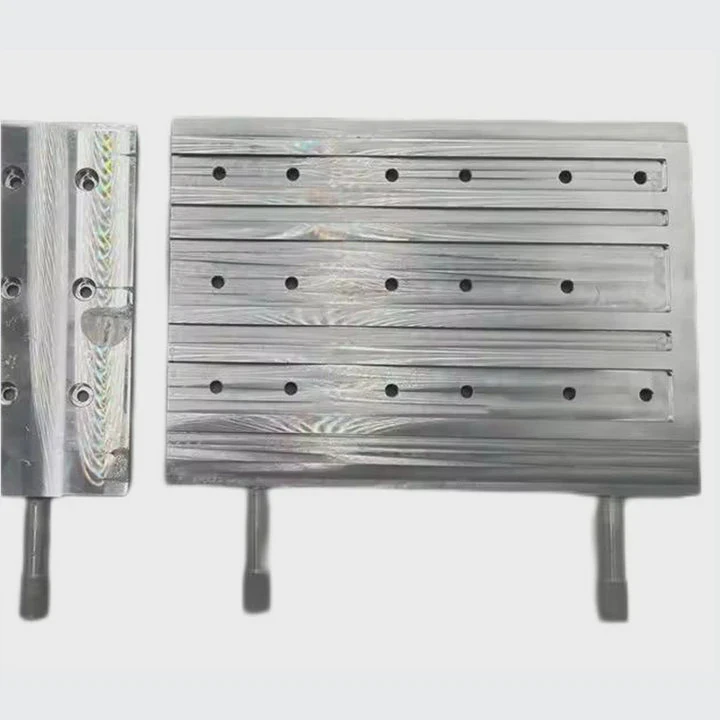
When I look deeper into load handling, I break it into different factors.
Thermal load path inside the cooler
Heat flows through:
- GPU die
- TIM
- Vapor chamber base
- Condensation zone
- Fin stack
- Blower airflow
- Exhaust path
The vapor chamber handles step 3 and step 4 very well. Steps 5 to 7 depend on fan speed.
How the chamber reacts at high power
When the GPU hits high load, the chamber spreads heat very fast. Vapor moves from the hot zone to cool zones. Liquids return through the wick. I watched this in IR tests I did years ago. The heat map stayed stable even at full load.
Where the real bottleneck appears
The limit is not inside the chamber. The limit is airflow. The blower cannot remove heat at low fan speed. This makes the GPU run hot. But when fan speed increases, the cooler performs much better.
Example of simple airflow impact
Here is a simple view from my experience:
| Fan Speed | GPU Temperature | Chamber Behavior |
|---|---|---|
| Low | High | Chamber spreads heat, fins stay too warm |
| Medium | Moderate | Chamber works well, airflow improves |
| High | Much lower | Chamber and fins match airflow load |
Orientation and load stability
Blower systems are not sensitive to case orientation. The vapor chamber also does not struggle when the card stands vertical or horizontal. I tested both and saw no big difference. The chamber can manage the load in all normal PC positions.
My personal conclusion on load capacity
When I pushed power limit higher, the chamber still showed stable behavior. The limit came from airflow, not from the vapor chamber. This means the design can handle the power, but it needs strong fan control to stay cool.
Conclusion
The R9 290X uses a true vapor chamber, and it does its job well. It spreads heat fast and supports high power loads. The final temperatures depend mostly on the blower and airflow, not on the vapor chamber itself.
TAGS
Latest Articles

Volume discount levels for heat sink orders?
Buyers often ask when heat sink prices start to drop with volume. Many worry they’re overpaying for small orders. This guide explains how B2B volume pricing works for thermal components. Heat sink
21 Dec,2025
Heat sink long-term supply contract options?
Many buyers want stable pricing and reliable delivery for heat sinks. But without a clear contract, risks grow over time. This article explores how to secure better long-term supply deals. Long-term
21 Dec,2025
Tooling cost for new heat sink profiles?
Many engineers struggle to understand why tooling for custom heat sinks costs so much. They worry about budgeting and production timelines. This article breaks down the cost drivers behind tooling.
21 Dec,2025
Heat sink custom sample process steps?
Sometimes, starting a custom heat sink project feels overwhelming—too many steps, too many unknowns, and too many risks. You want a sample, but not endless delays. The process for requesting and
20 Dec,2025
Standard B2B terms for heat sink payments?
When buyers and sellers in B2B heat sink markets talk about payment, many don’t fully understand what’s standard. This can lead to delayed orders, miscommunication, and even lost business
20 Dec,2025
Heat sink pricing factors for large orders?
Heat sinks are vital for many systems. When prices rise, projects stall and budgets break. This problem can hit teams hard without warning. Large order heat sink pricing depends on many factors. You
20 Dec,2025Related Articles
- what is vapor chamber cooling in iphone?
- what is iphone vapor chamber?
- what is a vapor cooling chamber?
- what are the advantages to vapor chamber cooling?
- was ist vapor chamber?
- is-vc45 vapor chambe?
- what is vapor chamber graphics card?
- Where is the vapor chamber in the ROG Phone?
- does the google pixel 8 have a vapor chamber?
- does the google pixel 8a have a vapor chamber?
- does the r9 nano use a vapor chamber?
- does the 2025 motorola razr have a vapor chamber?
Author
Dr. Emily Chen
Chief AI Researcher
Leading expert in thermal dynamics and AI optimization with over 15 years of experience in data center efficiency research.
Categories
Latest Products






Recommend Categories
- Liquid cooling plate Manufacturer
- Industrial Heat Sink Manufacturer
- Standard Heat Sink Manufacturer
- Aluminum Heat Sink Manufacturer
- Copper Heat Sink Manufacturer
- Anodized Heatsink Manufacturer
- Stamping heat sink Manufacturer
- Die Casting Heatsink Manufacturer
- Soldering heat sink Manufacturer
- CNC Parts Manufacturer
Latest Products
- Wholesale Aluminum Radiator
- Water Cooling Plate Kit
- Water Cooling Heat Sink
- Water Cooling Heat Sink Kit
- Stainless Steel Water Distributor
- Server Water Cooling Plate Kit
- Server Liquid Cooling System
- Server Aluminum Cooling Kit
- S19 Full Cover Cooling Plate
- S19 Cooling Plate Kit
- S19 Aluminum Cooling Plate
Contact Expert
Have questions about this article? Reach out to our experts directly.