Manual servicing for Vapor Chamber models
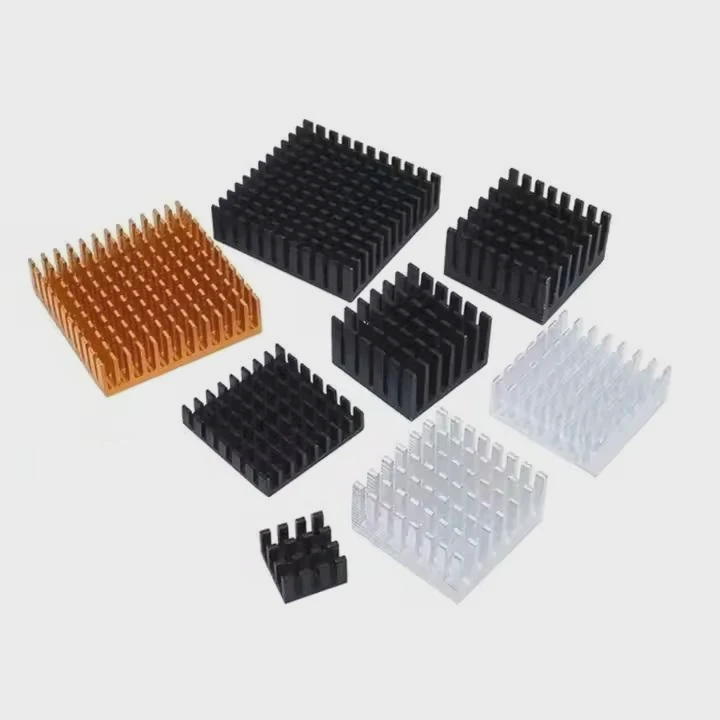
Even though vapor chambers are usually sealed units, some specialized systems or long-term applications may require manual servicing. Proper guidance, clear procedures, and careful handling are key to avoid damage. This article explores whether servicing manuals exist, what servicing steps might involve, whether non-specialists can attempt servicing, and whether suppliers provide training materials.
A well-prepared servicing manual — combined with correct tools and care — can make maintenance possible. But for most vapor chambers, servicing remains difficult and risky.
Are there manuals available for Vapor Chamber servicing?
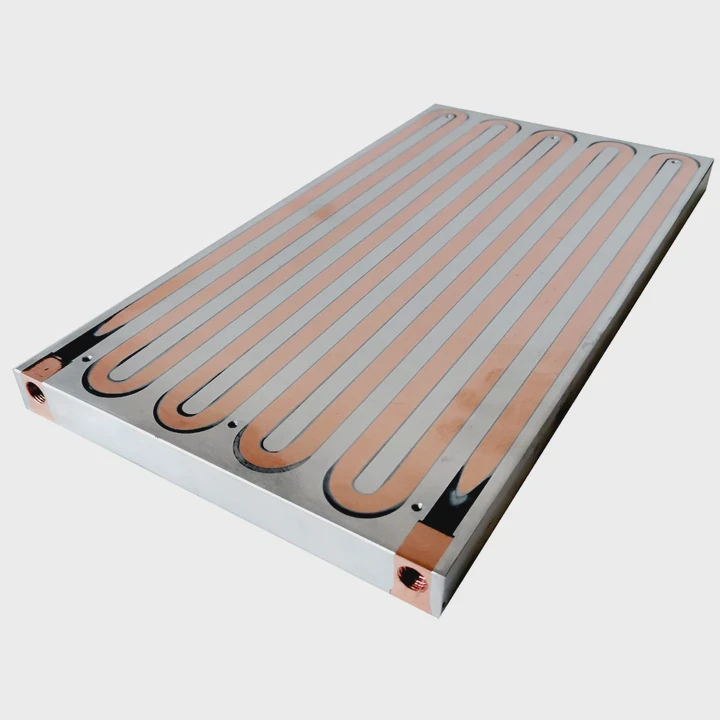
Whether a servicing manual is available depends heavily on the supplier and the type of vapor chamber. For standard sealed units, most suppliers treat them as “no-service” products — so they rarely provide user manuals for internal servicing. Instead they supply datasheets, installation guides, and handling instructions.
When manuals might exist
- For custom or large-scale vapor chambers supplied to industrial clients. In such cases, the manufacturer sometimes provides a full service manual covering installation, maintenance checks, cleaning, leak detection, and long-term care.
- For systems incorporating vapor chambers — e.g. liquid-cooled modules, racks, or heat-sink assemblies — service manuals often cover the entire system, including vapor chamber handling.
- For R&D or prototype vapor chambers — when the chamber is designed for testing, rework, or experimentation, documentation may include instructions for disassembly, fluid refill, leak check, or resealing.
What typical manual content covers
Commonly included in service or maintenance documentation:
- Handling precautions (static, moisture, mechanical shock)
- Recommended tools for mounting, cleaning, inspection
- Surface flatness and contact requirements
- Thermal paste or pad application instructions
- Recommended environmental storage conditions
But even when such manuals exist, they rarely provide instructions for internal disassembly, wick replacement, or weld rework — because those require specialized equipment and controlled conditions.
What steps are in a typical servicing procedure?
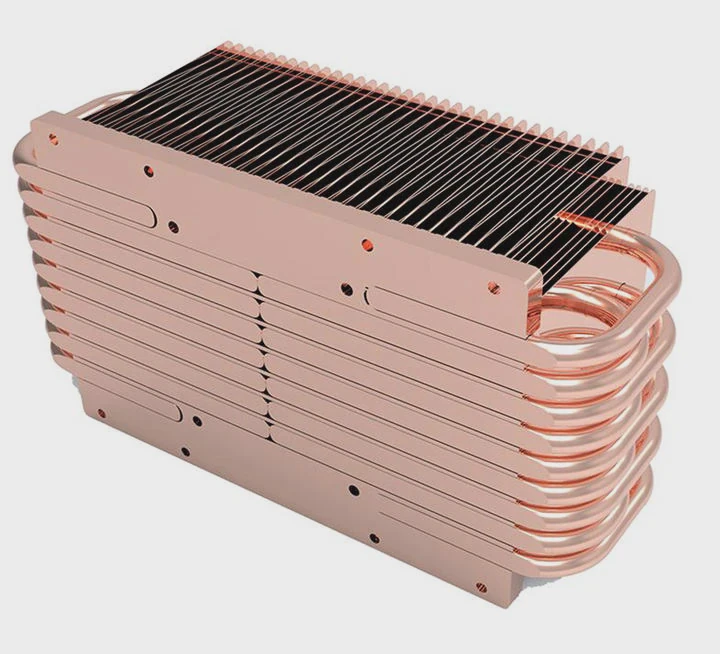
For vapor chambers that are considered serviceable (custom, modular, or in controlled systems), a typical servicing procedure might follow the steps below. This procedure is not suitable for standard sealed vapor chambers — but rather for those designed with servicing in mind.
Typical servicing workflow
1. Preparation and safety check
- Clean workbench, ESD protection (anti‑static mat, gloves), dust‑free environment.
- Gather tools: torque driver, leak tester, vacuum pump (if applicable), thermal paste, cleaning materials, humidity indicator, flatness gauge.
- Inspect external surfaces and packaging for damage before unpacking.
2. Initial inspection
- Visual inspection of outer shell for dents, scratches, weld‑seams integrity.
- Flatness check of baseplate — using straight edge or feeler gauge.
- Surface cleaning — remove dust, oxidation, contamination.
3. Leak or vacuum integrity test
- If chamber has serviceable port: apply vacuum or pressure, monitor for pressure change over time.
- Use leak detection methods (e.g. tracer gas, pressure decay, soap-bubble on seam) if applicable.
4. If leak free — clean and re‑apply interface materials
- Clean contact surfaces with lint‑free wipes and isopropyl alcohol.
- Re‑apply thermal paste or pad per specification.
- Ensure mounting brackets or hardware are in good condition.
5. Re-assembly with proper torque and mounting alignment
- Use calibrated torque driver. Tighten mounting bolts in cross-/diagonal pattern gradually.
- After mounting, verify flatness or contact across baseplate again.
6. Performance validation test
- Run thermal load test under controlled conditions. Monitor temperature spread, hot spots, performance relative to specification.
- Check for performance drop or thermal anomalies — may indicate internal fluid or wick problem.
7. Documentation and traceability update
- Record service date, batch/serial number, test results, torque settings, cleaning actions, and any observations.
- Store records for future maintenance or quality tracking.
Example procedure table
| Step | Action | Purpose |
|---|---|---|
| 1 | Clean workspace + gather tools | Prevent contamination or damage |
| 2 | Visual & flatness inspection | Detect external deform or damage |
| 3 | Leak/vacuum test | Verify internal integrity |
| 4 | Surface clean + TIM re‑apply | Ensure thermal contact |
| 5 | Re‑mount with correct torque | Prevent mechanical stress |
| 6 | Thermal load test | Confirm heat transfer performance |
| 7 | Record & archive results | Maintain traceability |
Note again: this workflow applies only if the vapor chamber design supports service — with accessible ports, re-sealable cavity, or modular assembly. Most commercial units are sealed and lack these features.
Can non-specialists safely perform servicing?
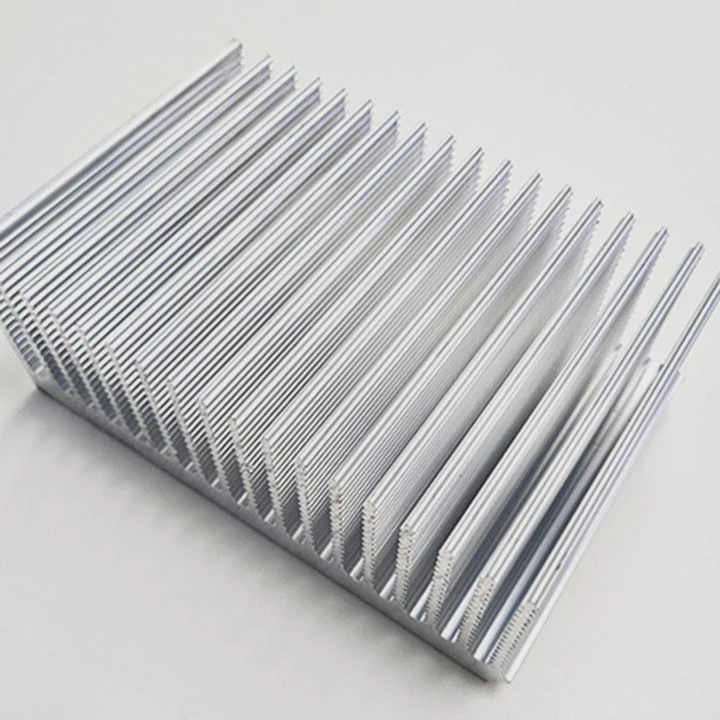
In general, no — non-specialists should not attempt full servicing (internal repair) of standard sealed vapor chambers. The internal structure — wick, fluid charge, vacuum — is delicate and requires controlled environment and specialized equipment for maintenance. Attempting to open or re‑seal likely voids performance and warranty.
When non-specialist servicing might work — limited to external maintenance
Non-specialists can safely perform external maintenance steps, assuming they have basic tools and follow procedures carefully:
- Cleaning external surfaces
- Re‑seating the chamber with correct torque and thermal interface materials
- Inspecting for external damage, corrosion, or contamination
- Checking mounting hardware and mechanical fixtures
These tasks do not breach internal cavity integrity, so risk remains low if properly done.
Risks when non-specialists attempt deep servicing
| Risk | Potential Consequence |
|---|---|
| Breaking welds/seals | Loss of vacuum → chamber failure |
| Contaminating internal fluid/wick | Reduced capillary action, poor heat transfer |
| Warping shell or baseplate | Poor thermal contact, performance drop |
| Inconsistent fluid fill or pressure | Vapor instability, thermal inefficiency |
Because of these risks, deep servicing of vapor chambers should remain in the hands of trained professionals with appropriate clean‑room and vacuum/re‑seal equipment.
Thus, for most users: external maintenance is possible; internal servicing is not recommended.
Do suppliers provide servicing training materials?
Some suppliers offer extra support for large clients or OEM partners. This may include servicing training materials or maintenance kits — typically when vapor chambers are part of a larger cooling system, or when supply includes long-term maintenance contracts.
What suppliers might provide:
- Installation and maintenance manuals — describing mounting, cleaning, re‑seating, inspection, and performance verification
- Recommended tool lists — torque drivers, cleaning supplies, leak‑test kits, TIM, protective gloves
- Setup guidelines for workshops — recommended environment conditions, documentation procedures, safety guidelines
- Training slides or videos — for assembly line personnel, maintenance staff, or system integrators
- Spare‑part kits — mounting bolts, brackets, interface pads, gasket materials (if system design includes such components)
Such materials are more common for custom or bulk orders. For small, standard orders — consumer electronics or small‑batch deliveries — suppliers rarely invest in providing servicing documentation beyond installation instructions.
What to expect from supplier training support
| Support Type | Typical Offering |
|---|---|
| Installation manual | PDF or printed guide with torque and installation specs |
| Maintenance checklist | Cleaning schedule, inspection intervals, recommended tools |
| Technical consultation | Email or call support for mounting or troubleshooting |
| Spare hardware supply | Brackets, screws, TIM materials if requested |
Before ordering, customers should clarify with supplier whether servicing documentation and support is included — especially when vapor chambers will be part of long-term or critical systems.
Conclusion
Manual servicing of vapor chambers is a delicate matter. For standard sealed units, internal maintenance is impractical and risky. Non-specialists should confine themselves to external upkeep — cleaning, re‑mounting, and inspection. Full servicing — including leak checks, re‑sealing, or fluid recharge — requires specialized equipment, clean environments, and professional expertise.
If a system requires long-term maintenance, prioritizing a supplier who offers proper servicing documentation, training materials, and spare-part support is wise. For most applications, treating the vapor chamber as a sealed, high‑precision module and scheduling full unit replacement when failure appears remains the safest and most reliable strategy.
TAGS
Latest Articles

Volume discount levels for heat sink orders?
Buyers often ask when heat sink prices start to drop with volume. Many worry they’re overpaying for small orders. This guide explains how B2B volume pricing works for thermal components. Heat sink
21 Dec,2025
Heat sink long-term supply contract options?
Many buyers want stable pricing and reliable delivery for heat sinks. But without a clear contract, risks grow over time. This article explores how to secure better long-term supply deals. Long-term
21 Dec,2025
Tooling cost for new heat sink profiles?
Many engineers struggle to understand why tooling for custom heat sinks costs so much. They worry about budgeting and production timelines. This article breaks down the cost drivers behind tooling.
21 Dec,2025
Heat sink custom sample process steps?
Sometimes, starting a custom heat sink project feels overwhelming—too many steps, too many unknowns, and too many risks. You want a sample, but not endless delays. The process for requesting and
20 Dec,2025
Standard B2B terms for heat sink payments?
When buyers and sellers in B2B heat sink markets talk about payment, many don’t fully understand what’s standard. This can lead to delayed orders, miscommunication, and even lost business
20 Dec,2025
Heat sink pricing factors for large orders?
Heat sinks are vital for many systems. When prices rise, projects stall and budgets break. This problem can hit teams hard without warning. Large order heat sink pricing depends on many factors. You
20 Dec,2025Related Articles
- How to extend Vapor Chamber service life?
- Common Vapor Chamber replacement parts?
- Typical after sales support for Vapor Chamber
- Warranty claim process for Vapor Chamber
- How long does a Vapor Chamber last?
- Maintenance tools for Vapor Chamber systems
- Vapor Chamber annual inspection guidelines?
- Common Vapor Chamber installation mistakes?
- Where to use Vapor Chamber effectively
- Vapor Chamber future development direction
- Vapor Chamber integration with AI hardware
- Low Carbon Vapor Chamber Manufacturing Trend
Author
Dr. Emily Chen
Chief AI Researcher
Leading expert in thermal dynamics and AI optimization with over 15 years of experience in data center efficiency research.
Categories
Latest Products






Recommend Categories
- Liquid cooling plate Manufacturer
- Industrial Heat Sink Manufacturer
- Standard Heat Sink Manufacturer
- Aluminum Heat Sink Manufacturer
- Copper Heat Sink Manufacturer
- Anodized Heatsink Manufacturer
- Stamping heat sink Manufacturer
- Die Casting Heatsink Manufacturer
- Soldering heat sink Manufacturer
- CNC Parts Manufacturer
Latest Products
- Wholesale Aluminum Radiator
- Water Cooling Plate Kit
- Water Cooling Heat Sink
- Water Cooling Heat Sink Kit
- Stainless Steel Water Distributor
- Server Water Cooling Plate Kit
- Server Liquid Cooling System
- Server Aluminum Cooling Kit
- S19 Full Cover Cooling Plate
- S19 Cooling Plate Kit
- S19 Aluminum Cooling Plate
Contact Expert
Have questions about this article? Reach out to our experts directly.