Heat sink export packaging requirements?
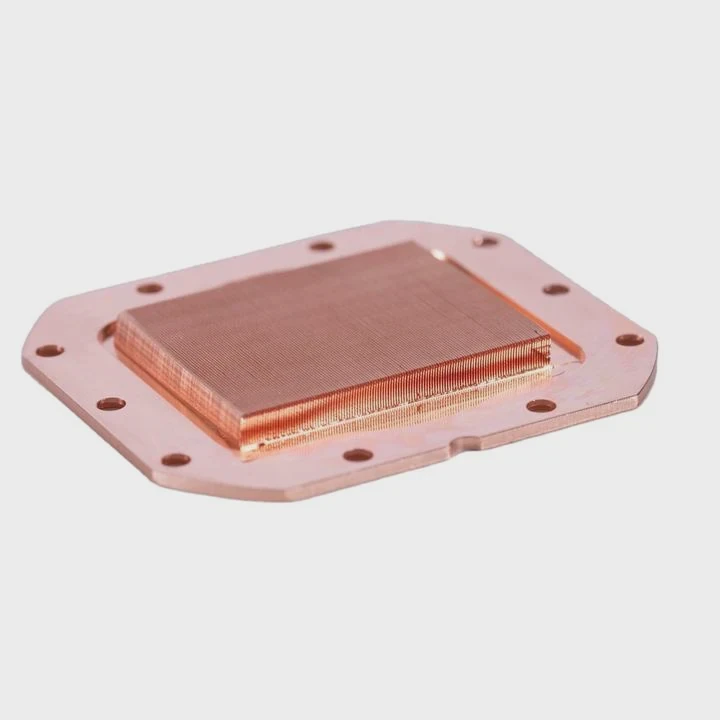
International shipping often leads to damaged heat sinks. Dents, bent fins, or surface scratches are common if packaging is not designed for global transit.
Export packaging must protect heat sinks from shock, vibration, moisture, and stacking forces. Proper protection avoids damage, delays, and customer complaints.
Global shipping is full of challenges. Heat sinks are metal parts, but they’re not immune to rough handling. Designing export packaging that survives long trips and customs is key to success.
What protection is needed for international shipping?
Poor packaging ruins expensive parts. A well-designed pack prevents movement, shock, and water from harming the goods. It must also handle stacking and inspection.
Export packaging needs a rigid outer box, custom foam inserts, desiccants for moisture, and clear labeling. Each layer of protection prevents a specific risk.
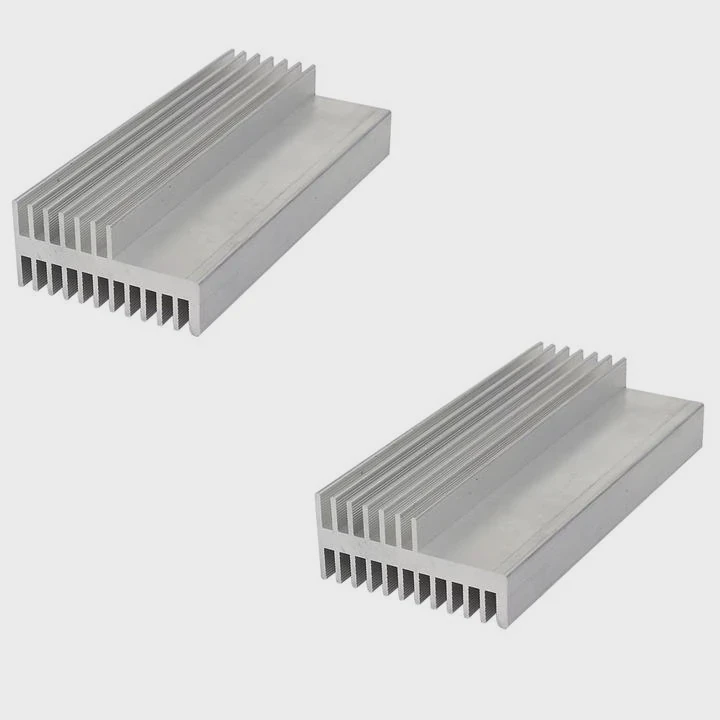
Shipping over borders means longer trips. Heat sinks may sit in warehouses, ports, or airports. Boxes are stacked high or dropped. That’s why exporters must plan for:
Typical risks during transit
| Risk Type | What It Does | Packaging Response |
|---|---|---|
| Shock & Drops | Breaks fins, dents base | Use foam and corner guards |
| Vibration | Loosens parts inside box | Secure with tight foam inserts |
| Humidity | Corrodes surface or causes oxidation | Add sealed bags and desiccants |
| Stacking Pressure | Crushes packaging | Use high ECT-rated outer boxes |
| Mishandling | Rough loading/unloading | Use clear labels and robust crates |
Protective components to include
- Foam inserts: Fit the heat sink shape and reduce movement.
- Outer carton: Must be export-grade corrugated board.
- Stretch wrap: Adds extra support for pallet loads.
- Silica gel packs: Prevent corrosion from trapped moisture.
- Edge protectors: Shield sharp sides and fragile parts.
Additional practices
- Include product photos in the packing list.
- Place warning labels like “Fragile”, “Keep Dry”, or “Do Not Stack”.
- Use QR codes for tracking and customs document access.
These elements reduce risk and improve customs clearance efficiency.
How are sharp fins safeguarded during transit?
Fins are thin and easy to bend. If they’re damaged, thermal performance suffers. Even slight deformation causes airflow problems or assembly issues.
Sharp fins must be isolated from movement and impact. Custom inserts, fin guards, and no-contact zones are essential.
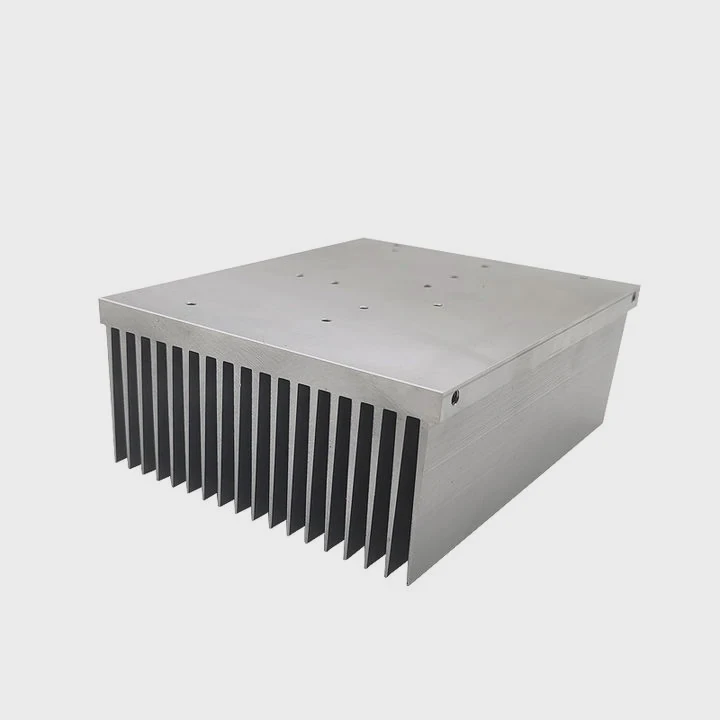
Fins don’t handle compression or pressure well. If they rub against a box or each other, they bend or snap.
Common fin protection methods
| Method | How It Works | Cost |
|---|---|---|
| Foam contour inserts | Matches heat sink shape | Medium |
| Plastic fin protectors | Clips directly onto fins | High |
| Edge cardboard guards | Shields corners and outer fins | Low |
| Bubble wrap separators | Reduces impact between multiple items | Low |
Packaging layout tips
- Vertical placement: Store heat sinks with fins upright.
- No contact rule: Ensure fins don’t touch the box wall or other items.
- Dedicated compartments: Use partitions in multi-unit packaging.
- Double-boxing: Use inner box with foam, then outer carton for transit shock.
Real-world protection example
A typical aluminum vapor chamber with tight fin spacing is first wrapped in antistatic film, then placed into foam fitted to its dimensions. The foam holds the base and allows space around fins. The inner foam goes into a box with moisture-absorbing packs. This whole set is boxed again in an export carton rated ECT-44 or higher.
Can anti-static packaging be necessary for heat sinks?
Some heat sinks ship alone. Others come attached to sensitive electronics. Static electricity can damage chips or control boards during shipping.
Anti-static packaging is required when heat sinks are connected to electronics, or packed near ESD-sensitive items. Bare aluminum units may not need it.
When is ESD packaging needed?
- Heat sink is part of a pre-assembled thermal module with PCB.
- Integrated sensors or fan modules are present.
- Customer specifications require ESD compliance.
- High-value or medical electronics are involved.
Types of anti-static solutions
| Solution Type | Description | Application |
|---|---|---|
| ESD Shielding Bags | Multi-layer bags that block electric fields | Wrap around full module |
| Pink Anti-Static Foam | Prevents static buildup | Inserts inside boxes |
| Conductive Film Wrap | Grounded plastic sheeting | Wraps around the unit |
| ESD Warning Labels | Visual cue for handlers | Outer box and pallets |
Layering ESD and mechanical protection
- Wrap product in ESD shielding bag.
- Place into anti-static foam cavity.
- Seal bag using conductive tape.
- Label with ESD handling instructions.
For customers in aerospace, defense or semiconductors, ESD packaging is not optional—it’s mandatory.
Which materials comply with global packaging rules?
Countries have rules about wood, plastics, and recycling. Shipping with wrong materials delays customs and increases cost.
Use recyclable corrugated boxes, treated wood, inert foams and ESD-safe plastics. Avoid banned foams or untreated wood.
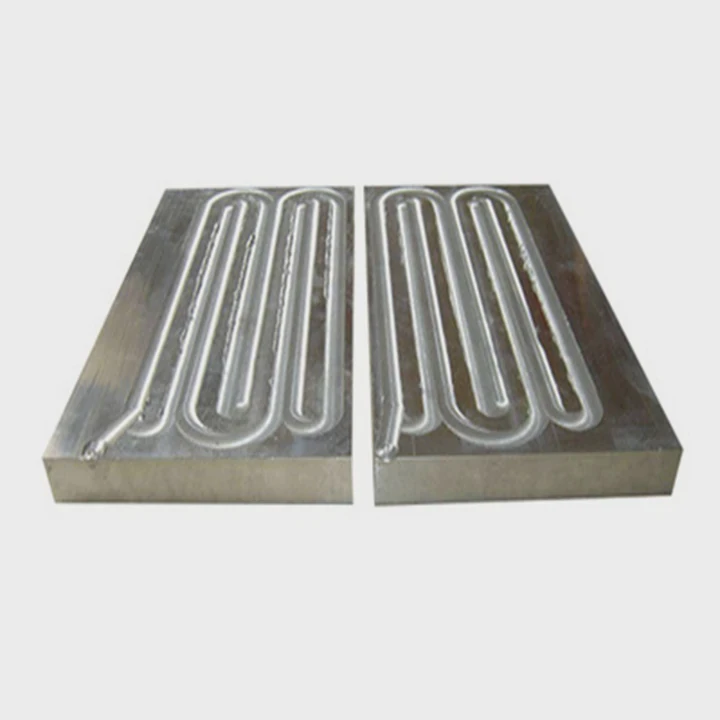
Export packaging rules to follow
- ISPM 15 for wood: All wooden pallets/crates must be heat-treated and stamped.
- Eco compliance: Avoid polystyrene peanuts (banned in EU, Japan).
- Recyclability: Many countries now charge extra for non-recyclable packaging.
Good materials for export
| Material Type | Compliance | Notes |
|---|---|---|
| Corrugated Cardboard | ✅ | Must meet ECT or burst strength rating |
| PE Foam | ✅ | Recyclable, clean, stable |
| Wood (HT-stamped) | ✅ | Only if ISPM 15 compliant |
| EPS (Styrofoam) | ❌ | Banned or restricted in many countries |
| PLA Films | ✅ | Biodegradable, used in some markets |
Labels and documentation
Every shipment should have:
- Packing list
- Commercial invoice
- Export license (if needed)
- Handling label
- Weight markings
- ISPM 15 stamp (if wooden materials used)
Missing documents or unclear markings are a leading reason for customs hold-ups.
Recommendations for exporters
- Check destination country packaging laws before dispatch.
- Include MSDS or environmental compliance sheets if required.
- Choose materials that align with customer sustainability goals.
Additional certifications
Depending on the industry, customers might ask for:
- RoHS compliance
- REACH declaration
- ISO 14001 proof for eco systems
Staying compliant avoids fines, rejected goods or reputational damage.
Conclusion
Export packaging for heat sinks requires more than a basic box. From impact protection to moisture control and compliance with international standards, every detail matters. Packaging right the first time reduces damage, keeps customers happy, and ensures smooth customs clearance.
TAGS
Latest Articles

Volume discount levels for heat sink orders?
Buyers often ask when heat sink prices start to drop with volume. Many worry they’re overpaying for small orders. This guide explains how B2B volume pricing works for thermal components. Heat sink
21 Dec,2025
Heat sink long-term supply contract options?
Many buyers want stable pricing and reliable delivery for heat sinks. But without a clear contract, risks grow over time. This article explores how to secure better long-term supply deals. Long-term
21 Dec,2025
Tooling cost for new heat sink profiles?
Many engineers struggle to understand why tooling for custom heat sinks costs so much. They worry about budgeting and production timelines. This article breaks down the cost drivers behind tooling.
21 Dec,2025
Heat sink custom sample process steps?
Sometimes, starting a custom heat sink project feels overwhelming—too many steps, too many unknowns, and too many risks. You want a sample, but not endless delays. The process for requesting and
20 Dec,2025
Standard B2B terms for heat sink payments?
When buyers and sellers in B2B heat sink markets talk about payment, many don’t fully understand what’s standard. This can lead to delayed orders, miscommunication, and even lost business
20 Dec,2025
Heat sink pricing factors for large orders?
Heat sinks are vital for many systems. When prices rise, projects stall and budgets break. This problem can hit teams hard without warning. Large order heat sink pricing depends on many factors. You
20 Dec,2025Related Articles
- Dimensional inspection methods for heat sink?
- Bonding methods to improve heat sink transfer?
- Heat sink machining standards for precision parts?
- what is the best CNC plasma cutter?
- How heat sink extrusion is manufactured?
- Heat sink usable in coastal high-humidity areas?
- Requirements for custom heat sink extrusion dies?
- Heat sink coating durability testing methods?
- Mechanical strength standards for heat sink?
- Heat sink RoHS compliance details?
- REACH document needs for heat sink?
- UL Certification Options for Heat Sink Products?
Author
Dr. Emily Chen
Chief AI Researcher
Leading expert in thermal dynamics and AI optimization with over 15 years of experience in data center efficiency research.
Categories
Latest Products






Recommend Categories
- Liquid cooling plate Manufacturer
- Industrial Heat Sink Manufacturer
- Standard Heat Sink Manufacturer
- Aluminum Heat Sink Manufacturer
- Copper Heat Sink Manufacturer
- Anodized Heatsink Manufacturer
- Stamping heat sink Manufacturer
- Die Casting Heatsink Manufacturer
- Soldering heat sink Manufacturer
- CNC Parts Manufacturer
Latest Products
- Wholesale Aluminum Radiator
- Water Cooling Plate Kit
- Water Cooling Heat Sink
- Water Cooling Heat Sink Kit
- Stainless Steel Water Distributor
- Server Water Cooling Plate Kit
- Server Liquid Cooling System
- Server Aluminum Cooling Kit
- S19 Full Cover Cooling Plate
- S19 Cooling Plate Kit
- S19 Aluminum Cooling Plate
Contact Expert
Have questions about this article? Reach out to our experts directly.