Vapor Chamber for underwater equipment?
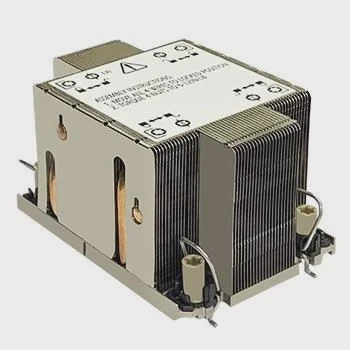
Underwater or submerged electronics often face both heat and humidity challenges. A vapor chamber (VC) seems attractive because of its high thermal spreading — but water outside adds real risk. Without proper sealing and materials, moisture could kill performance or cause corrosion. It’s a trade‑off between high heat spread and environmental risk.
Using a vapor chamber underwater is possible — but only if you ensure full waterproofing, corrosion resistance, and robust sealing of all seams and interfaces.
If you skip those precautions, the external water can breach the enclosure and destroy vacuum integrity or internal working fluid.
Can Vapor Chambers work in underwater or submerged equipment?
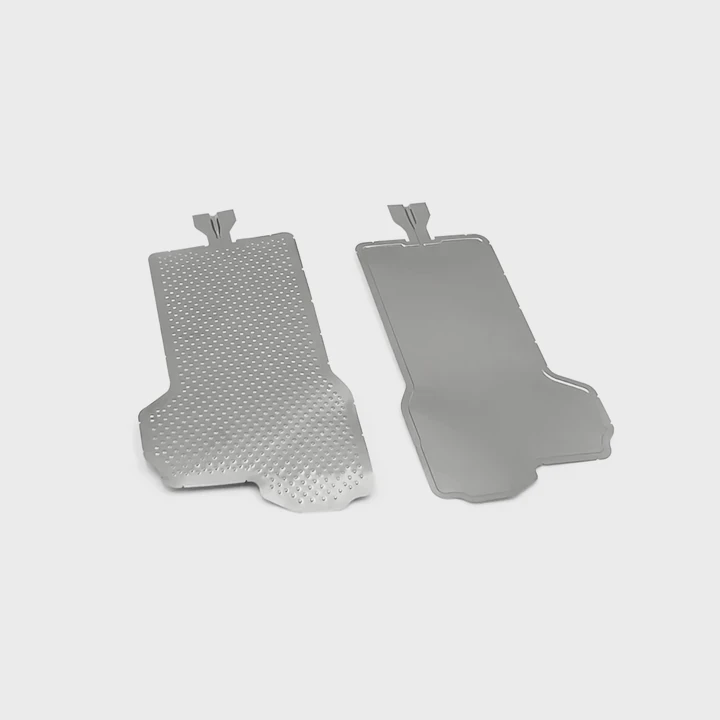
A vapor chamber excels at spreading heat over a flat area and lowering peak temperatures, which helps when space is tight or heat load is high.
Yes, vapor chambers can work in submerged environments if they remain sealed and protected from direct water contact.
In principle, that thermal benefit remains valid underwater. If the vapor chamber is placed inside a sealed enclosure, it can transfer heat internally. The key is that the VC must remain dry inside, and its surfaces should interface through sealed walls — not be exposed to direct liquid contact.
If exposed, the risk of vacuum breach, internal fluid loss, or corrosion becomes too high. That’s why waterproof integration is essential for submerged use.
What waterproofing or corrosion protection is required for underwater Vapor Chambers?
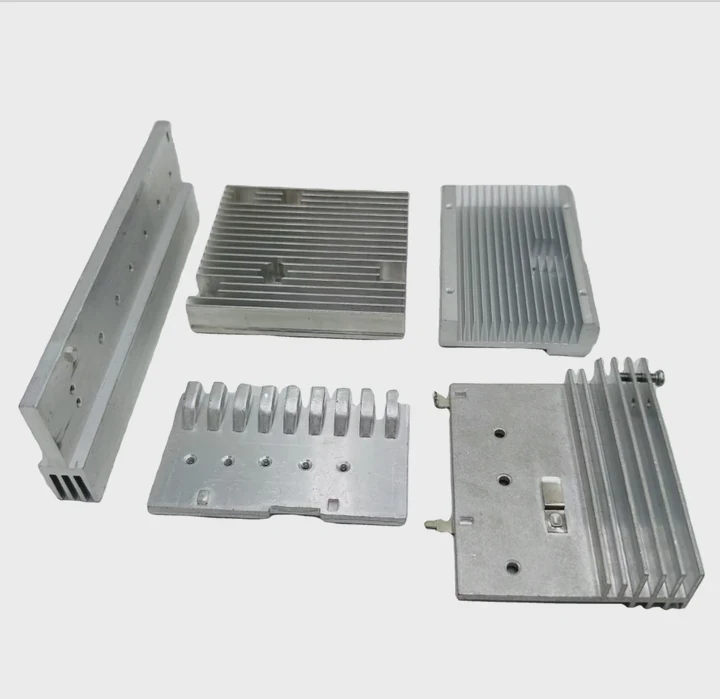
Water, especially salt water, corrodes unprotected metals. Vapor chambers used underwater need extra attention in sealing, coating, and housing design.
Waterproof enclosures, anti-corrosion coatings, and robust sealing methods are required to protect vapor chambers underwater.
Materials and Protection
| Requirement | Purpose |
|---|---|
| Corrosion-resistant metals | Reduce rust or decay from water exposure |
| Anti-corrosion coatings | Add surface layer protection |
| Fully sealed housings | Prevent water from entering VC area |
| Gaskets or O-rings | Seal joints and interfaces |
For safety, all sealing areas must be tested for water ingress. Even small leaks can lead to vacuum loss or working fluid contamination.
Are internal fluids and seals compatible with underwater use?
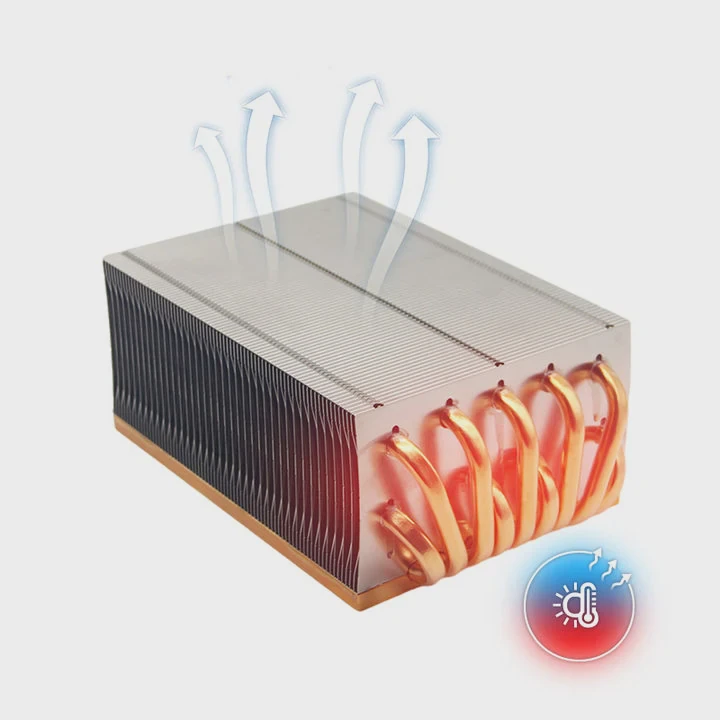
Some wonder if water outside can affect fluid inside. Since the internal environment is vacuum-sealed, there’s no direct fluid mixing — unless a leak occurs.
Yes, internal fluids and seals remain compatible as long as the vapor chamber stays completely sealed from the external water.
Seals must resist:
- External pressure from submersion
- Long-term material fatigue
- Saltwater or chemical exposure
Vapor chambers use weld seams or laser-bonded joints. If well-manufactured and enclosed properly, they hold up well. But poor sealing, corrosion, or pressure cycling can cause eventual breach.
Using compatible working fluids (like deionized water or safe refrigerants) is fine — as long as no external water enters the vapor core.
What challenges exist when using Vapor Chambers underwater?
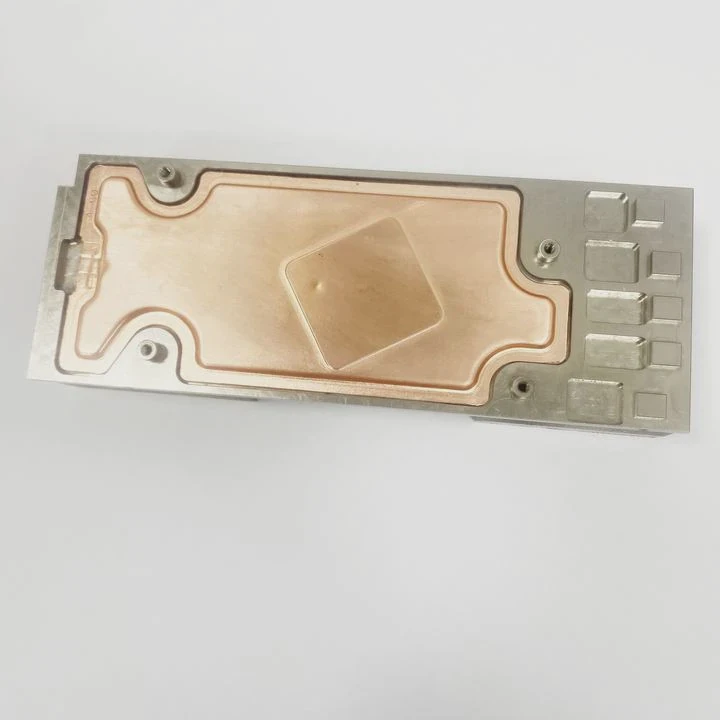
Designing underwater electronics is already complex. Adding vapor chambers introduces more variables in sealing, heat transfer, and long-term stability.
Major challenges include sealing under pressure, material corrosion, and testing reliability over time.
Common Design Challenges
| Challenge | Description |
|---|---|
| Leak risk | Any flaw in sealing could let water enter |
| Pressure stress | Underwater pressure may deform the chamber |
| Corrosion of joints | Water exposure degrades metals over time |
| Interface design | Hard to transfer heat across sealed layers |
| Maintenance difficulty | Replacing sealed vapor chambers is complex |
Most solutions involve enclosing the VC in a sealed, water-tight box. It must allow heat to pass to outer walls while fully isolating electronics and the chamber from water.
Underwater systems often add pressure testing and extended soak tests before deployment to ensure long-term reliability.
Conclusion
A vapor chamber can be used in underwater systems if it is properly protected. That means full sealing, corrosion-resistant materials, and isolation from direct water contact. While the internal fluid and wick remain functional, their performance depends on the integrity of external protection. The biggest risks are leaks, corrosion, and pressure damage. With proper engineering and testing, vapor chambers offer a compact and passive way to manage heat in sealed submerged systems.
TAGS
Latest Articles

Volume discount levels for heat sink orders?
Buyers often ask when heat sink prices start to drop with volume. Many worry they’re overpaying for small orders. This guide explains how B2B volume pricing works for thermal components. Heat sink
21 Dec,2025
Heat sink long-term supply contract options?
Many buyers want stable pricing and reliable delivery for heat sinks. But without a clear contract, risks grow over time. This article explores how to secure better long-term supply deals. Long-term
21 Dec,2025
Tooling cost for new heat sink profiles?
Many engineers struggle to understand why tooling for custom heat sinks costs so much. They worry about budgeting and production timelines. This article breaks down the cost drivers behind tooling.
21 Dec,2025
Heat sink custom sample process steps?
Sometimes, starting a custom heat sink project feels overwhelming—too many steps, too many unknowns, and too many risks. You want a sample, but not endless delays. The process for requesting and
20 Dec,2025
Standard B2B terms for heat sink payments?
When buyers and sellers in B2B heat sink markets talk about payment, many don’t fully understand what’s standard. This can lead to delayed orders, miscommunication, and even lost business
20 Dec,2025
Heat sink pricing factors for large orders?
Heat sinks are vital for many systems. When prices rise, projects stall and budgets break. This problem can hit teams hard without warning. Large order heat sink pricing depends on many factors. You
20 Dec,2025Related Articles
- How to measure Vapor Chamber thermal resistance?
- Surface flatness importance for Vapor Chamber
- Continuous production capability for Vapor Chamber?
- Vapor Chamber real heat transfer limits?
- Can Vapor Chamber sustain impact loads?
- Vapor Chamber usage in industrial transformers?
- Does Vapor Chamber support mass customization?
- Vapor Chamber industry upcoming regulations?
- Risk control for Vapor Chamber sourcing
- Vapor Chamber for robotics cooling modules?
- Can Vapor Chamber integration in electric motors?
- Best CAD format for Vapor Chamber drawings?
Author
Dr. Emily Chen
Chief AI Researcher
Leading expert in thermal dynamics and AI optimization with over 15 years of experience in data center efficiency research.
Categories
Latest Products






Recommend Categories
- Liquid cooling plate Manufacturer
- Industrial Heat Sink Manufacturer
- Standard Heat Sink Manufacturer
- Aluminum Heat Sink Manufacturer
- Copper Heat Sink Manufacturer
- Anodized Heatsink Manufacturer
- Stamping heat sink Manufacturer
- Die Casting Heatsink Manufacturer
- Soldering heat sink Manufacturer
- CNC Parts Manufacturer
Latest Products
- Wholesale Aluminum Radiator
- Water Cooling Plate Kit
- Water Cooling Heat Sink
- Water Cooling Heat Sink Kit
- Stainless Steel Water Distributor
- Server Water Cooling Plate Kit
- Server Liquid Cooling System
- Server Aluminum Cooling Kit
- S19 Full Cover Cooling Plate
- S19 Cooling Plate Kit
- S19 Aluminum Cooling Plate
Contact Expert
Have questions about this article? Reach out to our experts directly.