How to measure Vapor Chamber thermal resistance?
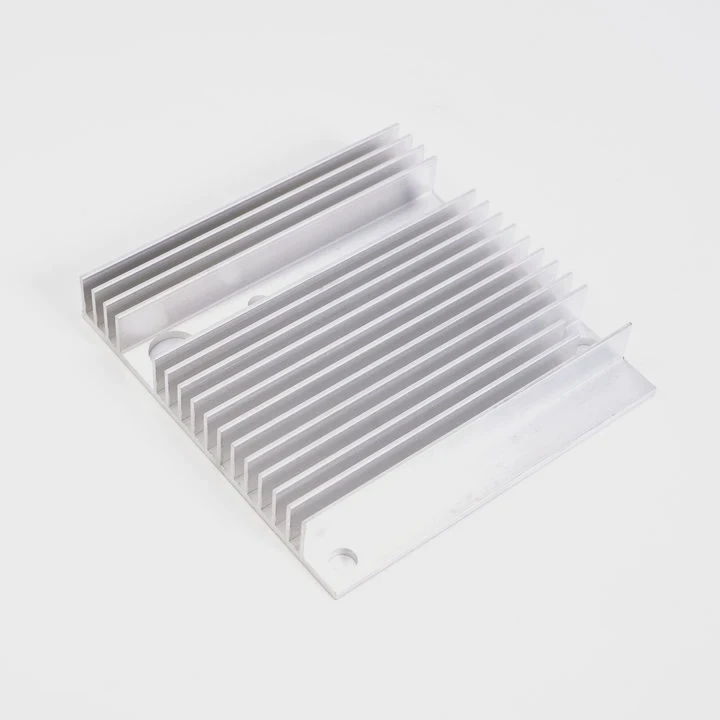
Thermal resistance shows how well a vapor chamber moves heat from hot to cold surfaces. Without accurate measurement, you cannot trust your thermal design. A proper test helps avoid overheating, inefficiency, or unreliable performance.
Measuring a vapor chamber’s thermal resistance needs a controlled heat input, precise temperature sensing on both evaporator and condenser sides, and careful data collection under steady or transient conditions.
The rest of this article explains step by step how to do that, what tools are needed, and how to interpret the results reliably.
What is the process to measure thermal resistance of a Vapor Chamber?
Measuring thermal resistance of a vapor chamber typically follows a protocol similar to that used for heat pipes. The process sets a known heat load at one side (evaporator) and removes heat at the other side (condenser), then measures temperature difference across the chamber. From those, you derive thermal resistance.
The thermal resistance R is calculated using the formula:
[ R = \frac{T{e} - T{c}}{Q} ]
where Tₑ is the temperature at the evaporator side, T_c at the condenser side, and Q is the heat input.
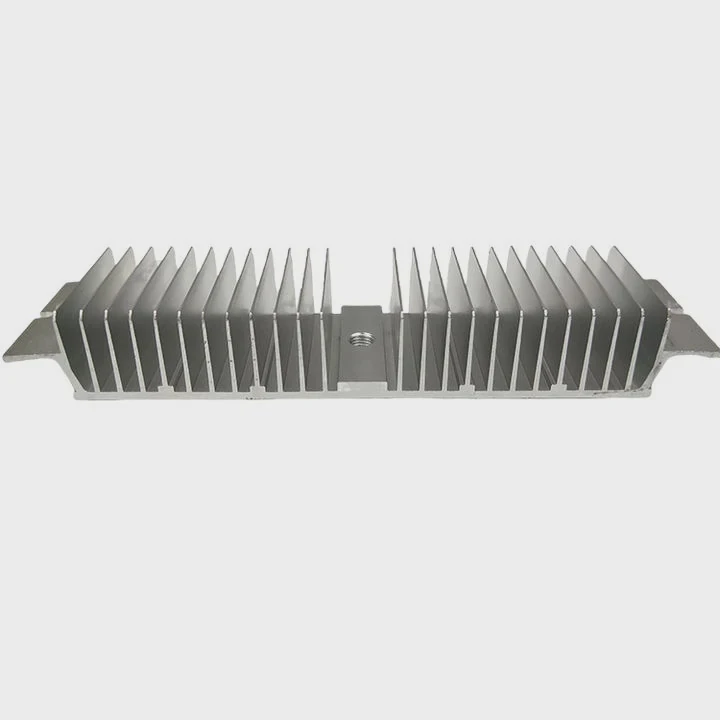
Step-by-step process:
- Mount the vapor chamber between a heater and a cooling surface.
- Apply a known heat input using a stable power source.
- Measure temperatures at multiple points on the evaporator and condenser sides.
- Wait until temperatures stabilize (steady state).
- Calculate thermal resistance using the temperature difference and input power.
- Optionally, compare to a solid metal reference to estimate enhancement.
This method gives a direct measure of how well the chamber spreads heat under working conditions.
Which instruments are used for thermal resistance measurement?
Precise tools are needed to capture the small differences and manage consistent heat transfer. If the test rig is poorly built, results can be misleading.
Thermal resistance measurement requires heaters, temperature sensors, cooling systems, data loggers, and good mechanical fixturing.
Key equipment list:
| Instrument | Purpose |
|---|---|
| Heater (e.g. cartridge) | Provides constant and known heat input |
| Thermocouples | Measure surface temperatures |
| Heat sink or cold plate | Removes heat from condenser side |
| Data acquisition system | Logs power and temperature data |
| Thermal interface material | Ensures good contact between surfaces |
| Insulation material | Reduces heat losses during the test |
Optional tools include thermal cameras or infrared sensors for non-contact measurement, and vacuum chambers to eliminate convective losses for high-precision labs.
Are steady‑state or transient tests used for Vapor Chamber thermal resistance?
Different testing methods serve different goals. Some focus on real-world performance; others on material behavior over time.
Steady-state tests are most common for vapor chambers, while transient tests are used for advanced R&D or non-contact testing.
Comparison:
| Test Type | Description | Use Case |
|---|---|---|
| Steady-state | Constant heat applied until stable temps | Product validation and benchmarking |
| Transient | Pulsed heat and time-based temperature tracking | Advanced research or fine diagnostics |
Steady-state testing is easier to perform and matches operating conditions of most real systems. Transient testing helps analyze startup performance or validate simulation models.
In both cases, the goal is to measure how fast and how evenly the vapor chamber spreads heat, and whether performance is stable under load.
How are results interpreted and validated in Vapor Chamber testing?
Once numbers are collected, understanding them is the key. A low resistance means better performance — but only if the data is reliable.
Thermal resistance is validated by cross-checking values with known references, repeating tests at different loads, and comparing against physical design limits.
Interpreting results:
- Thermal resistance should decrease slightly as heat input increases, until it stabilizes.
- If R suddenly rises, it may indicate dry-out, wick damage, or a leak.
- Compare results to standard copper plates or known designs for benchmarking.
- Effective resistance should be <0.3 °C/W for most mid-size vapor chambers under 30–100 W loads.
For thin or high-performance chambers, some results may show as low as 0.1 °C/W. That depends on materials, wick structure, and contact surface quality.
Tips to validate accuracy:
- Repeat tests 3–5 times per sample.
- Test at multiple heat loads (e.g. 20W, 40W, 60W) to see consistency.
- Use solid block calibration samples to subtract environmental loss.
- Always measure ambient conditions — airflow or convection can skew data.
Conclusion
Measuring vapor chamber thermal resistance involves a stable heat source, accurate temperature sensing, and clear interpretation. Steady-state tests are widely used and give repeatable, practical insights. Transient methods offer advanced analysis. By using proper equipment and validating results, engineers can compare vapor chambers, detect flaws, and make better thermal design decisions.
TAGS
Latest Articles

Volume discount levels for heat sink orders?
Buyers often ask when heat sink prices start to drop with volume. Many worry they’re overpaying for small orders. This guide explains how B2B volume pricing works for thermal components. Heat sink
21 Dec,2025
Heat sink long-term supply contract options?
Many buyers want stable pricing and reliable delivery for heat sinks. But without a clear contract, risks grow over time. This article explores how to secure better long-term supply deals. Long-term
21 Dec,2025
Tooling cost for new heat sink profiles?
Many engineers struggle to understand why tooling for custom heat sinks costs so much. They worry about budgeting and production timelines. This article breaks down the cost drivers behind tooling.
21 Dec,2025
Heat sink custom sample process steps?
Sometimes, starting a custom heat sink project feels overwhelming—too many steps, too many unknowns, and too many risks. You want a sample, but not endless delays. The process for requesting and
20 Dec,2025
Standard B2B terms for heat sink payments?
When buyers and sellers in B2B heat sink markets talk about payment, many don’t fully understand what’s standard. This can lead to delayed orders, miscommunication, and even lost business
20 Dec,2025
Heat sink pricing factors for large orders?
Heat sinks are vital for many systems. When prices rise, projects stall and budgets break. This problem can hit teams hard without warning. Large order heat sink pricing depends on many factors. You
20 Dec,2025Related Articles
- Surface flatness importance for Vapor Chamber
- Continuous production capability for Vapor Chamber?
- Vapor Chamber real heat transfer limits?
- Can Vapor Chamber sustain impact loads?
- Vapor Chamber usage in industrial transformers?
- Does Vapor Chamber need EMI shielding?
- Vapor Chamber for underwater equipment?
- Does Vapor Chamber support mass customization?
- Vapor Chamber industry upcoming regulations?
- Risk control for Vapor Chamber sourcing
- Vapor Chamber for robotics cooling modules?
- Can Vapor Chamber integration in electric motors?
Author
Dr. Emily Chen
Chief AI Researcher
Leading expert in thermal dynamics and AI optimization with over 15 years of experience in data center efficiency research.
Categories
Latest Products






Recommend Categories
- Liquid cooling plate Manufacturer
- Industrial Heat Sink Manufacturer
- Standard Heat Sink Manufacturer
- Aluminum Heat Sink Manufacturer
- Copper Heat Sink Manufacturer
- Anodized Heatsink Manufacturer
- Stamping heat sink Manufacturer
- Die Casting Heatsink Manufacturer
- Soldering heat sink Manufacturer
- CNC Parts Manufacturer
Latest Products
- Wholesale Aluminum Radiator
- Water Cooling Plate Kit
- Water Cooling Heat Sink
- Water Cooling Heat Sink Kit
- Stainless Steel Water Distributor
- Server Water Cooling Plate Kit
- Server Liquid Cooling System
- Server Aluminum Cooling Kit
- S19 Full Cover Cooling Plate
- S19 Cooling Plate Kit
- S19 Aluminum Cooling Plate
Contact Expert
Have questions about this article? Reach out to our experts directly.