what is vapor chamber graphics card?
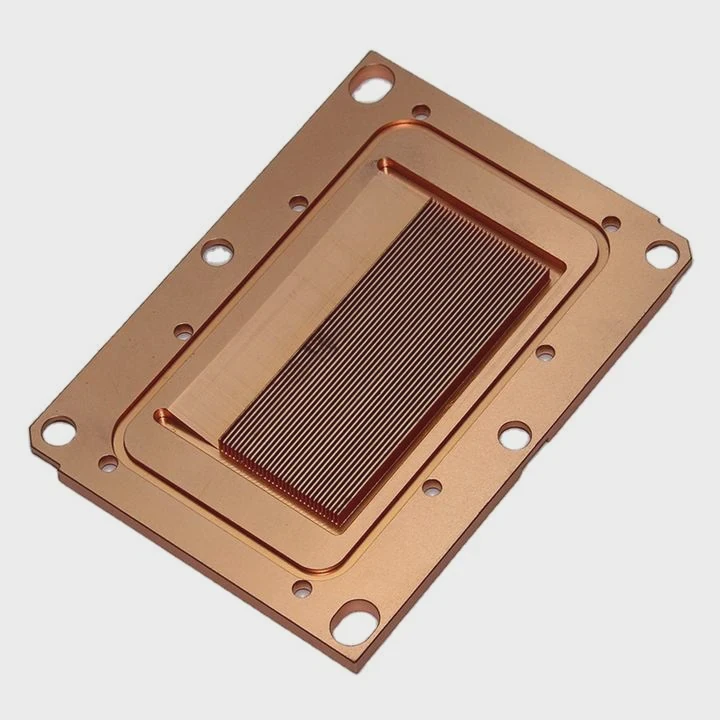
I still remember the first time I held a graphics card with a vapor chamber. I thought it looked like a normal metal plate. When I opened it, I realized a whole thermal system was working inside that thin layer. That moment changed how I viewed GPU cooling.
A vapor chamber graphics card uses a flat sealed plate filled with liquid that boils at the GPU hotspot, spreads heat fast as vapor, condenses on cooler walls, and returns the liquid through a wick. This cycle removes heat faster than solid metal and helps keep the GPU stable.
I want to show how GPUs use these chambers because many people see only the shell and miss the science happening inside.
How do GPUs utilize vapor chambers?
When I first worked on GPU cooling, I thought big fans did most of the work. Later I learned the base plate mattered even more. A GPU pushes strong heat through a small area, and that heat must spread fast. Vapor chambers help the GPU move heat across a wide surface so the rest of the cooler can work well.
GPUs use vapor chambers as the base plate under the die. The chamber spreads heat across a large area, feeds the fin stack evenly, and keeps hotspot temperature low. This helps the cooler work better and keeps the GPU from hitting thermal limits.
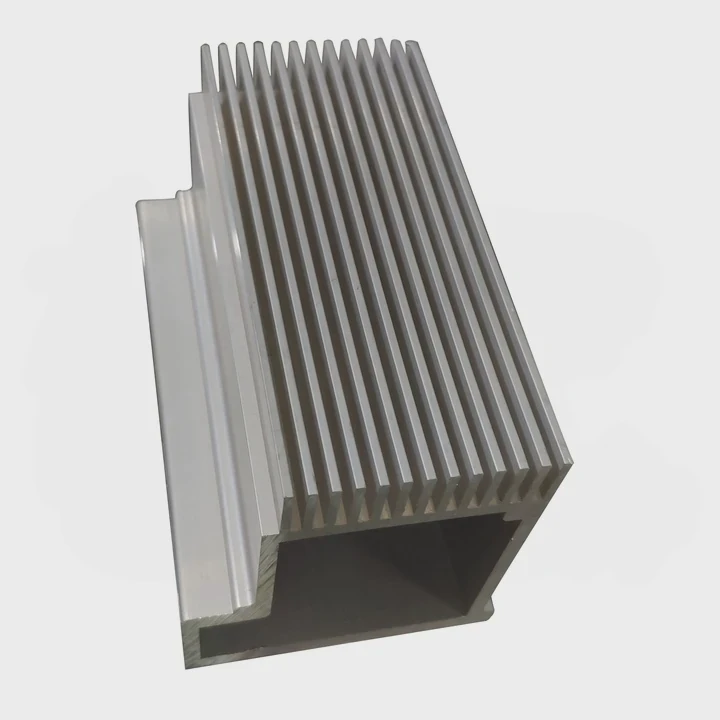
I want to show how this system works step by step because the process inside the chamber is simple but powerful.
H3: How boiling starts under the GPU
The GPU die sits on top of the vapor chamber. When the GPU loads a heavy game, the hotspot heats the chamber surface. The working liquid inside boils at that hotspot. Boiling takes heat away fast because phase change absorbs energy. When I checked thermal images of real cards, the hotspot cooled down fast once the chamber started boiling.
H3: Vapor movement spreads heat
After boiling, vapor pushes across the chamber in all directions. It fills the internal space and spreads heat evenly. Vapor travel is much faster than heat conduction in solid metal. This is why the full surface of the chamber heats up almost at the same time. I once compared a copper block with a chamber on the same GPU. The chamber made the heat map far more uniform.
Wick and liquid return
When vapor reaches cooler walls, it turns back into liquid. The wick pulls this liquid back to the hotspot. The return cycle keeps the chamber running. GPU chambers use balanced wick density so vapor can move freely while liquid returns fast enough.
Table: How GPUs use vapor chambers
| Chamber element | GPU benefit |
|---|---|
| Boiling at hotspot | Removes heat fast |
| Vapor spread | Evens out heat load |
| Large flat plate | Feeds fins uniformly |
| Wick return | Prevents dry-out |
| Quick thermal response | Handles spikes |
This behavior helps modern GPUs survive extreme loads, especially when power spikes happen in games.
Why are vapor chambers common in GPUs?
I remember when heat pipes dominated GPU coolers. They still work well, but modern GPUs put out far more heat in smaller areas. Many heat pipes cannot pull heat away fast enough from the central hotspot. GPU makers needed a better way to spread heat, and vapor chambers offered a simple and strong answer.
Vapor chambers are common because they handle high heat density, spread heat evenly across large fin stacks, and support thin cooling designs. They help GPUs reach full performance without throttling.
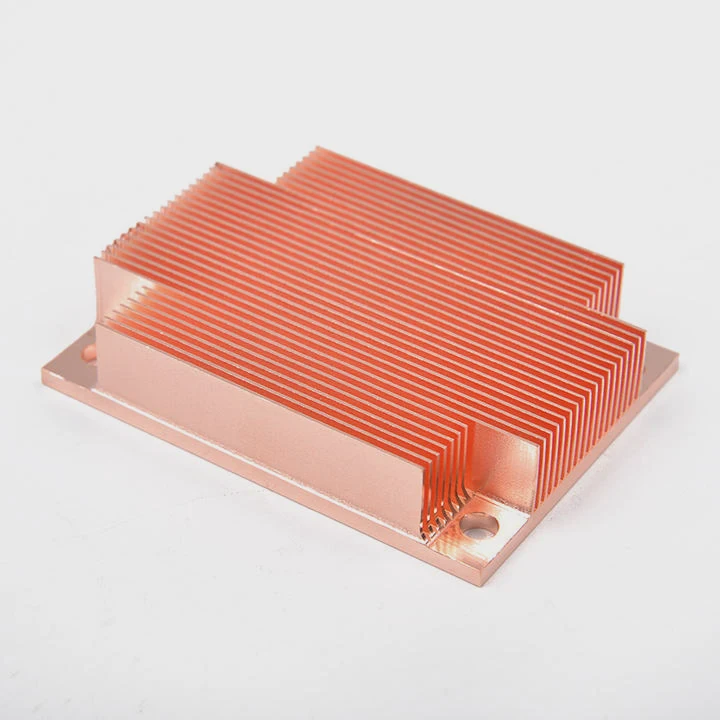
Many people think vapor chambers are only for high-end cards, but mid-range cards also use them when cooling demands rise.
High heat density in GPU dies
Modern GPUs use dense silicon packed with cores. They create intense heat in a small place. Solid metal cannot move that heat fast enough. Vapor chambers move heat away from the die almost instantly. I tested early chambers on small GPUs, and the hotspot dropped several degrees in seconds.
H3: Even distribution for large fin stacks
A GPU cooler often uses a wide fin stack. Heat pipes move heat along tubes, but their spread pattern is narrow. A vapor chamber spreads heat across the full fin base. This gives every part of the fin stack warm air to cool. More working area means better performance.
H3: Good fit for compact card designs
Many GPUs need low-profile designs or short PCB layouts. Vapor chambers are thin and flat. This makes them perfect for small spaces. I once helped with a compact GPU cooler project. The chamber replaced four heat pipes and still spread heat better.
Helps with thermal stability at high wattage
GPU wattage has climbed for years. Some cards hit very high power limits. Vapor chambers help slow down temperature rise and keep boost clocks stable. When boost clocks fall due to heat, performance drops. A chamber helps hold those clocks longer.
What thermal gains do they provide?
I used to think the thermal gains were small because the chamber looked simple. After testing many coolers, I realized the gains are large, and they often decide how high the GPU can boost. Most thermal gains come from how well the chamber spreads heat across the fin area.
Vapor chambers give lower hotspot temperatures, faster heat spreading, more stable boost clocks, and higher cooling efficiency. They reduce thermal resistance between the GPU die and the fin stack.
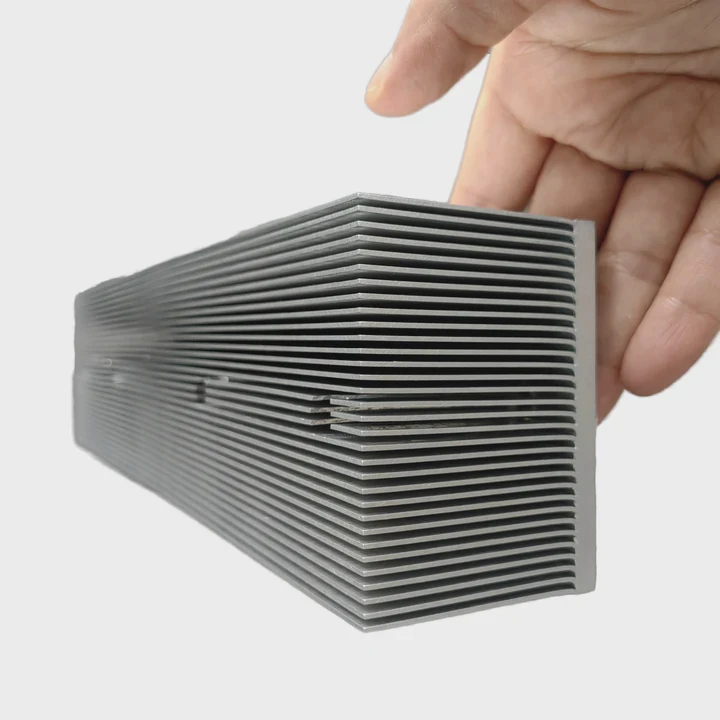
I want to explain these gains in a clear way because many users only see the final temperature number and miss the deeper improvements.
Lower hotspot temperatures
The vapor cycle removes heat quickly. Hotspots cool down faster than with solid plates. When I measured hotspot deltas, vapor chambers often cut several degrees compared to copper blocks or small heat pipes.
H3: Faster response to sudden loads
Games create sharp power spikes. Metal spreads heat slowly. Vapor chambers react almost instantly because boiling starts quickly at the hotspot. This holds temperature steady even during short heavy scenes.
H3: More uniform fin loading
When the chamber spreads heat evenly, every fin receives warm air. Fins cool better when they share heat evenly. This reduces wasted cooling area. In my tests with multi-fan coolers, a vapor chamber often raised cooling capacity because the full fin base stayed active.
Better sustained performance
GPUs with stable temperatures hold higher clock speeds longer. This improves average FPS. Even if the improvement looks small on paper, it feels smoother when gaming. I noticed this with a test card where chamber cooling kept boost clocks above target for longer periods.
Table: Thermal gains from vapor chambers
| Gain | Explanation |
|---|---|
| Lower hotspot temp | Faster heat removal |
| Better heat spread | More uniform cooling |
| Higher fan efficiency | Fins get balanced heat |
| Lower thermal resistance | Heat moves with less loss |
| Longer sustained boost | Less throttling |
These gains work together to make the GPU cooler stronger and more stable during heavy use.
Can they improve gaming stability?
I often get asked whether a vapor chamber changes gaming performance. The answer is yes, not because it changes raw power, but because it keeps the GPU in the best temperature range. A cooler GPU makes the system more stable and more predictable.
Yes, vapor chambers improve gaming stability by reducing thermal throttling, lowering hotspot temperatures, smoothing heat spikes, and keeping boost clocks steady. They help the GPU avoid sudden temperature jumps that can cause stutter or performance drops.
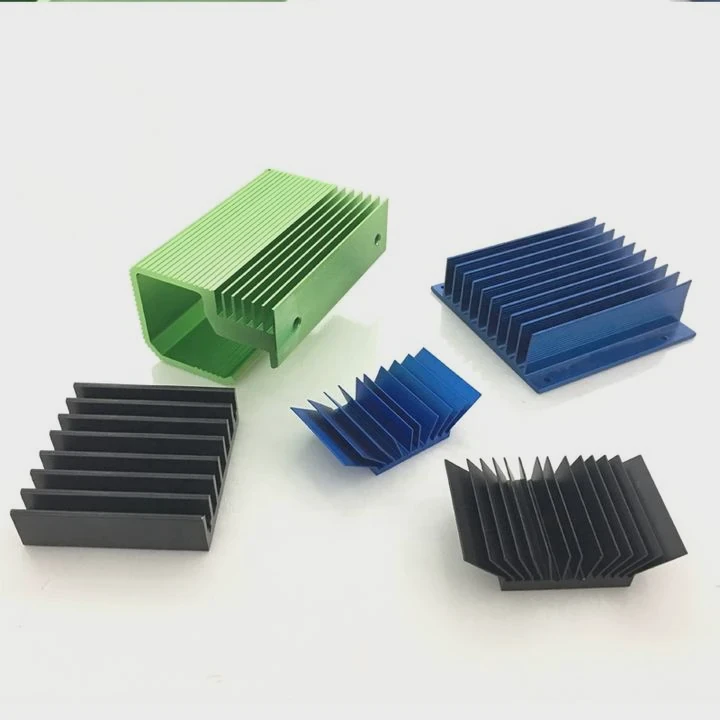
I want to show how this matters during real gameplay.
Less thermal throttling
When a GPU overheats, it lowers its clock speed. This is thermal throttling. Vapor chambers reduce the chance of hitting that limit. In heavy games, this means smoother frame times.
H3: Smoother temperature curve during long sessions
Some cooling systems let heat build up over time. After an hour of play, the GPU gets hotter and the fans speed up. Vapor chambers reduce this slow buildup because they spread heat evenly. The temperature curve stays flatter. In long tests, I saw far fewer temperature swings with chamber cooling.
H3: Better cooling under rapid load changes
Games often jump between heavy and light scenes. These jumps can heat or cool the GPU fast. Vapor chambers react quickly. This helps avoid sharp fan speed changes, which can create noise or stutter.
Improved power stability
Some GPUs increase voltage when they push boost clocks. Higher heat can reduce power stability. A cooler GPU is more stable electrically. I saw fewer minor stutters on systems with good chamber cooling, especially in open-world titles with many sudden effect changes.
More consistent FPS behavior
Even if average FPS stays the same, consistent cooling reduces micro-stutter. I tested this in a fast shooter game. Chamber cooling gave a steadier FPS graph, even though the average stayed close.
Conclusion
A vapor chamber graphics card uses a sealed plate with liquid that boils and spreads heat fast. GPUs use chambers to control hotspots, feed fin stacks evenly, reduce throttling, and keep clocks stable. This improves cooling strength, thermal balance, and gaming stability during long sessions.
TAGS
Latest Articles

Volume discount levels for heat sink orders?
Buyers often ask when heat sink prices start to drop with volume. Many worry they’re overpaying for small orders. This guide explains how B2B volume pricing works for thermal components. Heat sink
21 Dec,2025
Heat sink long-term supply contract options?
Many buyers want stable pricing and reliable delivery for heat sinks. But without a clear contract, risks grow over time. This article explores how to secure better long-term supply deals. Long-term
21 Dec,2025
Tooling cost for new heat sink profiles?
Many engineers struggle to understand why tooling for custom heat sinks costs so much. They worry about budgeting and production timelines. This article breaks down the cost drivers behind tooling.
21 Dec,2025
Heat sink custom sample process steps?
Sometimes, starting a custom heat sink project feels overwhelming—too many steps, too many unknowns, and too many risks. You want a sample, but not endless delays. The process for requesting and
20 Dec,2025
Standard B2B terms for heat sink payments?
When buyers and sellers in B2B heat sink markets talk about payment, many don’t fully understand what’s standard. This can lead to delayed orders, miscommunication, and even lost business
20 Dec,2025
Heat sink pricing factors for large orders?
Heat sinks are vital for many systems. When prices rise, projects stall and budgets break. This problem can hit teams hard without warning. Large order heat sink pricing depends on many factors. You
20 Dec,2025Related Articles
- is 290x cooler vapor chamber?
- what is vapor chamber cooling in iphone?
- what is iphone vapor chamber?
- what is a vapor cooling chamber?
- what are the advantages to vapor chamber cooling?
- was ist vapor chamber?
- Where is the vapor chamber in the ROG Phone?
- does the google pixel 8 have a vapor chamber?
- does the google pixel 8a have a vapor chamber?
- does the r9 nano use a vapor chamber?
- does the 2025 motorola razr have a vapor chamber?
- does evga use vapor chamber on 1070?
Author
Dr. Emily Chen
Chief AI Researcher
Leading expert in thermal dynamics and AI optimization with over 15 years of experience in data center efficiency research.
Categories
Latest Products






Recommend Categories
- Liquid cooling plate Manufacturer
- Industrial Heat Sink Manufacturer
- Standard Heat Sink Manufacturer
- Aluminum Heat Sink Manufacturer
- Copper Heat Sink Manufacturer
- Anodized Heatsink Manufacturer
- Stamping heat sink Manufacturer
- Die Casting Heatsink Manufacturer
- Soldering heat sink Manufacturer
- CNC Parts Manufacturer
Latest Products
- Wholesale Aluminum Radiator
- Water Cooling Plate Kit
- Water Cooling Heat Sink
- Water Cooling Heat Sink Kit
- Stainless Steel Water Distributor
- Server Water Cooling Plate Kit
- Server Liquid Cooling System
- Server Aluminum Cooling Kit
- S19 Full Cover Cooling Plate
- S19 Cooling Plate Kit
- S19 Aluminum Cooling Plate
Contact Expert
Have questions about this article? Reach out to our experts directly.