what is a bga heatsink?
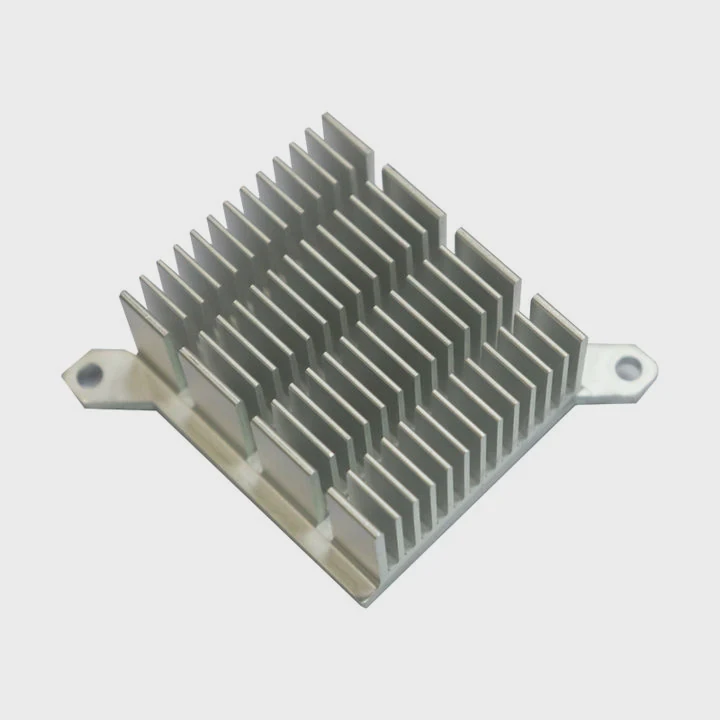
Many people see small square chips on a board and wonder why they have tiny metal blocks on top. This creates confusion because BGA chips look simple but heat up fast.
A BGA heatsink is a small metal cooler placed on a ball-grid-array chip to spread heat, lower surface temperature, and keep the device stable during daily or heavy workloads.
Most users think small chips stay cool. But BGA parts pack dense circuits, and without cooling they heat up more than expected.
Why BGA chips need small sinks?
Many users look at BGA chips and assume they never need cooling. These chips sit low on the board, and this gives the false idea that they produce little heat.
BGA chips need small sinks because their dense internal layout creates concentrated heat, and the package has limited surface area to release this heat without help.
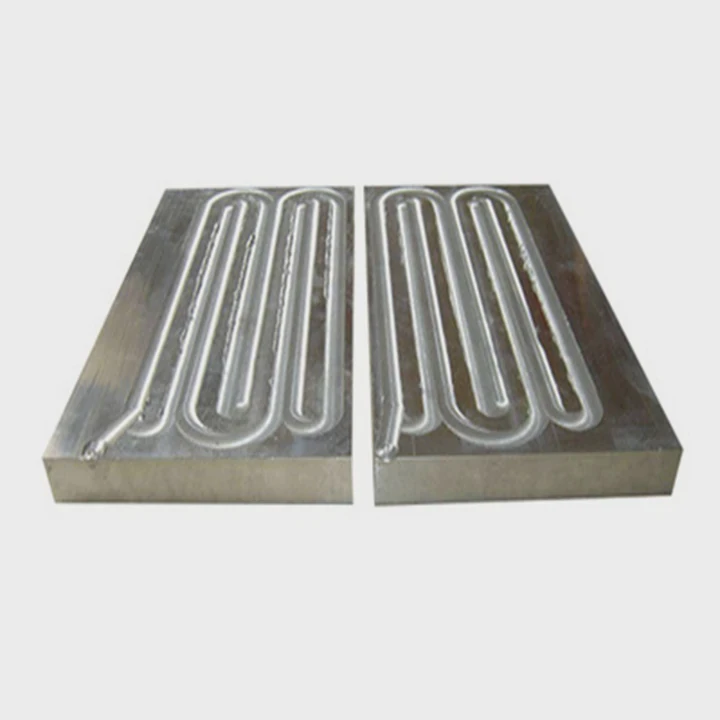
When I worked on a small control board, I saw a tiny BGA chip run hot during long tasks. It looked harmless, but its surface temp climbed fast. After I added a small sink, the board stayed cool and stable.
How BGA chips generate heat
A BGA package holds the die under a small shell. The die has many circuits packed into a tight space. These circuits switch fast and make heat. The heat stays close because the shell is small. Without a sink, the heat cannot spread.
Why small packages heat quickly
The small size means less area to release heat. The chip becomes warm even at medium load. The board under the chip warms too. With time, this warmth affects other parts. A tiny sink can lower the peak temp and protect the board.
A table of BGA heat factors
| Chip Type | Heat Pattern |
|---|---|
| Low-power BGA | Warm at load |
| Mid-power BGA | Hot in minutes |
| High-power BGA | Needs cooling quickly |
Why a small sink is enough
BGA chips do not need huge coolers. A small finned sink spreads the heat into the air. Once heat spreads, the chip stays within limits. This simple step helps the board last longer.
Why engineers add sinks on compact boards
Boards with tight layouts often trap heat. A small sink keeps the hot spot under control. When users know this, they understand why even tiny chips need cooling.
Which adhesives mount BGA sinks?
Many users want to add a sink but fear it will fall off. They do not know which adhesive works or how strong it must be.
BGA heatsinks mount with thermal adhesive tape, thermal epoxy, or push-pin brackets, depending on chip size, board layout, and long-term stability needs.
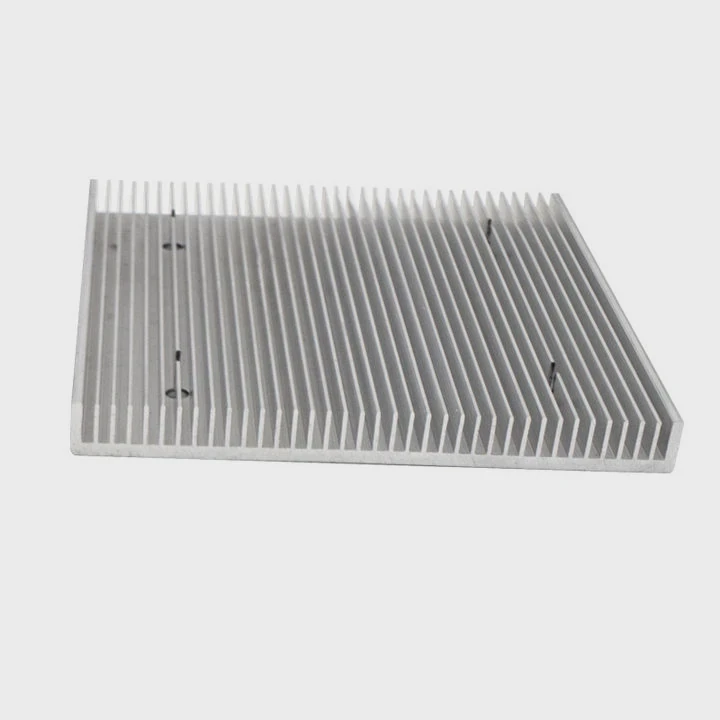
I used thermal tape on a small sensor chip once. The tape held well and removed cleanly later. For hotter chips, I used thermal epoxy because it held tight under long heat cycles.
Types of mounting adhesives
Thermal tape is a thin pad with adhesive on both sides. It sticks the sink to the chip. It is easy to use. Thermal epoxy is stronger. It bonds the sink permanently. Push-pin brackets are found on boards with pre-drilled holes.
Adhesive table
| Adhesive Type | Strength | Removal |
|---|---|---|
| Thermal tape | Medium | Easy |
| Thermal epoxy | High | Hard |
| Push-pin | High | Easy |
Why tape works on many chips
Tape spreads well across the chip. It moves heat into the sink. The bond is clean. Tape is safe for most BGA chips with low or medium heat.
Why epoxy is best for hot chips
Some chips need a strong bond because they run hot. Heat cycles weaken weak adhesives. Epoxy stays firm when temps rise. This keeps the sink steady.
Why the right adhesive matters
A weak adhesive may let the sink shift. A shifted sink loses contact. This causes heat spikes. When the sink is stable, the chip stays cool and safe.
Can airflow improve BGA cooling?
Many users think BGA sinks rely only on metal mass. They forget that airflow is what actually removes the heat from the fins.
Yes, airflow improves BGA cooling because moving air removes heat from the sink’s fins and keeps the sink from warming up during long workloads.
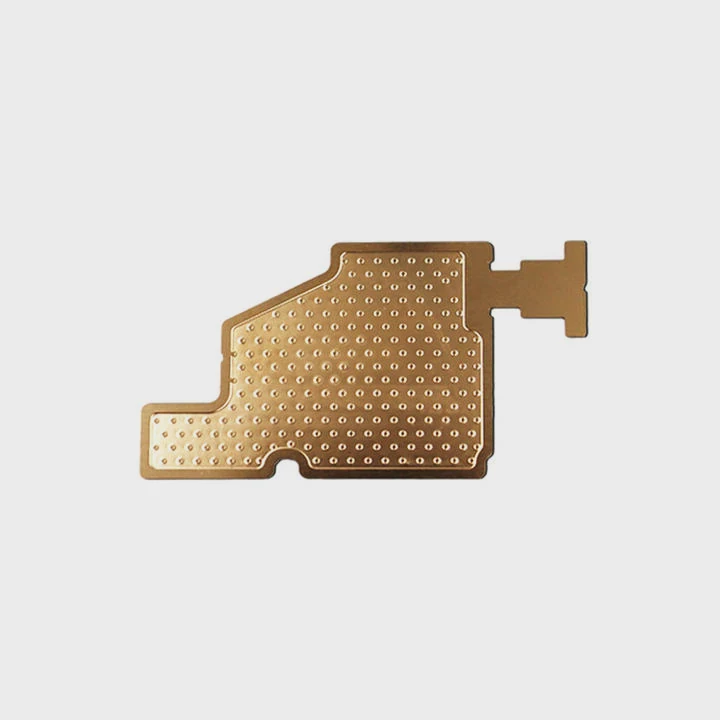
I noticed this when testing a board inside a tight case. The sink worked, but temps stayed high. When I added a small fan nearby, the temp dropped fast. Airflow made the sink useful.
How airflow cools the sink
Air moving across fins carries heat away. Without air, the sink warms and stops cooling. Even a small fan can drop temps by many degrees.
Situations where airflow matters
Boards inside closed cases trap heat. Boards near large chips get warm air from nearby parts. A bit of airflow fixes these problems.
Airflow table
| Airflow Level | Cooling Result |
|---|---|
| Weak | Slow heat drop |
| Medium | Good cooling |
| Strong | Best cooling |
###
TAGS
Latest Articles

Volume discount levels for heat sink orders?
Buyers often ask when heat sink prices start to drop with volume. Many worry they’re overpaying for small orders. This guide explains how B2B volume pricing works for thermal components. Heat sink
21 Dec,2025
Heat sink long-term supply contract options?
Many buyers want stable pricing and reliable delivery for heat sinks. But without a clear contract, risks grow over time. This article explores how to secure better long-term supply deals. Long-term
21 Dec,2025
Tooling cost for new heat sink profiles?
Many engineers struggle to understand why tooling for custom heat sinks costs so much. They worry about budgeting and production timelines. This article breaks down the cost drivers behind tooling.
21 Dec,2025
Heat sink custom sample process steps?
Sometimes, starting a custom heat sink project feels overwhelming—too many steps, too many unknowns, and too many risks. You want a sample, but not endless delays. The process for requesting and
20 Dec,2025
Standard B2B terms for heat sink payments?
When buyers and sellers in B2B heat sink markets talk about payment, many don’t fully understand what’s standard. This can lead to delayed orders, miscommunication, and even lost business
20 Dec,2025
Heat sink pricing factors for large orders?
Heat sinks are vital for many systems. When prices rise, projects stall and budgets break. This problem can hit teams hard without warning. Large order heat sink pricing depends on many factors. You
20 Dec,2025Related Articles
- is nvme heatsink necessary?
- do i need a heatsink fan with new cpu?
- what happens when you remove a cpu heatsink?
- how to clean heatsink on ps4?
- how to remove g skill trident z ddr heatsink?
- how to apply heatsink to ssd?
- how to clean a heatsink of insperion n1770?
- how to separate processor from heatsink?
- how to clean cpu cooler heatsink?
- does an m2 ssd need a heatsink?
- do you need heatsink for liquid cooled cpu?
- do nvmes need heatsinks?
Author
Dr. Emily Chen
Chief AI Researcher
Leading expert in thermal dynamics and AI optimization with over 15 years of experience in data center efficiency research.
Categories
Latest Products
M.2 Heatpipe Heatsink With Dual Fans For Pc Case
19 Mar,2026
Heavy-Duty Aluminum Heat Sink Custom
19 Mar,2026
Oem Skived Fin Heatsink Aluminum Radiator For Plants
19 Mar,2026
Water Cooled Cnc Aluminum Heat Sink For Medical
19 Mar,2026
High Density 6000 Series Aluminum Heat Sink Profile
19 Mar,2026
High-Density Extruded Aluminum & Bonded-Fin Heat Sink Profile
19 Mar,2026
Recommend Categories
- Liquid cooling plate Manufacturer
- Industrial Heat Sink Manufacturer
- Standard Heat Sink Manufacturer
- Aluminum Heat Sink Manufacturer
- Copper Heat Sink Manufacturer
- Anodized Heatsink Manufacturer
- Stamping heat sink Manufacturer
- Die Casting Heatsink Manufacturer
- Soldering heat sink Manufacturer
- CNC Parts Manufacturer
Latest Products
- M.2 Heatpipe Heatsink With Dual Fans For Pc Case
- Heavy-Duty Aluminum Heat Sink Custom
- Oem Skived Fin Heatsink Aluminum Radiator For Plants
- Water Cooled Cnc Aluminum Heat Sink For Medical
- High Density 6000 Series Aluminum Heat Sink Profile
- High-Density Extruded Aluminum & Bonded-Fin Heat Sink Profile
- Dongguan Cnc Aluminum Heat Sink For Led & Brass Parts
- Wholesale Cnc Aluminum Heat Sink - Custom Extruded
- Led Cnc Round Heat Sink With Screw Holes
- Copper Pin-Fin Heat-Sink Large-Area For Photoled Cooling
- Telecom Heatsink Zipper Fin Wcopper Tubes Oem
Contact Expert
Have questions about this article? Reach out to our experts directly.