what happens when you remove a cpu heatsink?
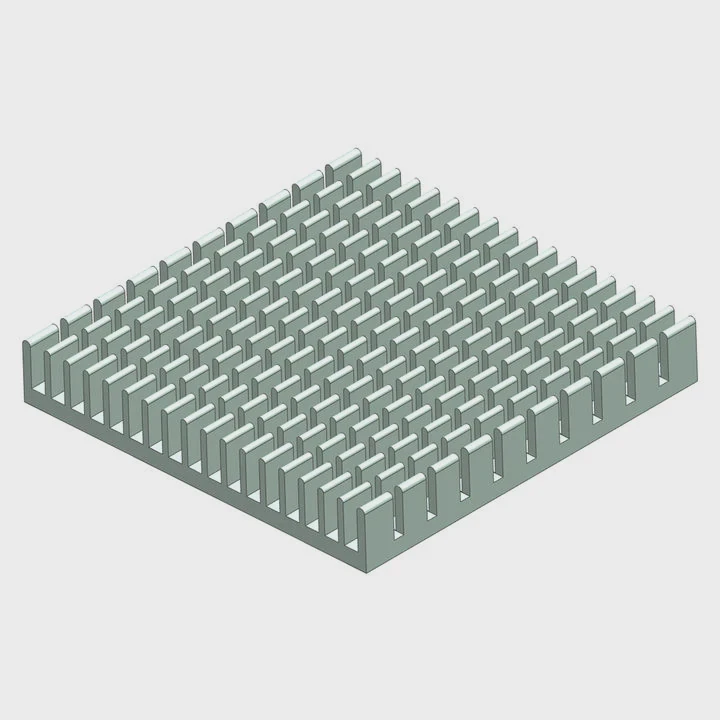
Many people remove a CPU heatsink for cleaning or upgrades, and the shock comes fast. The system reacts at once, and this creates panic for new users.
When you remove a CPU heatsink, the chip loses its heat path, the temperature rises in seconds, the system may shut down for safety, and the exposed IHS heats very fast.
Most users stop the moment they hear the fan ramp or see the system freeze. With clear knowledge, the risks become easy to understand.
Why temps rise instantly?
The moment the heatsink lifts off, the CPU has no way to move heat into a large surface. Many users think the chip will get warm slowly, but the spike is almost instant.
Temps rise instantly because the CPU produces heat at full density, and without a heatsink, this heat stays on the tiny surface of the IHS, causing a rapid jump in temperature.
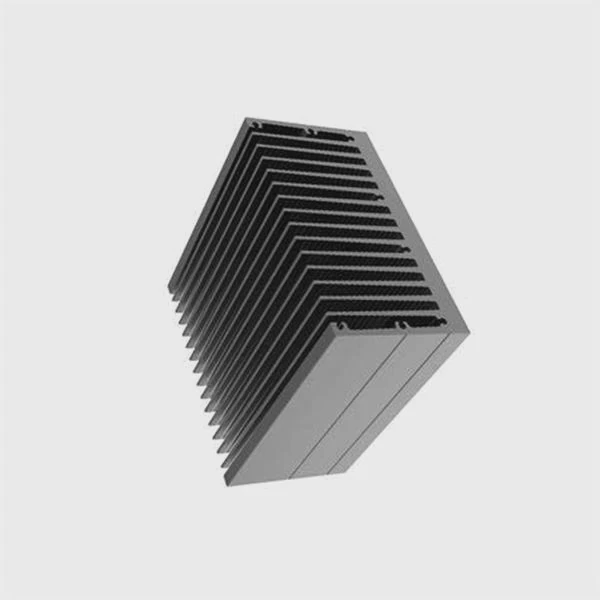
I saw this the first time I tested a motherboard on a bench. I lifted the cooler for only a second. The system froze at once. The CPU hit its thermal limit faster than I could react. This made me respect how fast chips heat up.
How a CPU creates heat
A CPU has billions of transistors. These transistors switch very fast. Each switch makes heat. A modern CPU can make more than 80 watts of heat under load. The heat needs a large area to spread. The heatsink gives this area. Without it, the heat stays trapped on the surface.
Why the spike is fast
The CPU’s surface is small. When the heat stays in a small area, the temperature rises fast. Some chips jump from 40°C to over 90°C in a few seconds. This is not a slow rise. It is a spike. Many users do not expect it and panic when the system shuts down.
A table of heat rise behavior
| Condition | Temp Change |
|---|---|
| With heatsink | Slow and stable |
| Loose contact | Fast rise |
| No heatsink | Instant spike |
Why the CPU cannot self-cool
The CPU cannot cool itself. It has no airflow. It has no fins. It needs a heatsink to move heat. When the heatsink is removed, the heat stays inside. The internal sensors react at once. This is why the system becomes unstable.
When users understand this, they avoid running the system bare. Even a few seconds without a cooler can stress the chip.
Can CPU shut down for protection?
Many new users think a shutdown means the CPU is damaged. The truth is the opposite. The shutdown saves the CPU.
Yes, the CPU can shut down for protection. When the sensors read high temperatures, the system triggers a safe shutdown to stop harm to the chip.
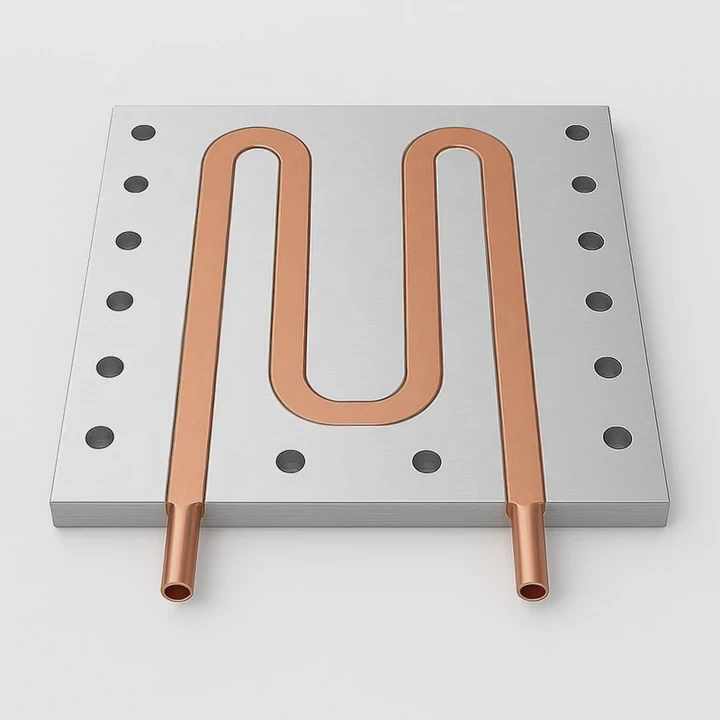
I saw this when I tested an old board with a friend. The heatsink was not clipped. The moment the system started, it turned off. We thought the board was bad. Later we learned the thermal limit kicked in to save the chip.
How thermal limits work
Every CPU has sensors inside. These sensors watch temperature. When the sensor sees a number close to the limit, the CPU starts to slow down. This is called thermal throttling. If the temperature keeps rising, the CPU tells the system to shut down.
Why shutdown is safe
The shutdown stops the chip from taking more heat. It stops heavy load. It gives time for the chip to cool. This prevents damage. Most modern chips survive many shutdowns without harm.
Table of safety steps
| Step | CPU Action |
|---|---|
| Temps rise | Slow clock |
| Temps rise more | Throttle hard |
| Temps reach limit | Force shutdown |
Why shutdown happens fast
Without a heatsink, the CPU passes the throttle point very fast. It may go from normal to shutdown within seconds. Many users see this and think the board is broken. But the system is working as designed.
Why you should not bypass safety
Some users try to remove sensors or change limits in BIOS. This is unsafe. The CPU needs these limits. Without limits, the chip can burn. The safest choice is simple: keep the heatsink on before powering the system.
Does exposed IHS heat rapidly?
Some people think the IHS stays cool because it is metal. They touch it and feel no heat at first. But the heat rise is fast and strong.
Yes, the exposed IHS heats rapidly because it receives full heat from the die, and without a heatsink, there is no way to spread this heat across a larger surface.
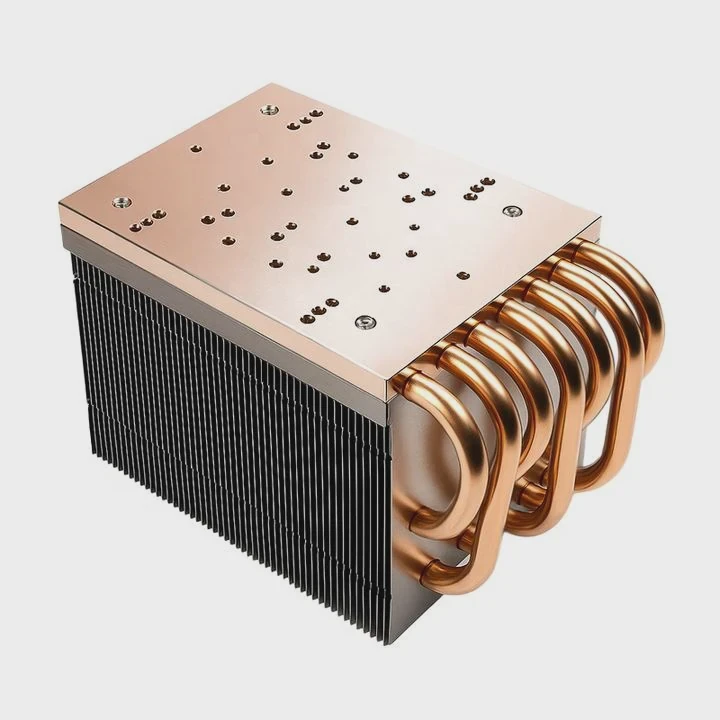
I did a test once with a small sensor. I placed the sensor on the IHS when the heatsink was off. The temperature went up faster than expected. It became too hot to touch in a short moment.
Why the IHS cannot cool the chip
The IHS is only a cover. It spreads heat to the heatsink. It is not a cooler. It has no fins. It has no fan. When the heatsink is gone, the IHS becomes a small plate that holds heat.
How heat moves inside the IHS
Heat moves from the die to the IHS. From the IHS, it should move to the cooler. If the cooler is gone, the heat stacks on the IHS. The IHS warms fast. The chip under it warms even faster.
Table about heat paths
| Path | Status |
|---|---|
| Die → IHS | Works |
| IHS → Heatsink | Broken |
| Heat to air | Too slow |
Why touching the IHS is not safe
Some users try to check heat by touching the IHS. This is not safe. The metal heats fast. It can burn the skin. It can also trap oils from the fingers, which affect paste later.
How fast heat builds
Heat builds in seconds. Without a cooler, the chip cannot move its heat into air fast enough. This is why the system shuts down. Even a simple idle state creates enough heat to cross safe levels.
Should system never run bare?
Many people think the system can run without a cooler for a very short time. Some think they can enter BIOS for a few seconds. But this is not safe.
The system should never run bare. Even a few seconds without a heatsink can push the CPU to its limits and force a shutdown or cause harm.
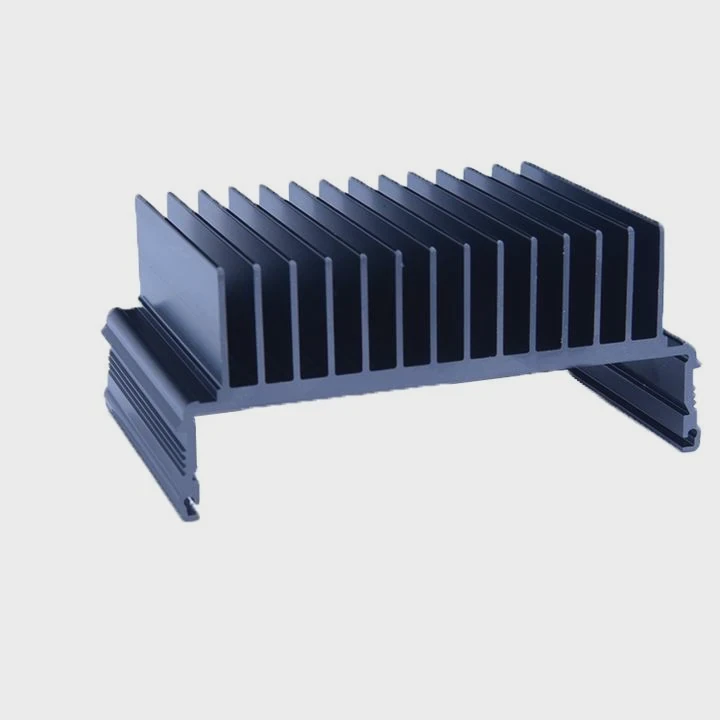
I learned this many years ago when testing an old CPU. I thought I could run the system for a moment. But the system failed at once. This taught me not to risk bare runs again.
Why bare runs are unsafe
The CPU heats too fast. Even BIOS screens make heat. The chip has no heat path. The sensors react. The system shuts down. This harms stability and can shorten lifespan.
What people misunderstand
Some think the CPU is safe because it is idle in BIOS. But idle is not zero load. The chip still works. It still makes heat. Without a cooler, the heat stays trapped.
Table on bare run risks
| Action | Risk |
|---|---|
| Boot without heatsink | Instant shutdown |
| Enter BIOS | High heat spike |
| Run OS | Very unsafe |
Why you must install a cooler first
The cooler must be in place before any power goes to the chip. Even testing a motherboard needs a cooler. A simple stock cooler works. Any cooler is better than none.
Why thermal paste matters
Even with a cooler, you need paste. Paste fills gaps. Without paste, the heat transfer becomes weak. The chip heats up fast. So bare CPU and dry CPU both create heat spikes.
Running the system with no heatsink is never safe. The chip depends on cooling the moment power starts.
Conclusion
A CPU without a heatsink heats fast, triggers safety limits, and shuts down to protect itself. With a proper cooler and paste, the system stays safe and stable.
TAGS
Latest Articles

Volume discount levels for heat sink orders?
Buyers often ask when heat sink prices start to drop with volume. Many worry they’re overpaying for small orders. This guide explains how B2B volume pricing works for thermal components. Heat sink
21 Dec,2025
Heat sink long-term supply contract options?
Many buyers want stable pricing and reliable delivery for heat sinks. But without a clear contract, risks grow over time. This article explores how to secure better long-term supply deals. Long-term
21 Dec,2025
Tooling cost for new heat sink profiles?
Many engineers struggle to understand why tooling for custom heat sinks costs so much. They worry about budgeting and production timelines. This article breaks down the cost drivers behind tooling.
21 Dec,2025
Heat sink custom sample process steps?
Sometimes, starting a custom heat sink project feels overwhelming—too many steps, too many unknowns, and too many risks. You want a sample, but not endless delays. The process for requesting and
20 Dec,2025
Standard B2B terms for heat sink payments?
When buyers and sellers in B2B heat sink markets talk about payment, many don’t fully understand what’s standard. This can lead to delayed orders, miscommunication, and even lost business
20 Dec,2025
Heat sink pricing factors for large orders?
Heat sinks are vital for many systems. When prices rise, projects stall and budgets break. This problem can hit teams hard without warning. Large order heat sink pricing depends on many factors. You
20 Dec,2025Related Articles
- how to clean heatsink on ps4?
- how to remove g skill trident z ddr heatsink?
- how to apply heatsink to ssd?
- does lg g2 have heatsink?
- how to remove heatsink from ssd?
- can you tightnen a heatsink to much?
- do i need a heatsink fan with new cpu?
- is nvme heatsink necessary?
- what is a bga heatsink?
- how to clean a heatsink of insperion n1770?
- how to separate processor from heatsink?
- how to clean cpu cooler heatsink?
Author
Dr. Emily Chen
Chief AI Researcher
Leading expert in thermal dynamics and AI optimization with over 15 years of experience in data center efficiency research.
Categories
Latest Products
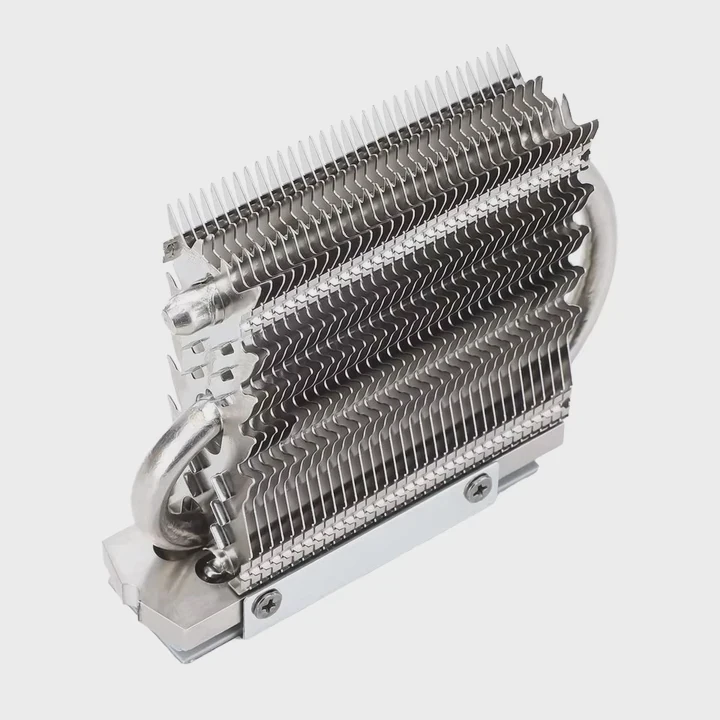
M.2 Heatpipe Heatsink With Dual Fans For Pc Case
19 Mar,2026
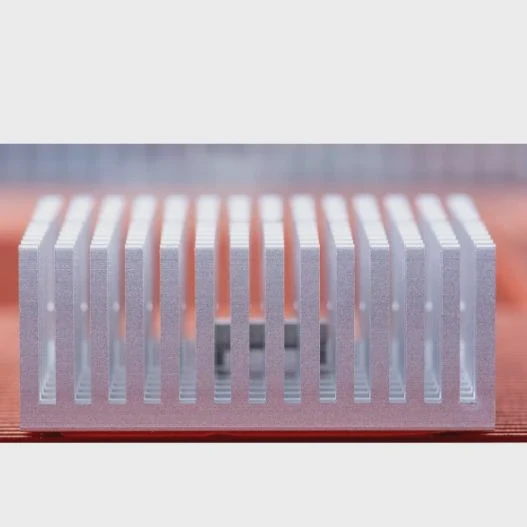
Heavy-Duty Aluminum Heat Sink Custom
19 Mar,2026
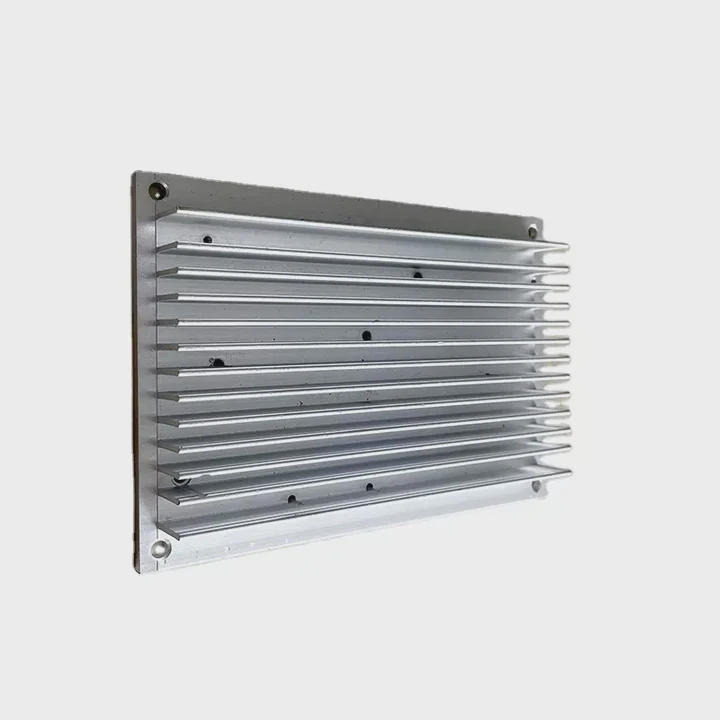
Oem Skived Fin Heatsink Aluminum Radiator For Plants
19 Mar,2026
Water Cooled Cnc Aluminum Heat Sink For Medical
19 Mar,2026
High Density 6000 Series Aluminum Heat Sink Profile
19 Mar,2026
High-Density Extruded Aluminum & Bonded-Fin Heat Sink Profile
19 Mar,2026
Recommend Categories
- Liquid cooling plate Manufacturer
- Industrial Heat Sink Manufacturer
- Standard Heat Sink Manufacturer
- Aluminum Heat Sink Manufacturer
- Copper Heat Sink Manufacturer
- Anodized Heatsink Manufacturer
- Stamping heat sink Manufacturer
- Die Casting Heatsink Manufacturer
- Soldering heat sink Manufacturer
- CNC Parts Manufacturer
Latest Products
- M.2 Heatpipe Heatsink With Dual Fans For Pc Case
- Heavy-Duty Aluminum Heat Sink Custom
- Oem Skived Fin Heatsink Aluminum Radiator For Plants
- Water Cooled Cnc Aluminum Heat Sink For Medical
- High Density 6000 Series Aluminum Heat Sink Profile
- High-Density Extruded Aluminum & Bonded-Fin Heat Sink Profile
- Dongguan Cnc Aluminum Heat Sink For Led & Brass Parts
- Wholesale Cnc Aluminum Heat Sink - Custom Extruded
- Led Cnc Round Heat Sink With Screw Holes
- Copper Pin-Fin Heat-Sink Large-Area For Photoled Cooling
- Telecom Heatsink Zipper Fin Wcopper Tubes Oem
Contact Expert
Have questions about this article? Reach out to our experts directly.